In anticipation of our 10-year anniversary, we're embarking on a listening tour—your honest feedback will improve our programs, expand our outreach, and play a big role in shaping the future of Wikitongues. Thank you for your support! https://t.co/litmHvgDqn
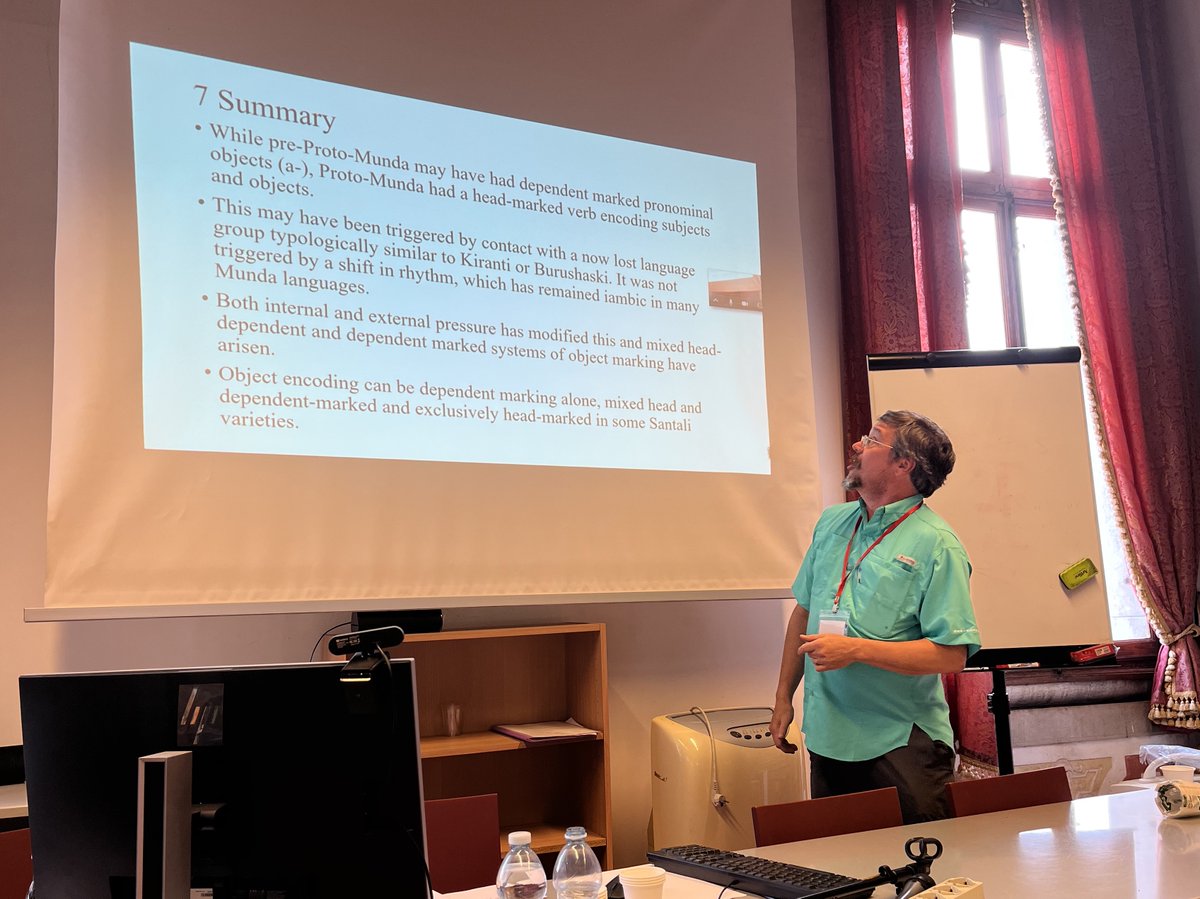
Dr. Greg Anderson and Opino Gomango recently presented two papers on Munda linguistics at the 37th South Asian Languages Analysis Roundtable (SALA) in Venice, Italy. It was Opino's first trip to Italy! Thanks to the organizers of this event. #SALA37
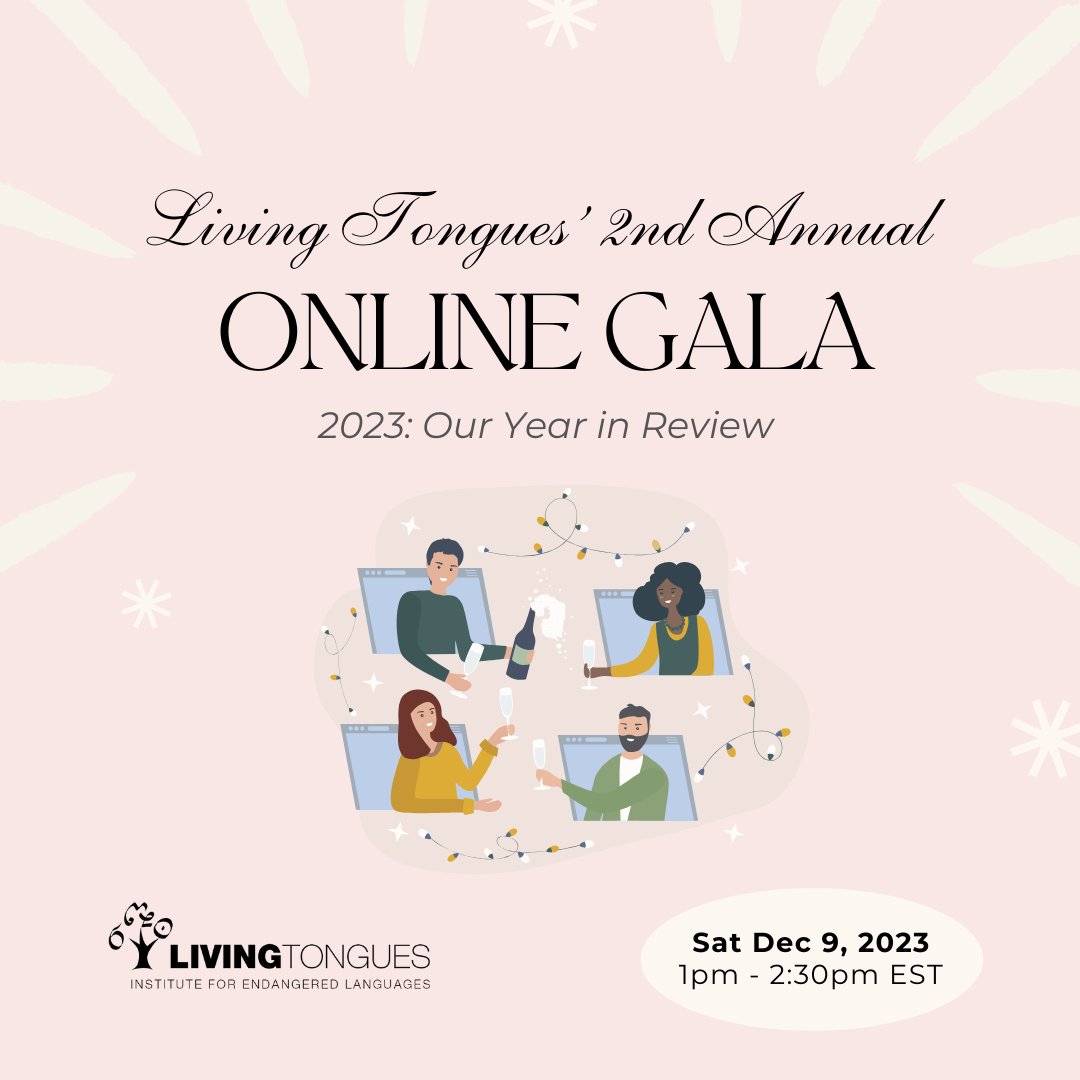
Join us on Sat. Dec 9 at 1pm EST for our end-of-year Online Gala! We will share our research highlights and progress from 2023.
RSVP here: https://t.co/CCf7O3kB2f
#linguistics#endangeredlanguages#languagedocumentation
In three years, the Language Revitalization Accelerator has supported 40 mother-tongue projects around the world. Now, after three years of impact, we're ready to grow. Next year we will focus on collecting feedback, so that we can strengthen the Accelerator to fit your needs.
We will also continue to share resources and external funding opportunities for language activists, such as this one from our friends at the Foundation for Endangered Languages: https://t.co/X3Mzj2IFT9 (apply by 31 December).
We are delighted to announce the launch of Ready to Revitalize, ELP's new online course in #LanguageRevitalization!
📅 Applications will open November 13. We'll post the application link then - we can't wait to hear from you!
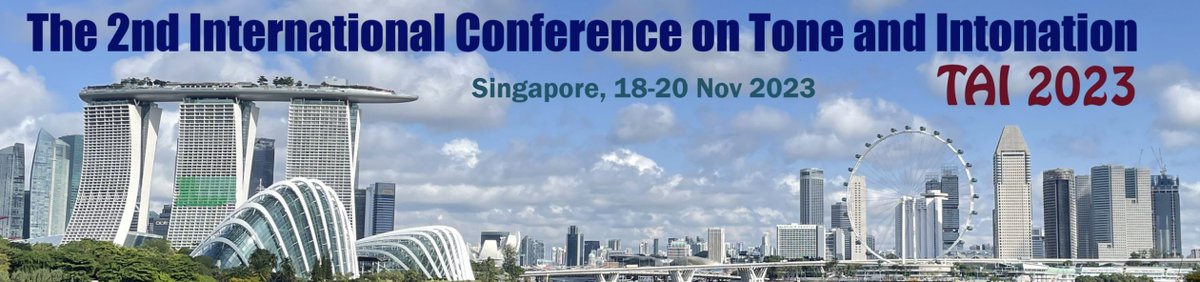
On behalf of Living Tongues, Dr. Luke Horo will be presenting research on the #phonetic correlates of syllable prominence in #Mundari at the Second International Conference on Tone and Intonation (#TAI2023) on November 18-20 in Singapore.
Full program:
https://t.co/DK0kfDuAxh
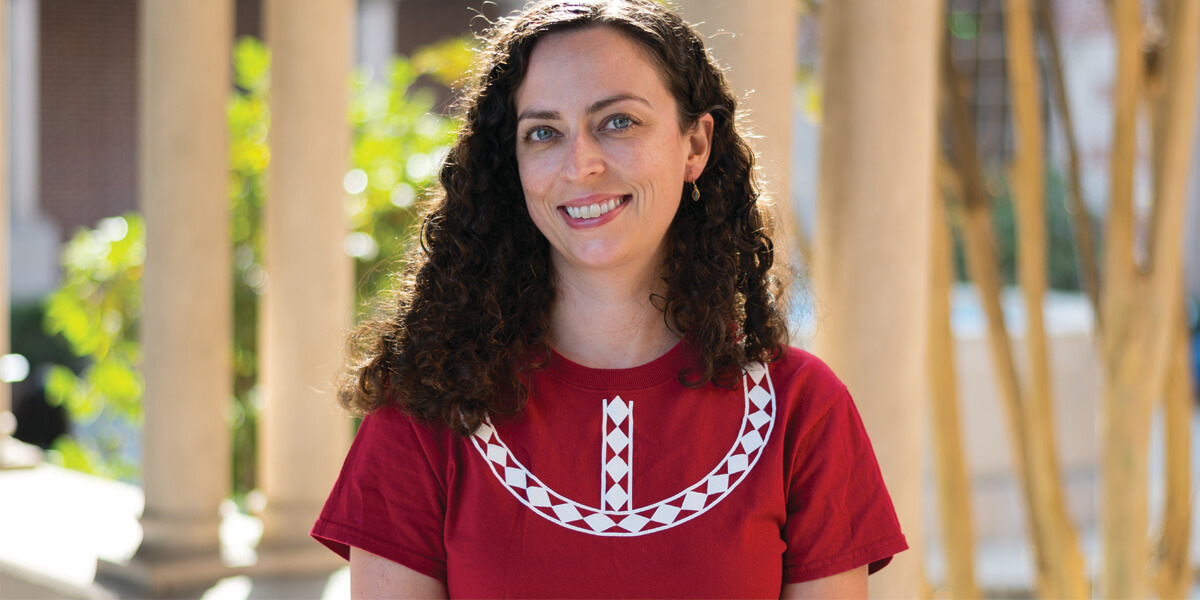
ICT researcher Jacqueline Brixey is part of @wikitongues Language Revitalization Fellowship's 2023 cohort, using #NLP (Natural Language Processing) #NLU (Natural Language Understanding) #MT (Machine Translation) to revitalize the #Choctaw language. #NativeAmericanHeritageMonth
Some reports claim that in 2023, AI speech recognition is 99% accurate. “But when it comes to Indigenous languages, it’s literally 0 percent accurate…The way that we're building out technology is contributing to a culture of further [cultural] genocide and erasure of languages.”
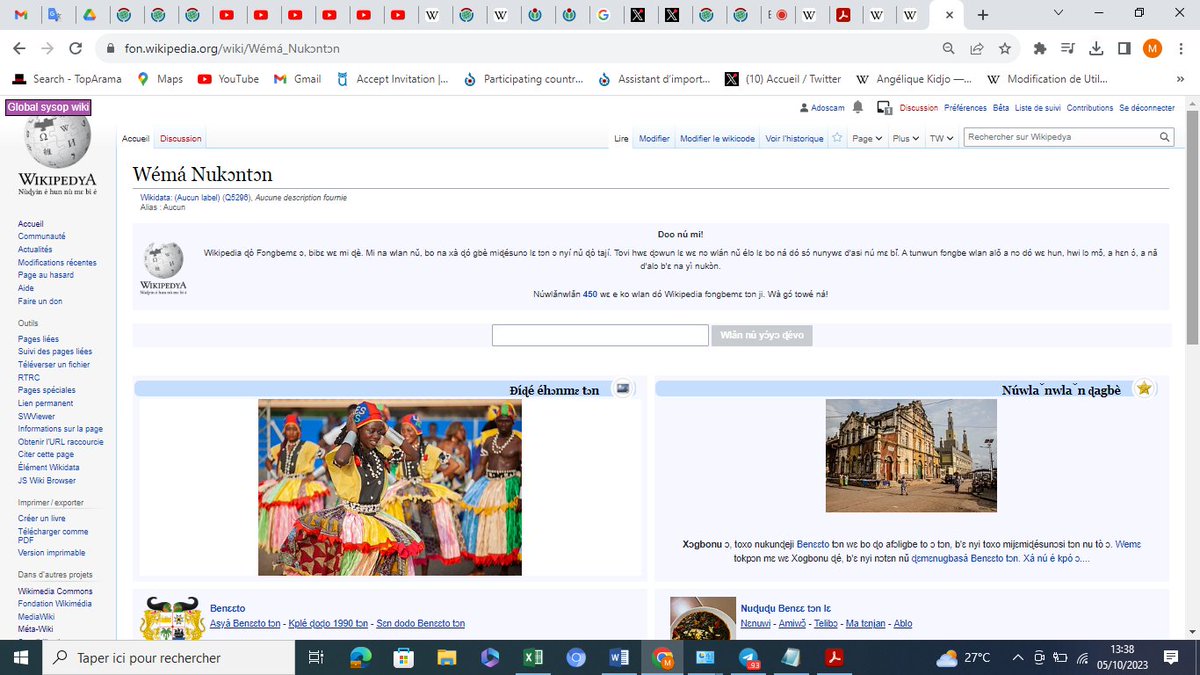
Félicitations. Après des années en incubateur, le fon, la langue nationale la + parlée au Bénin est désormais parmi plus de 300 langues au monde à travers https://t.co/ccQNNOJj8A officiellement lancé.👉https://t.co/S21dNQtqwE
@wikipedia_fon#wesexo @wikimediafonation
A moving tribute to our colleague Ignacio Tomichá Chuvé (1985-2023) by Eddie Avila from @risingvoices. It was an honor for us to collaborate with Chuvé over the years.
https://t.co/NhbV8ZzVLa
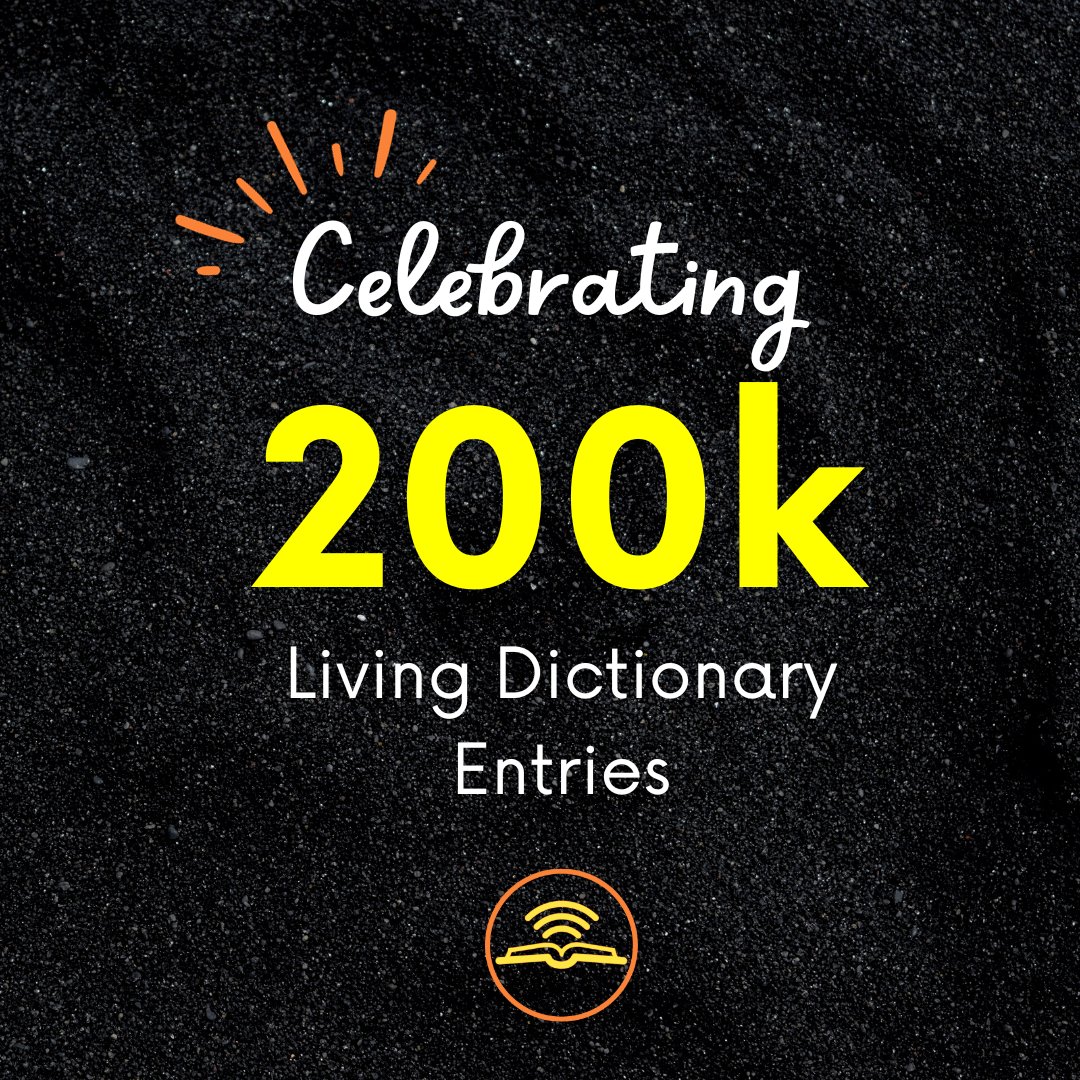
Great news! We hit a milestone. The Living Dictionaries platform now houses over 200,000 #dictionary entries. Big shout-out to the 930+ language activists currently building Living Dictionaries for under-resourced, endangered and minority #languages on the platform.
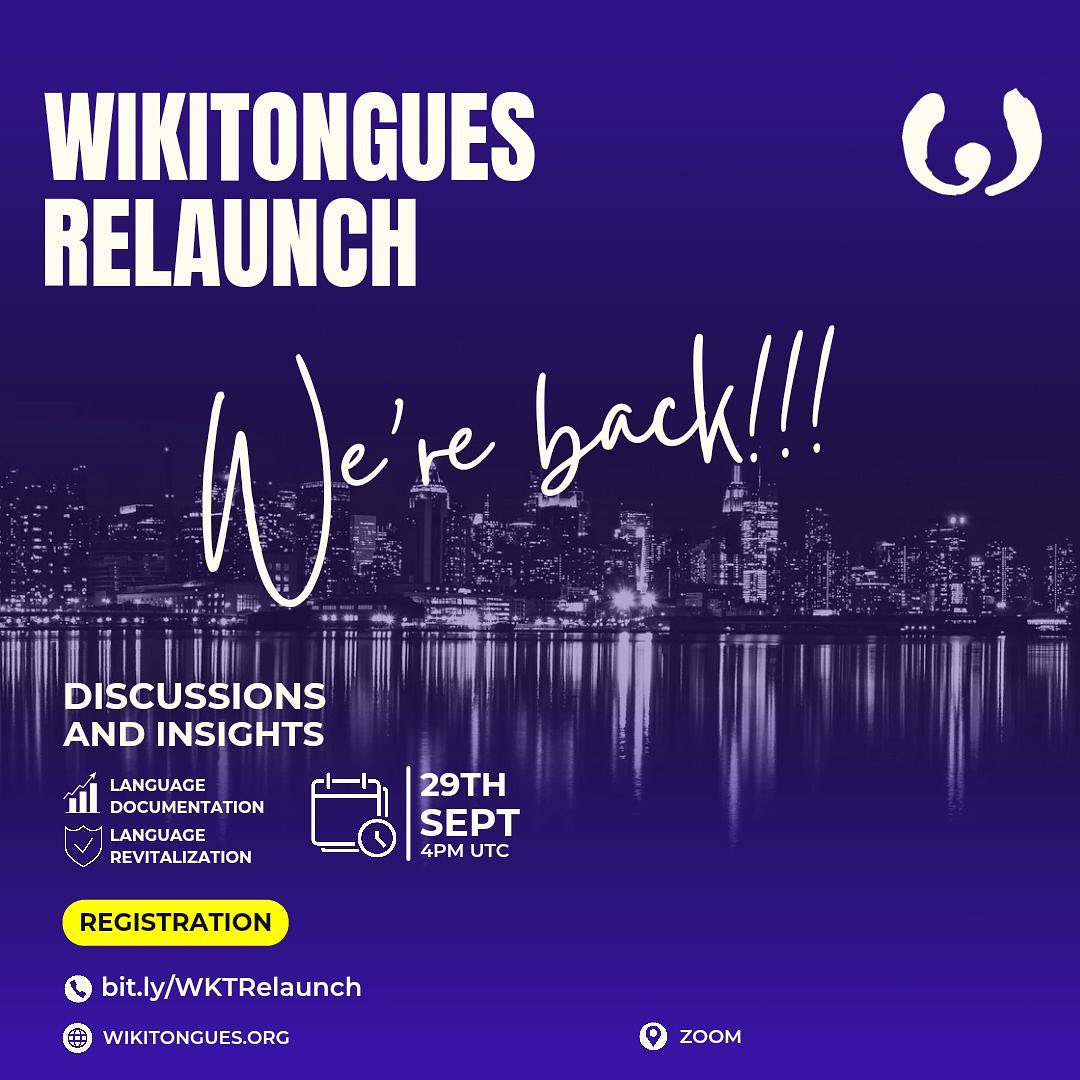
Calling all Wikimedians! 🌍📷 Join us for the relaunch of the Wikitongues User Group on September 29th at 4:00 p.m. UTC. Zoom meeting details and registration here: https://t.co/HCd5cuCnGM
Let's celebrate #LanguageRevitalization and promote #LanguageDiversity together!