A Violation of Sacramental Order: Mail Order Absolution
The vulnerabilities of the spiritual partnership between Sr. Faustina and Fr. Sopoćko becomes starkly apparent when examining the personal correspondence between them. In an extraordinary exchange from their letters, the boundaries of Catholic sacramental theology and canon law are entirely bypassed. Sr. Faustina writes to her director:
"I have a great request; namely, that you send me in writing your blessing, Father: an absolution for the hour of my death." (The Letters of Saint Faustina, p. 38)
Rather than correcting this fundamental misunderstanding of the sacraments, Fr. Sopoćko complies, replying:
"I am sending the desired absolution and blessing..." (The Letters of Saint Faustina, p. 40)
This exchange represents a severe theological error on the part of both Sr. Faustina and her spiritual director. In Catholic dogmatic theology, sacramental absolution requires the physical, moral presence of the penitent and the priest; it is a judicial act that cannot be administered via written correspondence.
To prevent such abuses, the Church had explicitly closed this door centuries prior. In 1602, Pope Clement VIII issued a formal decree condemning the proposition that absolution could be granted through letters or to an absent penitent as a grave error:
“It is lawful through letters or through a messenger to confess sins sacramentally to an absent confessor, and to receive absolution from that same absent confessor”
This incident illustrates the warnings laid out by St. John of the Cross regarding the dangers of poorly formed or overly indulgent spiritual directors. In The Ascent of Mount Carmel, John of the Cross admonishes directors who fail to guide souls by the ordinary, established laws of the Church, warning that those who flatter or accommodate a visionary's irregular spiritual impulses do immense damage:
By validating Sr. Faustina’s request and purporting to mail a sacramental absolution, Fr. Sopoćko failed in his primary duty as a traditional spiritual director and as a confessor. He failed to act as a barrier against theological irregularity. Instead of anchoring Sr. Faustina to the objective, unyielding boundaries of Catholic sacramental life, Sopoćko maintained a relationship that divorced from the magisterial guardrails designed to protect it.
There is no 'Eternal Rome' as distinct from present-day Rome, if Leo is, as the SSPX insists, a valid Pope. The FSSPX has maneuvered itself into theological La-La Land because they refuse to recognize that the Holy See is vacant.
Do Ciebie, Jezu, miłością zranione
Maryi serce pragnie ulubione,
Z Tobą na wieki zjednoczone mile,
Nierozerwane wdzięcznie wiedzie chwile.
Równemi zapałami zdjęte,
Miłość krępuje serca obie święte.
Gdy się to pali, to się wzajem grzeje,
Żyje mdlejący i żyjąca mdleje.
Niech w Tobie żyję i żyjąc umieram,
Ten sobie żywot nieżywy obieram.
Niech umrę światu, a niech żyję w Tobie,
Niech w jednem ciele żyją dusze obie!
#NSPJ
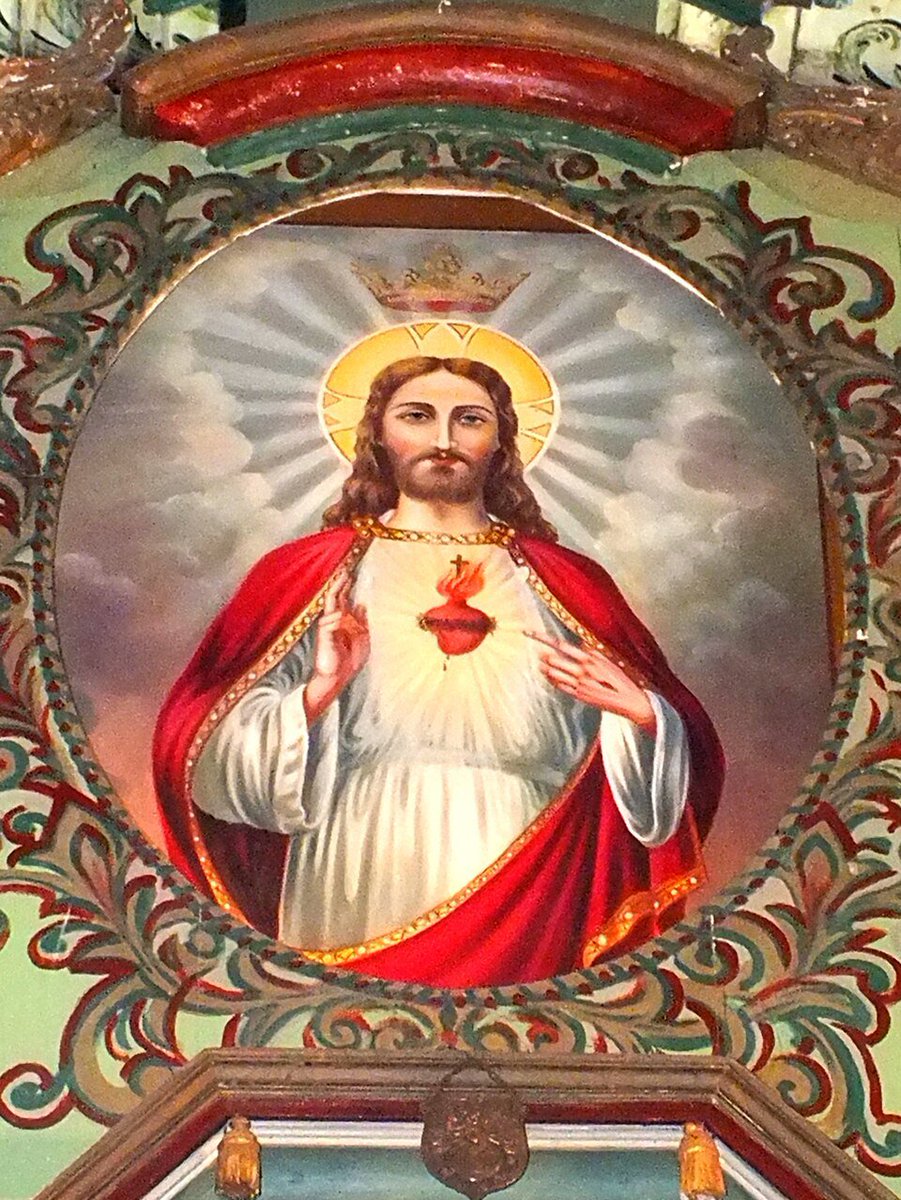
Miłością wieczną umiłował nas Bóg, przeto gdy został podwyższony od ziemi przyciągnął nas do Serca swojego, litując się.
Oktawa Najświętszego Serca Pana Jezusa
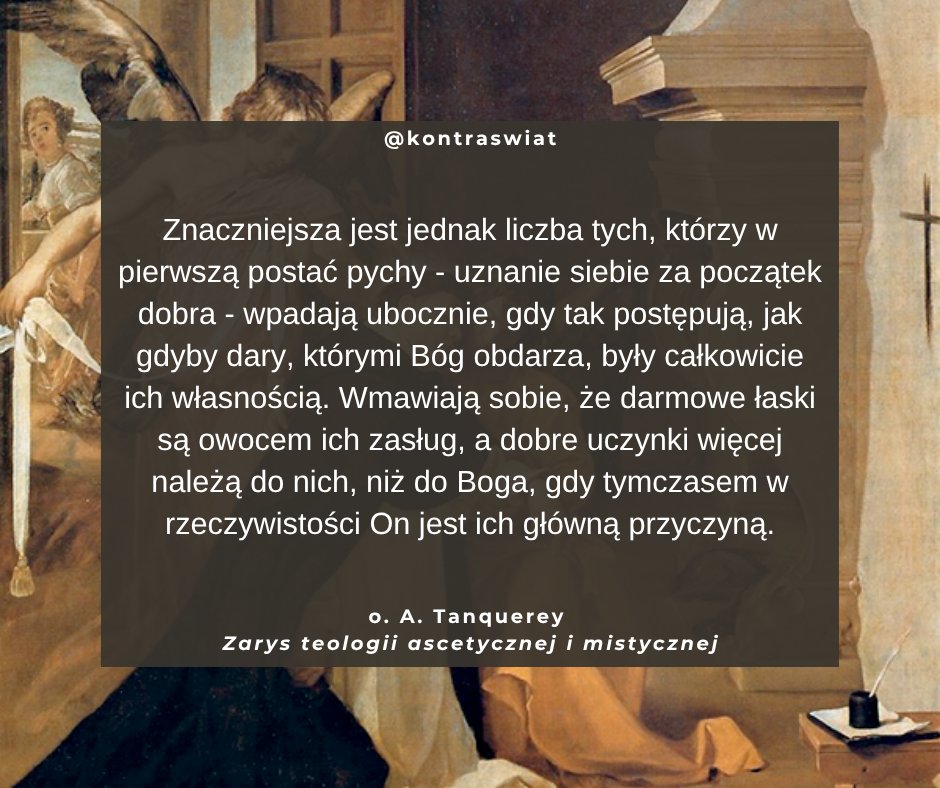
Druga postać pychy polega na uznaniu siebie za ostateczny cel: dobrych uczynków nie odnosimy do Boga i chcemy, aby nas chwalono za nie, jak gdybyśmy byli ich głównymi sprawcami. Działamy z pobudek egoistycznych, troszcząc się niewiele o chwałę Bożą i dobro bliźniego.
18.06.1649 r. - Powstanie Chmielnickiego:
Zwycięstwo wojsk polsko - litewskich nad kozackimi w bitwie pod Zahalem.
Polsko-litewski oddział pod dowództwem Waleriana Falenckiego i Jana Donowaja, rozbił 3-tysięczne siły Kozaków.
Wojska Rzeczypospolitej były zmuszone okopać się i odpierać zmasowane ataki.
O losach bitwy zadecydował manewr odsieczy, która uderzyła na tyły Kozaków, umożliwiając obozującym siłom wyjście w pole i przypuszczenie zwycięskiego ataku
Kozacy stracili około 1 600 ludzi, a ich dowódca, pułkownik Ilja Hołota, zginął.
Polskie straty były stosunkowo niewielkie i wyniosły 216 zabitych oraz rannych.
W pierwszą postać pychy - uznanie siebie za początek dobra - wpada się częściej ubocznie, gdy dary, którymi obdarza Bóg, uważa się wyłącznie za swoją własność. Wmawia się, że darmowe łaski są owocem zasług, a dobre uczynki więcej należą do nas, niż do Boga. Jest zaś odwrotnie.