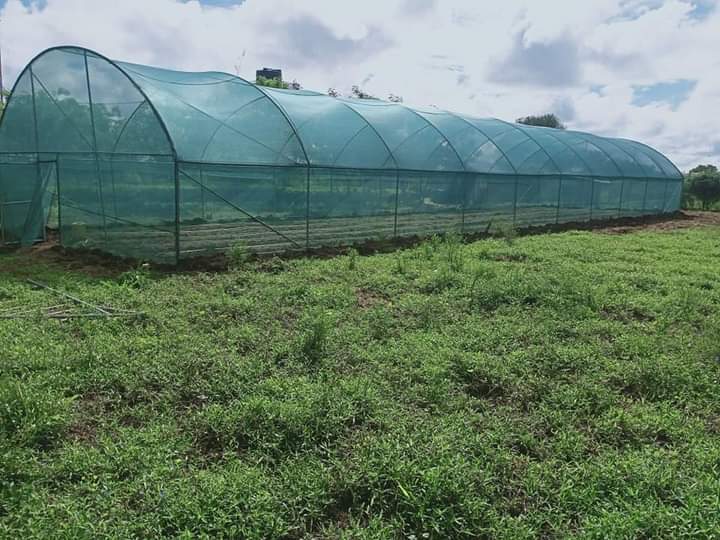
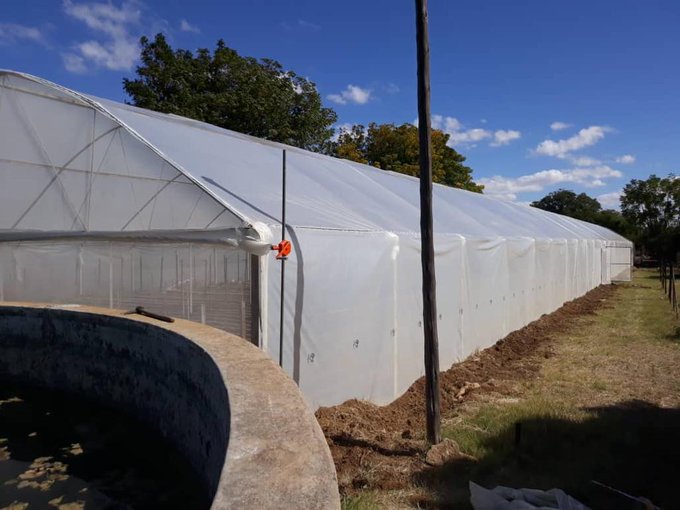
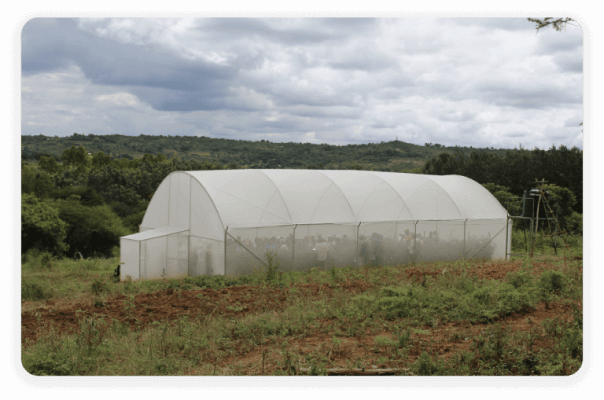
Benefits of using Shade Houses:
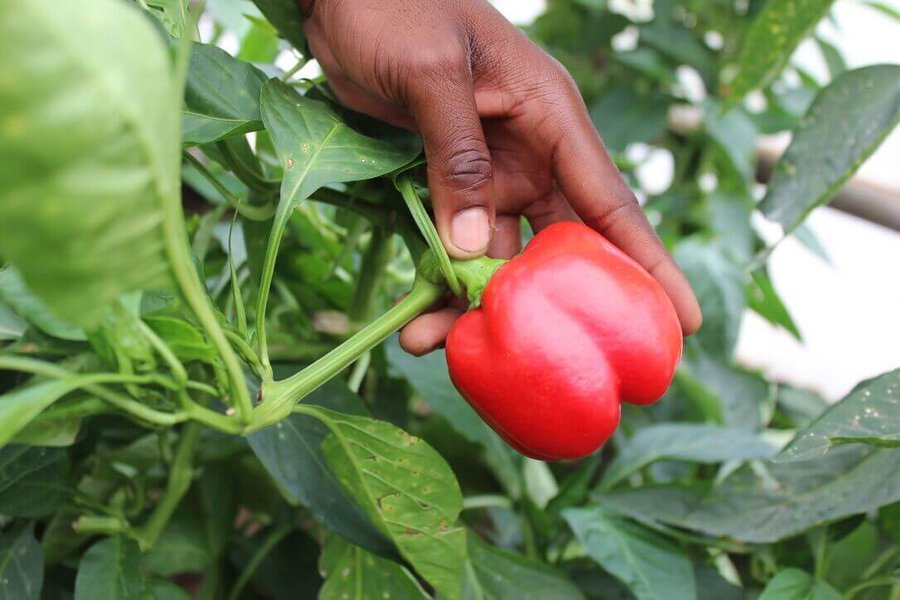
1. Shade houses minimize crop damage from pests and diseases by providing a physical barrier that protects crops from attack by pests.
2. Shade houses improve crop quality by protecting them from pests, diseases and harsh climatic conditions.
3. Shade houses provide optimal growing conditions which results in higher yields.
4. By minimizing water evaporation shade houses promote efficiency in water usage.
For more information on shade houses call: 0732957984 or email: [email protected]
#climatesmartagriculture #ClimateAdaptation
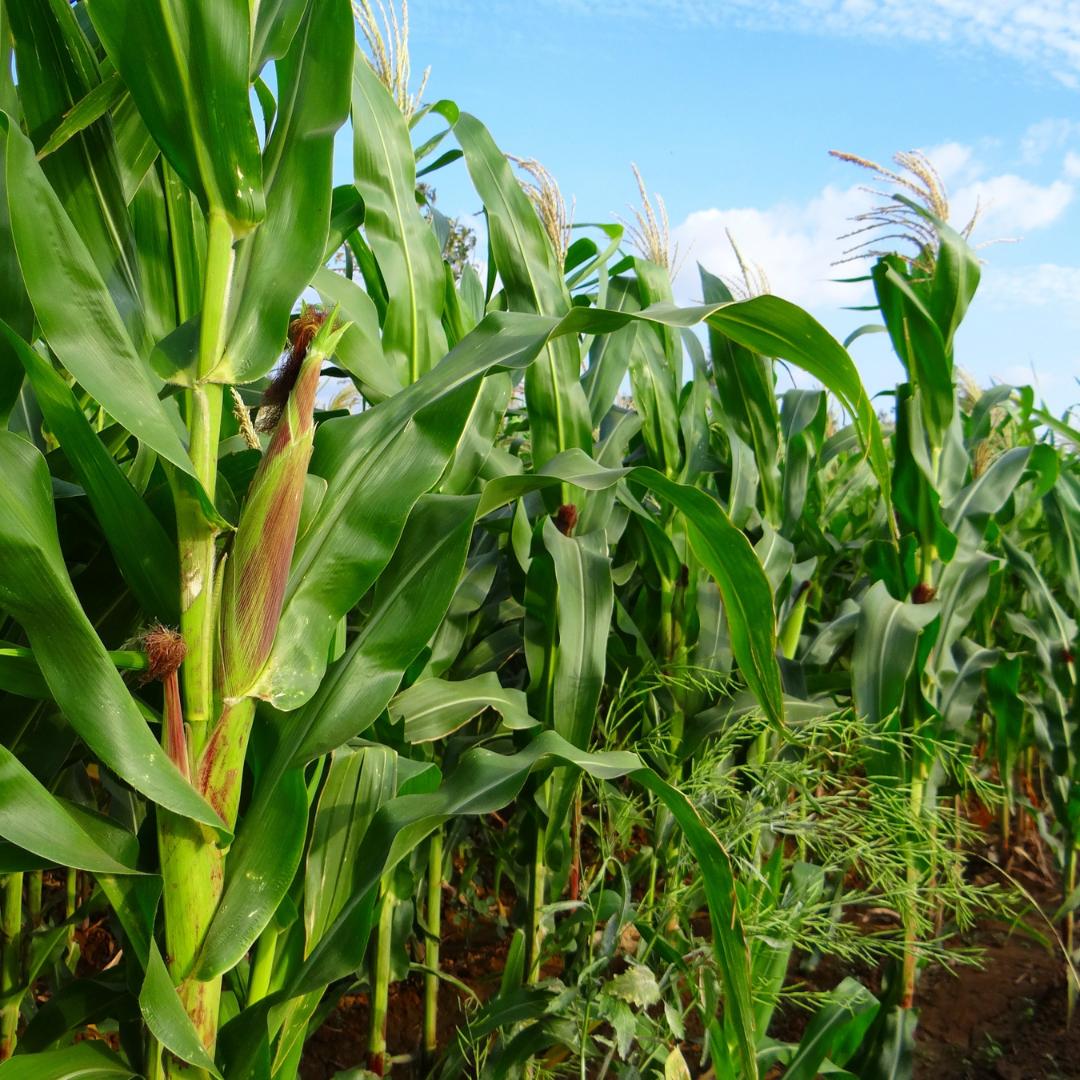
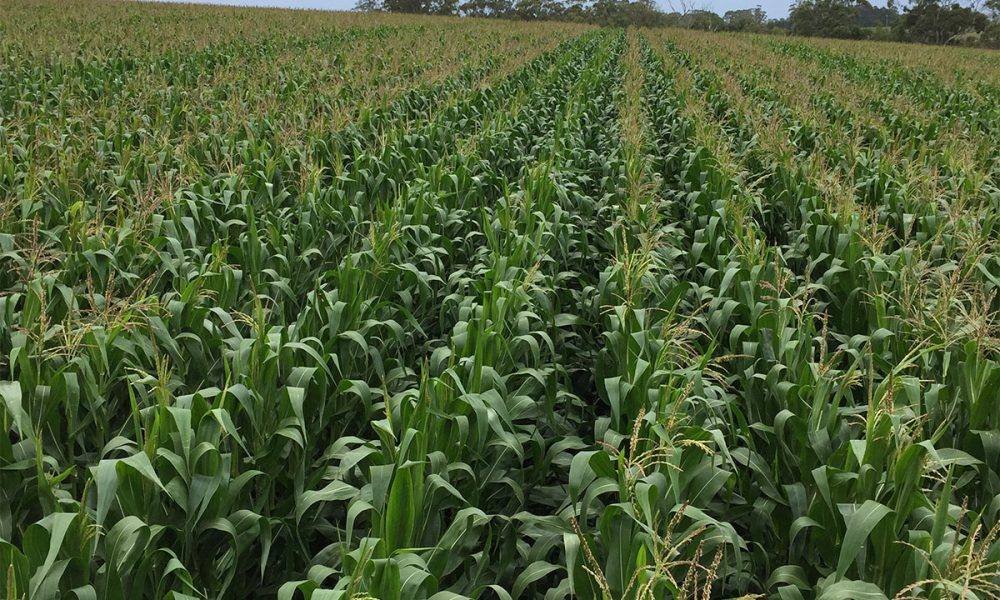
PLANTS TO AVOID GROWING NEAR CORN
Avoid planting any of the following next to corn:
1. Tomatoes: Corn and tomatoes are sought out by the same or similar pests, such as tomato hornworms and corn earworms, which will both feed on either plant.
- Thread -
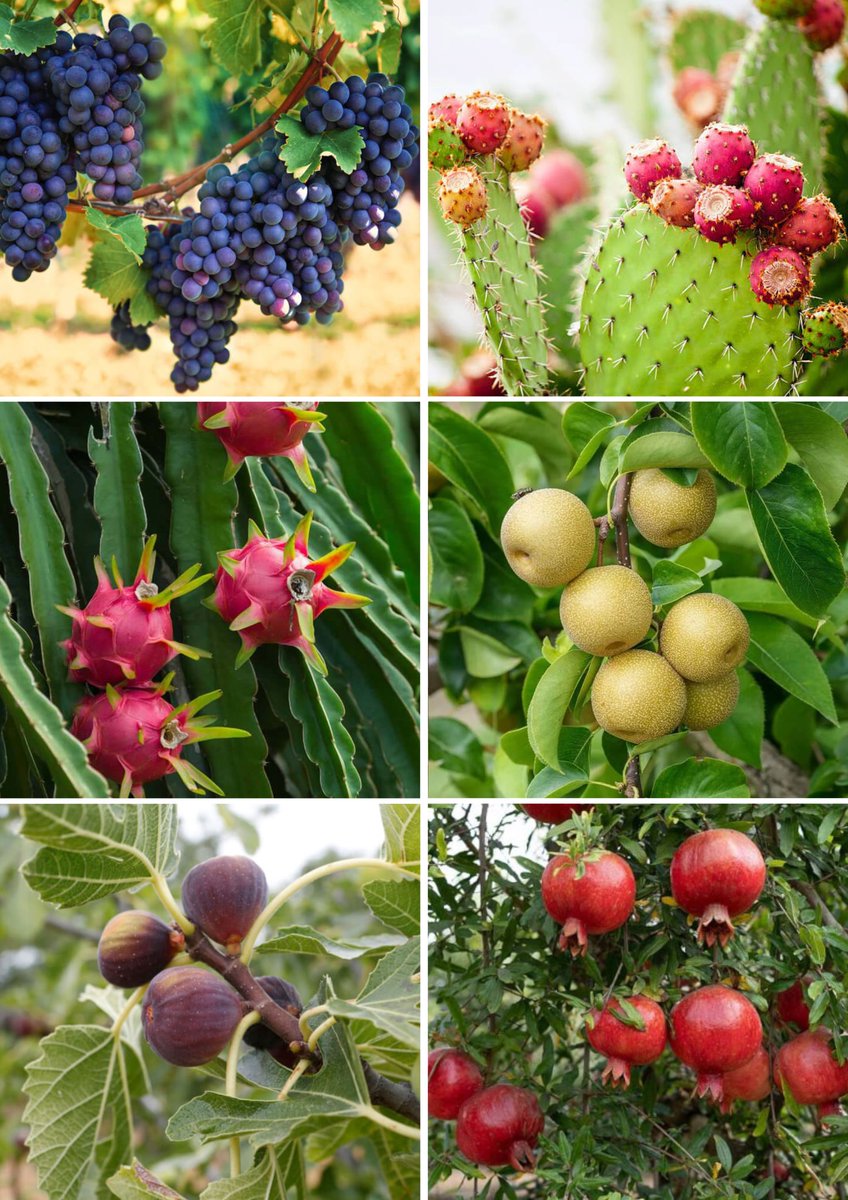
Fruit Trees That Can Tolerate Drought
-Almonds, figs and olives are the most drought tolerant.
-Apples, cherries, apricots, pears and plums are somewhat drought tolerant.
-Nectarines, peaches and citrus need adequate water to survive.
Lemon balm
-Lemon balm is an herb from the mint family.
-It is used to reduce stress and anxiety, promote sleep, improve appetite, and ease pain and discomfort from indigestion.
-This plant has a strong lemon scent that mosquitoes detest.
By establishing effective market linkages, farmers gain access to a broader consumer base, leading to increased sales and improved livelihoods. This connection can be facilitated through various means, such as digital platforms, co-ops, or direct partnerships with retailers.
We understand that water is a valuable resource. Our irrigation systems are designed to minimize water wastage, promote water conservation, and maximize its utilization, helping you farm sustainably while protecting the environment. #WaterConservation#SustainableFarming
Due to uncertain rains and climate changes, farmers are facing difficulty to be profitable nowadays. Greenhouse farming allows farmers to cultivate in a controlled environment.
Grow your business with Wikzera through our comprehensive solutions.
#FarmingRedefined
In our #FarmFriday series today we talk about another Synnefa product, the Synnefa NetHouses, the future of sustainable farming!
Ready to transform your gardening experience? Grow your favorite vegetables, fruits, and flowers all year round, protected from pests and harsh weather.
Say goodbye to seasonal limitations and hello to year-round, fresh produce and vibrant blooms.
Learn more: https://t.co/U2eKftw5xy
#SustainableFarming #GreenThumb #YearRoundGardening #SynnefaNetHouses
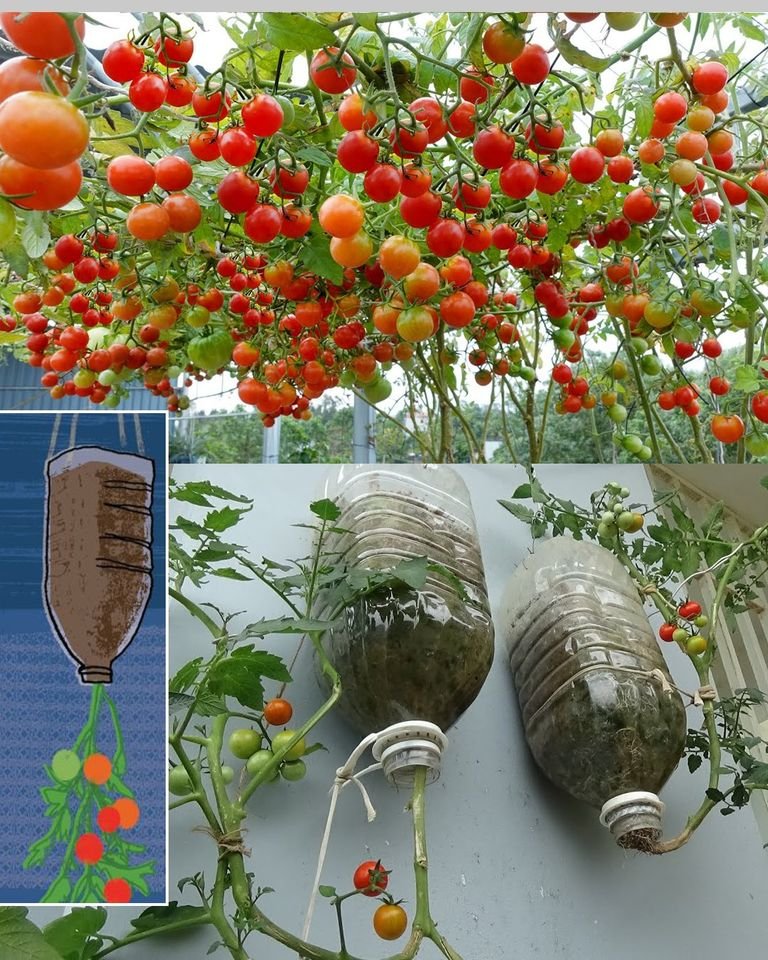
To grow tomatoes upside down in plastic bottles, cut a hole in the bottom of the bottle for the plant, fill it with soil, hang it upside down, and water regularly.
Youth are involved and invest in activities that support agricultural production, capacity building, goods and services, logistics and value addition as service providers and entrepreneurs. And of course, youth are also farmers. #Agri4Value
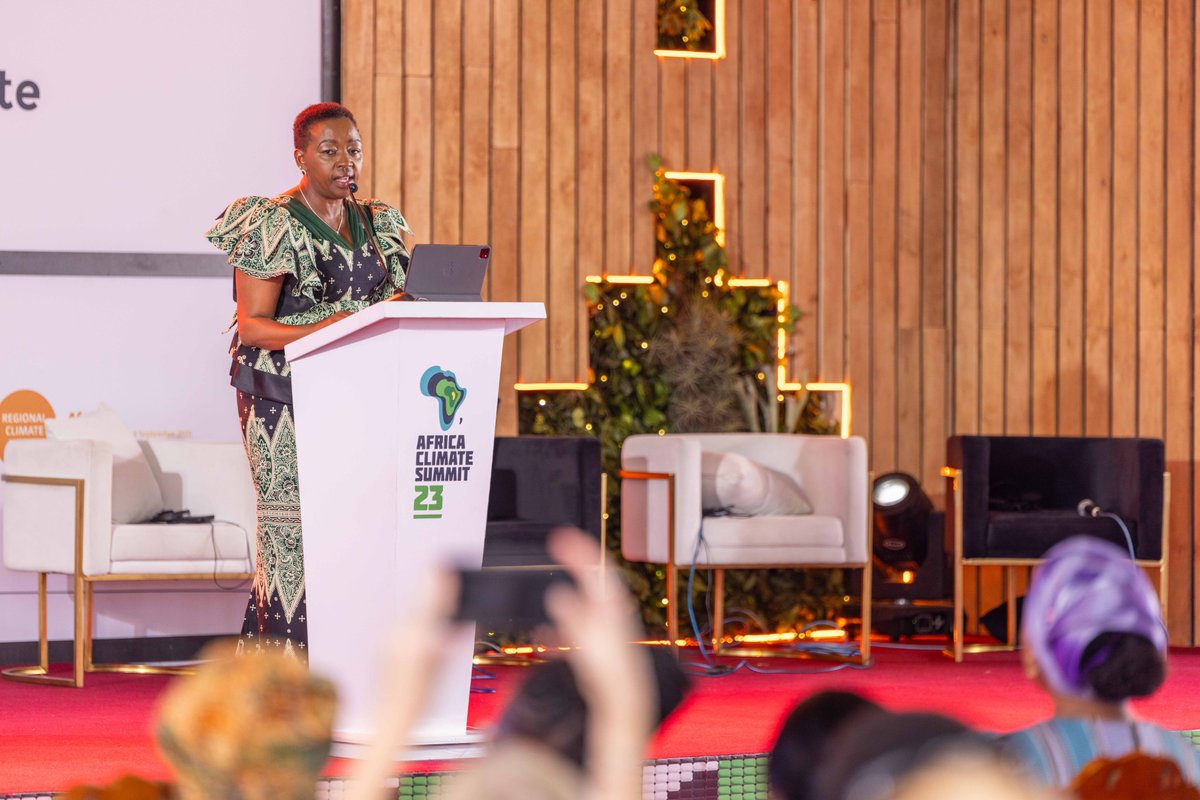
Africa is at the forefront of the green economy, and we have a unique opportunity to create a more equitable and prosperous future for all. Investing in the youth and women will give them the skills needs to unlock the potential of the green economy. #AfricaClimateSummit23
Irrigation solutions are customised and personalised based on your needs and key insights into your operations. Contact Wikzera to discuss the specifics of your irrigation solution.
FAQ: What is the cost of an irrigation system?
The cost of a complete irrigation system varies, depending on the choice and capacity of the irrigation system, as well as the demands of your crop and farm.
capacity, compared to small scale farms. On the other hand, a larger farm’s running cost per hectare in terms of operational expenses, equipment and components associated with irrigation systems, may be lower.