The American bird conservancy reports that "grassland birds such as the Western meadowlark (Sturnella neglecta) are experiencing the fastest declines of any bird group in North America. This group of birds has experienced a more than 40 percent decline since 1970."
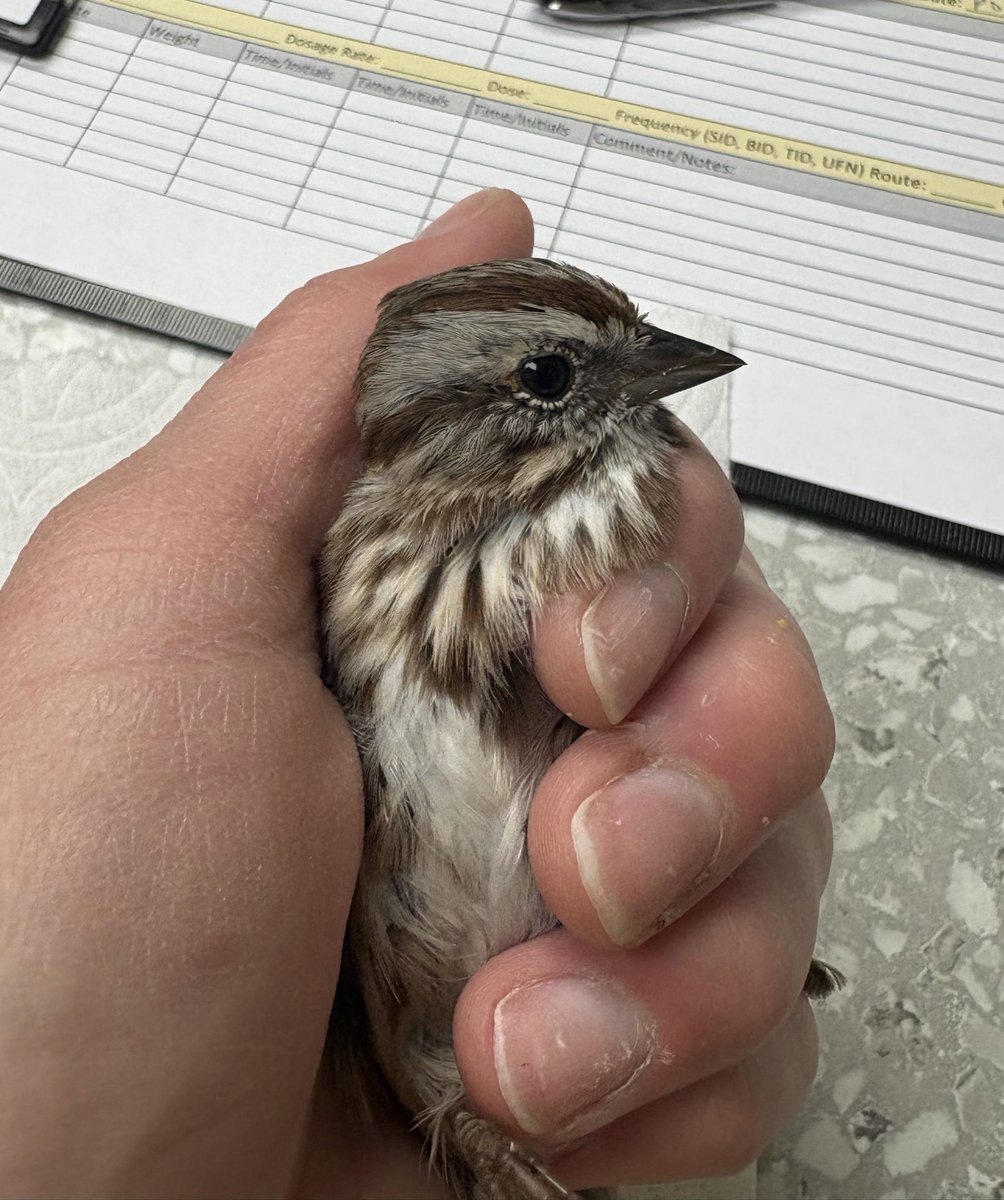
Song sparrows (Melospiza melodia) are widespread across the US but are diverse in coloration and size. Cornell lab reports that Alaska’s Aleutian Islands' birds are 1/3 longer than eastern-dwelling birds.
One of our top intake reasons is birds that have collided with windows. Learn about implementing window treatments, turning off exterior lights, and more ways to help birds avoid this deadly hazard on our website!
If you do not already have a designated charity, please consider adding us as your charity--our code is NL019--or you can search "Wildlife Center of Salt Lake" and save. Every time you shop at Smiths--a donation is made at NO COST to you!
We get a lot of calls about this type of duck--which is not a duck at all but a type of rail (related to cranes!) The American coot (Fulica americana) is a Utah waterbird with a feisty personality. WOOT WOOT FOR COOTS!
Larger raptors can live well into their 30s, though longevity varies by species and environmental factors. Banding data helps to provide this important information with the oldest recorded wild Prairie Falcon (Falco mexicanus) documented to have lived to at least 17 years.
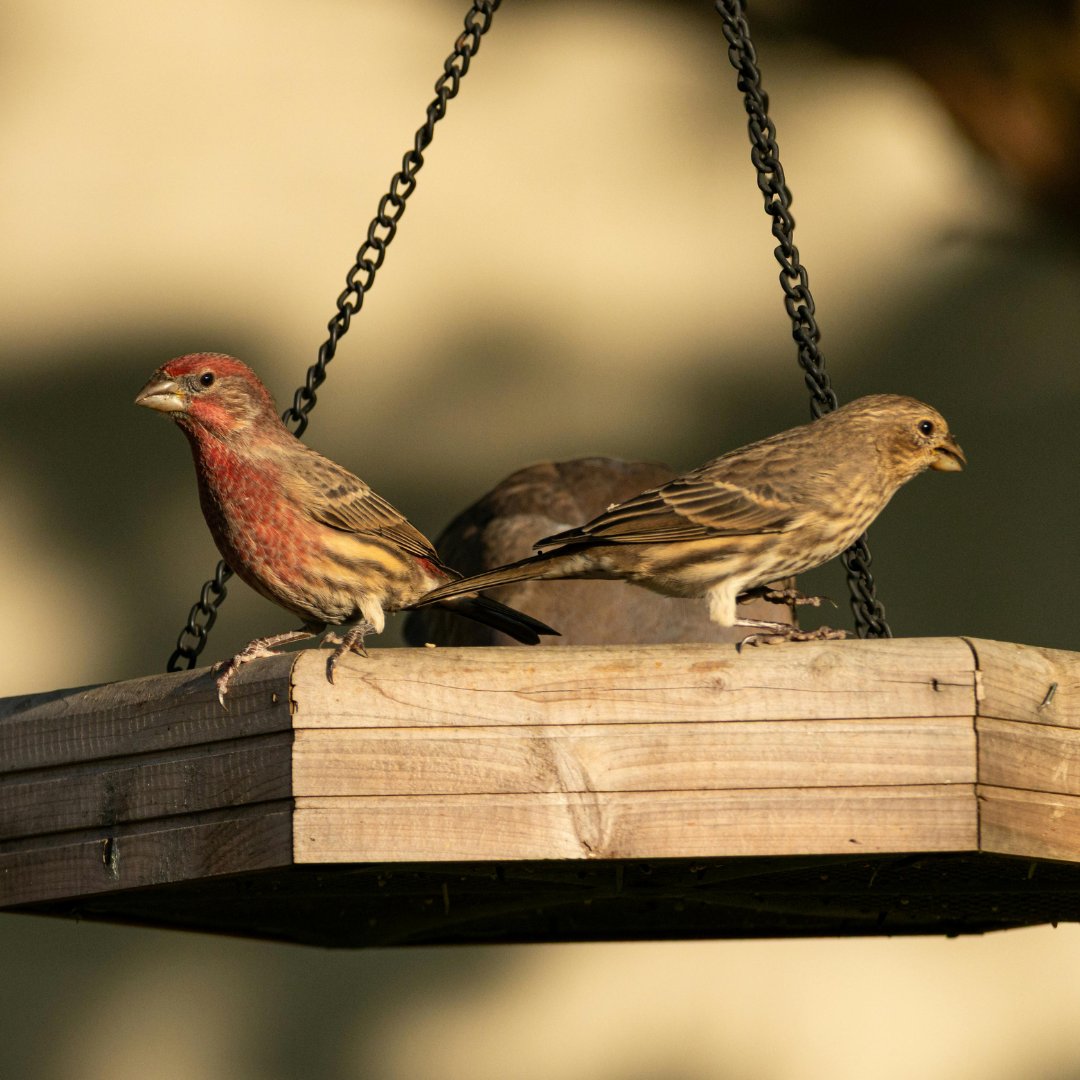
Did you know? House finches (Haemorhous mexicanus) exhibit dichromatism, meaning that the males and females have different color variations. Do you see House finches at your bird feeders?!?!
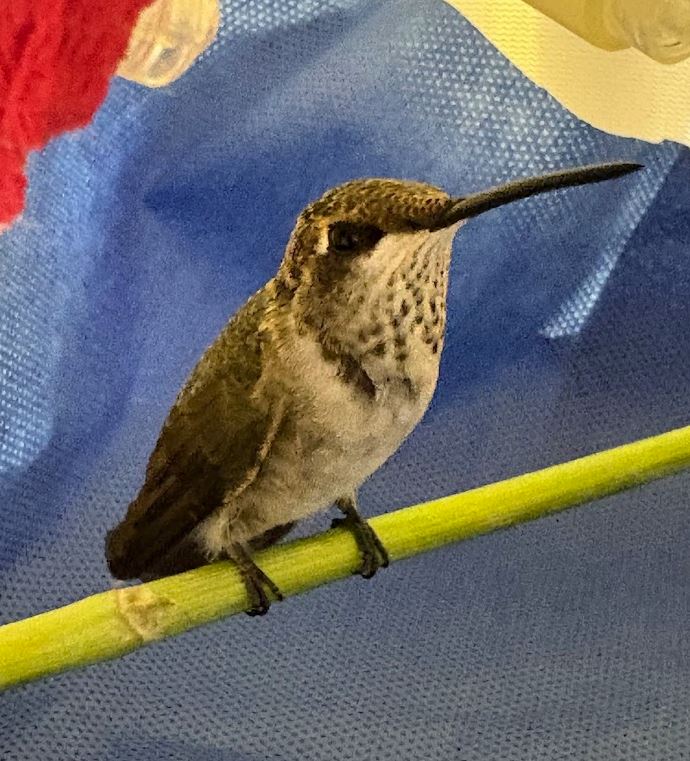
Did you know? Hummingbird species, like this Black-chinned hummingbird (Archilochus alexandri), use spider webs (thought not exclusively) to build their nests, making them small but resilient! (Pictured is a juvenile)
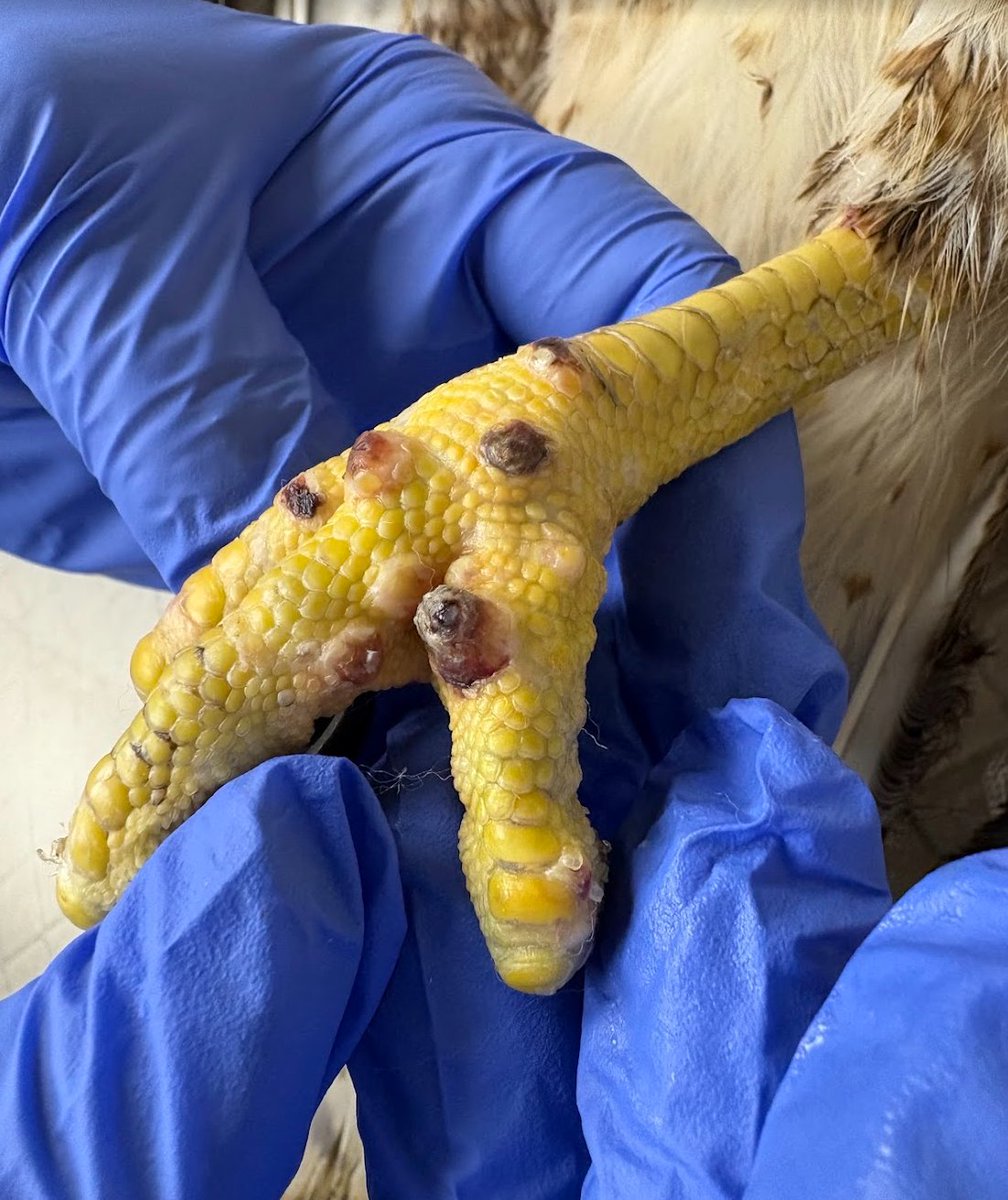
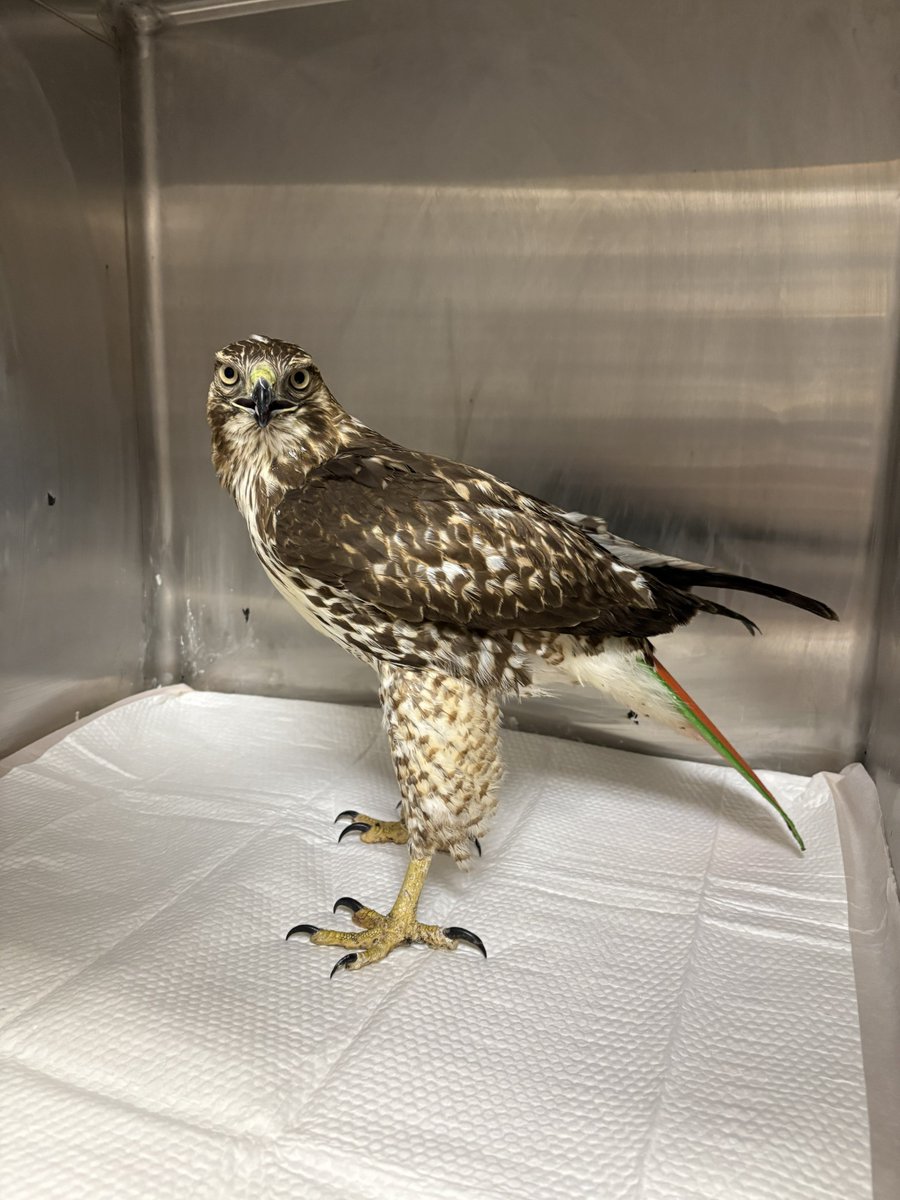
Avian poxvirus is a disease that Wildlife Center of Salt Lake sees in raptors and songbirds. It presents as lesions on the legs, feet, face, and mouth. This Red-tailed hawk (Buteo jamaicensis) has a mild case but will still be in care for several weeks.
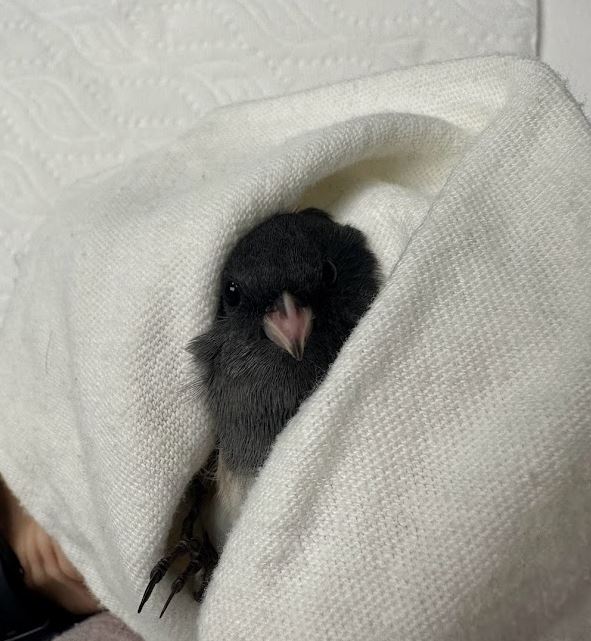
Dark-eyed juncos (Junco hyemalis) are one species that you can see in Utah year-round! While some of them migrate south, others migrate altitudinally and end up in the valley during the colder months. We love this spicy little Utah resident!
Bands, bands, bands! Banding birds helps to track their movement and lifespan, informs wildlife management decisions and helps us determine survivability after rehab!
One of the most beautifully understated birds in North America, the Song Sparrow (Malospiza melodia) are known for their song variety. Its even in their name!
Have you ever taken a bite out of your burrito at a stop light? Well so has this guy (or rather a conspecific). A May 2025 Smithsonian article by @SarahKuta details a single Cooper's hawk (Astur cooperii) using crosswalk signals for food obtainment. Clever girl.
Did you know? Utah has three species of pocket gopher!
The Northern pocket gopher (Thomomys talpoides) (pictured), the Botta's pocket gopher, and the Idaho pocket gopher.
Northern flying squirrels (Glaucomys sabrinus) can be found in the Northern part of Utah in forested areas! Did you know that this species was in Utah?