Dolphins tend to live in shallow water but can dive up to 250 meters! Dolphins are believed to have the longest memory in the animal kingdom!
#Wildlife#WildlifeRocks
Macaws tounges actually have a bone in them which can be used for tapping into fruits. The average lifespan of a wild macaw is 60, but under the right conditions, they can live to be 100.
#Wildliferocks#wildlifefacts#wildlife
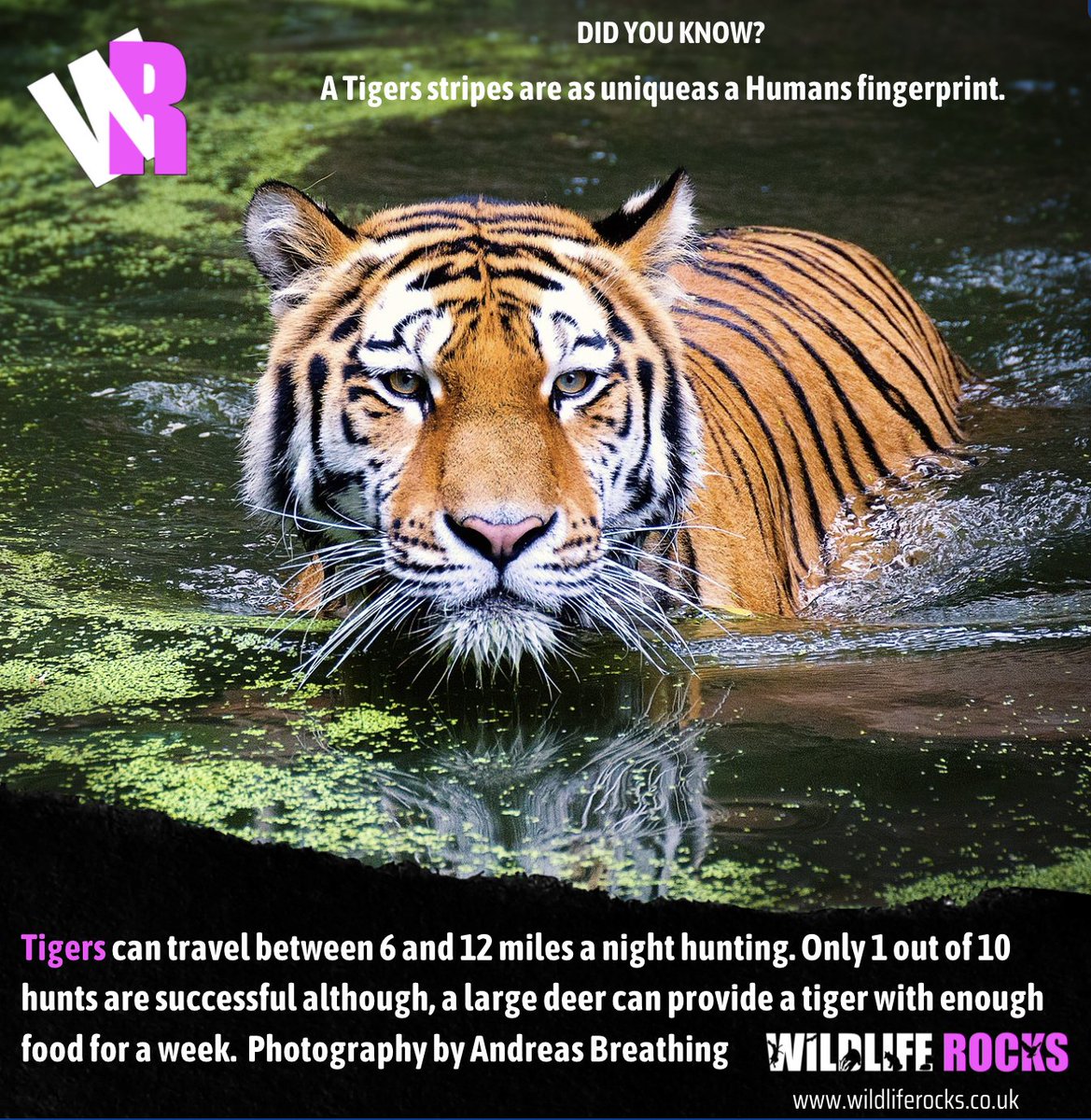
Tigers can travel between 6 and 12 miles a night hunting. Only 1 out of 10 hunts is successful, although a large deer can provide a tiger with enough food for a week.
#Wildliferocks#wildlifefacts#wildlife
Horses have 10 muscles in their ears, whereas Humans only have 3. The earliest horse was only the size of a Labrador about 55 million years ago, only having been domesticated 600,000 years ago.
#Wildliferocks#wildlifefacts#wildlife
Swans are highly intelligent and can remember who has been nice to them. A male is called a Cob and a female is called a Pen.
#Wildliferocks#wildlifefacts#wildlife
Most Penguins live south of the Equator, with only the Galapagos Penguin venturing further North. They can range in size from 33cm (Blue) to 120cm (Emperor)
#Wildliferocks#wildlifefacts#wildlife
There are more than 4,500 species of crabs. They originally showed up during the Jurassic Period, 200 million years ago.
#Wildliferocks#wildlifefacts#wildlife
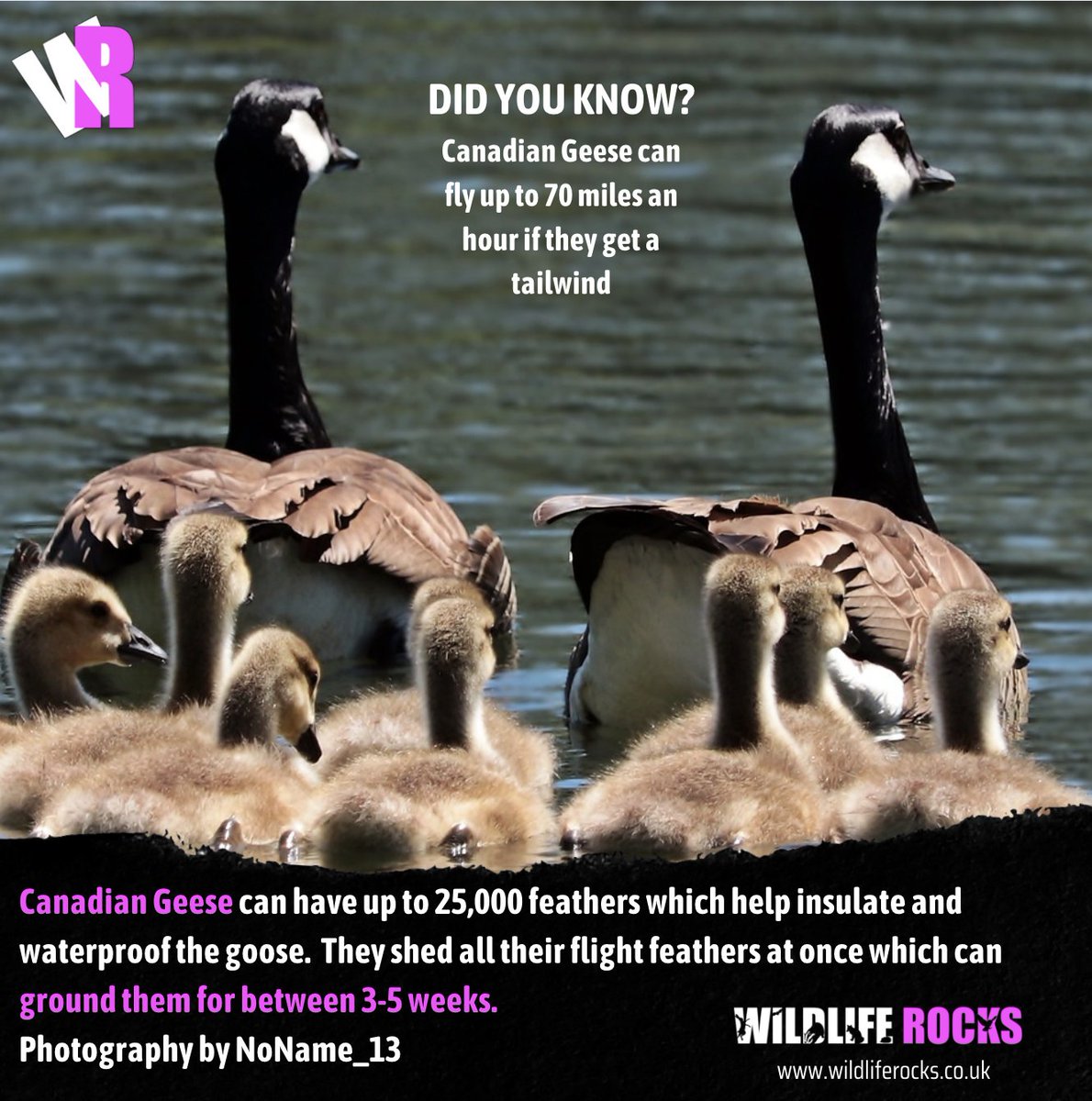
Canadian Geese can have up to 25,000 feathers which help insulate and waterproof the goose. They shed all their flight feathers at once, which can ground them for between 3-5 weeks.
#Wildliferocks#wildlifefacts#wildlife
Despite the name, the Red Panda isn't related to the Giant Panda. They are part of the otter and weasel family. The white part of the face can glow in the dark to help the mum guide her kids.
#Wildliferocks#wildlifefacts#wildlife
Unlike Humans, who are made up of 60% water, Jellyfish are made up of 98% water. They don't have a heart but a nerve system connected to a 'Nerve Net'.
#Wildliferocks#wildlifefacts#wildlife
Lemurs are considered the world's oldest primates arriving 70 million years ago. Scientists think around 65 million years ago they rafted over to Madagascar to create the 112 species we have today.
#Wildliferocks#wildlifefacts#wildlife
Brilliant bees fly at 20mph. They have 5 eyes & 6 legs, so are insects. Losing its stinger means death. Male bees are called drones. Female bees in the hive are called worker bees. The number of eggs laid by the queen bee is up to 2,000 per day. #wildliferocks
Humpback whales have patterns of black and white pigmentation and scars on the underside of their tails that are unique to each
whale, just as fingerprints are to humans.
#Wildliferocks
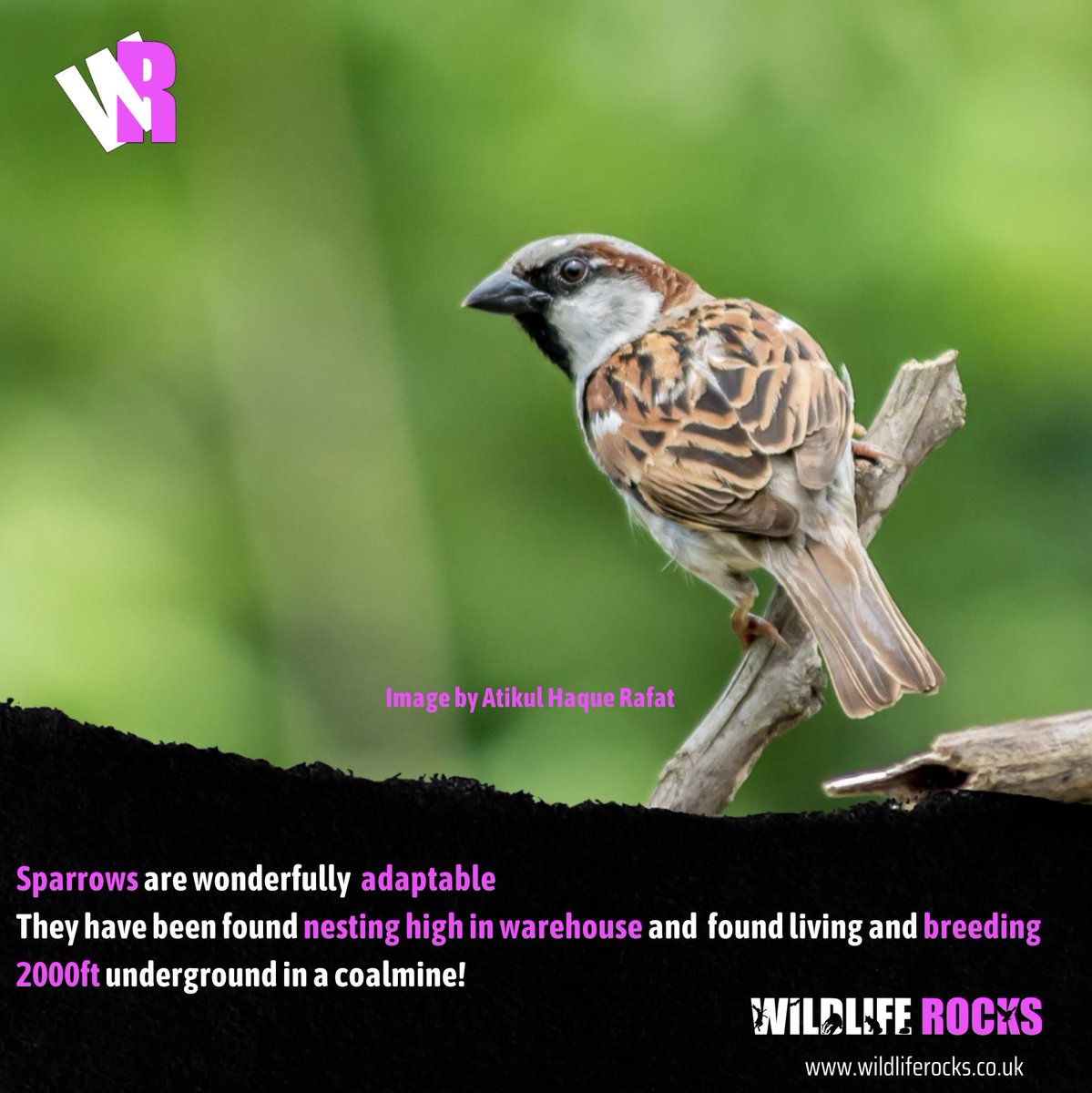
Sparrows are wonderfully adaptable
They have been found nesting high in warehouses and found living and breeding 2000ft underground in a coalmine!
#Wildliferocks
Octopuses are the most intelligent invertebrates.
They have the ability to recognise individual humans. These responses include jetting water, changing body texture, and other behaviours that are consistently demonstrated to specific individuals.
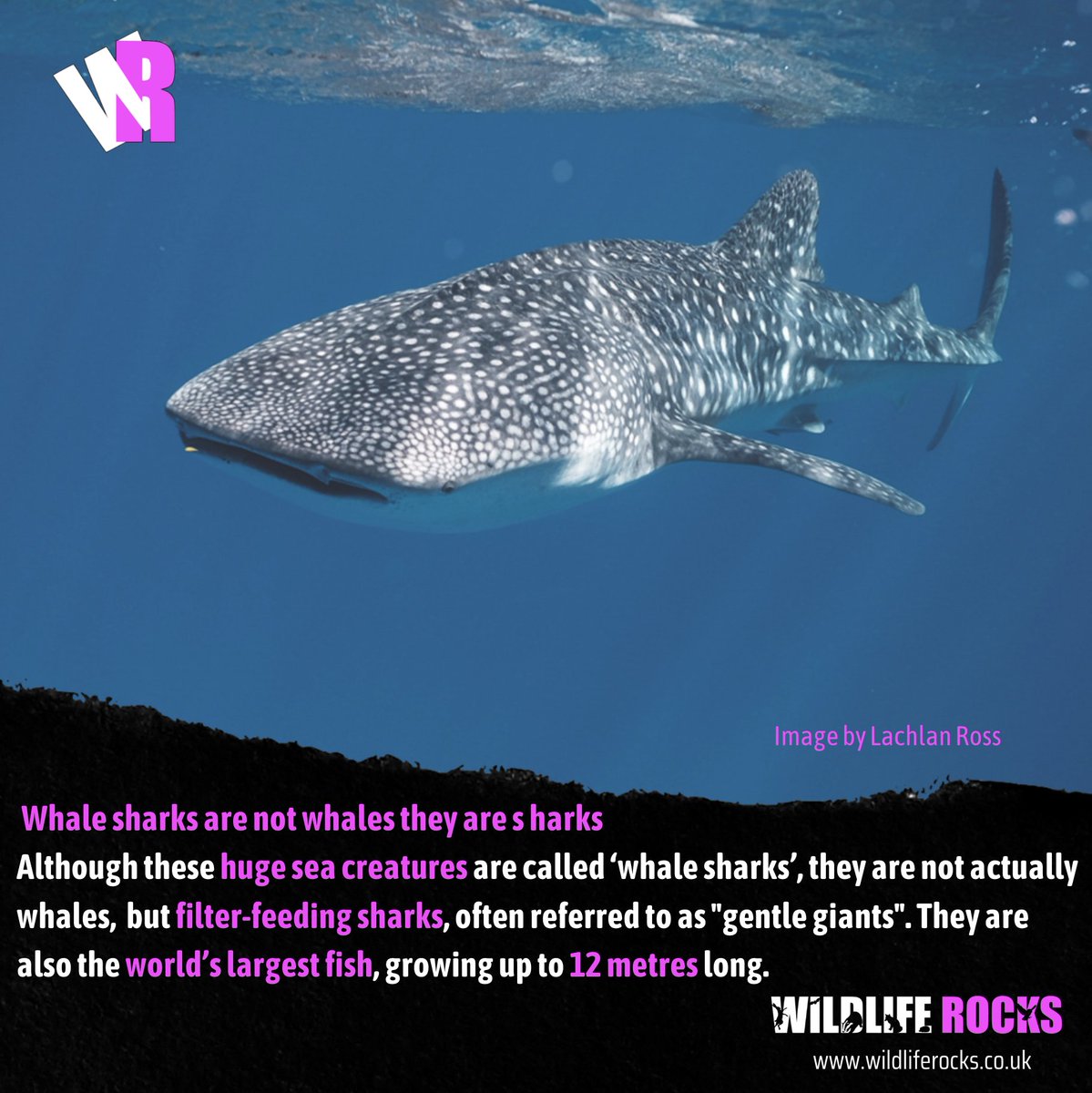
Whale sharks are not whales they are sharks
Although these huge sea creatures are called ‘whale sharks’, they are not whales but filter-feeding sharks, often referred to as "gentle giants" they are also the world’s largest fish, growing up to 12 metres long.
Giraffes are the tallest mammals on Earth. Their legs alone are taller than many humans—about 6 feet. They can run as fast as 35 miles an hour over short distances or cruise at 10 mph over longer distances. A giraffe's neck is too short to reach the ground.
#Wildliferocks