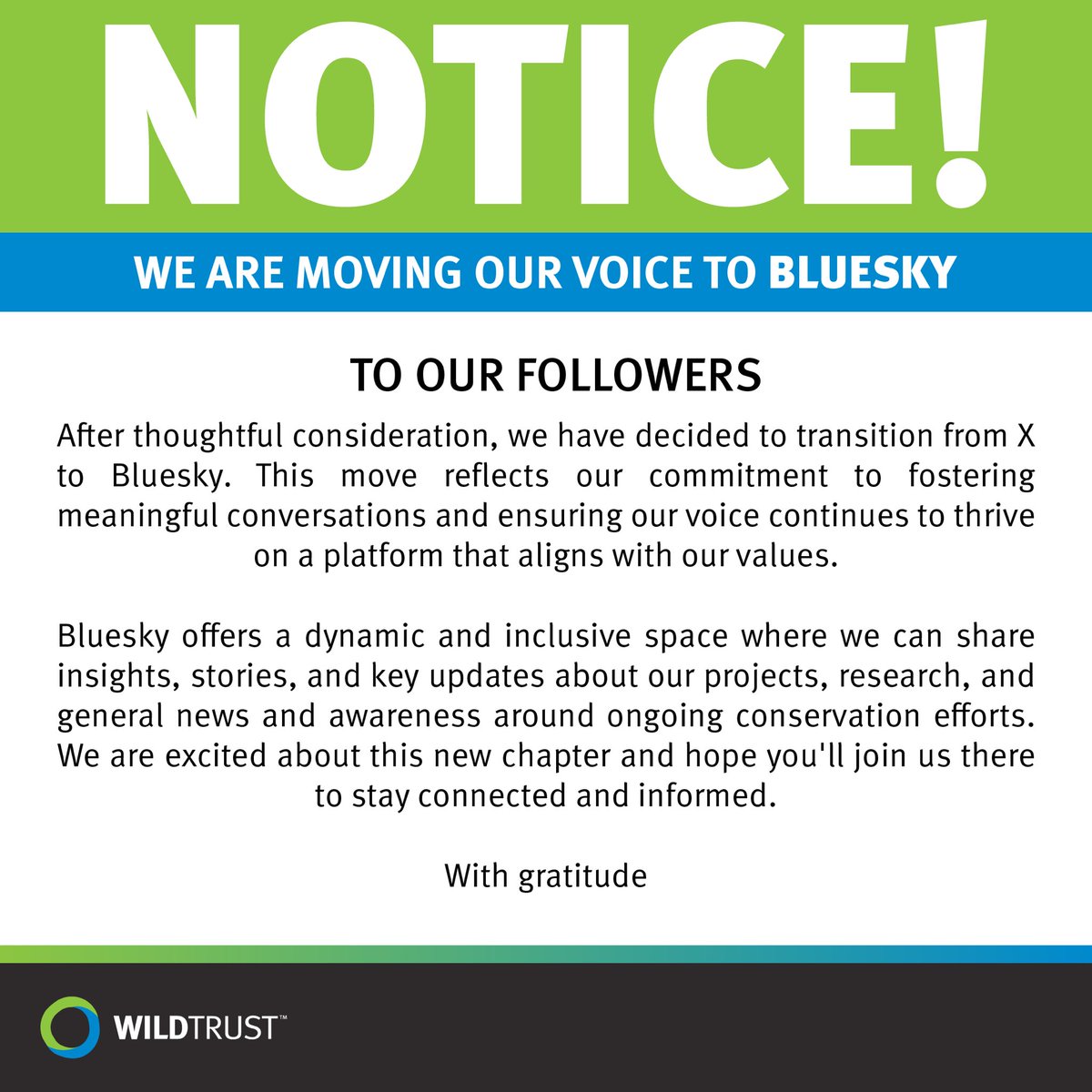
It’s time for us to make a move to new waters - we will no longer be posting on X/Twitter and will be moving over to BlueSky. To continue to receive our updates, follow us on BlueSky: https://t.co/DLGR4pQa3s
Research continues to support that connecting protected areas improves how effectively we conserve the natural environment. In the marine space, combining the knowledge of small-scale fisheries on fish movement with Western science can be used as a key conservation tool in order to achieve this and inform the establishment of new protected areas.
However, this is easier said than done. Bridging the gap between science and real-world action requires a collaborative approach in small-scale fisheries management.
Read the highlights of a recently published paper which offers a practical framework on mainstreaming connectivity in fisheries co-management on:
https://t.co/kvlGqMtiJF
Whale sharks, the largest fish on Earth, can reach an impressive 60 feet in length, and for the first time, researchers may have discovered clues about their mating behaviours.
During a May 2024 expedition to Ningaloo Reef in Western Australia, scientists observed mature male whale sharks following and nipping at smaller females—actions believed to be part of their mating rituals.
Read more about the recent discoveries of Whale Shark mating behaviours: https://t.co/V9j2FQ44UC
Eating shark meat might be riskier than you think.
Consuming shark meat poses significant health risks due to the meat’s high levels of heavy metals and toxins.
Read the article by @SharkSpotters to learn more about the risks, and the studies that have been published, which encourage us to not eat shark meat for our own good:https://t.co/pulApVdzND
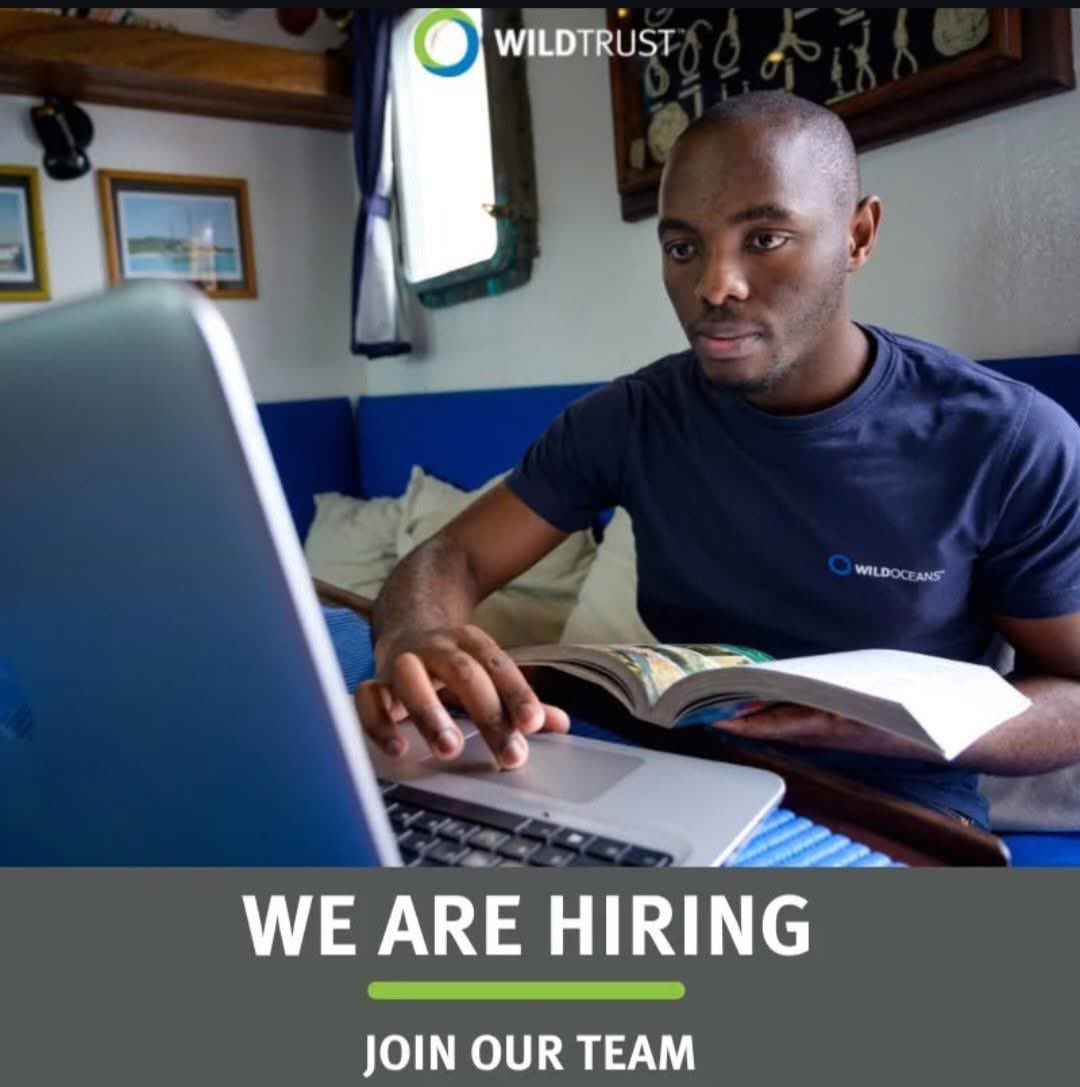
WILDTRUST is seeking qualified candidates for the following positions:
Finance Officer – KwaZulu-Natal
Fundraising & Grants Manager – KwaZulu-Natal
For more information, click https://t.co/ZgydaFROpP
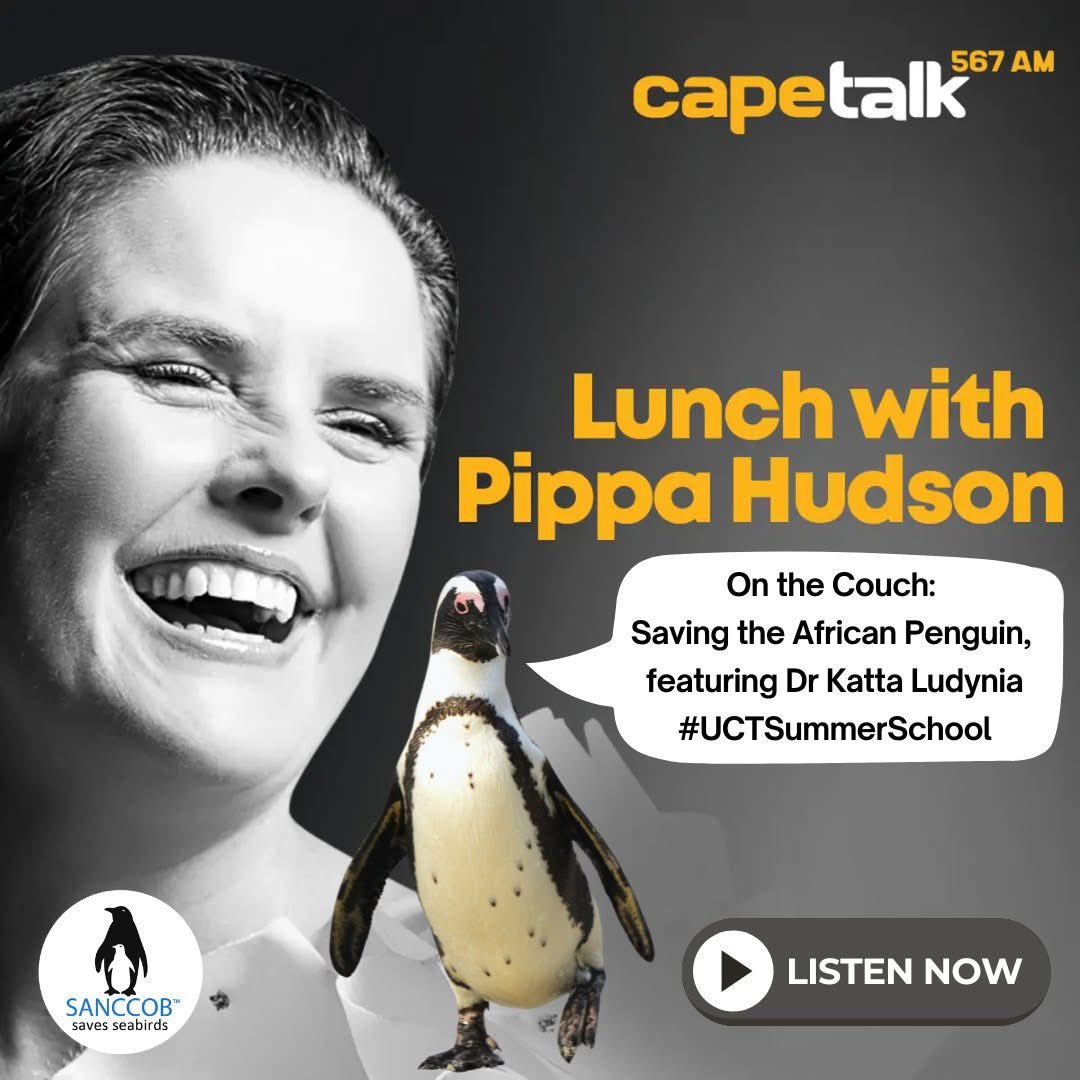
Catch SANCCOB’s Dr Katta Ludynia as she joins Pippa Hudson from Cape Talk to discuss the challenges facing the critically endangered African penguins and the efforts to protect them.
Listen to the full podcast here: https://t.co/8YvJTAST4h
Overfishing threatens the delicate balance of marine ecosystems, pushing many fish species to the brink of collapse and endangering the livelihoods of coastal communities who depend on sustainable fishing practices.
This needs to change.
Despite these alarming consequences, subsidies that fund overfishing and unsustainable fishing practices continue. These subsidies not only fuel harmful practices but also undermine the efforts to conserve fish stocks and restore ocean health.
So this World Fisheries Day, it's time to rethink how we invest in our oceans.
Learn more at https://t.co/NQpnv5vja0
#WorldFisheriesDay #StopFundingOverfishing #SustainableFisheries
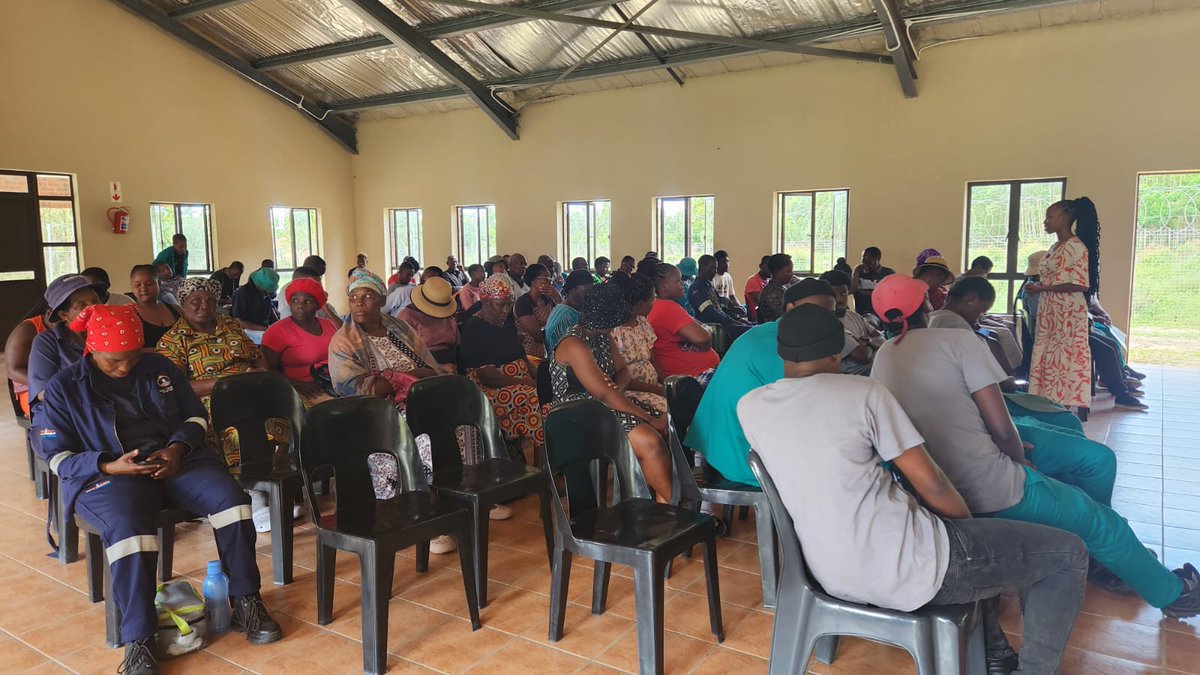
The workshops also explored indigenous knowledge and traditional approaches to managing dune forest systems. By engaging with local communities, the workshops highlighted the invaluable role of traditional wisdom in promoting responsible environmental stewardship.
Last week, Dr. Thobeka Gumede, WILDTRUST’s Coastal Biodiversity Research Scientist, and her team hosted a series of workshops focused on the vital role of coastal dunes and the importance of preserving them, within the iSimangaliso Wetland Park World Heritage Site
These dunes are crucial for preventing storm damage to coastal community areas, and they defend against large waves and storm surges, reducing the risk of flooding and damage to infrastructure.
THREATENED SHARK SPECIES IN SOUTH AFRICA
The dusky shark (Carcharhinus obscurus) is a large pelagic species found in tropical and warm temperate waters around the world, including along South Africa’s east and south coasts.
It’s particularly common in central and southern KwaZulu-Natal, where its nursery grounds lie in shallow coastal areas, while adults roam offshore around the continental shelf.
Despite its wide range, the dusky shark is listed as Endangered due to threats such as overfishing for its high-value fins and low reproductive rate.
Image Credit: Andy Murch | Sharks&Rays
Offshore Oil and Gas Phase 2: Exploration / Test Wells
Offshore well drilling is a high-risk, expensive form of assessment of the quantity & quality of the find, as well as its ease of extraction of commercially viable oil or gas reserves. The drilling depths, geology, weather conditions & distance of the site can all affect the drilling duration which can be anywhere between 4 to 10 years.
If offshore oil and gas is this destructive to our marine habitats, why is South Africa leasing approximately 90% of its oceans to this industry?
Learn more and take action here: https://t.co/RoOm0gigTb
THREATENED SHARK SPECIES IN SOUTH AFRICA
The shortfin mako shark (Isurus oxyrinchus) is a large species found in tropical and warm-temperate waters off South Africa’s coast.
Local fisheries catch around 300-700 tonnes per year, mainly through pelagic longline fishing, with some catches also from KZN’s bather protection programme and other line fisheries.
Their global declining population trend led to the species being listed as Endangered by the IUCN in 2018.
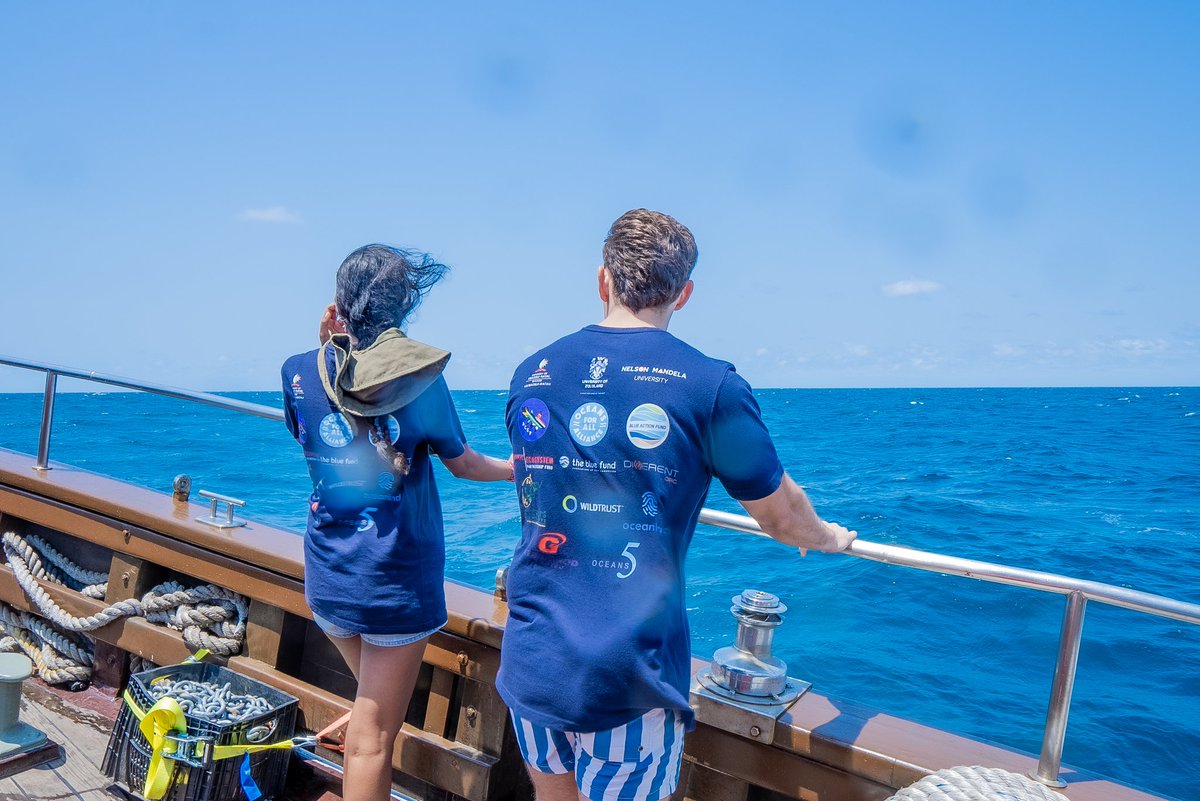
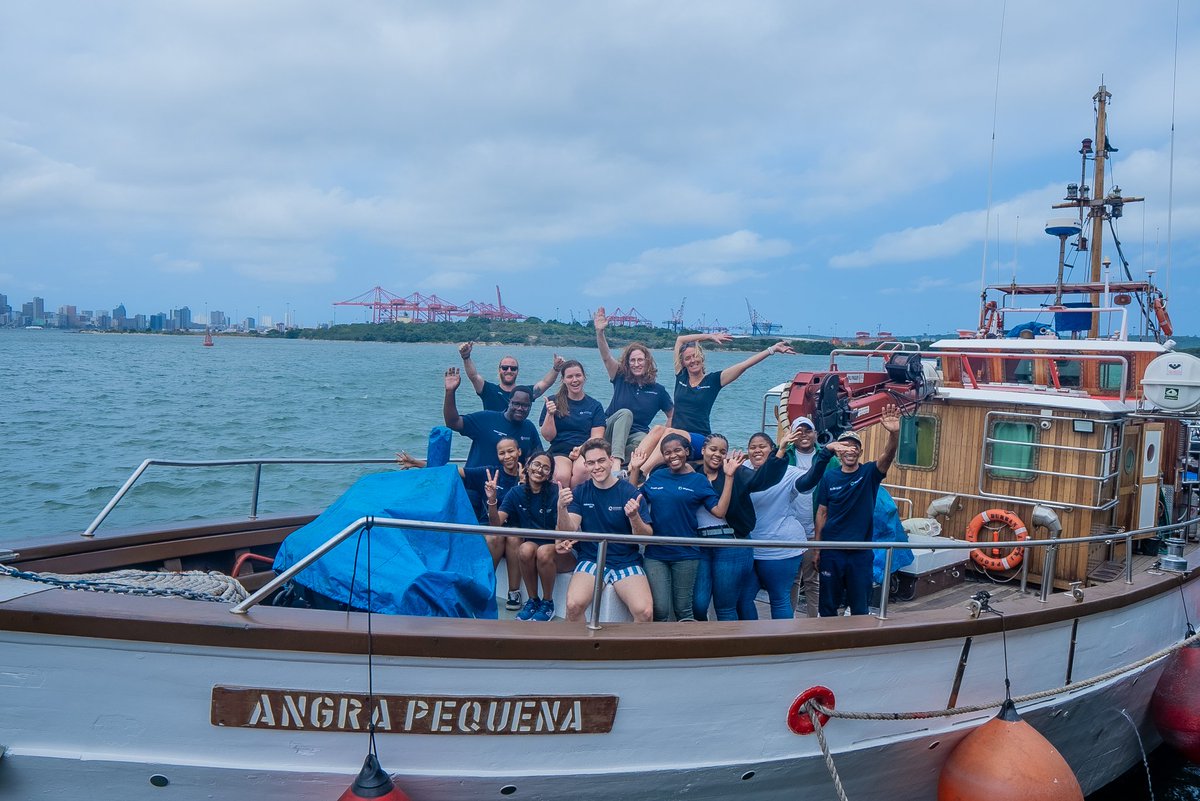
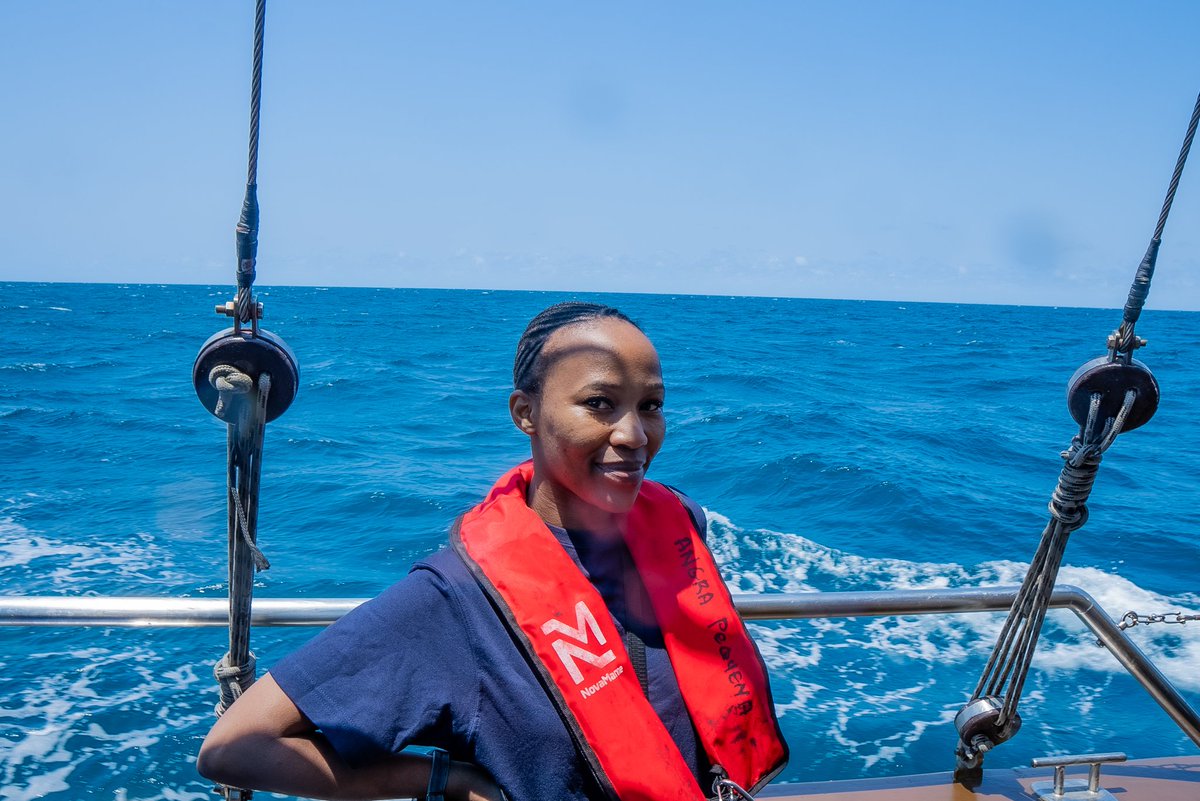
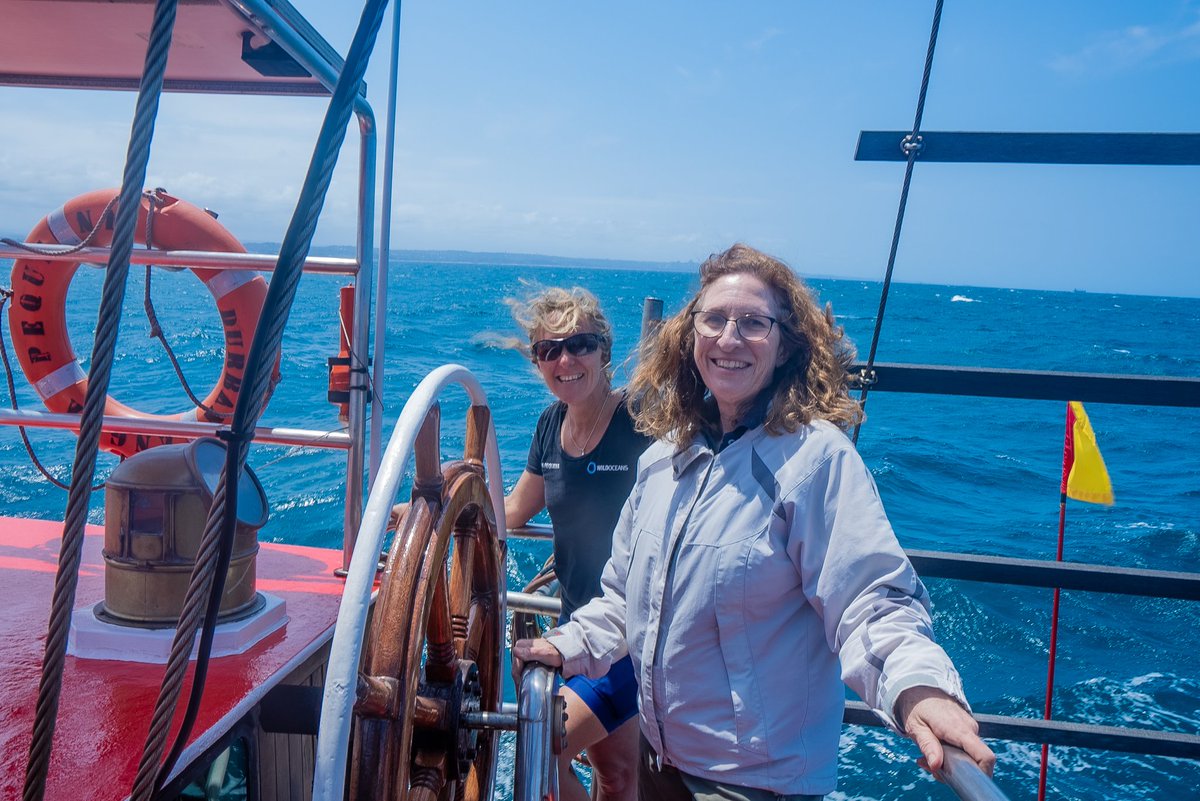
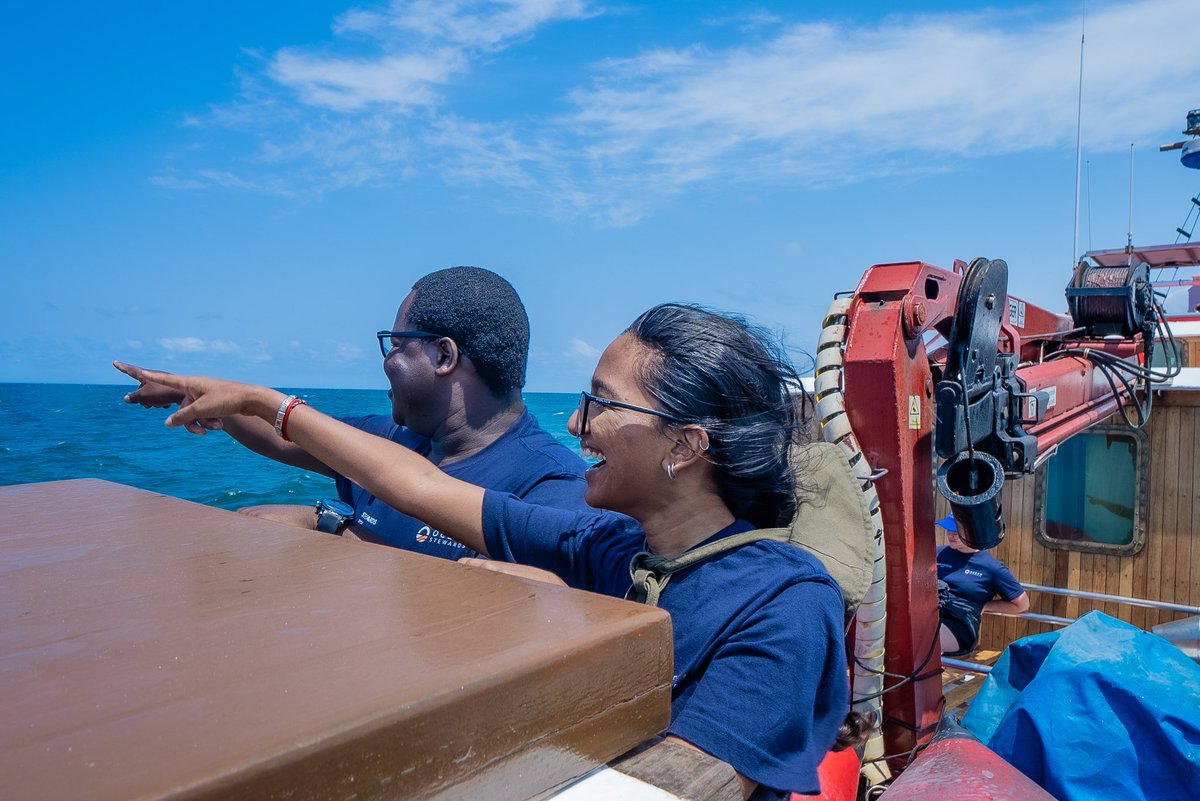
For many of the Ocean Stewards, this trip marked their first sea-going experience, aligning with the project's goal of building capacity among early-career marine science students.
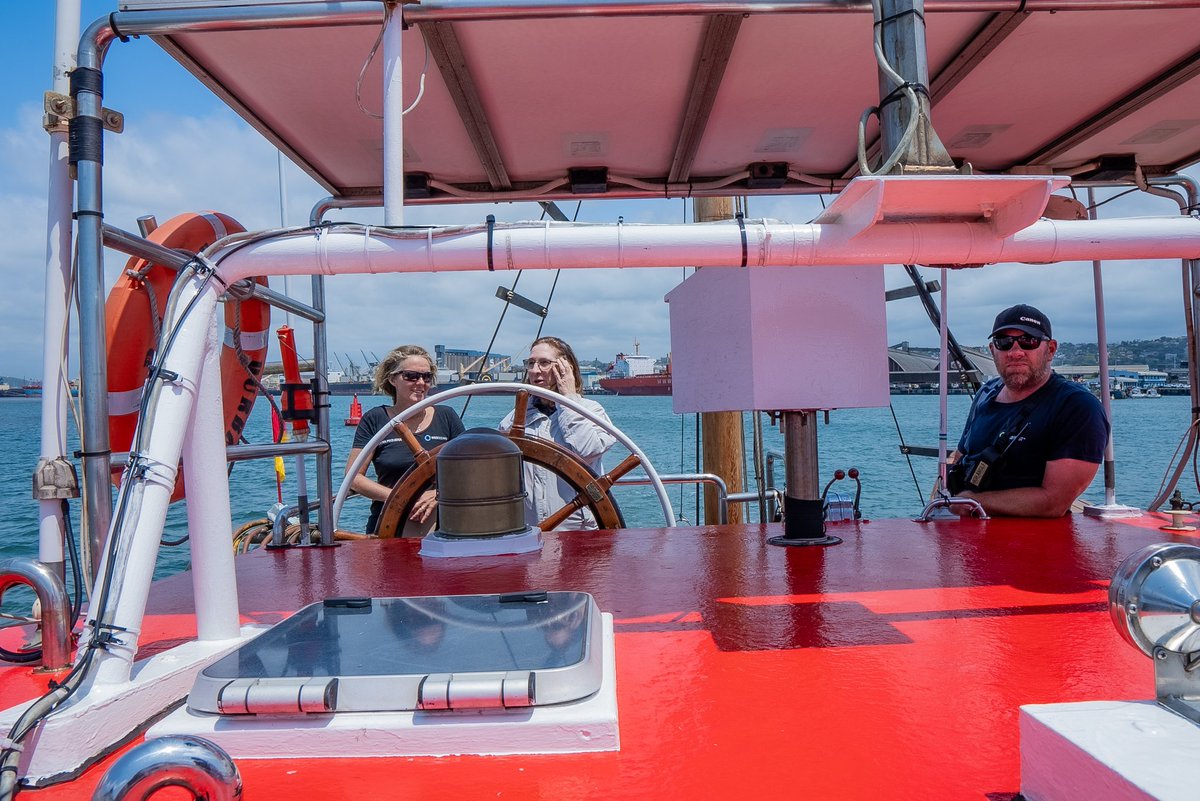
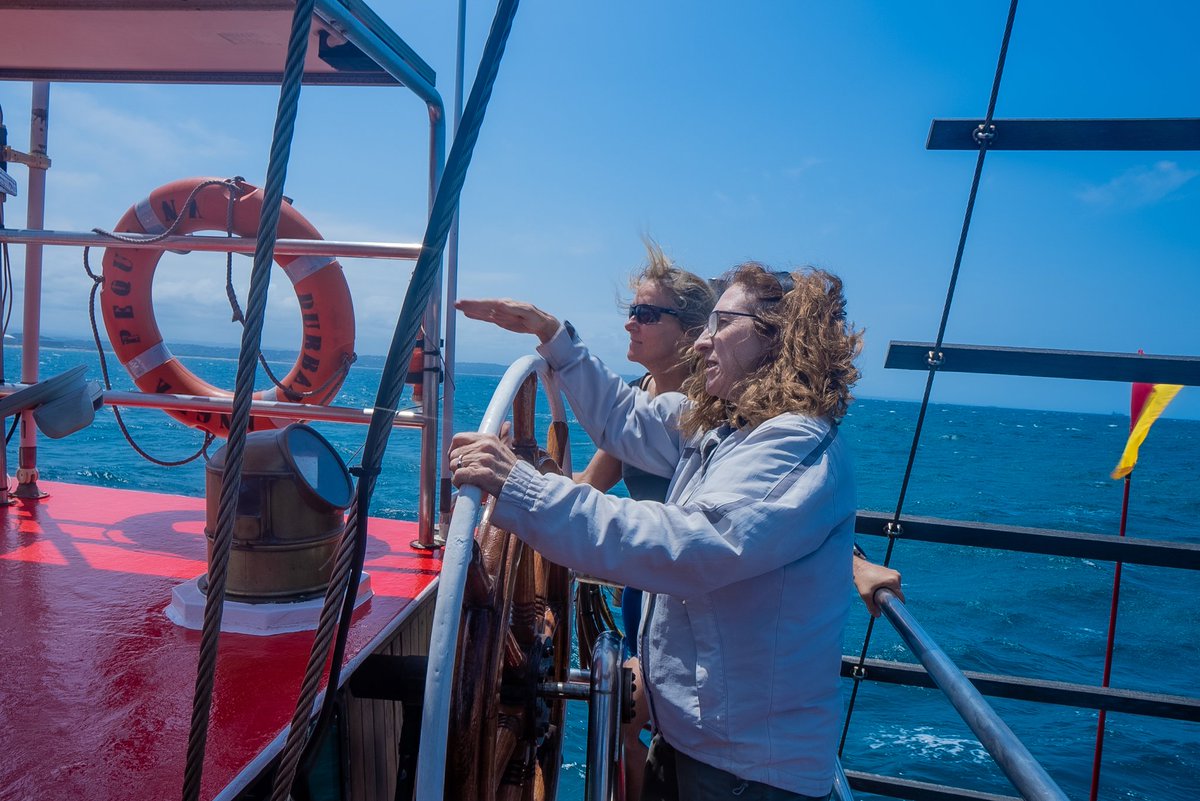
At the beginning of this month, more of the 2024 cohort of Ocean Stewards embarked on their first cruise aboard the research vessel Angra Pequena, in search of whales, seabirds and other marine species.
Guided by Nikki Chapman from WILDTRUST, they learned about the old whaling station and the history of whaling in South Africa as they cruised past it on their journey.
THREATENED SHARK SPECIES IN SOUTH AFRICA
The common smoothhound shark (Mustelus mustelus) is a fascinating medium-sized shark that roams the shallow coastal waters of South Africa.
As of 2020, it has been classified as Endangered, primarily due to fishing pressures and the high demand for its prized meat, often exported to Australia.
Inshore Marine Protected Areas (MPAs) along the west and south coast, and those on the east coast, south of Durban are important in providing safe spaces for this threatened species.
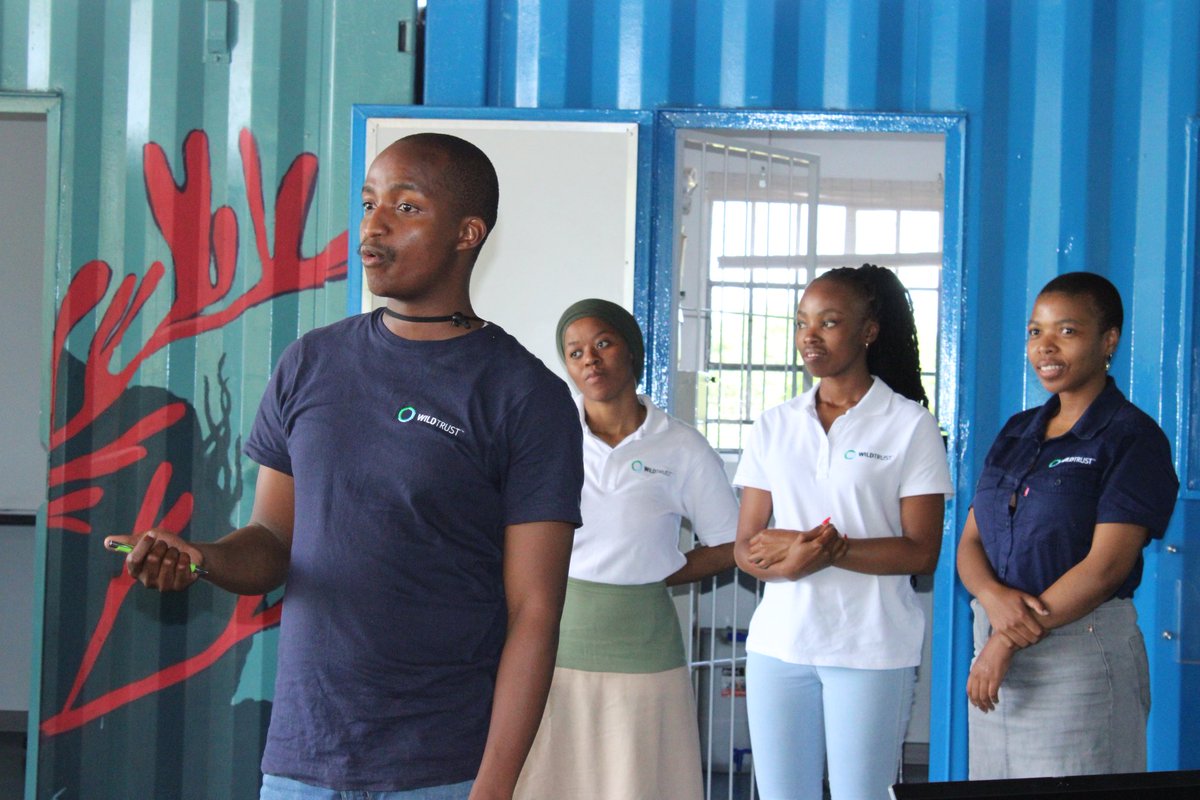
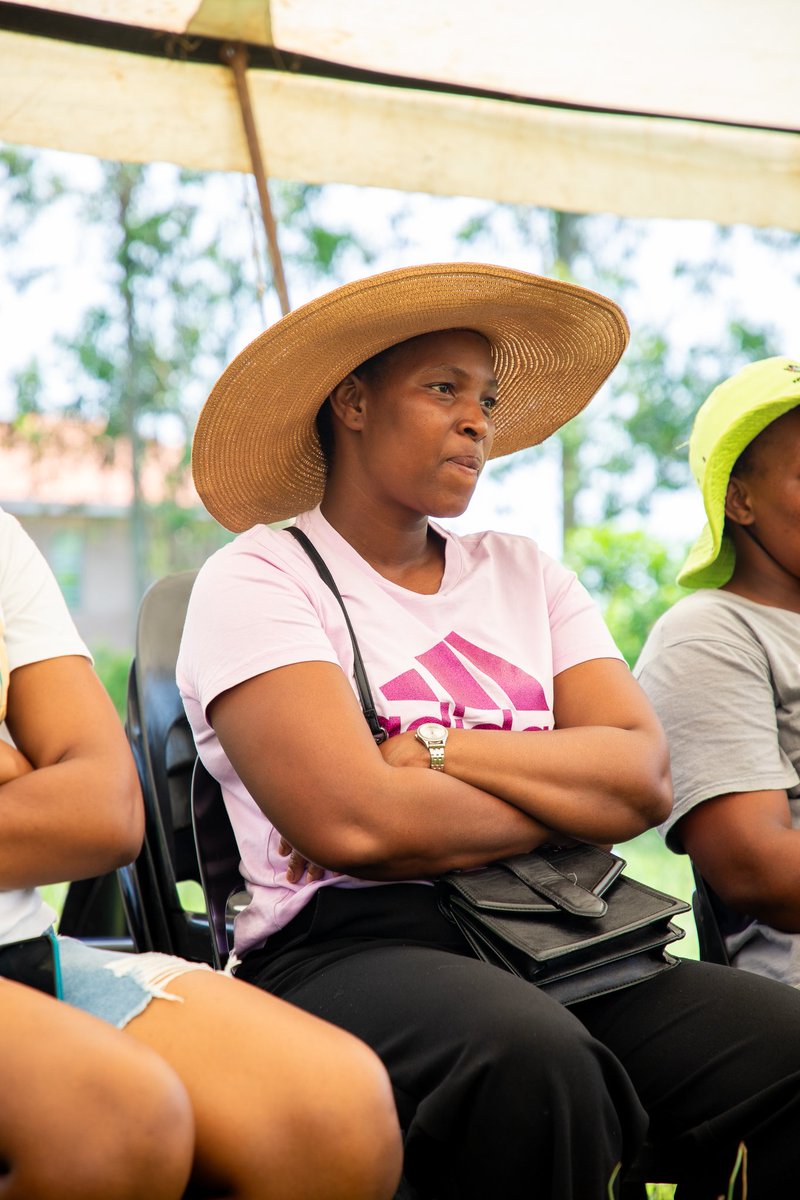
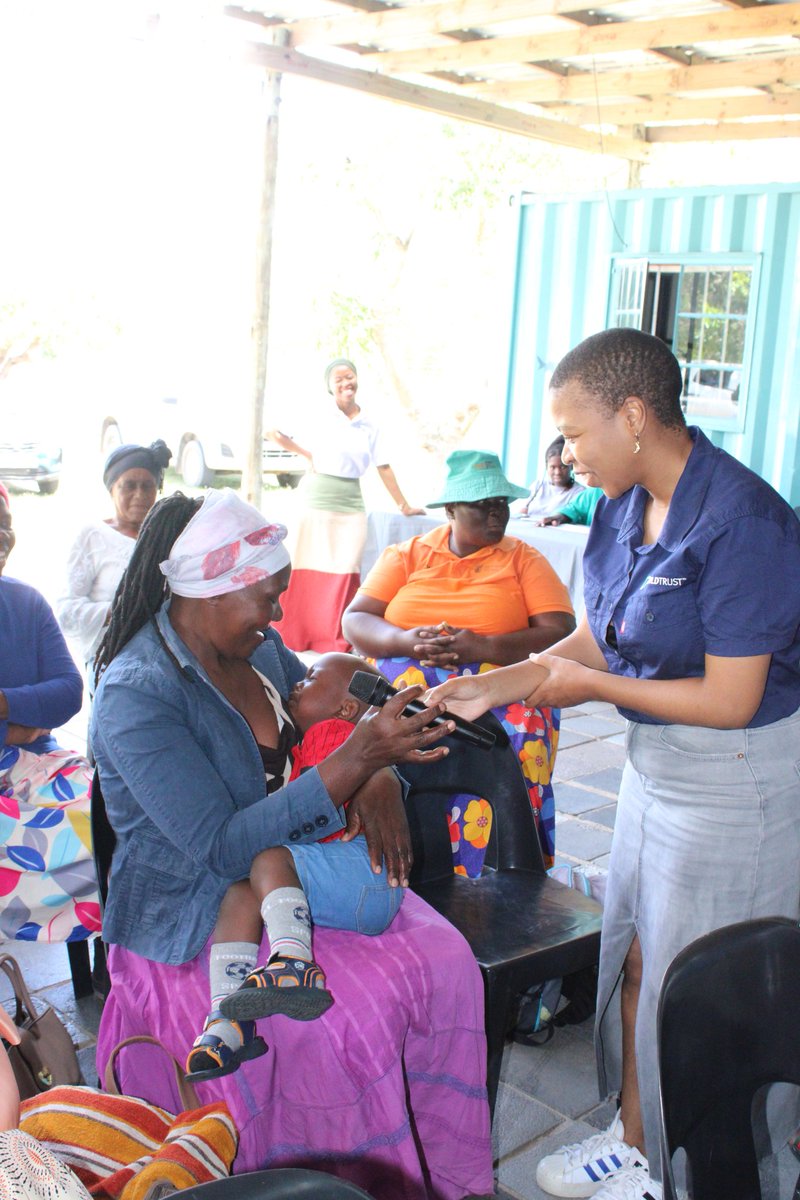
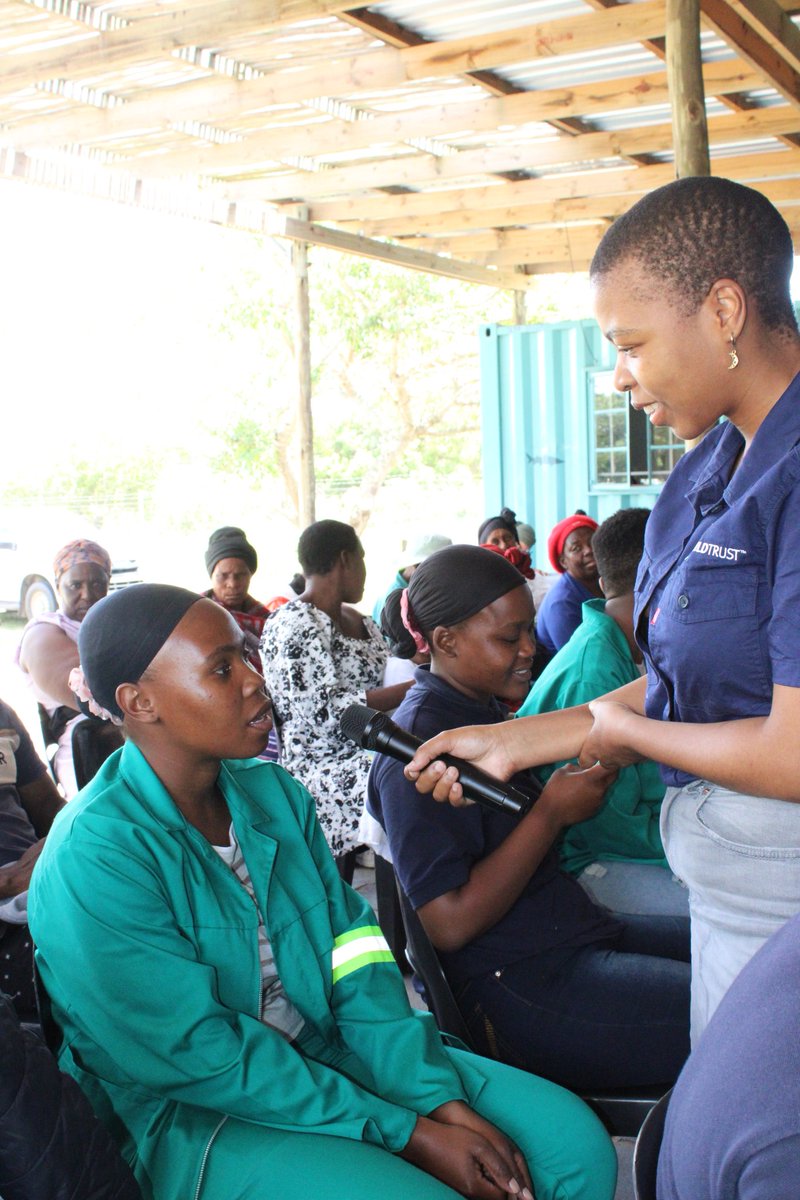
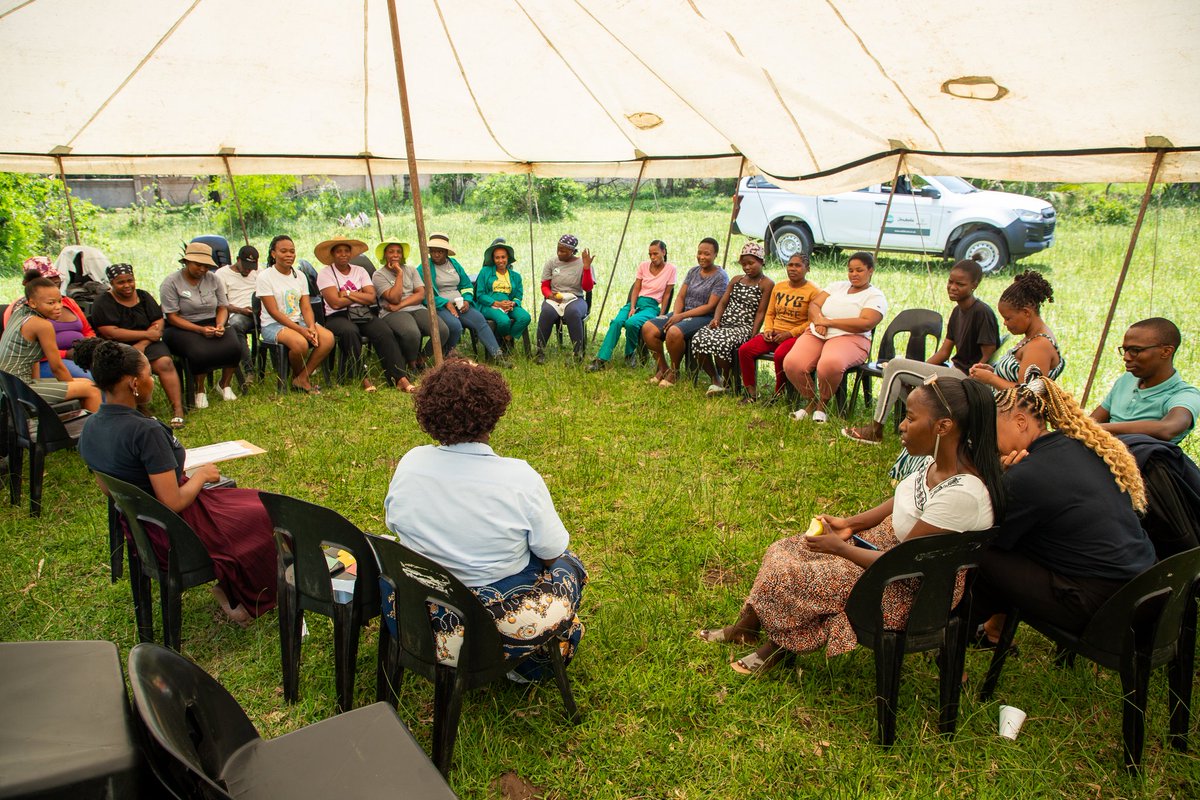
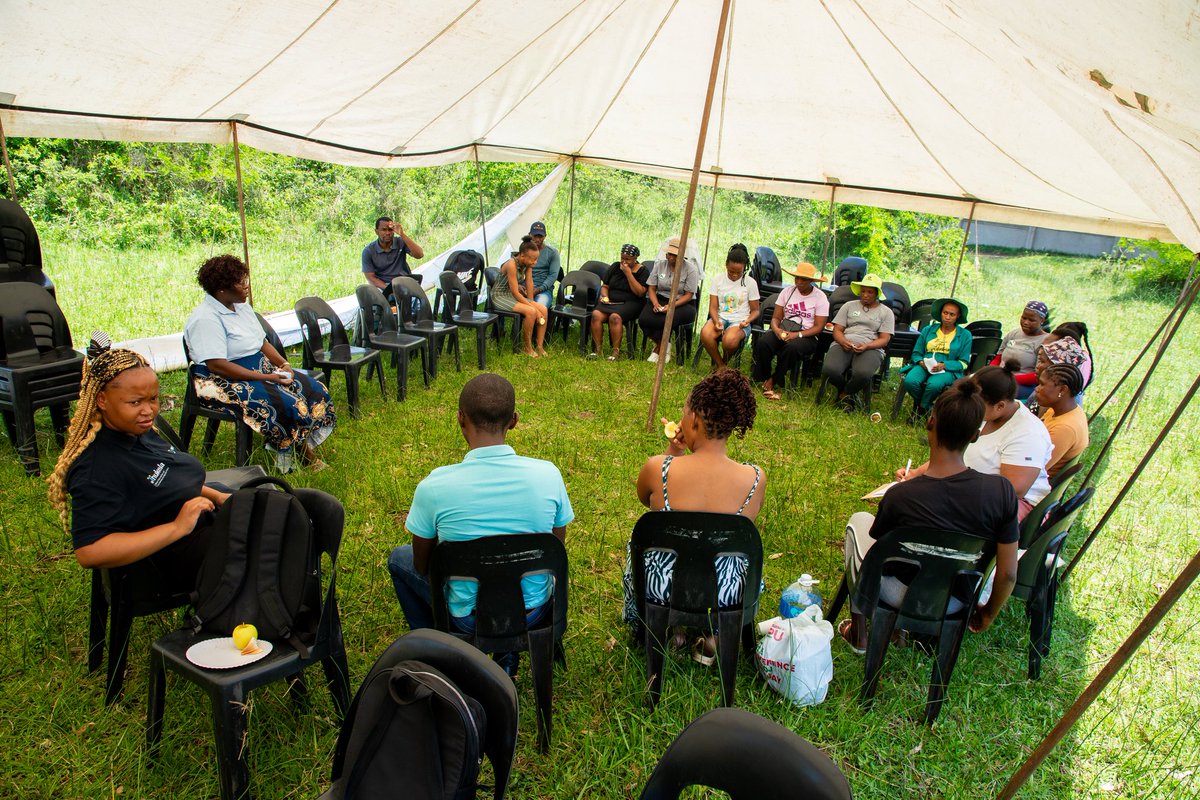
One of the attendees, Zama Xulu, praised the session, describing it as invaluable. She shared her excitement about the mentorship opportunities and expressed her commitment to attending future sessions, viewing them as pivotal steps toward securing employment.
📸: Mnqobi Zuma
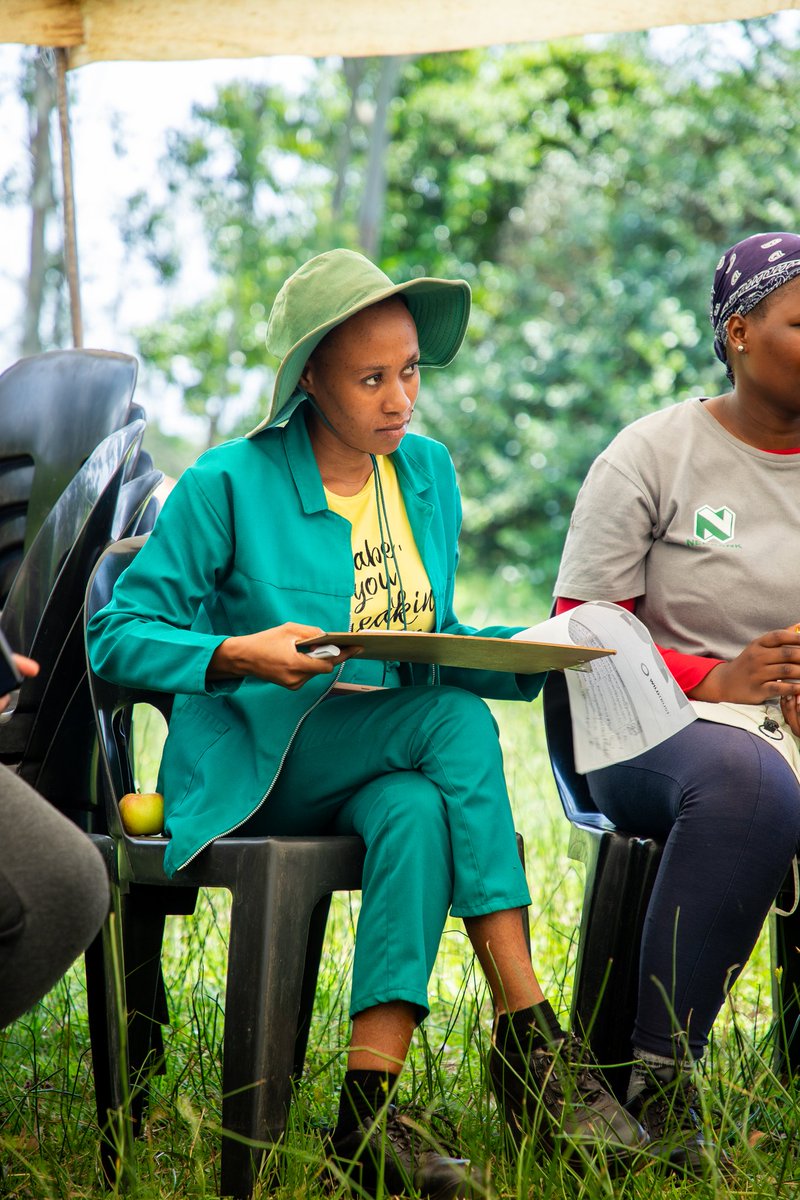
The uThukela Marine Protected Area (MPA) Ecosystem-based Adaptation project, funded by the Blue Action Fund, held its first Women Leadership Training today.
This marks the beginning of a comprehensive series of training and mentorship programs focused on essential job application skills such as CV and cover letter writing, interview preparation, personal branding, and confidence building in professional environments