Big savings on all things #Homebrewing, #Winemaking & #Distilling. Save up to 70% off. Hurry, items won't last long. Limited supplies. The Spring Sale ends Saturday.
Follow the link to savings https://t.co/8uwU6qKUUj
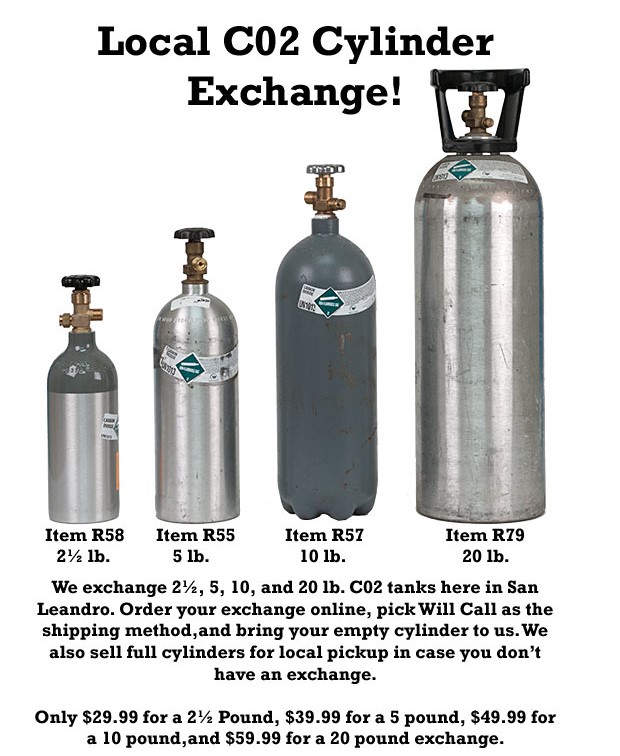
We offer CO2 EXCHANGE in San Leandro California. One of the few left in the Bay Area. Located in the East Bay off 880, Marina Blvd exit.
These are WILL CALL ONLY. WE DO NOT SHIP.
https://t.co/BID5q7ZCQT
#CO2#SanLeandro#TankExchange#BayArea#EastBay
Ready to level up your homebrew? Learn advanced brewing techniques to boost flavor and consistency. Read the guide: https://t.co/2fJJvgJ10B #Homebrewing#CraftBeer#BrewingTips
A type of bacteria called Brettanomyces is added by some brewers for the purpose of creating funky or sour flavors – this gives their beers complexity & depth not found easily elsewhere!
The Czechs love beer so much, they have the highest per capita consumption at 35.2 gallons per person per year. This makes them the number-one drinking nation in the world. However, China consumes the most beer overall, as a country.
With NA beer, it’s best to proceed with caution. NA doesn’t mean no alcolhol at all. The legal definition of non-alcoholic in the US is less than .5% by volume. The amount can vary by brewer.
Ales and lagers are fermented differently, lager is made at the bottom of the barrel. Ale uses a different type of yeast, and the yeast rises to the top and ferments about 15 degrees warmer than a lager, producing a completely different flavor.
Most beers are ales and lagers. Ales can be Stouts, India Pale Ales, Lambics, Wheat Beers, and Porters. These beers are known for their heavy, fruit flavors.
Lagers include Pilsner, Bocks, Schwarzbier, and Malt Liquors. They are generally crisper and have a cleaner beer taste.
Beer. Simple.
Boil Grains to make a Wort. Wort is then mixed with hop for bitterness and the beer taste. Then yeast for fermentation once cooled. Yeast is responsible for peak flavor and converting sugar to Co2 and alcohol. Keg, bottle, wait. Enjoy
The Role of Water: Water accounts for over 90% of beer’s composition, making it a vital ingredient. The mineral content and pH level of the water greatly influence the flavor profile of the final brew.
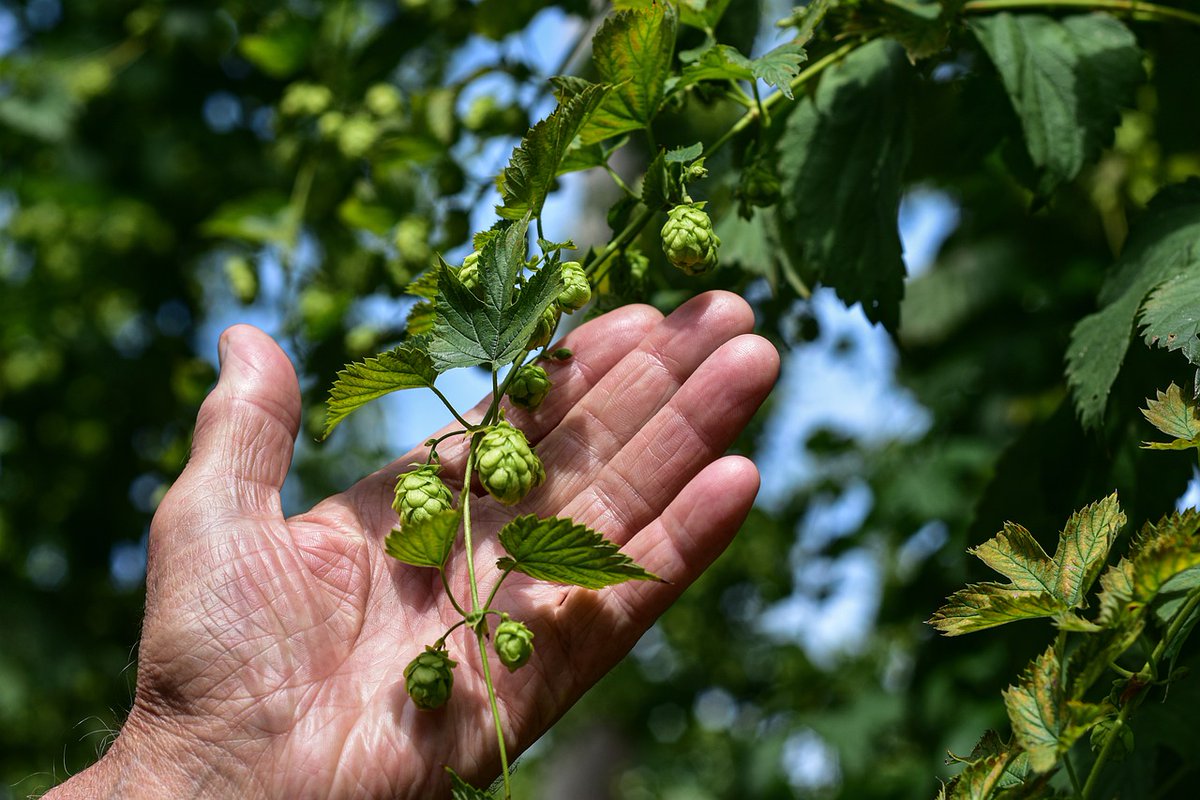
Hops weren’t always a part of beer. They were introduced around the 9th century to add bitterness, balance the sweetness from the malt, and help preserve the beer. Different hop varieties bring a wide range of flavours, from citrusy and floral to earthy and piney notes.
The world’s oldest brewery:
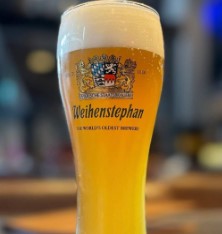
Weihenstephan Brewery in Bavaria, Germany, holds the title of the world’s oldest continuously operating brewery. Founded in 1040, it originally operated as part of a Benedictine monastery, which itself dates back even further to 768.
Cenosillicaphobia:
The fear of an empty beer glass can cause anxiety in those who love a full pint. Luckily, the remedy is simple – make sure to keep the beer flowing & the glasses full.
Cheers.
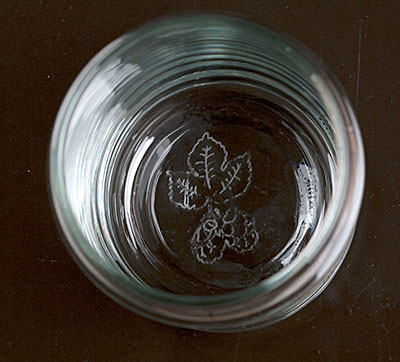
Nucleation is deliberate imperfections @ the bottom of a glass to attract & agitate CO2. CO2 bubbles then rise upward in a steady stream, helping head formation & retention. This keeps beer aromas, a refreshingly effervescent mouthfeel & slight bitterness balancing sweet flavors.
The head of a beer has a purpose. The proteins from hops & barley coat the CO2 gas acting as a sort of protective barrier, slowing the release of CO2 & keeping out oxygen. This prevents the beer from going flat too quickly while also reducing the rate of oxidation. Now you know.
The 3-30-300 rule dictates a keg of your average draft beer will degrade at the same rate over three days at 90 degrees Fahrenheit as it would over 30 days at room temperature — roughly 72 degrees Fahrenheit. However, that same keg will last 300 days at 38 degrees Fahrenheit.
The old word "dragan" meant to carry or pull. Over time, dragan evolved into "drag," "draw," & "draught" (countries like UK, Ireland, & Australia still use this).
"Draft" became Americanized version, liquid being pulled or drawn from the barrel to the faucet. Now you know.
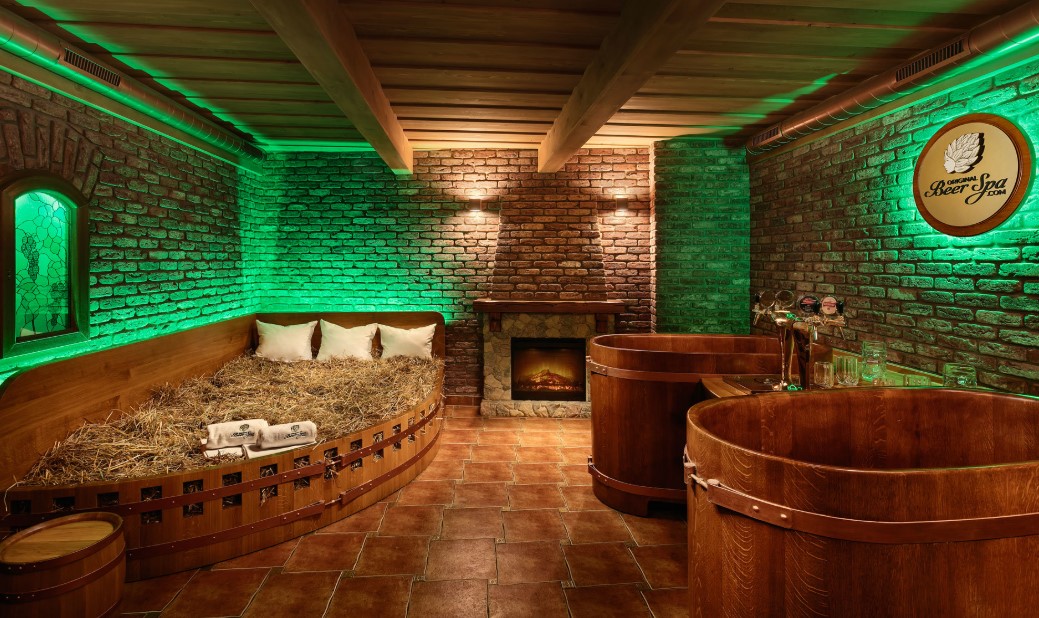
Several beer spas across Europe offer the chance to soak in a warm tub of beer. It’s said to rejuvenate the skin, reduce stress, and promote relaxation. Plus, many of these spas let you drink a beer while you soak in one!
Belgium is renowned for its diverse beer culture, with over 1,600 different varieties. From lambics to Trappist ales, there’s something for every type of beer drinker in this small but mighty beer-loving country.