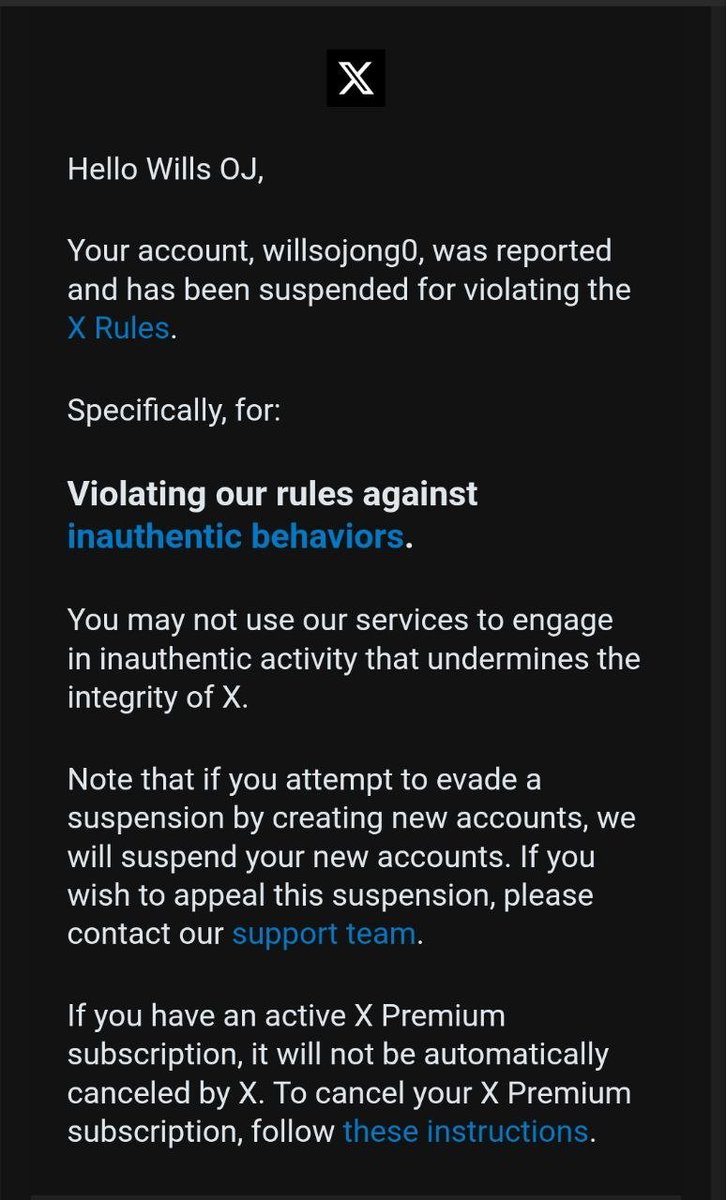
I know how much energy and time it took me to create this account and how much time it took me to build it to over 3k followers...
And it took just one night for Niki to kick me out...
It hurts 🤕 it really does 🤕🤕
Your wallet shouldn't become your biography.
One of the biggest misconceptions in crypto is that self-custody automatically means privacy.
It doesn't.
Owning your private keys gives you control over your assets, but on most blockchains, your wallet activity is still public. Anyone with your wallet address can often see your balances, transaction history, tokens you've interacted with, NFTs you own, and even connect the dots between your on-chain activities.
Imagine if your bank statement was accessible to anyone who knew your account number.
That would feel absurd.
Yet many of us accept that level of transparency on-chain without questioning it.
Privacy isn't about hiding something wrong. It's about having the freedom to decide what parts of your financial life should remain personal.
That's exactly why @UmbraPrivacy stood out to me.
Umbra is a self-custodial, Solana-native wallet built with one simple philosophy: privacy should be the default, not an afterthought.
Unlike traditional wallets that expose nearly everything you do on-chain, Umbra gives users practical privacy tools while keeping them in full control of their assets.
Here's what makes it different:
🔹 Shielded Balances
Shielding allows you to move assets into a private balance within Umbra. You still own your funds. You still control your keys. But your holdings aren't exposed in the same way as a typical public wallet.
Think of it like closing the curtains in your home. Your home hasn't disappeared, you've simply chosen not to let strangers look inside.
🔹 Private Transfers
Whether you're paying a freelancer, sending funds to a friend, managing a DAO treasury, or moving assets between your own wallets, not every transaction needs to become public information.
Umbra enables private transfers that help reduce unnecessary exposure while maintaining self-custody.
🔹 Private Swaps
Every on-chain swap can reveal your trading activity, investment interests, and portfolio movements.
With private swaps, Umbra helps you manage assets more discreetly, giving you greater control over what your on-chain footprint reveals.
What I appreciate most is that Umbra doesn't ask you to choose between ownership and privacy.
You keep your keys.
You control your assets.
You simply gain the ability to protect your financial activity from unnecessary public exposure.
As crypto continues to mature, privacy shouldn't be viewed as a niche feature reserved for institutions or large holders.
It's valuable for everyone:
• Freelancers receiving payments.
• Builders managing project funds.
• Traders protecting strategies.
• Creators accepting crypto.
• Friends sending gifts.
• Anyone who believes financial privacy is a normal expectation.
We already expect privacy when we send messages, use online banking, or make digital payments.
Crypto should move in that direction too.
For me, Umbra isn't trying to hide blockchain ,it improves how we interact with it by making privacy a practical part of everyday self-custody on Solana.
If you've never thought about how much your wallet reveals, now is a good time to take a closer look.👇👇
@UmbraPrivacy@ownershipfm
https://t.co/YQrjyBSS2U
I just applied to become a @seraprotocol Ambassador.
I'm excited about Sera's vision of making on-chain FX settlement faster, more efficient, and accessible through purpose-built infrastructure.
Leaderboard: https://t.co/mtMk5TkDkb
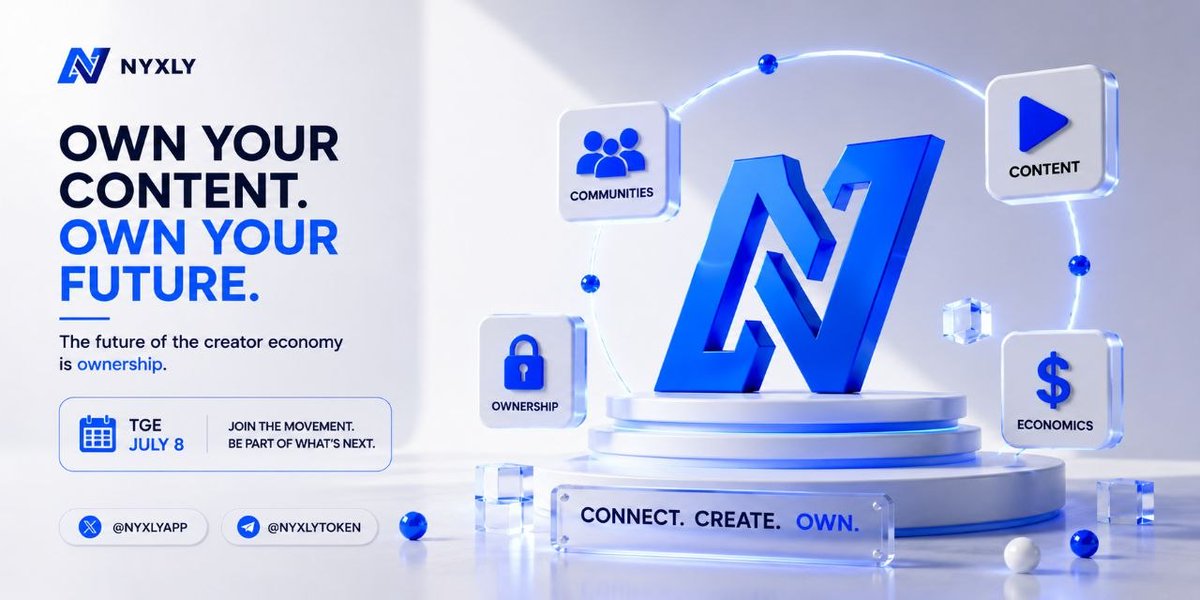
After researching Nyxly, I don't see it as simply another Web3 social platform.
I see a project asking an important question:
What happens when creators own not only their content, but also their communities and the economics around them?
That's a future worth paying attention to.
If you'd like to learn more before the July 8 TGE, check out @NYXLYAPP, follow @NYXLYTOKEN, and explore.
The next era of the creator economy may not be about creating more content. It may be about finally owning it.
LINKS: 👇👇👇
https://t.co/WjrC3UuG2G
https://t.co/4zujaikX8k
https://t.co/MooqPVQis8
The creator economy is worth hundreds of billions of dollars, yet many of the people driving it still don't fully own what they've built.
Creators invest years producing content, growing loyal communities, and building personal brands. But their businesses often depend on centralized platforms that control visibility through algorithms, take a share of their earnings, delay payouts, and can change the rules or even remove accounts with little warning.
This raises an important question:
What would a creator economy look like if creators truly owned their audience, content, and revenue instead of simply renting space on someone else's platform?
That's the problem @NYXLYAPP is setting out to solve with decentralized infrastructure and blockchain-powered monetization.
Let's break it down before the July 8 TGE 🧵👇
The next chapter of Web3 won't be defined simply by who builds the fastest blockchain.
It will be defined by who creates the most seamless experience.
By focusing on interoperability, accessibility, multi-chain infrastructure, developer flexibility, and user-first design, Since Network is positioning itself for that future.
If you're interested in where blockchain infrastructure is heading, it's worth exploring what they're building.
🌐 https://t.co/dcFtVSmOzJ
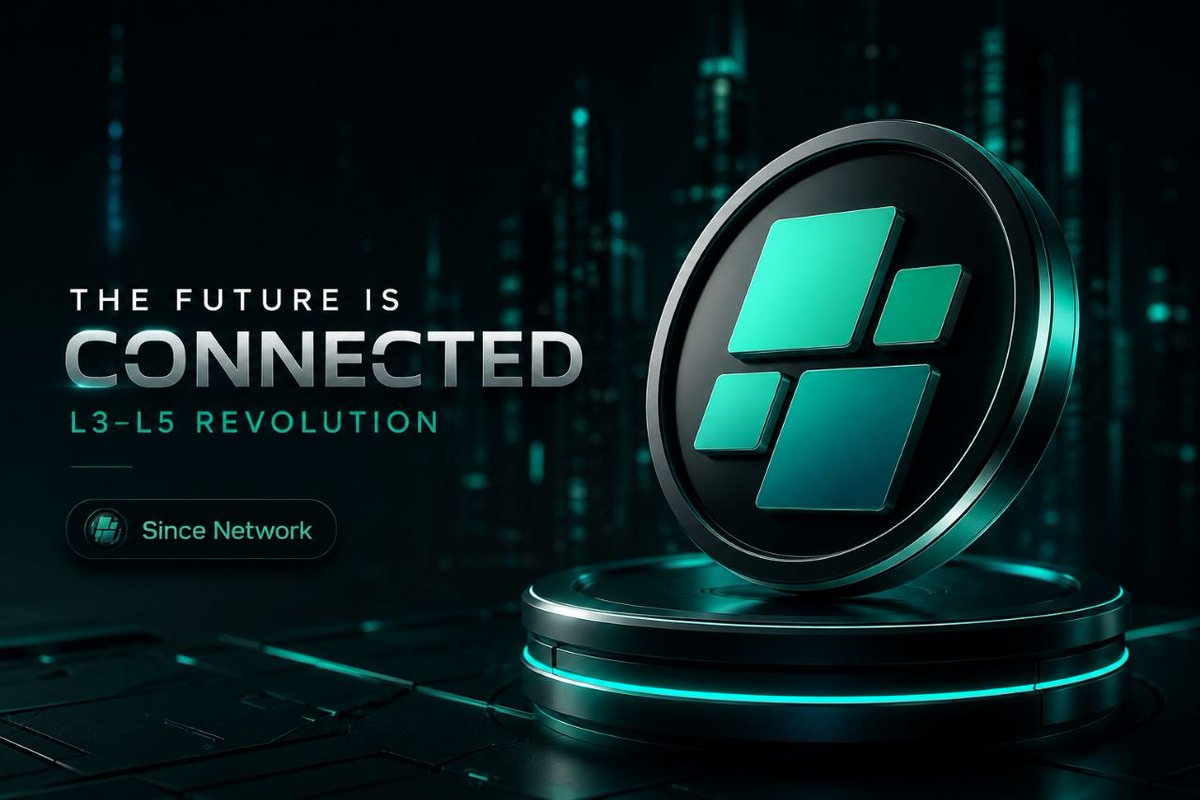
Follow @SinceNetwork for updates on the L3–L5 evolution and check link for more info...
#SinceNetwork #SimiWallet
https://t.co/ErNzwM7qZA
Every successful ecosystem also needs meaningful utility.
That's where $SINCE comes in.
As the native token powering the @Since_Network ecosystem, it supports activity across the platform while aligning ecosystem growth with user participation.
Strong ecosystems aren't built on speculation alone, they're built on products people use, infrastructure developers build on, and communities that continue growing over time.
Utility is what transforms technology into a sustainable ecosystem.
What if the biggest problem in Web3 isn't scalability, but usability?
For years, we've chased faster blockchains, cheaper transactions, and higher TPS. Every new cycle promises better performance, yet millions of potential users still struggle with the same issues: confusing wallets, endless network switching, expensive onboarding, complicated cross-chain interactions, and fragmented ecosystems that make Web3 feel far more difficult than it should.
The next wave of adoption won't be driven by speed alone, it will be driven by infrastructure that makes blockchain intuitive, connected, and invisible to the end user.
That's exactly why @Since_Network caught my attention. Rather than competing to build "another blockchain," it's building toward the L3–L5 vision, where interoperability, intelligent infrastructure, and seamless user experience take center stage.
Let's break down why this could matter for the future of Web3. 🧵👇
#SinceNetwork #SimiWallet
2,500 members. That's a milestone worth celebrating. But the bigger story is what comes next.
Every successful Web3 project reaches a point where community growth must evolve into product growth. @OpenYabby 's Phase 2 signals that transition.
With tokenomics, funding plans, early airdrop details, and new community opportunities on the roadmap, the focus is shifting from building an audience to building an ecosystem.
Early communities matter because they don't just consume products, they test features, provide feedback, create content, and shape the project's direction.
A strong community is one of the few advantages that can't be bought overnight.
Congratulations to everyone who contributed to this milestone. The next phase is where consistent execution will matter most.
Join the Discord, stay active and don’t miss what’s coming next:
https://t.co/30hwKRto5u
#OpenYabby #Web3 #AI #CryptoCommunity
I’m always curious about platforms that aim to redefine how people interact, create, and earn in the digital world, and @NYXLYAPP definitely caught my attention.
After spending some time exploring the platform, I decided to create an account and see the experience firsthand rather than just reading about it. First impressions matter, and I always believe the best way to understand a product is by actually using it.
What stands out to me is the ambition behind @NYXLYAPP . It's not just about building another social platform ,it appears focused on creating an ecosystem where creators, communities, and digital ownership can coexist in a more meaningful way. As Web3 continues to evolve, projects that prioritize user engagement, innovation, and long-term utility will be the ones worth watching.
I'm looking forward to exploring the platform's features, engaging with the community, and seeing how the ecosystem develops over time. Every successful project starts with a vision, but it's consistent execution, community feedback, and continuous improvement that truly define its journey.
I'll be keeping a close eye on the updates, testing the user experience, and following the roadmap as the platform grows. It's always exciting to discover projects early and witness their evolution from the ground up.
Here's hoping Nyxly continues building, innovating, and delivering an experience that lives up to its vision. Looking forward to seeing what's next.
#Nyxl #Blockchain #Crypto
GM GN EVERYONE
Rise up, start fresh, see the bright opportunity in each new day🌟
Guess who followed me...........!😭😭😭😭😭😭😭😭😭😭😭😭😭 @Gidi_Traffic thank you so much 😭..
Token distribution is one of the most critical moments in any project's journey. It shapes first impressions, attracts early supporters, rewards contributors, and strengthens communities. Yet for many teams, traditional distribution methods remain expensive, fragmented, and difficult to scale.
That's where @dropsy_protocol comes in.
Built on Solana, Dropsy is a permissionless, fully on-chain token distribution protocol designed to help projects execute secure, transparent, and efficient airdrops. Every claim is verifiable on-chain, bringing greater trust and accountability to community rewards while eliminating unnecessary complexity.
A standout feature is its claimer-paid model, allowing recipients to cover claim costs instead of placing the entire financial burden on project teams. Combined with Solana's high-speed, low-cost infrastructure, this creates a distribution experience that's both scalable and sustainable for projects of every size.
Whether it's rewarding early adopters, onboarding new users, distributing ecosystem incentives, or managing community campaigns, Dropsy provides the infrastructure that helps projects focus less on logistics and more on growth.
As Web3 continues to mature, the demand for transparent, efficient, and decentralized distribution systems will only increase. Infrastructure like Dropsy isn't just improving token launches it's helping define the next standard for how communities are rewarded and ecosystems expand.
Explore what Dropsy is building and why on-chain distribution matters.
🌐 https://t.co/P1ohlg7Ryd
GM GN EVERYONE
My First post here since my main account was taken down 😭😭😭....
I am back and back stronger 💪
Let connect don't air me please 🥺..
If this appears on your TL follow and I will follow back 🙏..
Don't forget to retweet let's grow together 🙏🙏🙏🙏🙏
Extreme Fear often separates emotional decisions from disciplined strategies. Instead of waiting for prices to recover, market-neutral approaches like funding carry and cross-exchange arbitrage can keep capital productive. Worth exploring the insights shared by @basis__pro.
The Crypto Fear and Greed Index is at 11/100. Extreme Fear.
BTC $59,296. ETH $1,592. SOL $75.68, the strongest mover of the three.
Most crypto yield still depends on one thing: price going up.
BASIS doesn't.
Delta-neutral funding carry. Cross-exchange arbitrage. Multi-asset staking across BTC, ETH, SOL, PAXG.
Extreme Fear does not have to mean zero yield.
-> https://t.co/RKxQxZcBih