1/ 🚨 The hard questions in climate action can no longer be avoided. On Nov 11, I joined Caritas Switzerland's Symposium 2024 to debate the intersection of climate protection & poverty reduction in the Global South. Here’s what we discussed. 🧵👇
7/
Read the full essay 👇
https://t.co/JFfzl1Jvxz
Thank you to Culture & Animals Foundation for supporting the “Whose Park? Whose Animals?” series. 💚
1/
Have you ever wondered where Nairobi National Park’s wildebeest actually live?
Mostly not in the park.
A thread on the land south of the fence, and who pays to keep it open. 🧵
6/
So:
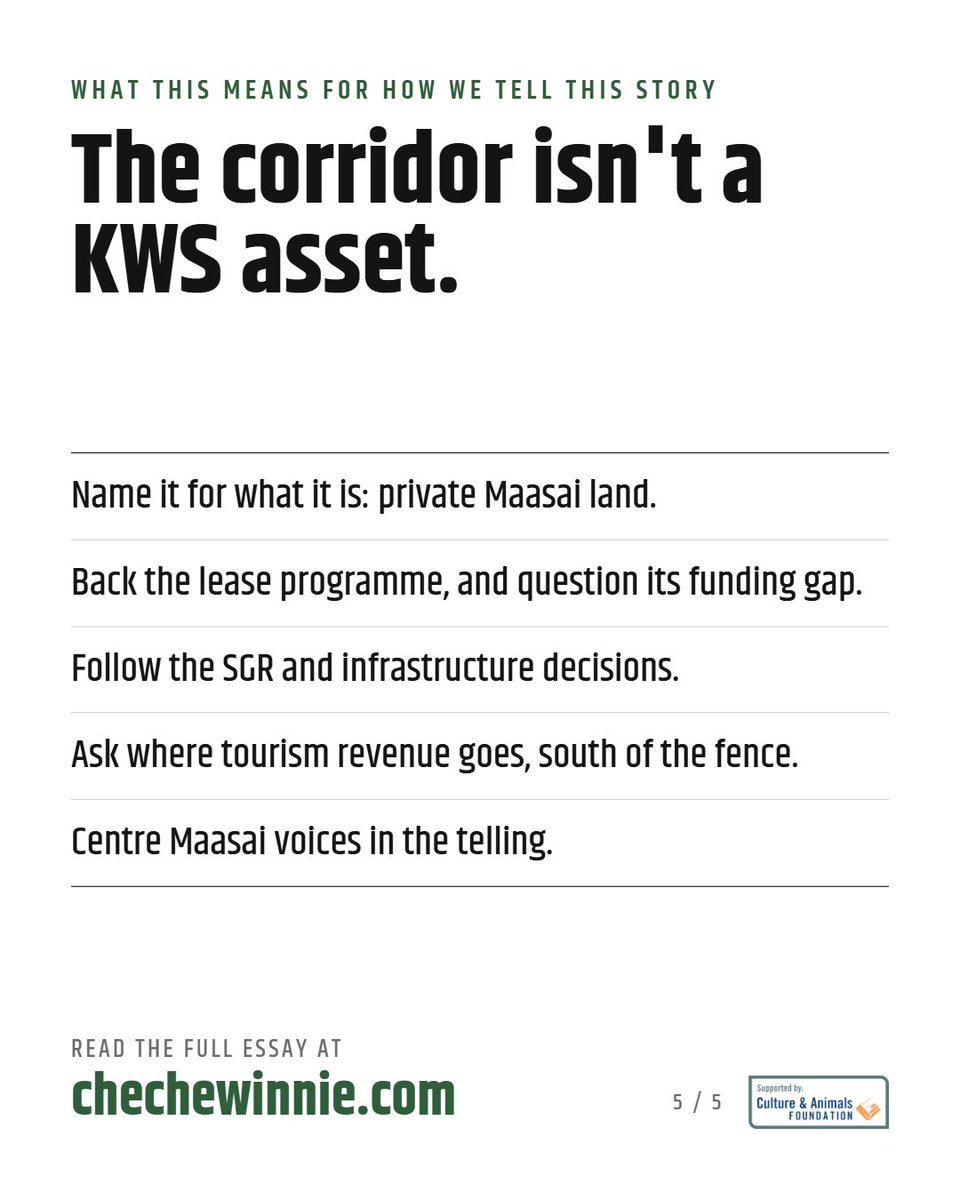
Stop calling the corridor a KWS asset. It’s Maasai land
Back the lease programme, and fix its funding gap
Follow the SGR and infrastructure decisions
Ask where tourism revenue goes
Centre Maasai voices
5/
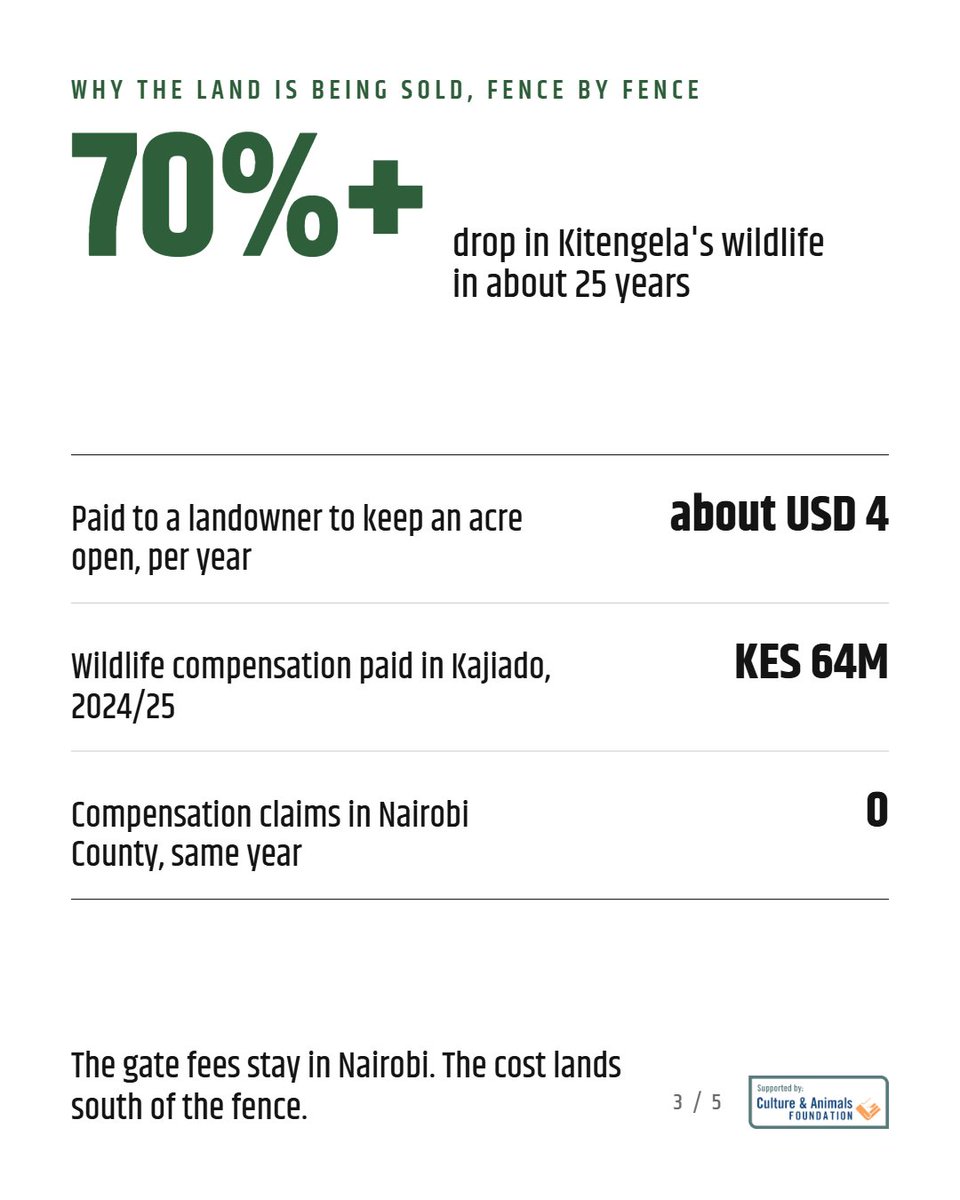
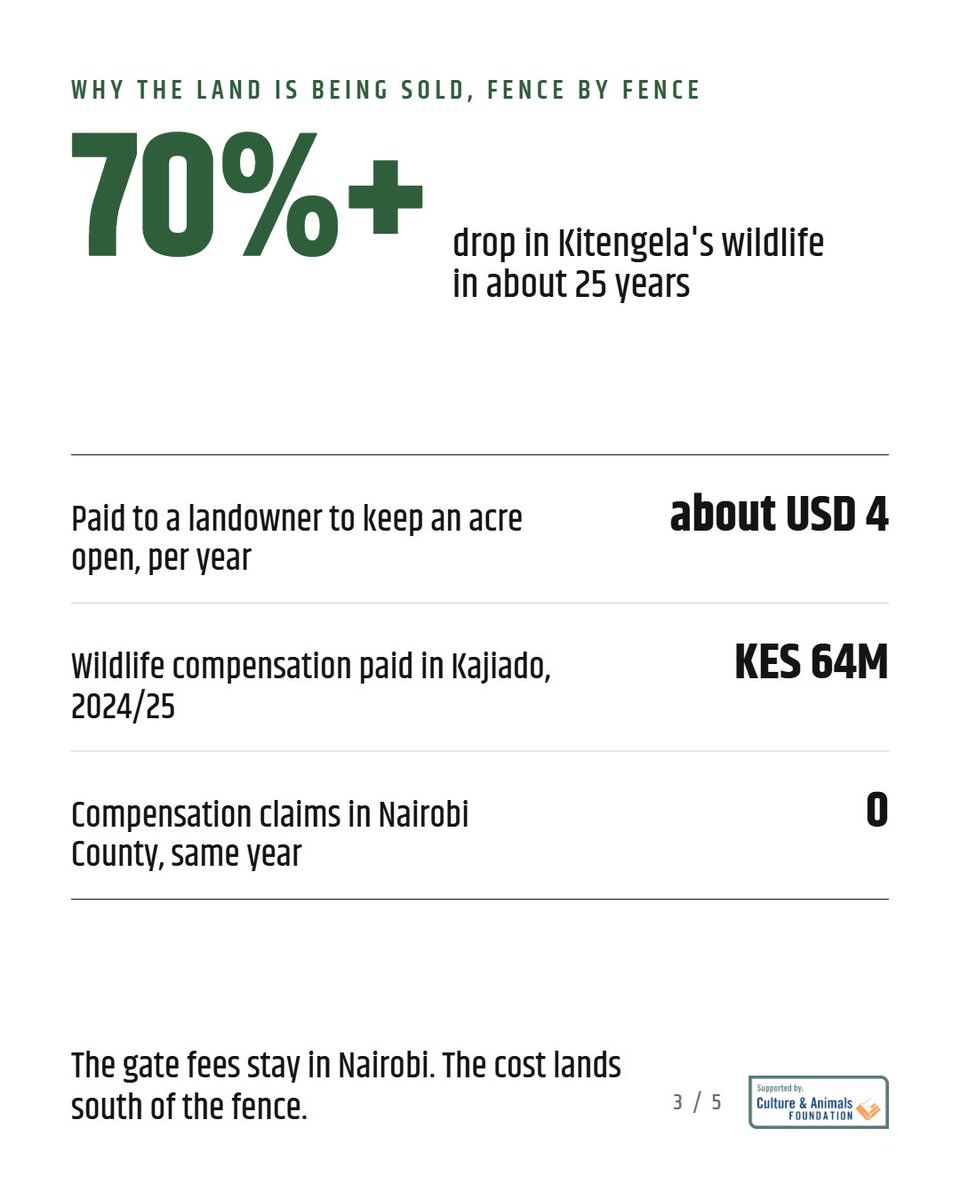
Wildlife compensation in 2024/25:
Kajiado County: KES 64M
Nairobi County: 0 claims
The gate fees stay in Nairobi. The cost lands south of the fence.
4/
A conservation lease pays landowners to keep their land open. It works: wildebeest in leased areas rose from about 10,000 to 38,000.
But it pays about USD 4 an acre a year. Selling that acre pays far more.
3/
In 1988, the Kitengela group ranch was split into individual plots. As Nairobi grew south, land prices soared, and plots were sold.
New owners put up fences. Fences stop migration.
Wildlife in Kitengela has dropped by more than 70% in about 25 years.
2/
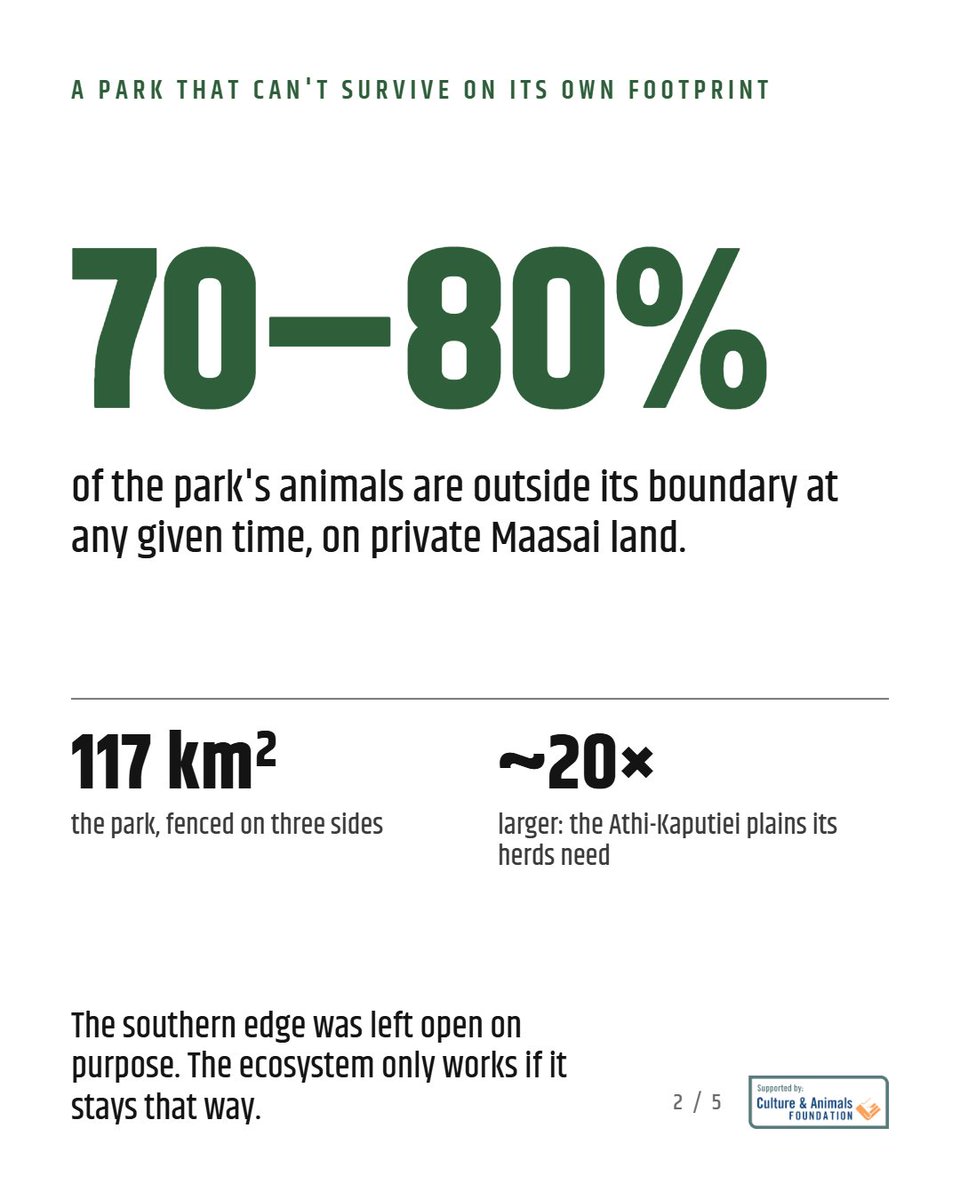
The park is 117 km². Its herds need the Athi-Kaputiei plains to the south, about 20 times bigger.
At any time, an estimated 70–80% of the park’s animals are outside it, on private Maasai land.
1/
Have you ever looked at a safari photo and wondered who made it possible?
Not the lion. Not the tourist. The person standing between them.
A thread on the labour behind Nairobi National Park’s postcard. 🧵
8/
Read the full essay 👇
https://t.co/c0AebVDZvz
Thank you to Culture & Animals Foundation for supporting the “Whose Park? Whose Animals?” series. 💚
1/
Have you ever looked at a safari photo and wondered who made it possible?
Not the lion. Not the tourist. The person standing between them.
A thread on the labour behind Nairobi National Park’s postcard. 🧵
7/
So what would fair labour take?
Publish the ranger pay scale
Hazard pay that matches the risk
Real mental health support
Ask operators what guides take home
Put gate staff and drivers in the story
6/
It isn’t only rangers. Somebody drove the van. Somebody scanned the ticket. Somebody guided the drive and lived on tips.
They’re in every trip, and missing from almost every story.
4/
Reported starting pay for a park ranger: about KES 25,000–50,000 a month.
Legal minimum wage for a domestic worker in a major city: KES 16,114.
A private half-day safari in the same park: up to USD 200.
3/
Many train at Manyani: up at 4 am, about 3 hours of sleep a night. KWS cadets do nine months of paramilitary training.
This is soldier’s work, at the edge of a city.
2/
79 rangers. 25 patrol blocks. Every rhino in the park, checked every day, from before dawn.
They wake up not knowing where the rhinos are. They go and find them anyway.
#COP31 is underway in Antalya, Türkiye.
Over the next 2 weeks, global leaders, businesses, communities and partners will come together with one agenda: Transforming ambition into action for people and planet.
6/
So let’s watch with fuller eyes:
Ask what “protected” really costs
Look past the sighting to the system behind it
Hold KWS to the protocols written after Tsavo
Tell the 2018 story, not just the recovery
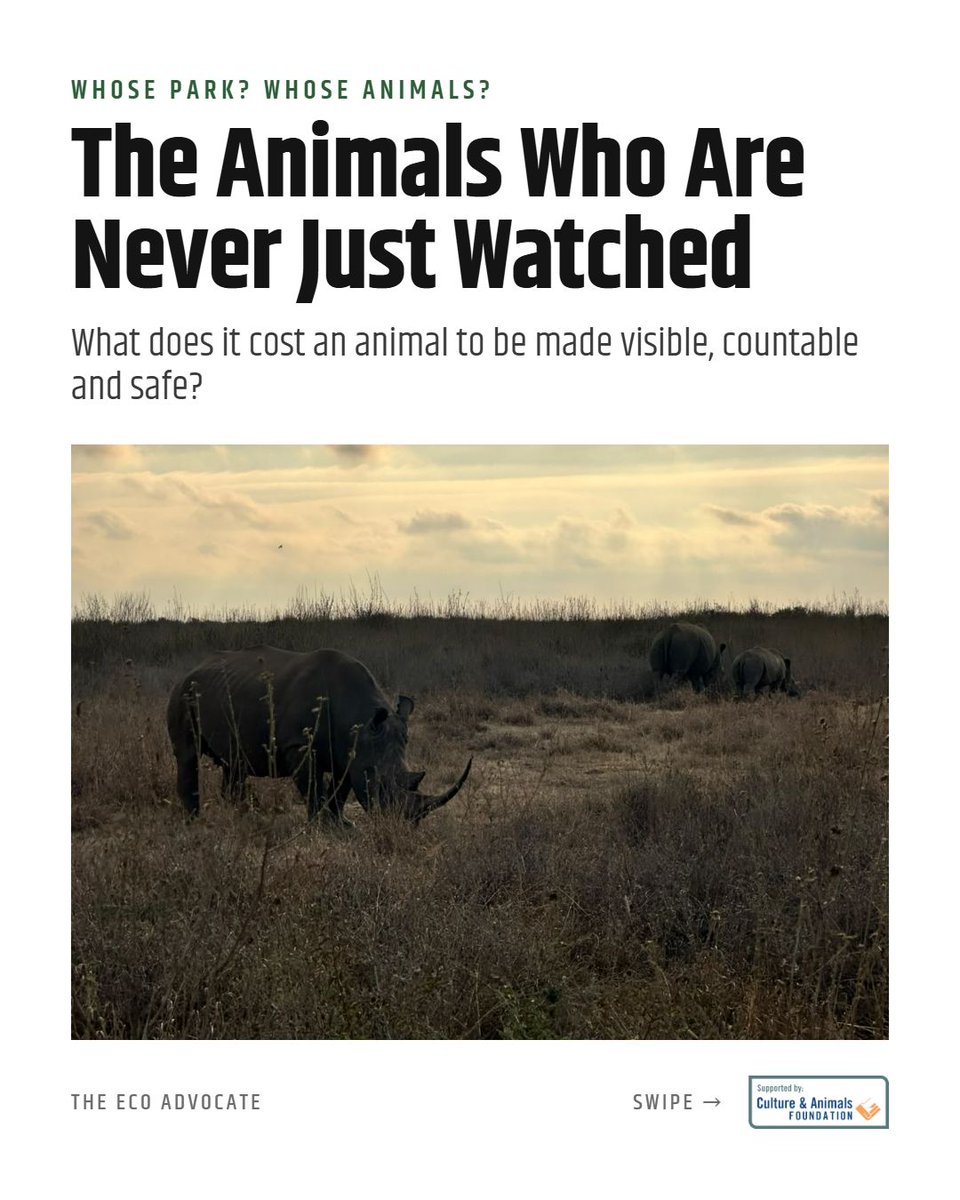
1/
Have you ever wondered what it takes to keep a rhino grazing against Nairobi’s skyline?
Darts. Helicopters. Steel crates.
Nairobi National Park’s animals are never just watched. 🧵
5/
None of this makes conservation cruel. Without it, this park would have no rhinos at all.
But the success was never free. And the ones who paid for it most were never asked.