Rebuilding my account from scratch, against my will and better judgment, because apparently I enjoy suffering.
I’m following back and reconnecting with everyone, so if it takes me a minute, don’t take it personal. I’m just trying to find my people again.
I swear to God, if I hear the word “shed” one more time.
The FBI announced a terror plot today tied to UFC Freedom 250, with 18 suspects still unidentified.
Completely unrelated, Oracle has a defense AI summit in 9 days, where it will pitch the exact surveillance tools that would find them.
Driving to work this morning I saw a tiny black puppy by an abandoned building. Being the white woman I am, I got out to help it. Almost had him coaxed out when Mama showed up a pissed off Belgian Malinois barking like she will eat me alive.
Made it back to the car safely. Now on lunch guess who’s buying that dog a steak and putting her in a sweater by the end of the week?
This crazy lady right here.
Oklahomans — pay attention.
Another massive data center may be coming near Lake Draper.
More strain on our water, power grid, roads, and land. By the time official filings hit, it could already be too late.
Speak up NOW.
https://t.co/sqoFpcDo11
🚨 Edmond, Oklahoma
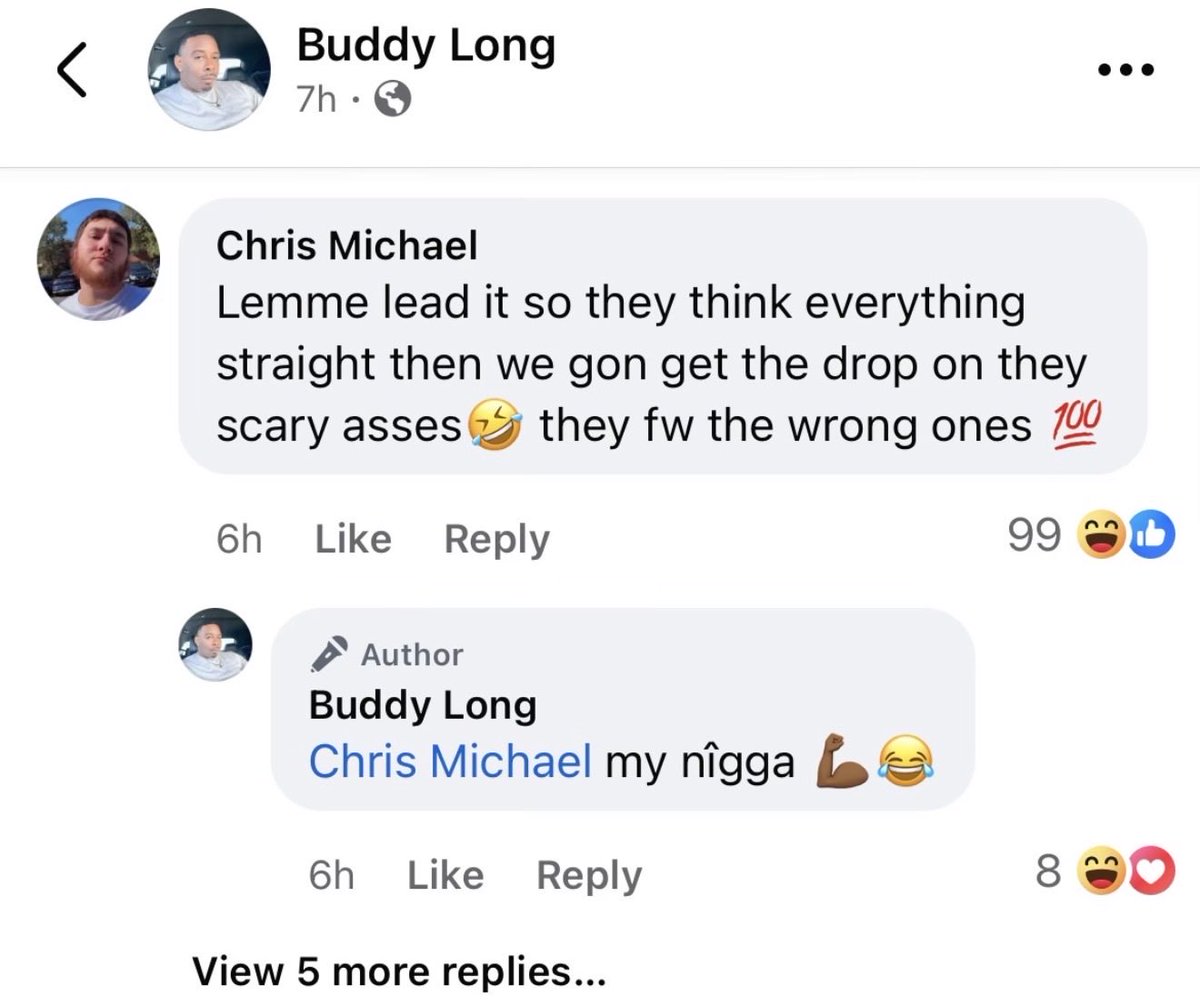
Black people on Facebook are openly calling for violence against Edmond residents.
Direct quotes:
“How bout we all just pull up to Edmond and whoop yall YT people ass 😂”
“Want sum gangstas at yo Mfkn house”
#Oklahomacity#Oklahoma#Edmond#Arcadia
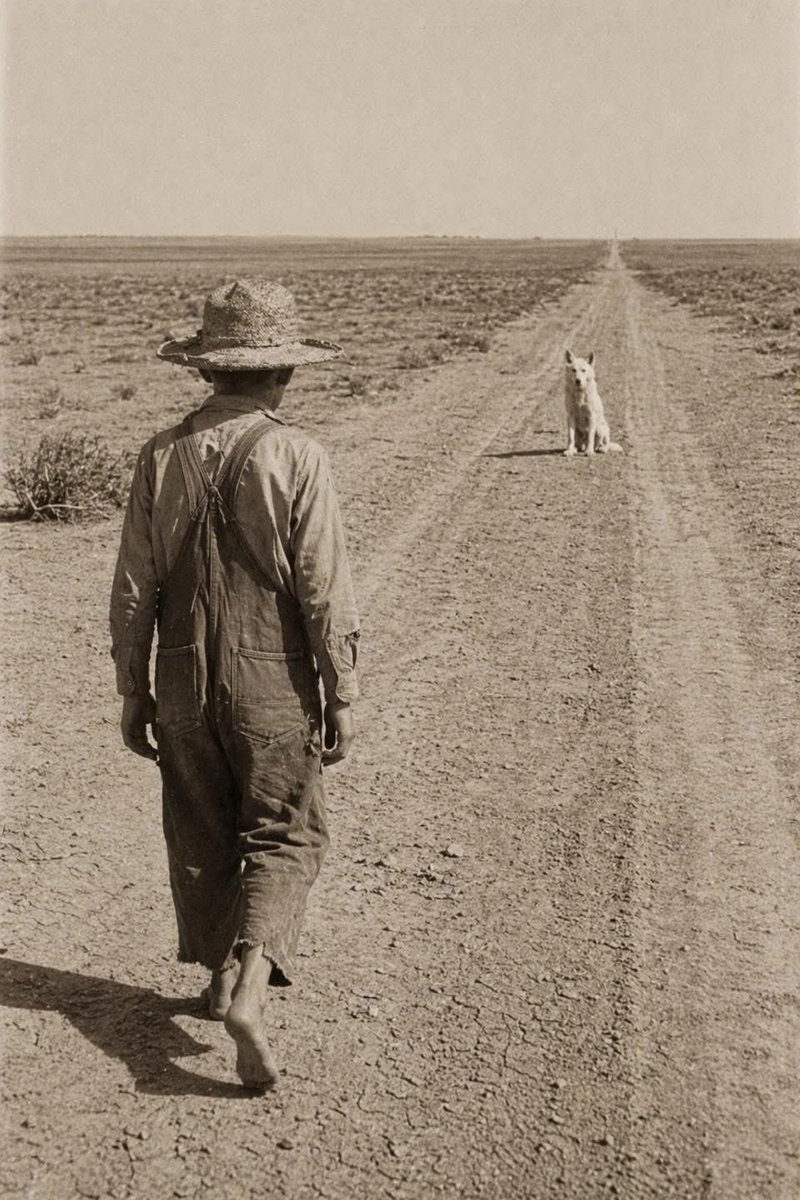
"In June 1932, in the Oklahoma Panhandle, a eleven-year-old boy named Thomas Crain walked six miles alone across open drought-cracked prairie to bury his mother. She had been the last.
His father had died in 1930 of dust pneumonia. His sister in 1931, starvation. His mother in 1932, grief. He had, that morning, wrapped her body in the family quilt because the ground was too hard to dig a proper grave and he was too small to dig one anyway. He was walking to the nearest neighbor — the Henderson farm, six miles east — to ask for help.
He had walked three miles when he saw it, standing on a low rise beside the road.
A coyote. Adult male. Approximately forty pounds. But pure white. Not grey. Not tan. White. Pink nose. Pale blue eyes.
Albino coyotes occur at an estimated rate of one in one million. No albino coyote had been documented in Oklahoma in any living farmer's memory.
The coyote did not run. It sat down. It watched Thomas Crain walk past.
Thomas Crain later told the story, in a 1976 oral-history interview recorded when he was fifty-five, that he had stopped walking. He had sat down in the dirt beside the road. He had said out loud to the white coyote: 'I don't have anybody. I have six miles left. I can't do it.'
The coyote had stood up. It had walked approximately thirty feet ahead on the road. It had sat down again. Waiting.
Thomas Crain had stood up. He had walked. The coyote had walked thirty feet ahead. It had sat down. It had waited. For three miles. For the remaining two hours of the walk to the Henderson farm.
At the sight of the farmhouse, the coyote had turned and trotted back the way they had come. Thomas Crain watched it disappear into the heat shimmer.
The Hendersons took him in. They raised him alongside their own six children. He lived to be eighty-two. He became a soil conservation officer for the USDA — one of the men who, after the Dust Bowl, helped rebuild the grasslands that the drought had destroyed.
He never saw the white coyote again. He told his grandchildren, always: 'An animal walked me home when no person could. I have spent my life trying to walk other things home.'"