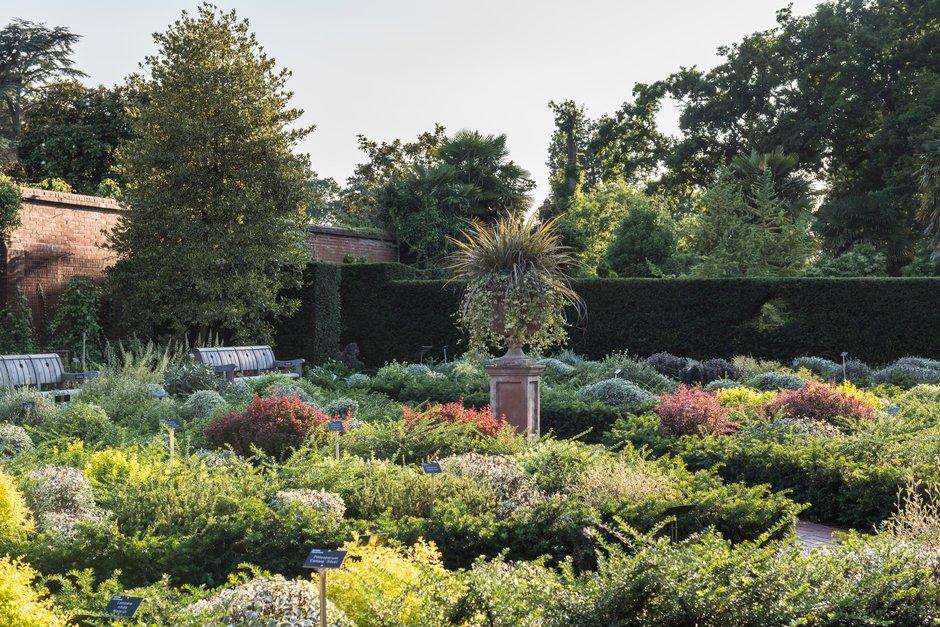
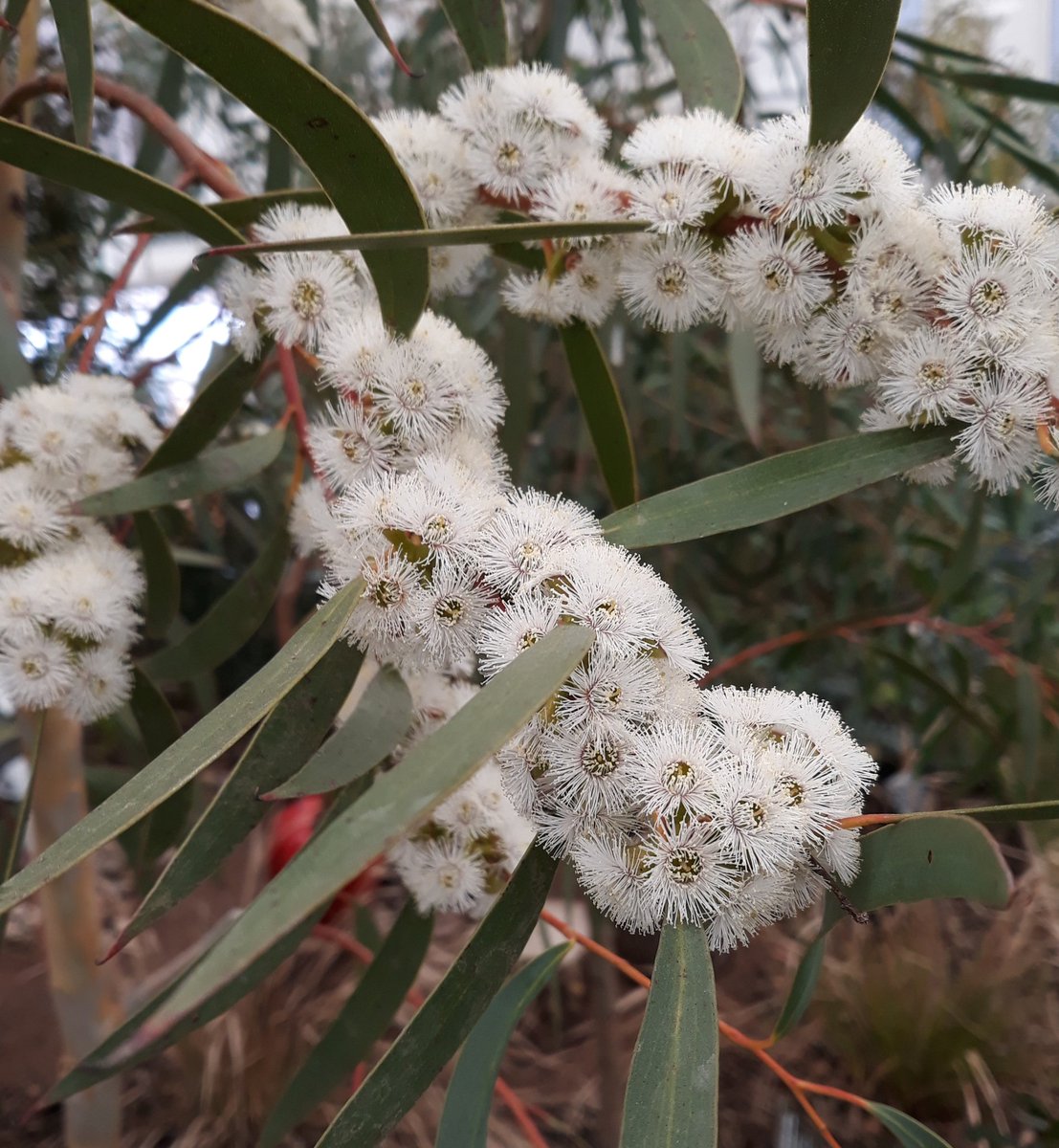
This Friday we will be hosting free talks about the best plants to mark your borders and boundaries by members of the RHS Woody Plant Committee in the Garden Room at @RHSWisley. Learn how to perfect your hedge.
Find the itinerary for the day here:
https://t.co/PtLl41aMKY
The Allerton Oak crowned England's Tree of the Year. If we want more trees to thrive into magnificent old age like this one, we must protect and care for trees throughout their lives. https://t.co/renx3LreEx
In order of abundance, the Red Oaks you will see are Quercus rubra, Q. palustris, Q. coccinea and Q. texana (a.k.a. Q. nuttallii). Note petiole length and colour, hairs in vein axils below, depth of sinus, and length of needle-like extensions emerging from the tips of the lobes.
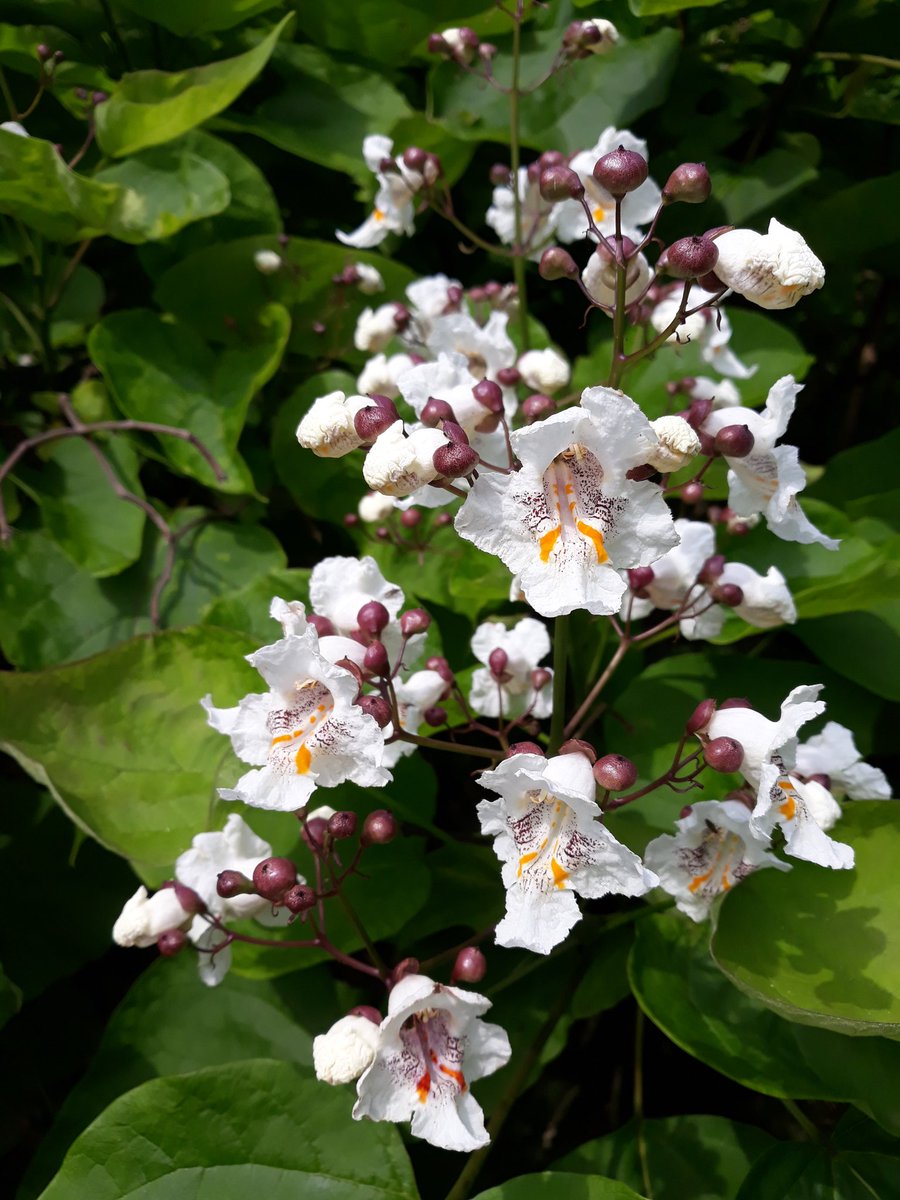
The American Catalpa bignonioides is the best-known member of the genus, cultivated in the UK since the 1700s, but it really misses the summer heat of its native eastern USA.
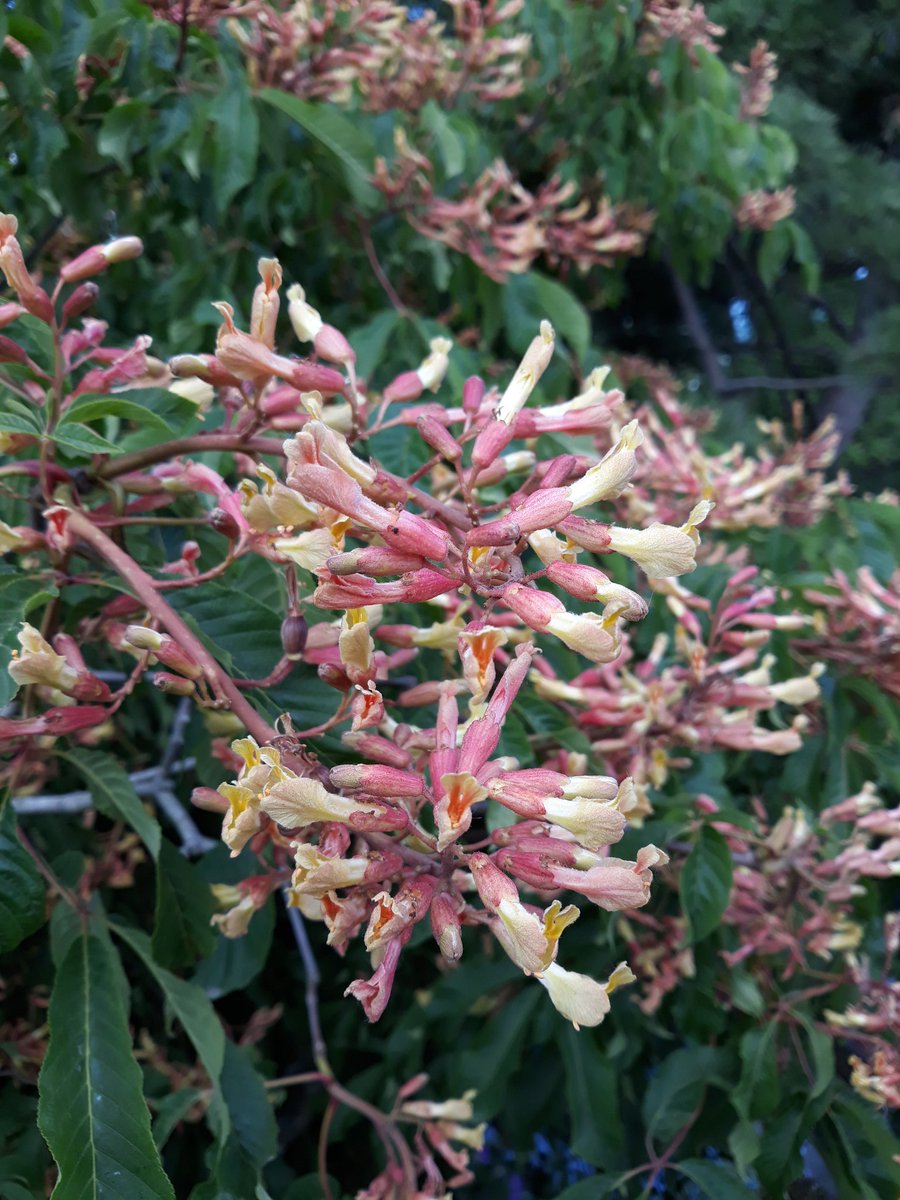
This very pretty Aesculus was in the @MorganStanley garden designed by @chrisbeardshaw at #RHSChelseaFlowerShow last week labelled A. pavia, but it's A. × mutabilis, with some uncertainty as to whether it's 'Induta' or 'Penduliflora', but probably the latter.
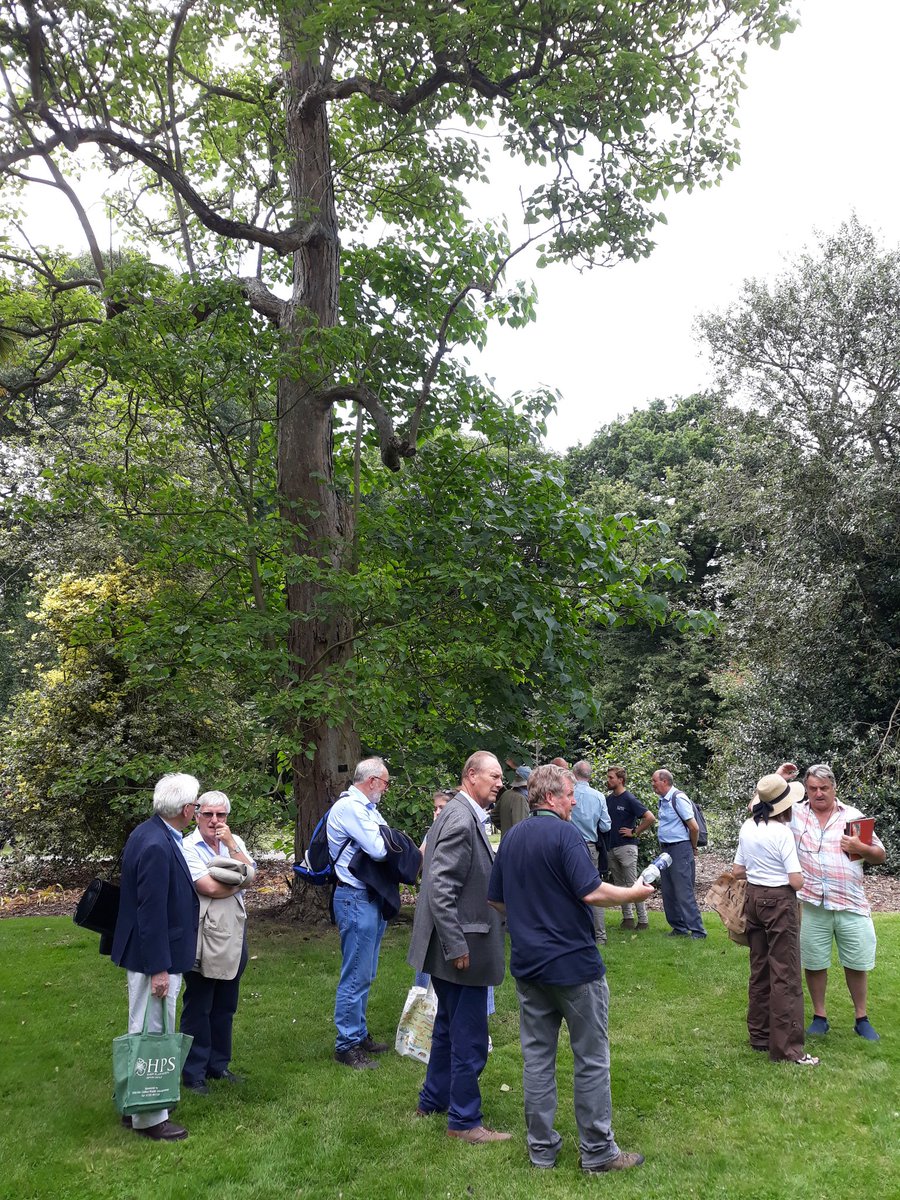
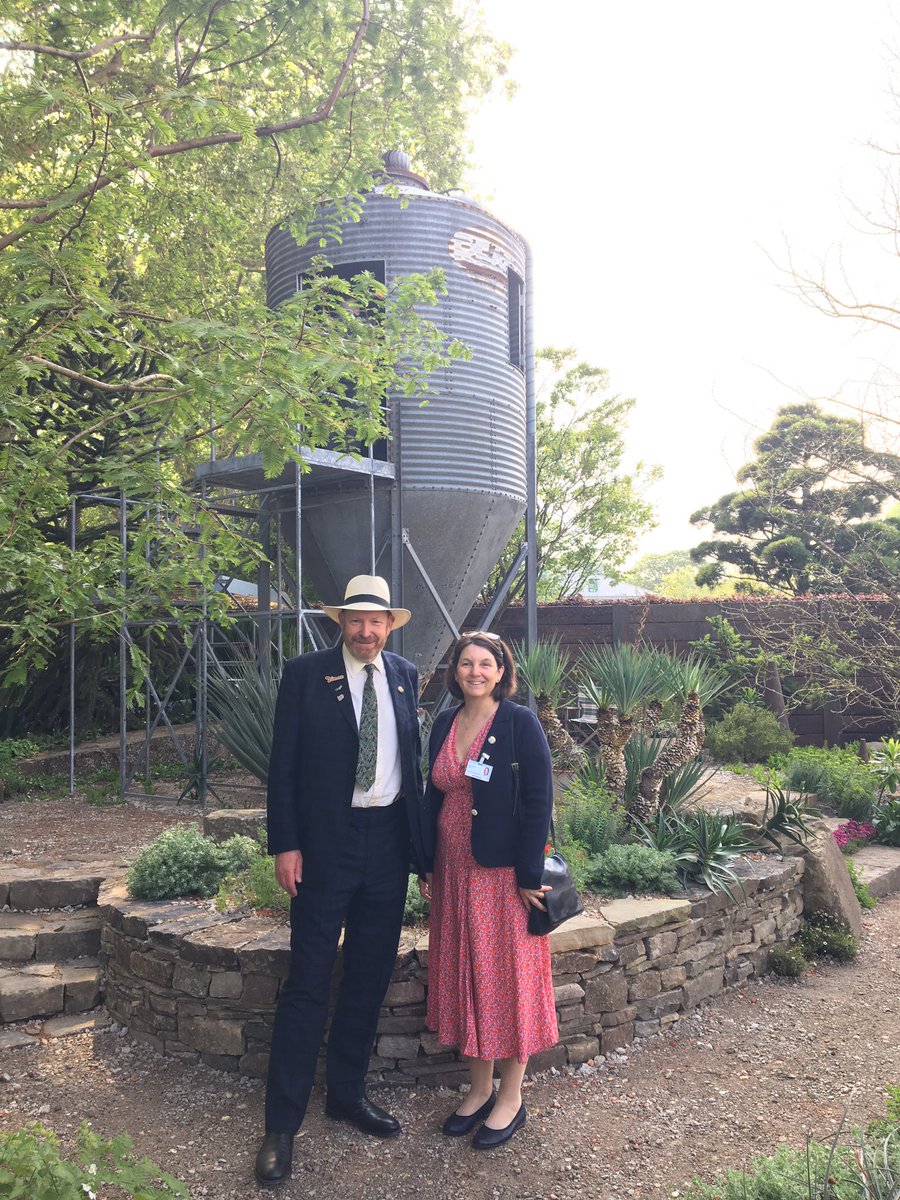
Members of the RHS Woody Plant Committee gathered at #RHSChelseaFlowerShow, looking at the Resilience Garden promoting diversity of trees and other plants in a changing climate.
#bookoftheday2019 'New Trees, Recent introductions to cultivation.' J Grimshaw & R Bayton, 2009. A useful tome, illustrated with line drawings by hazellwilks, sponsored by the International Dendrology Society.… https://t.co/eMFG3i0YGo