Still running MERV-8 and hoping for the best? ASHRAE's guidance points to MERV-13 as the practical minimum for commercial spaces. The catch: higher capture means higher pressure drop and fan energy. Balance both in the spec. https://t.co/CYCyTw4zRO #IndoorAirQuality#HVACSpec
An undersized AHU heating coil leaves the plant doing the work at part load; an oversized cooling coil wrecks valve authority and humidity control. Face velocity, rows and fin spacing decide it.
https://t.co/Jeg7F9cvC7
#HVAC#AirHandlingUnits#BuildingServices
@EliotJacobson So the trillions money the world spent on reducing carbon emissions in past decades have no significant effect on #climatechange?
No wonder the world leaders never bother to fly less in their private jets, while you pay premium for Earth friendly packaging materials and CO2 tax.
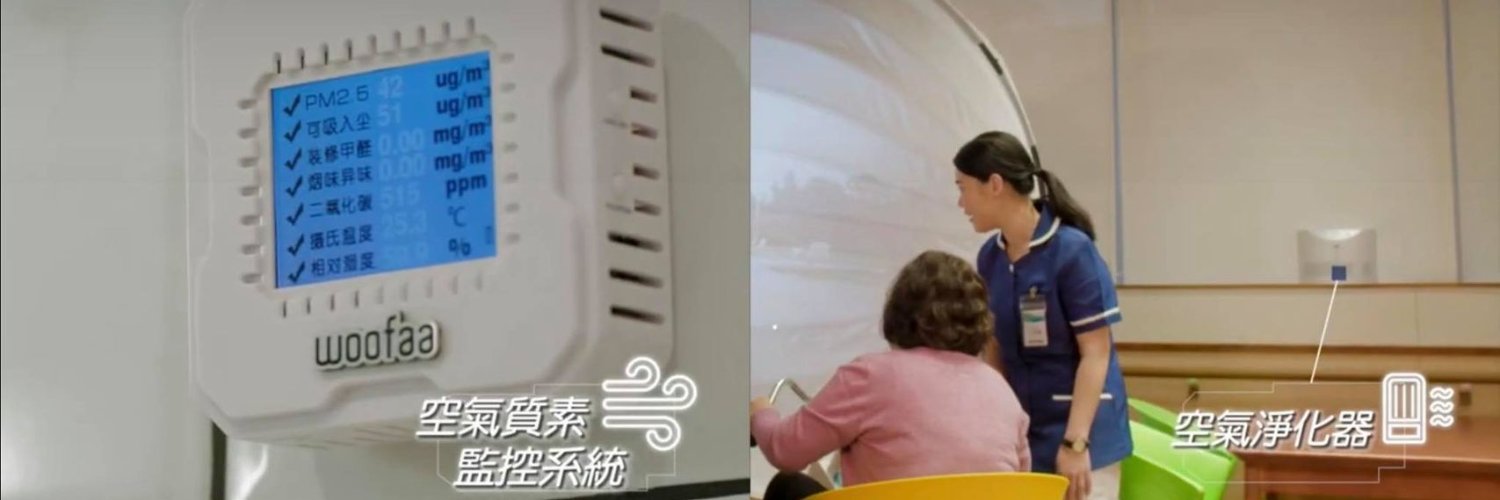
@FHBMagazine Homeowners self-specifying HEPA, air-sealing and sensors - five years ago that was a commercial spec. The pull-through is real: builder baselines must now answer it. Order of operations: seal the envelope, filter the supply, prove it with a PM2.5 monitor
@SafeAirSchoolUK This is the model - IAQ as an operational KPI, not a commissioning checkbox. Continuous classroom CO2 monitoring turns statutory guidance into a daily number staff can act on [ASHRAE 62.1]. That is what the Milesight EM500-CO2 is for: https://t.co/6kZi72bmRd
Demand-controlled ventilation that responds to real-time occupancy saves 30-40% on outdoor air treatment costs while maintaining CO₂ below 800 ppm [ASHRAE 62.1-2022]. The old model of fixed outdoor air fraction is dead. Specifiers: insist on BACnet/Modbus breathing-zone sensors.
The intersection of IAQ and energy efficiency is no longer a trade-off — it's a code requirement. Singapore's BCA Green Mark 2026 now mandates CO₂-based DCV in all new office builds. ASHRAE 90.1-2025 follows suit.
One CO₂ sensor per zone, placed at breathing height, can trim outdoor air intake by 30-40% during partial occupancy — paying for itself in under two years. The specifier trap: buying "smart" DCV sensors that lock data behind a proprietary dashboard.
The fix is not more outside air blindly — it's demand-controlled ventilation (DCV) with sensors in the breathing zone. ASHRAE 62.1-2022 Addendum ab now explicitly supports CO₂-based DCV.
CO₂ above 1,000 ppm in a conference room is not just stuffy — it's measurable cognitive drag. Harvard research showed a 15% decline in decision-making scores at 945 ppm vs 550 ppm.
@LMPositif The image is obviously #AIgenerated, as not a drop of water is being splashed away by the huge up flex of hot air.
I doubt even the drone can’t hold still in that distance from the flame.
#Daidelos needs to show real photos of their #MVP performance, not an conceptual image.
@ParentMishmash Exactly the point we make too — monitoring tells you what is wrong; it does not fix the air. Source control first, then MERV-13 filtration and ventilation [ASHRAE 62.2]. $300 of sensors without an action plan is measurement without remediation.
@lisawhelan Agreed. Code minimums and health-based guidance are different bars — ASHRAE 62.1 ventilation rates are a floor, not a target [ASHRAE 62.1]. CO2 monitoring in classrooms is the cheapest way to verify real exchange rates: https://t.co/fyjoCBfYLi
@PAGreenbuilding Great topic. Home IAQ monitoring pays off when it drives action — CO2 and humidity trends show when ventilation falls short, and filtration covers the rest [ASHRAE 62.2]. The EM500-CO2 makes that data easy to act on: https://t.co/fyjoCBfYLi