Software that helps you write and edit for clarity and brevity -- right in Microsoft Word and Outlook. Created by lawyer and writing expert Gary Kinder.
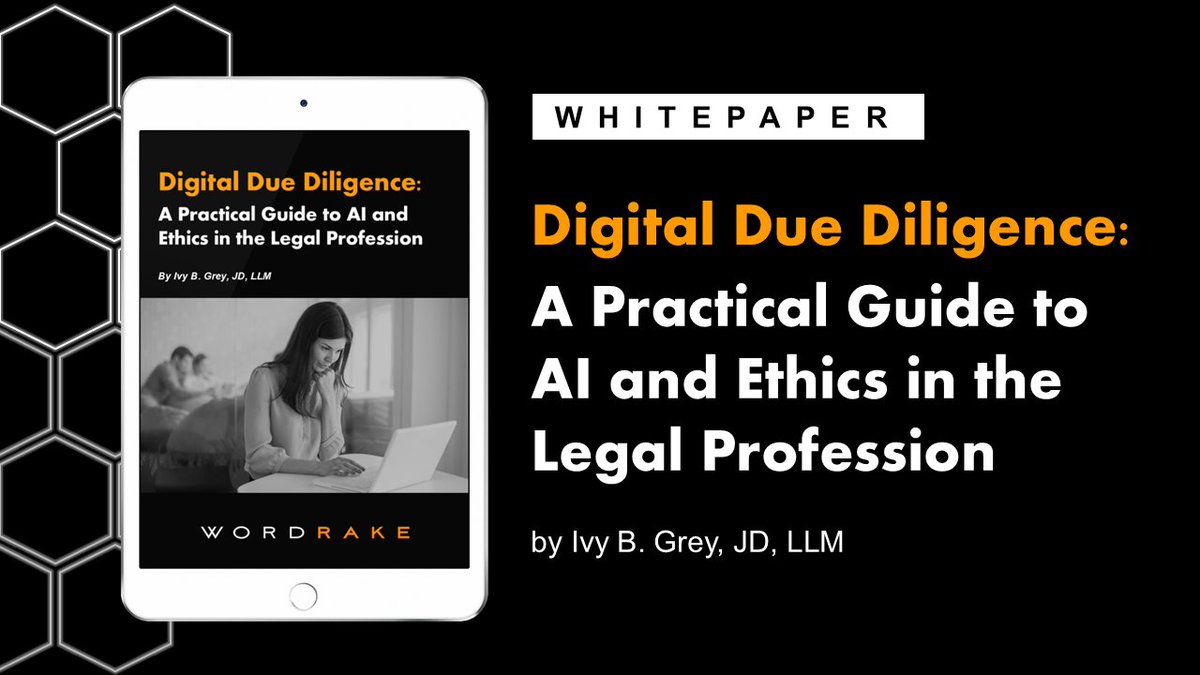
If the details of how and when to use GenAI in your legal writing process are overwhelming you, you’re not alone. Ivy Grey examines the concerns lawyers should have about using GenAI, and how to productively engage with it in her comprehensive white paper: https://t.co/qv9riLhojs
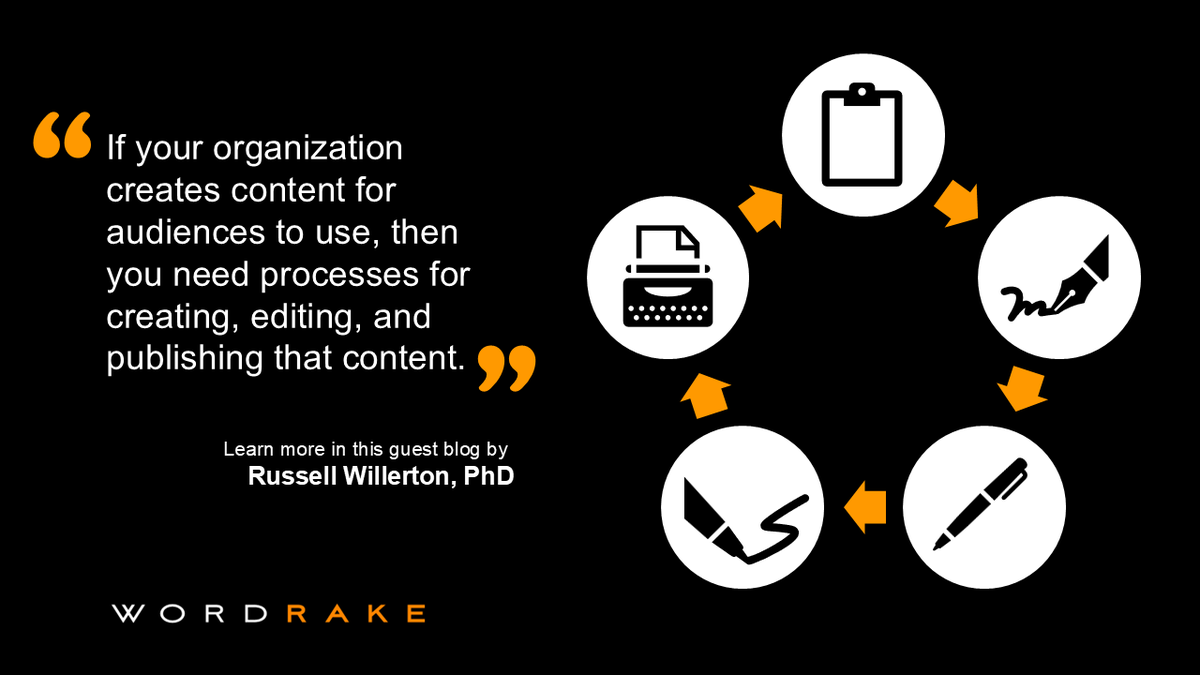
“An editorial style sheet lists choices for a specific project in your organization. An editorial style guide applies broadly and covers various communication scenarios.” Professor Russell Willerton describes how to set them up in this post: https://t.co/lzpHwgzjd4
How do you make editorial practices a priority? “Help your management to understand why editorial practices are important, and material support for these practices (through budgets and personnel lines) is essential.” Professor Russell Willerton explains: https://t.co/fEhO4SLF7g
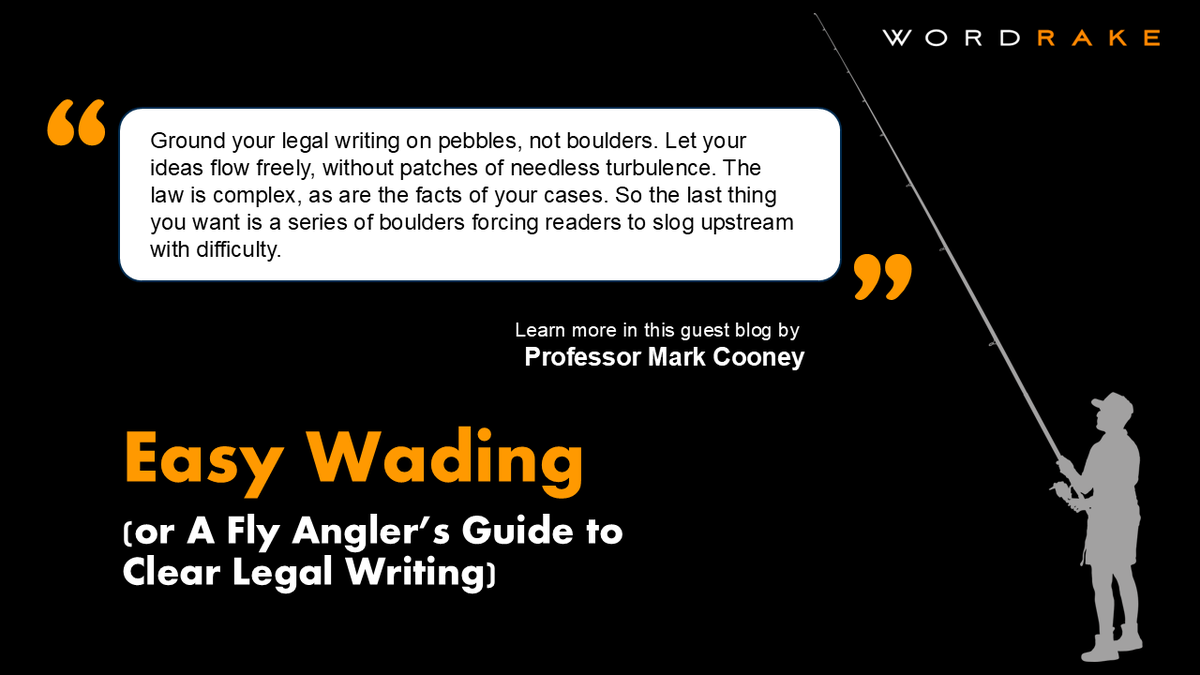
Overblown prose can make your reader stumble, so make sure it’s easy to wade through your legal documents. Professor Mark Cooney shares advice from his experience as an angler in this blog post: https://t.co/Z8uQFSJL8C
“I believe that writers who truly love their craft and understand why we write…they’ll never let AI ‘take over’ their writing because that’s like a painter asking someone else to paint something for them.” Editor Adina Edelman explains: https://t.co/AVsNMt5pJ2
“When social media staffers check to ensure their drafted posts have appropriate tone, hashtags, and visuals, they are following editorial practices.” So make sure yours are clearly laid out, says Professor Russell Willerton. Here’s what you should know: https://t.co/t6ZmBfp724
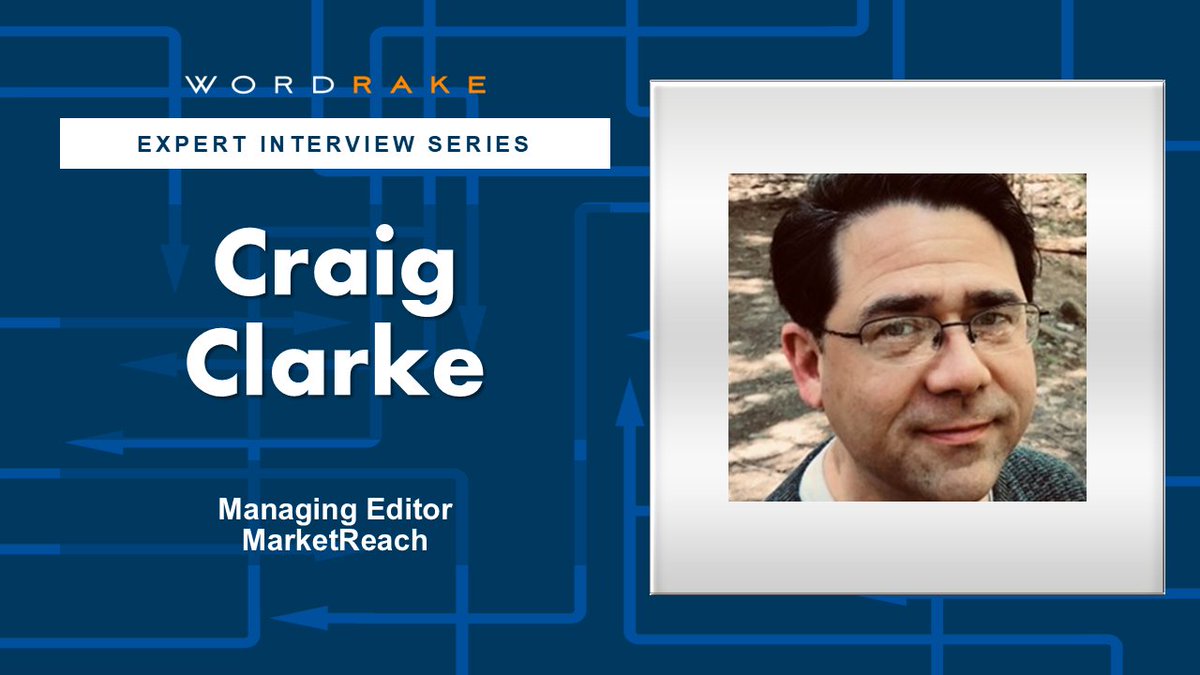
“An editor can tell what needs to stay and what can go without affecting the writer’s voice.” Everyone needs an editor, and Craig Clarke answers why. https://t.co/sSKxSX3TU3
Ever heard a writer or editor say the phrase: “killing your darlings”? If not, Craig Clarke defines the phrase and explains why it’s necessary. https://t.co/mAjlph29Pc
Are you tired of wading through boulder-like legalisms when more digestible wording could be smooth sailing? Professor Mark Cooney explains how breaking down those “boulders” makes legal writing clear in this article: https://t.co/9efAeUOoG0
“It is important to note that strong editorial practices are not meant only for people whose primary jobs are to create or edit content.” So who else should care? Professor Russell Willerton breaks it down in his new post: https://t.co/dsYHdYsDjK
Since he was a student, Craig Clarke always found errors in any document. While people maybe didn’t appreciate it then, he shares how his talent led to a career. https://t.co/BF6zRQ1sBT
AI isn’t really intelligent. It can’t think for you. Explore what you need to think about when choosing whether and how to use GenAI on a case in this in-depth white paper: https://t.co/qhIC9DYtzI
“Most experts underestimate that being “discoverable” isn’t just about being listed somewhere—it’s about being visible in the right places, with the right information.” Find more of Dr. Roy G. Taylor's thoughts below. https://t.co/soDVdo8CmJ
Telling a factual, evidence-based story gives an expert witness credibility. But sometimes, generalizations and exaggerations diminish it. In his interview, Douglas Seemann lists other ways experts lose credibility. https://t.co/lobbSCNPZk
Reputation is crucial in the expert witness industry. It takes years to build and seconds to ruin. Dr. Thomas J. Zaydon reveals a mistake to avoid to keep one’s expert witness reputation intact. https://t.co/NEWFRqrL2E
Do you know what type of editor to hire to help you? Anne Janzer explains the four levels of editing and the services that come with them. https://t.co/o9fGlIz1nT
Have you read a document that was clearly written by AI or a bot? What were the dead giveaways? Craig Clarke lists his in his interview. https://t.co/dTcicwyCBu
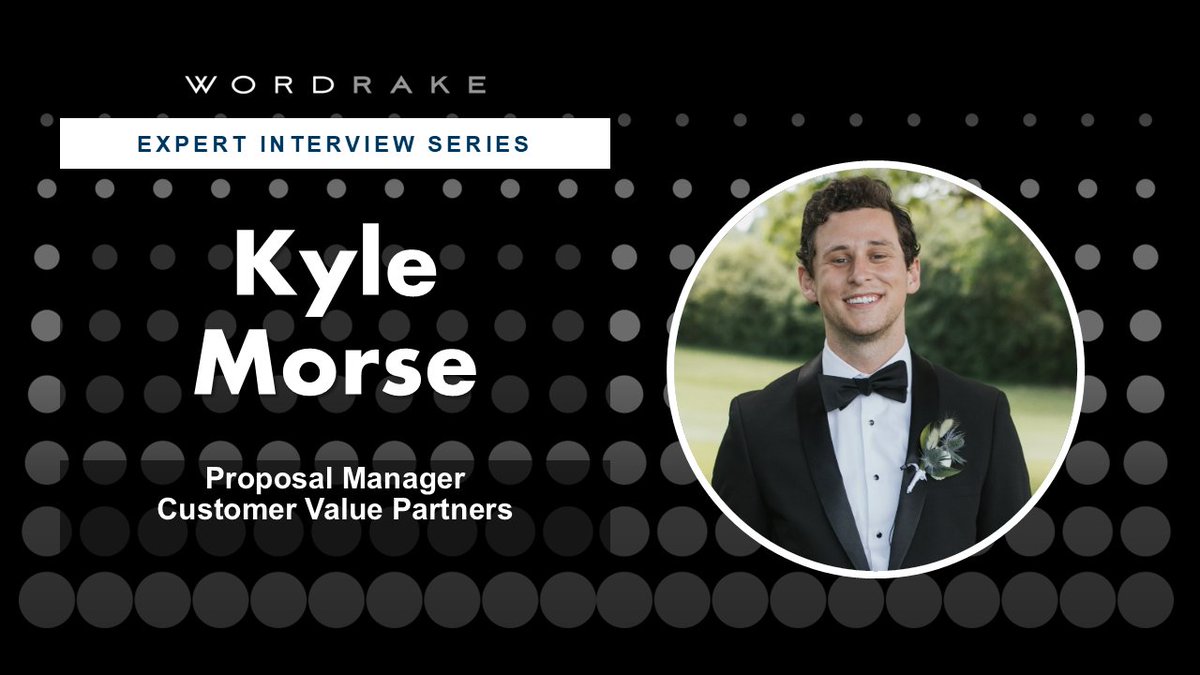
“Page limits are among the most persistent…challenges for proposal shops. …I’ll assign rough page allocations based on one guiding question: ‘What’s the least amount of pages we could use to write this section?’” Proposal manager Kyle Morse explains: https://t.co/LPCfSZK19b
“People learn to write in an academic setting, but few people read in one.” In his interview, Craig Clarke explains why prioritizing word count is a massive flaw in today’s writing education. https://t.co/XftRmNrt7h
“Ultimately, the more opportunities we create to bring attorneys and experts together, the strong the working relationship becomes.” Steven S. Paul provides solutions to cement mutual understanding between two legal audiences. https://t.co/NZDZhSJw9H