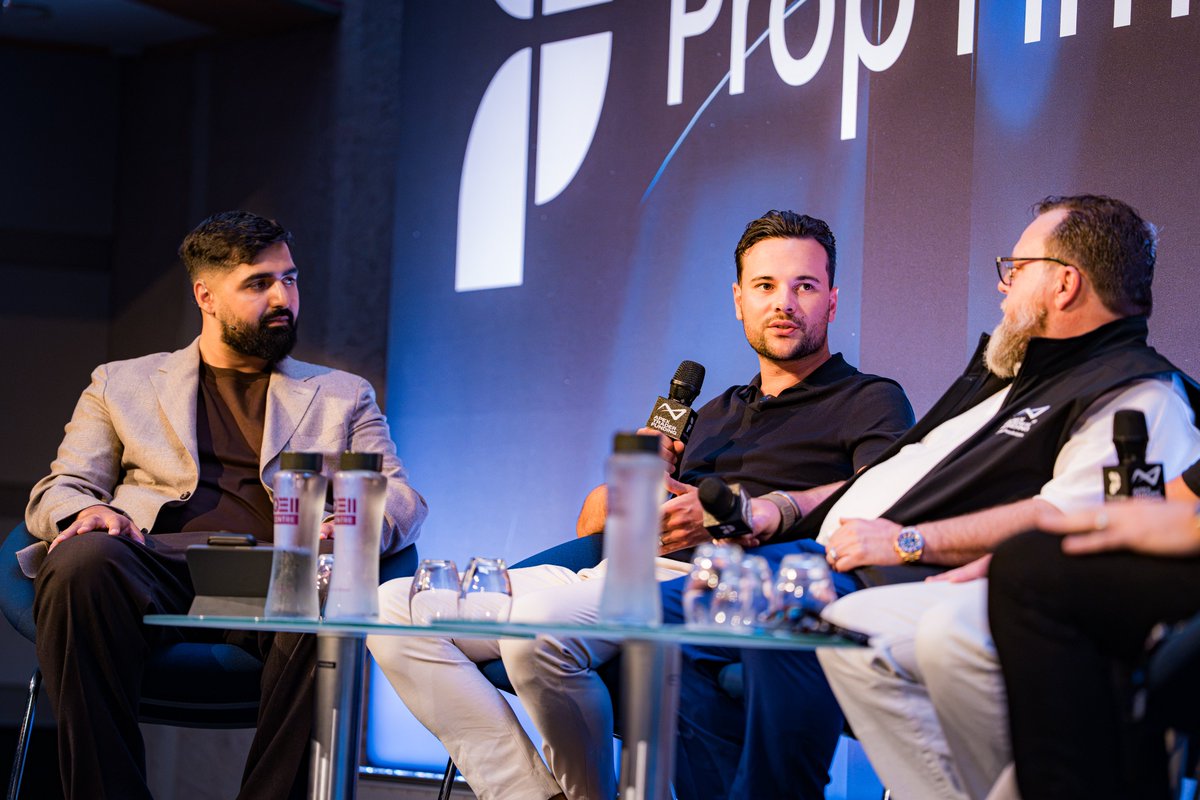
20 LOSING Traders vs A $2,000,000+ Prop Firm Trader 🚨
Trader Kane sits down with 20 struggling traders and exposes the exact habits keeping them from getting funded: overtrading, forcing setups, moving to breakeven too early, and refusing to stay patient.
Full episode👇
15 LOSING Traders vs One Of The BEST In The WORLD🚨
15 losing traders sit down with a $30M trader for brutal live breakdowns on overtrading, revenge trading, gambling, and the real reasons they keep losing money. Umar Ashraf holds nothing back.
Full episode👇
A trader once asked a question that almost every trader has asked at some point:
"What's the one strategy that works in every market?"
It's the dream, isn't it?
One system.
One set of rules.
One approach that makes money no matter what the market does.
Up.
Down.
Sideways.
Anything.
Then I heard Marci Silfrain explain why that dream causes so much frustration.
Marci said there's no system that works in every type of market.
It simply doesn't exist.
The market is constantly changing. Sometimes it trends higher for weeks. Sometimes it falls apart. Sometimes it goes nowhere and chops traders to pieces.
Yet many traders keep blaming their strategy every time conditions change.
They jump to a new indicator.
A new setup.
A new mentor.
Hoping the next thing will finally be the answer.
But what if the problem isn't the strategy?
What if the problem is expecting the same tool to work in every environment?
The best traders don't just study their setups.
They study the conditions where those setups thrive.
Because every strategy has a season.
The question is:
Do you know when it's time to trade your edge, and when it's time to wait?
Push me over 20k followers please….. thank you! I had 20 followers total like 18 months ago…. My my how times change. I used to always ramble about trading in real life and no one would listen. Now they listen to the rambles like it’s a cheat code. 🤦🏻♀️🤣🤦🏻♀️🤣
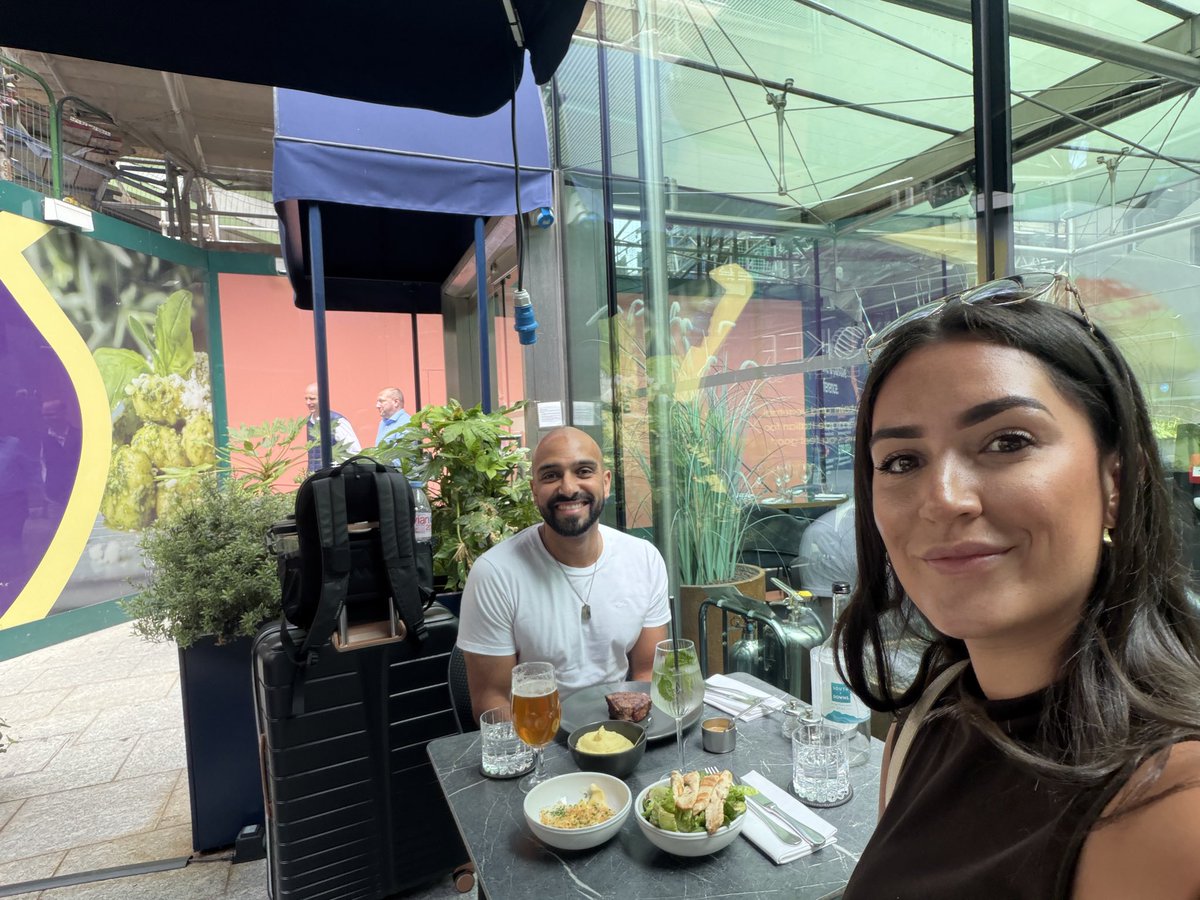
Had the best time in London yesterday with @TradingInTheNow recording a pod episode for @PropFirmTrader 🫶
I have a behind the scenes vlog dropping soon to my YT channel - if you haven’t already, go subscribe 🤝
I’m looking to do another video with @Wordsofrizdom.
We are organising a 15 v 1 in Miami on the 28th July.
If you want to get FREE in person guidance/feedback from me over the topics that you struggle with most this is your chance.
Make sure that you can be in Miami on the 28th July, fill out the form in DETAIL (if you don’t you won’t receive any response), be open and transparent about where you struggle most within your trading and be comfortable to be on camera.
Those who full out correctly will be contacted by a team member on Riz’s team for a zoom call to discuss in more detail and if selected you will be informed directly.
Looking forward to meeting some of you then!
https://t.co/xEZW57bPbc
$16M+ in verified trading profits. Alex Temiz says the most dangerous moment in your trading career isn't when you're losing.
It's when everything is going right.
"A lot of people feel like when they're on a win streak, that's when they're the most invincible. But that, to me, is when you're the most vulnerable."
Most traders treat a green streak like proof they've figured it out. They loosen up. They start attacking setups they'd normally skip. They stop questioning themselves.
And that's exactly when the market humbles them.
Alex doesn't even track his streaks. Not because he doesn't care about consistency, but because he knows what streaks do to your psychology.
They make you cocky. They make you sloppy. And before you know it, you're taking risks you never would have taken on a down week.
"If I was not self-aware and something crazy happened, I might be a little bit more loose with my risk."
His solution isn't complicated. When things are going well, slow down. Get more selective.
Treat the good run as a warning sign, not a green light.
The streak doesn't make you untouchable. It makes you a target.
Watch the Full Episode 👇
Jeff Holden is Head of Trader Development at SMB Capital.
He has spent years watching traders develop, and he keeps seeing the same pattern play out.
Traders pour energy into networking. Into searching for the right pod, the right partner, the right community.
Constantly looking outward for the thing that will elevate their trading.
But the traders who actually find that? They weren't looking for it.
"If you're doing really good, high quality work, there is no doubt people are going to find you and be attracted to that."
That's the shift most traders never make. They treat finding the right people as the input.
Jeff sees it as the output. The byproduct of doing exceptional work consistently over time.
And the work itself isn't complicated. It's the daily report cards. The honest self-assessment.
The process posted publicly so others can see the standard you hold yourself to.
"Just start doing the best work you can possibly do. Start doing your daily report cards.
Use this process. Post it online. People will find you. They really will."
When you operate at that level, the right people don't need to be chased. They come to you.
You stop having to seek and start having to choose because the quality of your work, then becomes a magnet...
and Everything else follows.
Watch the Full Episode 👇
Most traders think a bad trading day is hard. Logan knows otherwise.
Before he ever opened a chart, he was a US Marine and military contractor working in active combat zones. So when losses hit in trading, they didn't break him the way they break most people.
He found a strategy that worked. But what he says matters more — trading is 90% psychology, not the setup.
In 18 months he made over $500,000. Multiple six-figure months. One stretch where he turned $1,500 into $55,000 in just 8 days.
The numbers weren't luck. They were structure. The same discipline that kept him alive overseas kept him consistent in the market — routine, emotional control, showing up the same way no matter what happened the day before.
He's also honest about something most traders avoid. Strategies can't be backtested forever, because the market never stays the same. So he front tests constantly, staying alert instead of assuming yesterday repeats today.
Most traders try to control the market.
Logan learned long before trading that you can only control yourself.