Partnering with you to help British Columbians come home from work safe every day. This account is monitored M-F 8am-4:30pm. For emergencies call 1.888.621.7233
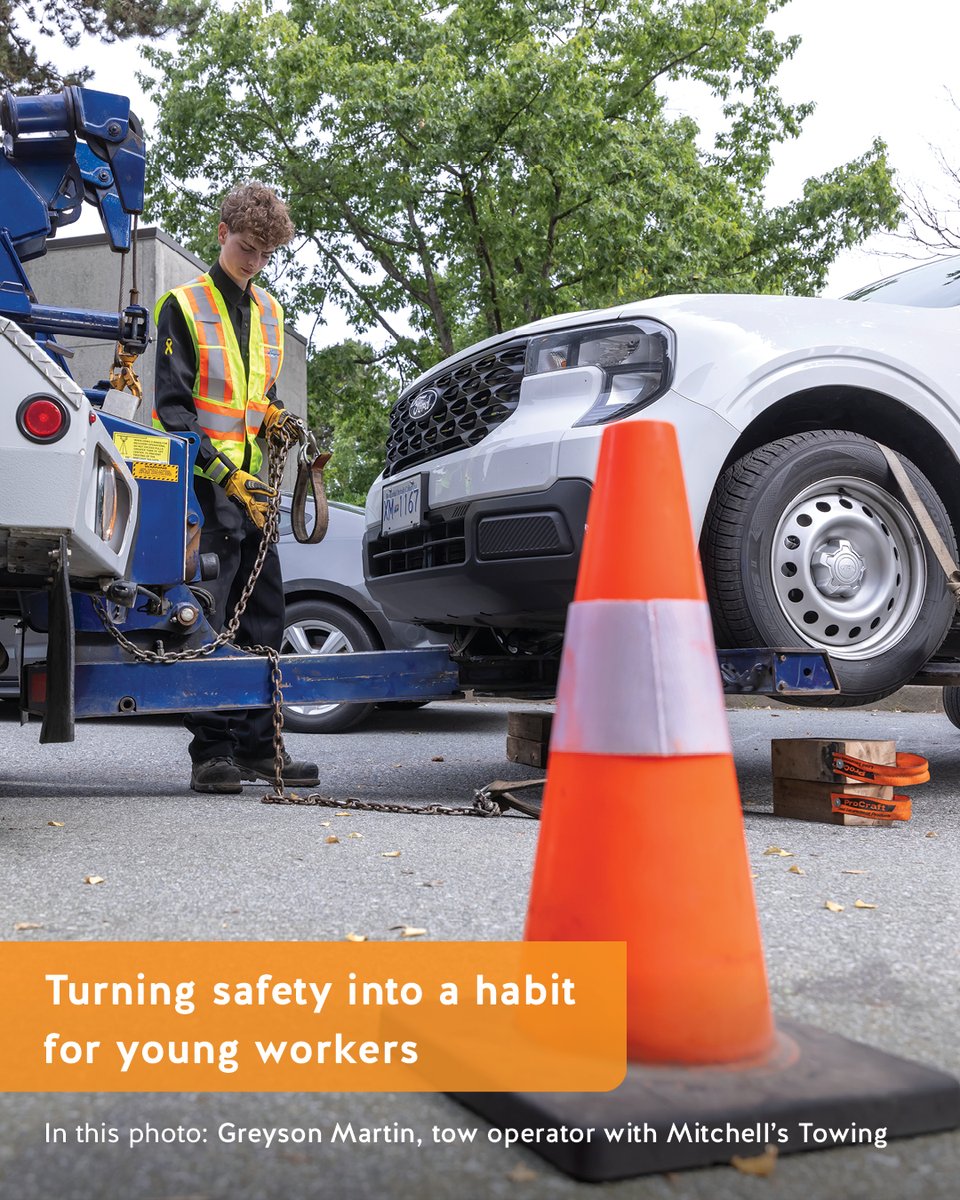
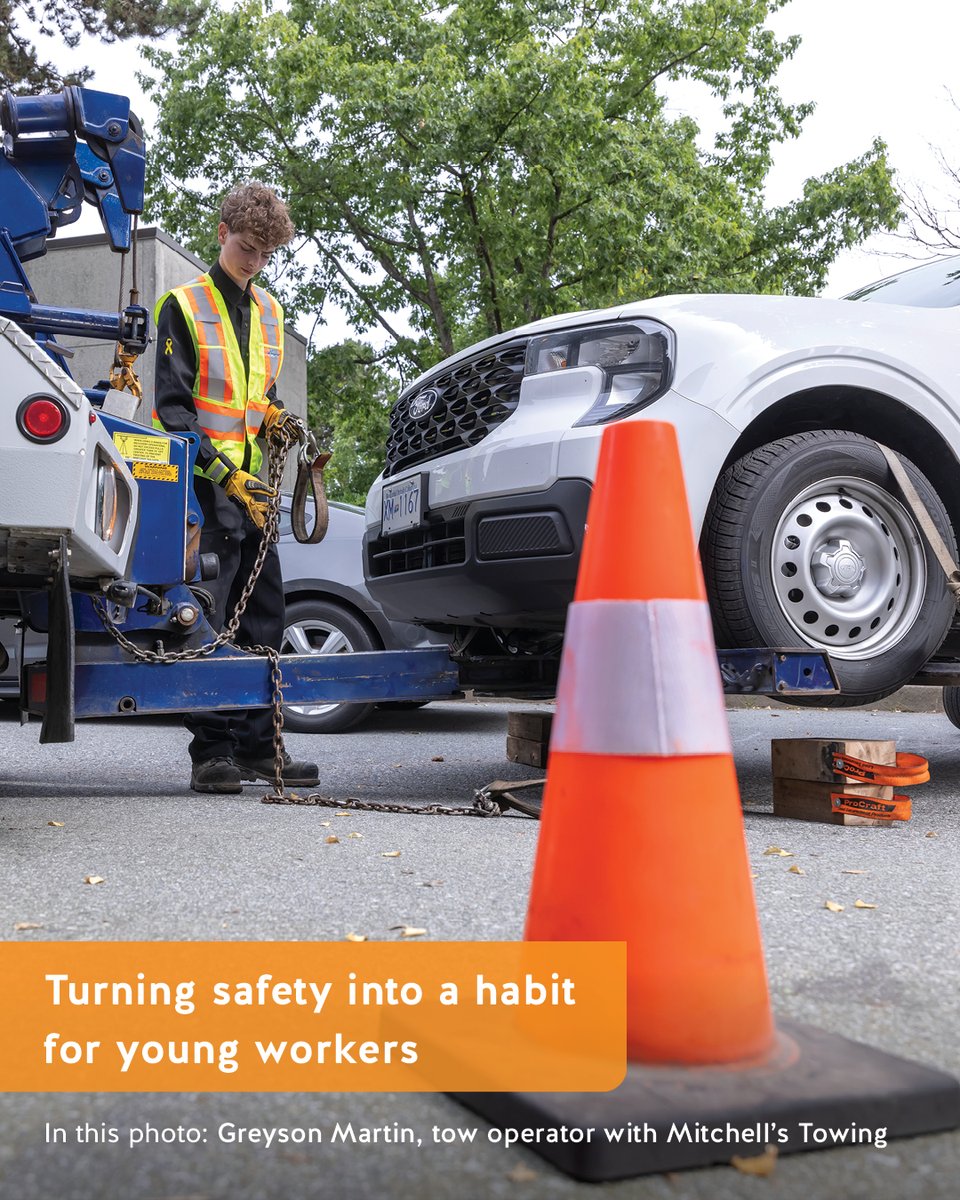
There’s no such thing as a routine tow.
Roadside conditions can change quickly, and every call can bring different risks. From busy highways to narrow mountain roads, towing workers need to be ready for changing conditions.
See how towing employers and workers are preparing for roadside risks and adapting as conditions change.
🔗Read the full story to learn more: https://t.co/AyHUrmfhMY
October is Manufacturing Month and Ergonomics Month!
This month, we’re highlighting ways to help prevent musculoskeletal injuries (MSIs) in manufacturing workplaces.
📢 Stay tuned for upcoming posts on common MSI risk factors, how to assess them, and practical tools to help manage the risks.
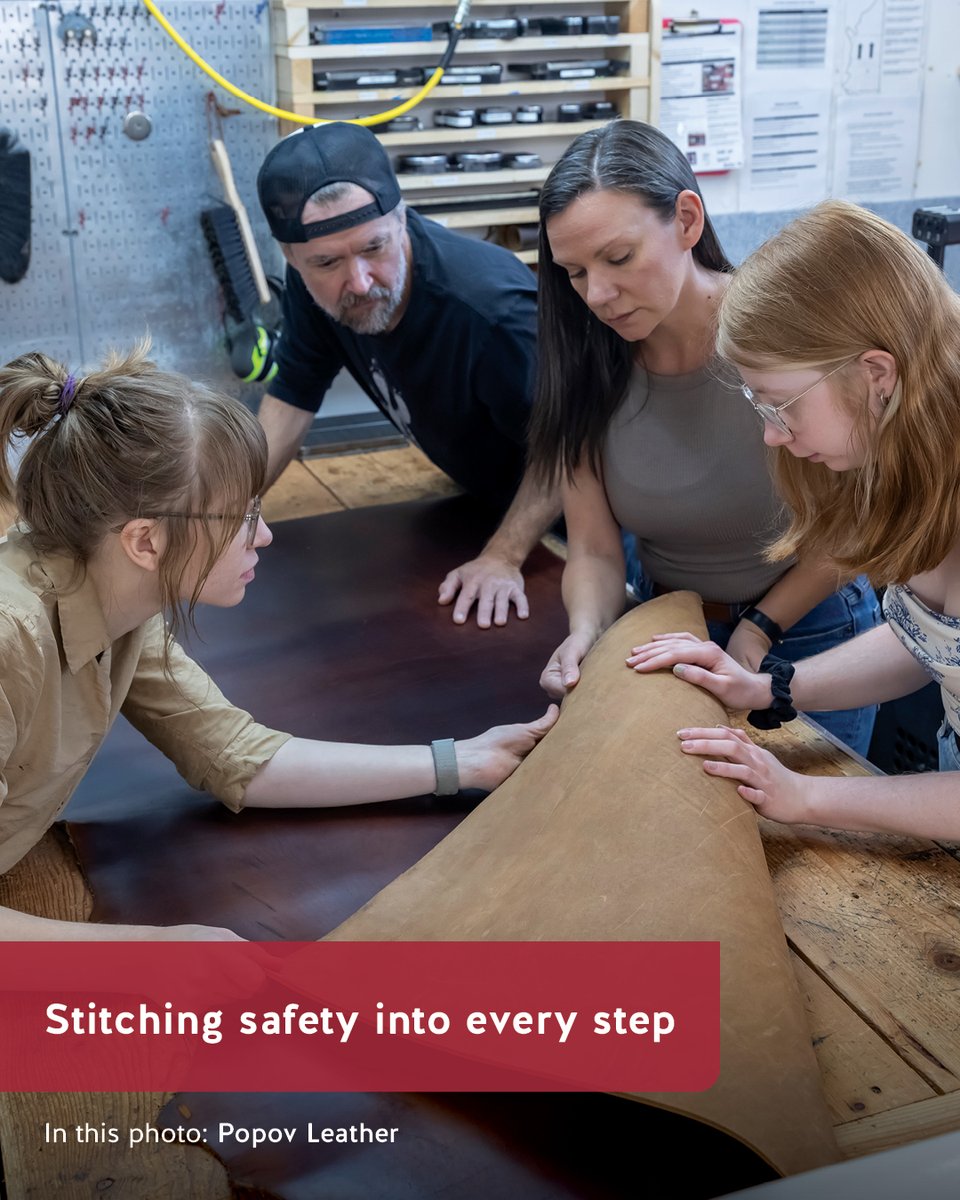
What can a small B.C. business teach us about workplace safety?
At Popov Leather in Nelson, B.C., practical training, worker involvement, and simple day-to-day routines all play a role in supporting a strong safety culture.
See how this small business is putting safety into practice and what other employers can learn from its approach.
🔗 Read the full story here: https://t.co/dTQJNn4r2l
Rotating telehandlers are versatile machines that can be used with a range of attachments and in many different work situations. That versatility can also introduce instability and increase the risk of rollovers, load failures and other incidents, especially when hoisting attachments are used without proper training.
In this Ask an Officer video, Theresa O’Hara, Occupational Health and Safety Officer at WorkSafeBC, highlights key hazards and ways employers, operators and others can help reduce the risks, including:
✔️ Conducting a site-specific risk assessment
✔️ Ensuring equipment meets the ISO 10896 standard
✔️ Providing workers with training specific to the equipment being used
📖 Read the WorkSafe Magazine article featuring Theresa to learn more about the risks associated with rotating telehandlers: https://t.co/WmtRrftrt0
October is Ergonomics Month, making it a great time to explore how Human Factors and Ergonomics (HFE) can help design safer workplaces and better support workers.
Join us for Ergonomics Day on October 22 to explore how ergonomics is evolving and discover new approaches to injury prevention.
📅 October 22
🕙 10 a.m. to 12:30 p.m.
💻 Free online webinar
Hear from industry and experts on two topics:
🔹The Future of Injury Prevention – Learn about initiatives from the Canadian Institute for Safety, Wellness and Performance (CISWP).
🔹Vehicle ergonomics: Driving and Working Safely from Your Mobile Office - Learn practical strategies for creating a safe and comfortable mobile workspace.
Register here: https://t.co/uwTocvAwJw
Small business owners: What’s a classification unit and why does it matter to you? 📋
Kelly, from our Assessments and Registration team, breaks down how your classification unit (CU) groups your business with others doing similar work and helps determine a premium that reflects the risks of your industry.
Watch part 2 of our video series to learn more about your CU and what it means for your premium.
👉 Find more information and resources for small businesses at https://t.co/3Ci4Apl617
Only two weeks left until the Caring for Communities Conference.
On October 27, frontline workers in community social services will come together in Langley for a full day of learning, connection and ideation about building supportive workplaces.
Hear from a range of speakers, connect with colleagues, and learn actionable insights about how to foster psychologically supportive workplaces.
🗓️ Tuesday, October 27, 2026
📍 Coast Langley City Hotel & Convention Centre
🔗 Register now: https://t.co/MQMJSYpZfz
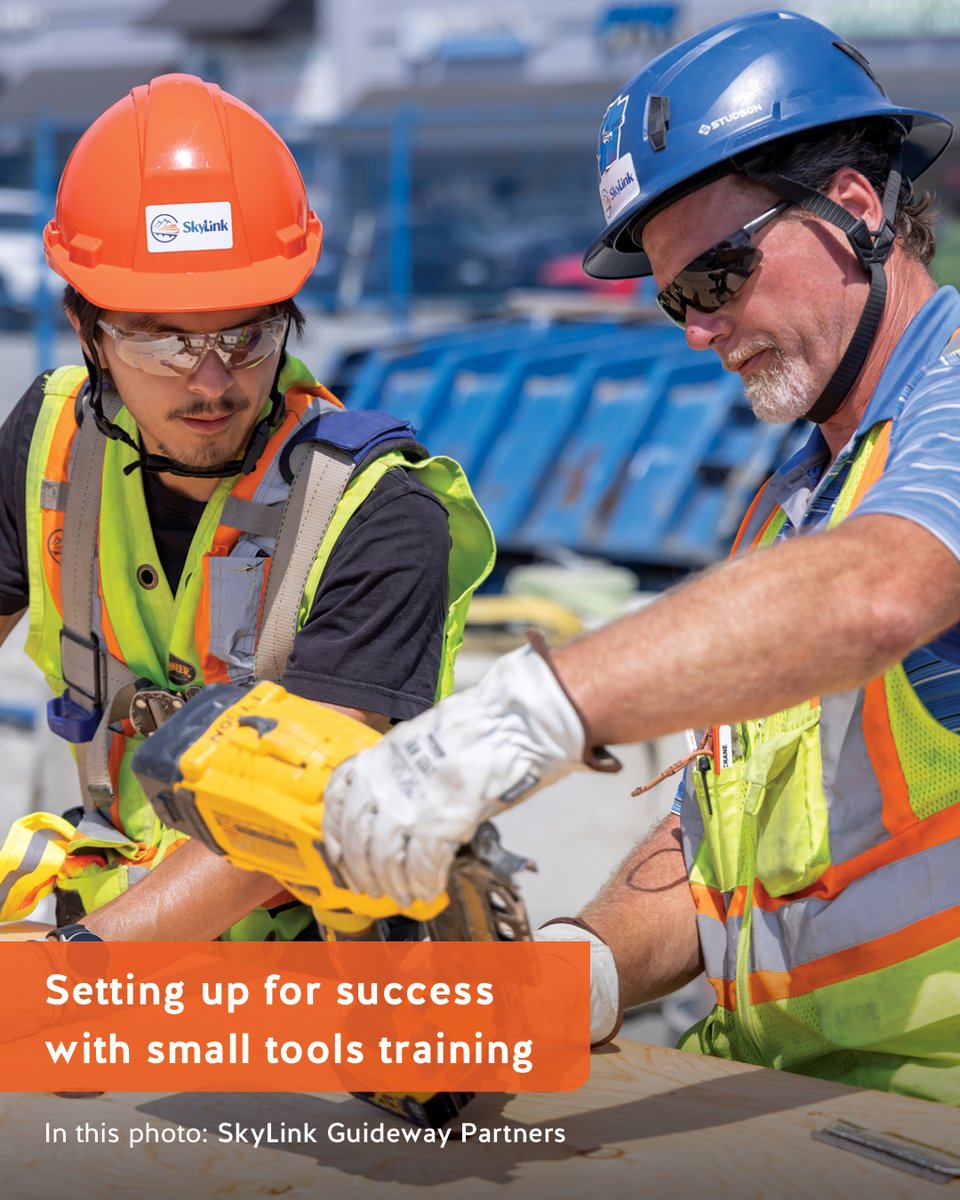
Hands-on training can help workers build safer habits from the start.
See how SkyLink Guideway Partners uses small tools training on the Surrey Langley SkyTrain project to give workers practical experience before they use tools on the job.
Workers learn by doing, whether it’s inspecting tools, recognizing hazards, and getting the right coaching from supervisors.
🔧 Read the full story to learn more: https://t.co/JxwDEYKvpx
We're seeking feedback on proposed amendments to Part 8, Personal Protective Clothing and Equipment — Standard of Fit, of the Occupational Health and Safety Regulation.
Consultation closes on Monday, October 26, 2026.
Learn more and provide your feedback here: https://t.co/cD6FY6Sgr0
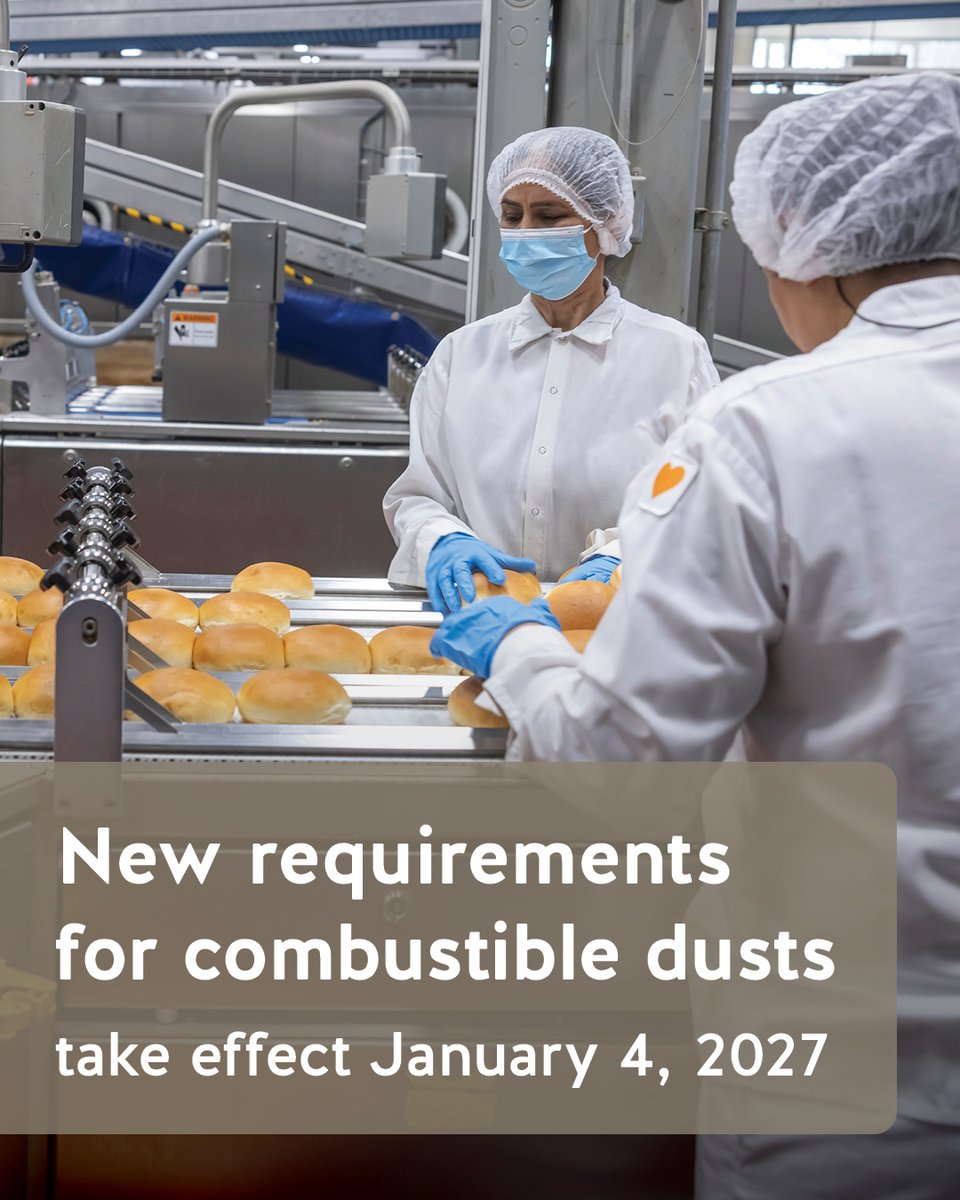
Dusts can be part of many manufacturing processes, from cutting and grinding to mixing and handling dry materials. In some cases, they can even create a fire or explosion hazard.
⚠️ New WorkSafeBC requirements for combustible dusts take effect January 4, 2027.
🔗 This Manufacturing Month, take a closer look at your workplace and find out whether the new requirements may affect you: https://t.co/Qixmqcs56S
Running a small business and wondering what affects your WorkSafeBC premium?🤔
Kelly, from our Assessments and Registration team, breaks down the three key factors: your industry, payroll and workplace health and safety. Watch to better understand how your premium is determined and what it means for your business.
👉 Learn more about WorkSafeBC coverage and resources for small businesses at https://t.co/0xDOPogVML
What can help workers start safer, build confidence, and stay prepared?
Our latest issue of WorkSafe Magazine emphasizes the power of preparation and shares practical tools, helpful tips, and real-world examples to support safer, healthier workplaces.
Inside this issue:
• Practical tips for training new and young workers
• Safety lessons from a small B.C. business
• Preparing for roadside towing risks
• Building safer, more respectful workplaces
• Upcoming regulatory and online service updates
🗞️ Read the Fall issue now: https://t.co/yiPt4K5vvE
What can help workers start safer, build confidence, and stay prepared?
Our latest issue of WorkSafe Magazine emphasizes the power of preparation and shares practical tools, helpful tips, and real-world examples to support safer, healthier workplaces.
Inside this issue:
• Practical tips for training new and young workers
• Safety lessons from a small B.C. business
• Preparing for roadside towing risks
• Building safer, more respectful workplaces
• Upcoming regulatory and online service updates
🗞️ Read the Fall issue of WorkSafe Magazine: https://t.co/dEY3OSEwtk
What do bakeries, plastics manufacturers and metal shops have in common?
They may not be the first workplaces you think of when you hear “combustible dusts.”
Dusts from materials such as grain, metal, plastics, wood and chemicals can create a fire or explosion risk when it accumulates or becomes airborne.
📢 Changes to the Occupational Health and Safety Regulation related to combustible dusts will take effect January 4, 2027, with updated requirements applying to an expanded range of workplaces.
👉 Learn what’s changing and how your industry may be affected: https://t.co/yjT5J64j6Y
Registration for the Vancouver Island Safety Conference closes October 2. 📅
If you work in B.C.’s forestry and wood product sectors, don’t miss this opportunity to join your colleagues on October 17 for a free day of learning, discussion and practical insights from experts.
Hear personal experiences and expert insights from speakers, connect with peers from across the industry, and explore what it takes to build that safety that lasts.
Register now: https://t.co/enMN5W5Ha7
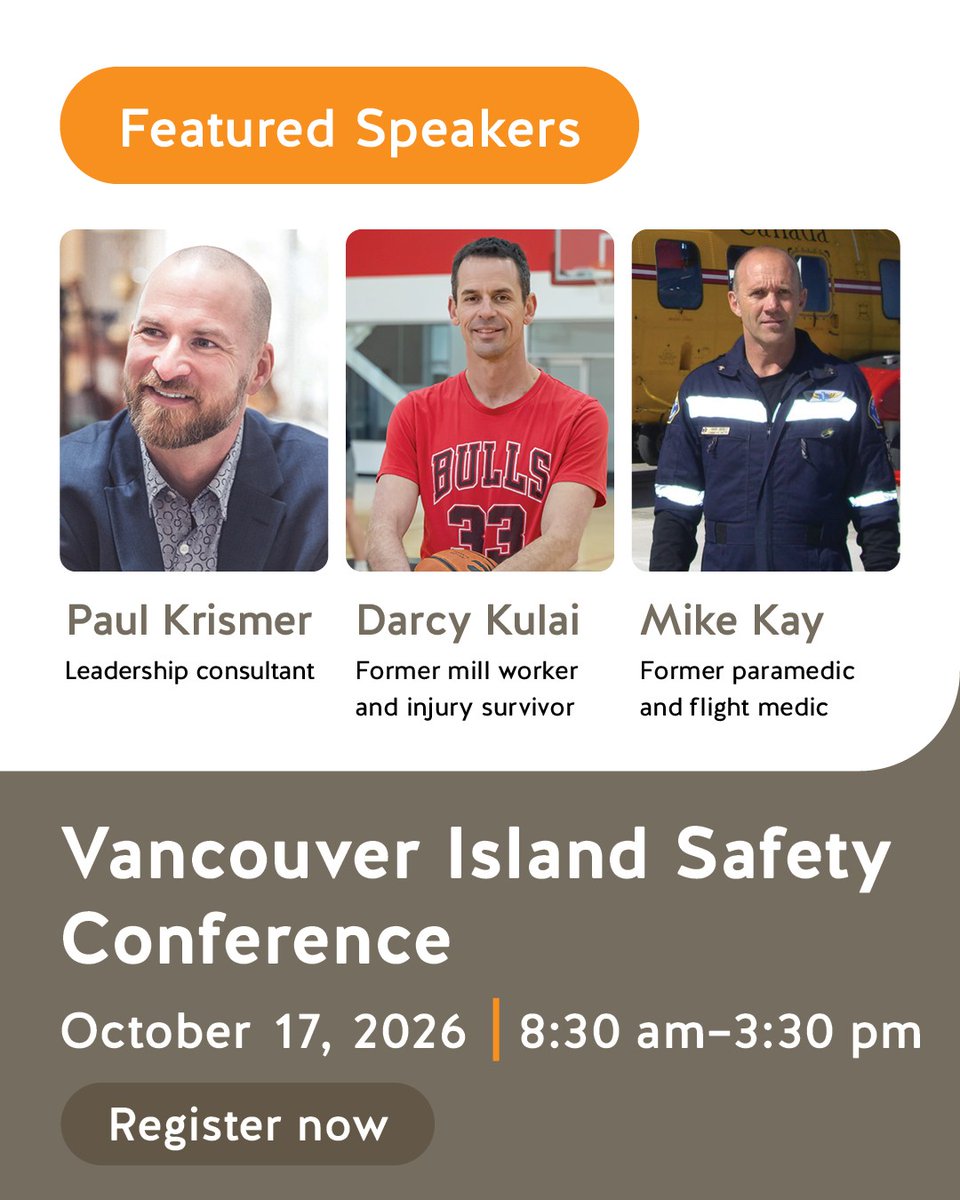
Curious about what to expect at the 2026 Vancouver Island Safety Conference?
Hear safety presentations grounded in personal experience and professional insights from experts in the forest and wood product sectors on how to build safer workplaces.
Keynote speakers include:
➡️ Paul Krismer, on improving engagement, leadership and resilience in workplace culture.
➡️ Darcy Kulai will share how gaps in training and communication can lead to serious injuries.
➡️ Mike Kay will discuss first aid and emergency response planning in remote workplaces.
You can also connect with industry leaders and peers and take away safety tools and practices to apply in your workplace.
Learn more and register: https://t.co/I02sJ4UBzV
Think only wood dust is combustible? Think again.
Combustible dusts can be created during many processes, like cutting, grinding, sanding, polishing, mixing, or handling dry materials.
️New combustible dusts safety requirements take effect January 4, 2027. These updates may affect workplaces in food manufacturing, plastics and rubber, metal machining and finishing, agriculture, recycling, and other industries.
👉 To learn more about the changes and how they apply to your work, visit https://t.co/OxCAU1BR3u
📅 Public consultation deadline has been extended to November 6, 2026.
Have you reviewed the proposed changes to workplace health and safety requirements related to psychological health and safety, and harassment and violence?
WorkSafeBC’s public consultations are underway, giving employers, workers, stakeholders, and anyone interested in workplace health and safety an opportunity to review two proposed amendments to workplace safety regulations:
📌 Psychological health and safety
📌 Harassment and violence
Your feedback can help inform the final regulations and support practical approaches that reflect the needs of B.C. workplaces.
Share your feedback by 4:30 p.m. on Friday, November 6. https://t.co/0LdzrNeNzv
🔈Meet the speakers for the 2026 Caring for Communities Conference
This year’s conference brings together voices from across the community services sector to explore ideas and strategies for creating psychologically supportive workplaces.
Featured speakers include:
➡️ Dacia Douhaibi, opening keynote speaker on centering workers as whole people in the workplace.
➡️ Len Pierre, closing keynote speaker sharing Indigenous Cultural Safety tools to foster more connected and culturally responsive community services.
➡️ Amenda Kumar, discussing how resilience and psychological health and safety can influence injury risks and support recovery.
Join on October 27 for a day of learning, connection and inspiration.
Learn more and register at https://t.co/7TSiTSR3uT
We're seeking stakeholder feedback on sections 4.107 and 4.110–4.118, Harassment and Violence, of the proposed new Part 4.1, Psychological Health and Safety, Harassment and Violence, of the Occupational Health and Safety Regulation.
Consultation period ends on Friday, October 9, at 4:30 p.m.
Learn more: https://t.co/ZFxw6c89YT