How do you manage a team when some people are best in the morning and other in the afternoon?
If we knew what worked for each individual, would you group them in teams appropriately?
Find what works for you.
Writer John Cheever would write every day in the storage unit of his apartment. (In his boxer shorts, it turns out.)
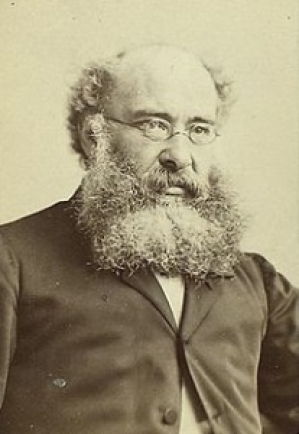
While fellow write Anthony Trollope would write 250 words every 15 minutes for two and a half hours.
A great quote from writer Maya Angelou - "I try to start work around 7, and I work until 2 in the afternoon. If the work is going badly, I stay until 12:30. If it’s going well, I’ll stay as long as it’s going well."
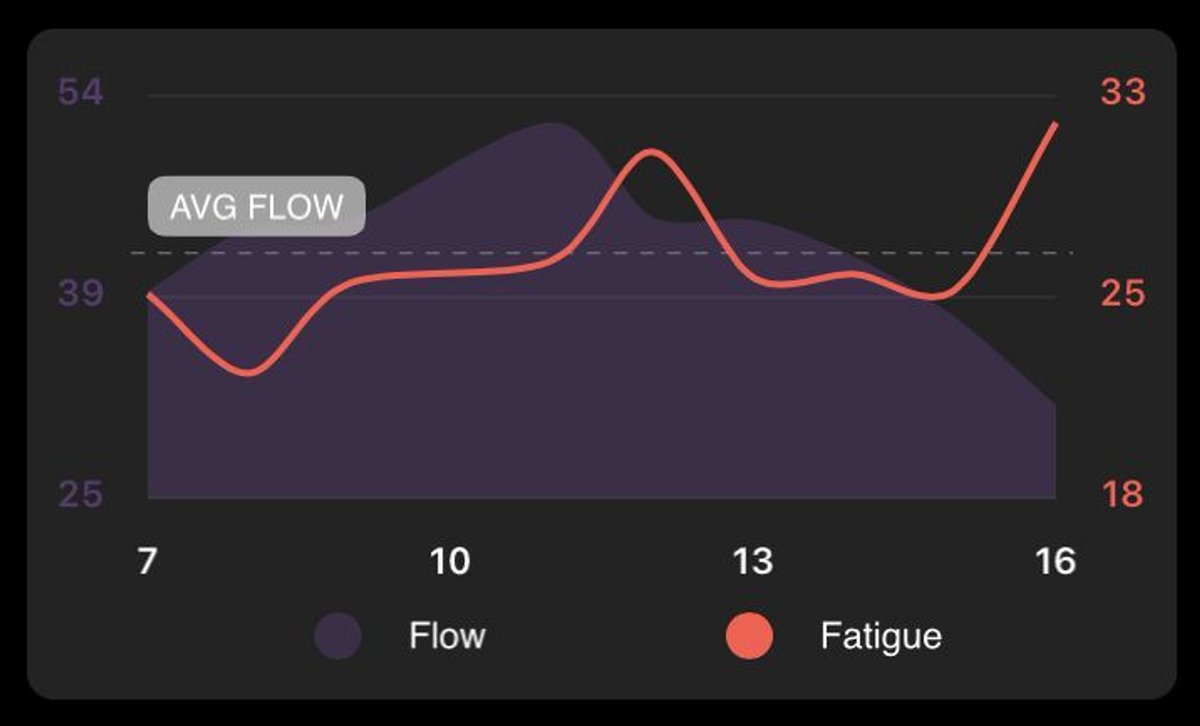
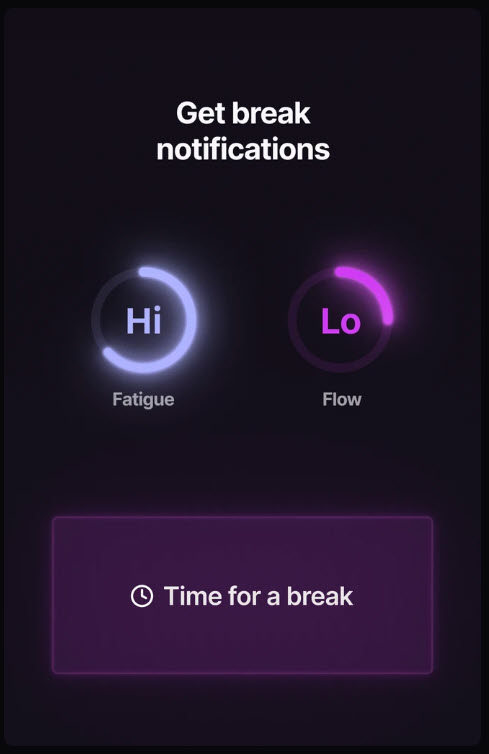
Then other days, fatigue is high, flow is low, and every task is a battle. These days, it is best to turn the focus to process-driven tasks rather than creative pursuits.
What you learn and its impact on adjusting your tasks so you undertake what you are ready for is amazing.
Our team are using Pylot to track our productivity every day. While the main purpose is to test our product before launch, we are constantly surprised by what we learn about ourselves.
Some days we are on. In flow and making good progress on those big in-depth tasks. ⬇️
2. Block out that time in your calendar for deep work on high-priority tasks only 🗓️
3. Schedule your shallow tasks (meetings, emails, etc) in your least productive hours.
Use this approach to maximize your productivity and consistency.
Most of us have a specific time of the day when we are at our peak performance 💪, but how can we take full advantage of that? Here's how it works:
1. Identify your most productive hour(s) of the day.
⬇️
This is a post on the work routine from our CEO, Ben Wisbey:
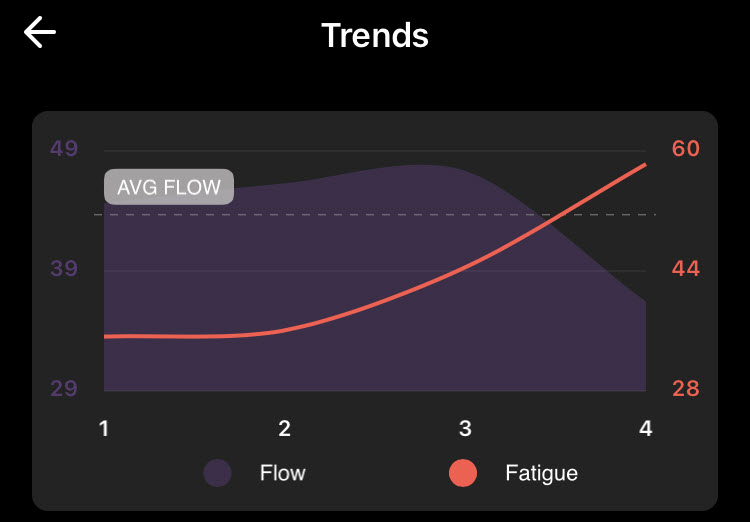
When I plan my day, I generally try and schedule three uninterrupted work blocks, each of 1.5 - 2 hours.
Somedays that doesn't happen and I might only get two. Somedays, I feel like I am winning and get in four. ⬇️
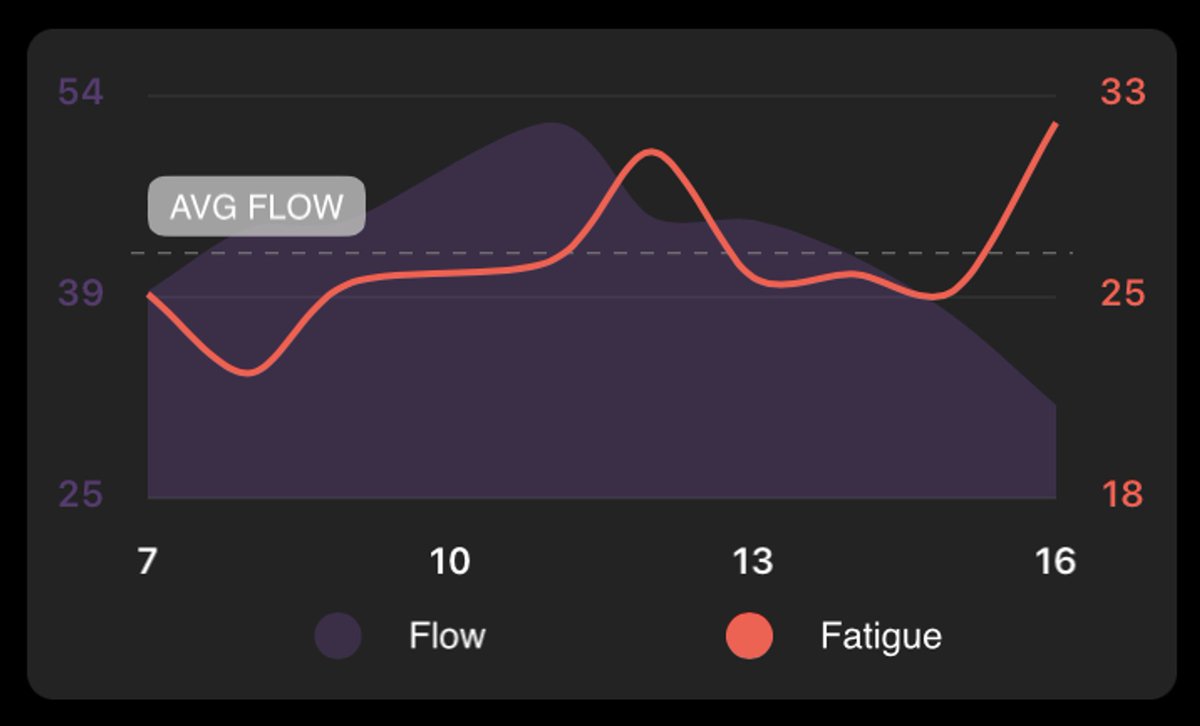
Now that I am using Pylot, I am questioning the need for that 4th work block.
As this image shows, my flow for the first three is good, and even though my fatigue increases in the 3rd, it isn't anything too drastic.
But look at that 4th work block. High fatigue and low flow. ⬇️
There is a sense of satisfaction in having half a day of work completed by 9am.
But let's not think that starting at 5AM makes you a hero. Some people sleep in late and then work well into the night (far past most of our bedtimes). They are super productive in those late hours.
There is always talk of the 5AM routine, and in recent years, it seems to have become a badge of honour for many people.
It is a great feeling to get up early and get straight to work. No distractions make it the most productive time of the day for many people. ⬇️
4 years ago, we set out on a mission to track mental performance. We always thought this would be a year-long project. Instead, we are finally preparing to launch......
We couldn't be happier with the end result.
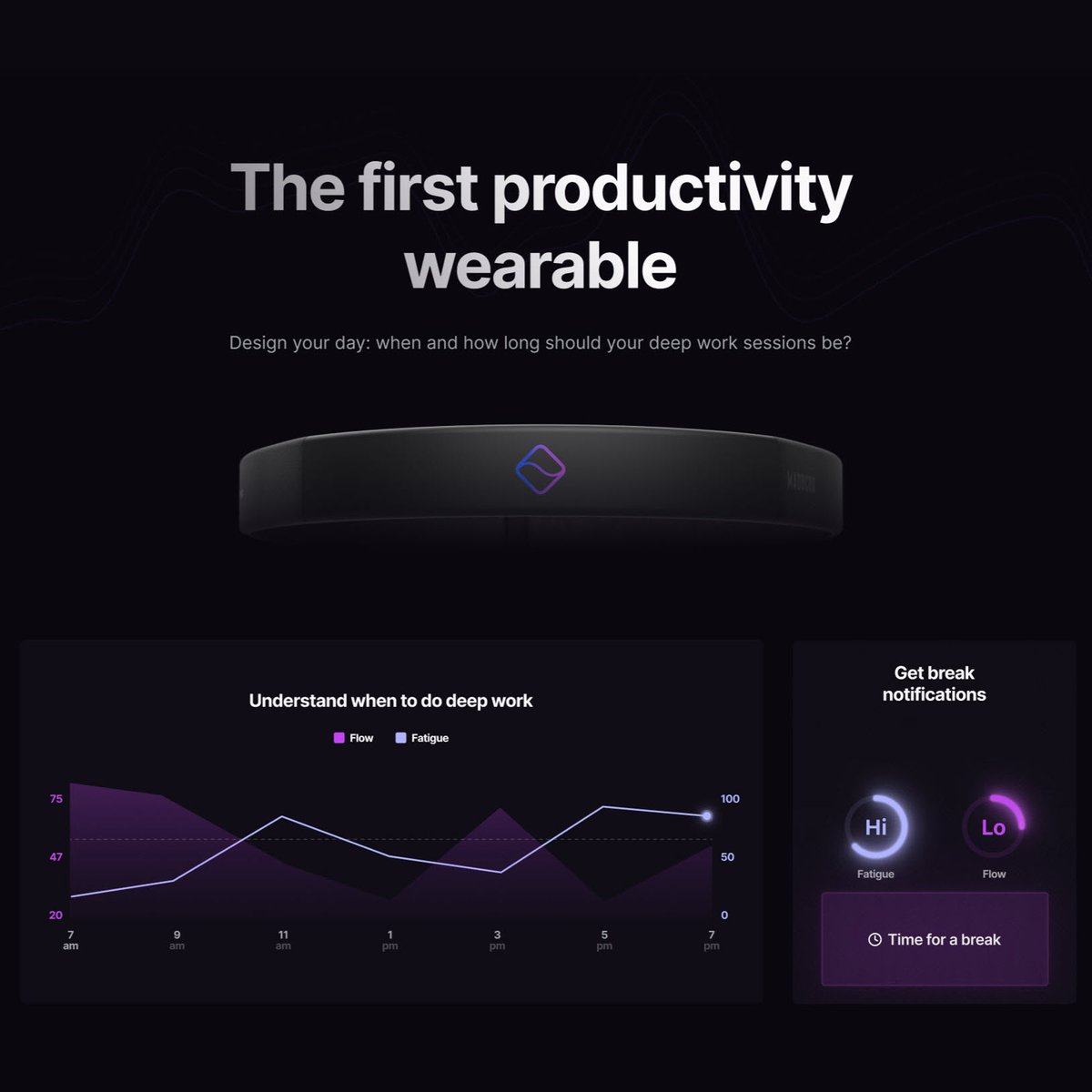
Big News: Say Hello to Pylot!
We're excited to announce that our wearable is now called Pylot! We've made this change to better reflect our focus on helping users improve their work and study productivity, as well as other pursuits, such as gaming.
https://t.co/zJjgy8eaFO
Mastering 'flow' is essential for peak performance during deep work.
1. Find times that work for you
2. Keep your deep work sessions to 2 hours.
3. Give yourself a real break when needed.
4. Create the right environment.
Habits and routines = Flow = Deep Work
Deep work: a powerful recipe for success, but are you using it effectively?
As a general rule, deep work blocks should be around 90 minutes to 2 hours. This timeframe allows you to maintain focus and achieve meaningful progress on tasks without experiencing mental fatigue.
Are you wasting your most productive hours? 🕰️
1. Identify your most productive hour(s) of the day.
2. Block out that time in your calendar for deep work on high-priority tasks only 🗓️
3. Schedule your shallow tasks (meetings, emails, etc) in your least productive hours.
Our productivity experiment now has two weeks of baseline data.
The next step is to trial different interventions to see what has the most positive impact.
https://t.co/ceNAYkW2D8