Missed it? Replay the launch of the Atlas of Global Development 2026, live from our headquarters in Washington, D.C.
Start streaming and explore 75 years of development in interactive data visualizations and storytelling. https://t.co/E0jCN3bLRC
Some of tomorrow’s biggest growth stories may be hiding in today’s frontier markets.
56 economies now fall into this category, spanning Africa, Asia, Latin America, and the Middle East. But faster access to finance has not always meant faster development. https://t.co/a8Aoqe9wPc
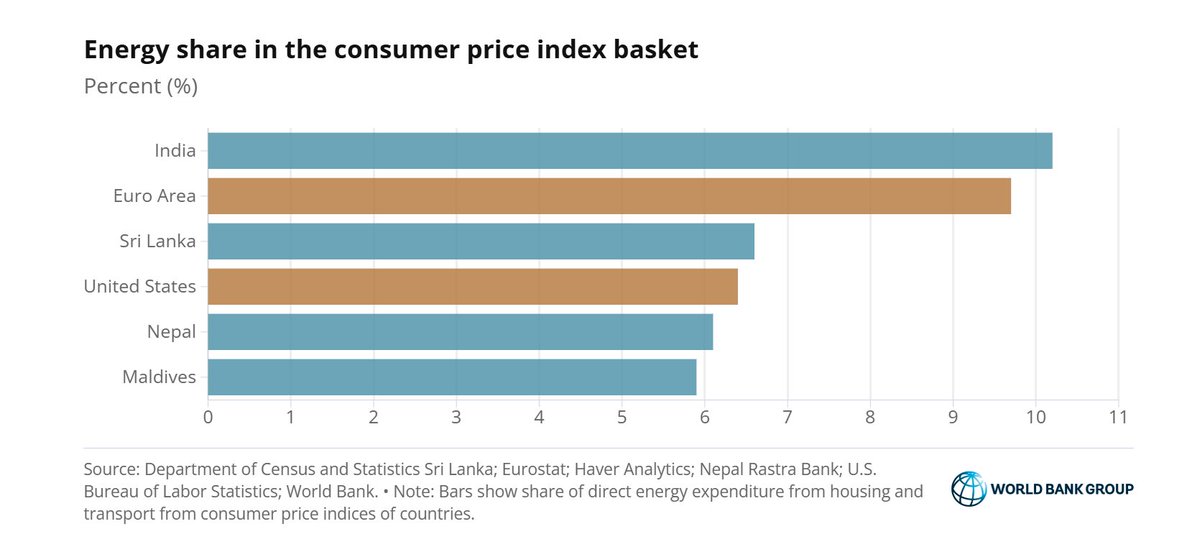
For many of South Asian households, rising oil prices mean higher food, transport & electricity costs—and potentially lower remittance flows from the Gulf.
Our latest South Asia Economic Update explains why the region is highly exposed to energy shocks: https://t.co/9bdlN4U16Z
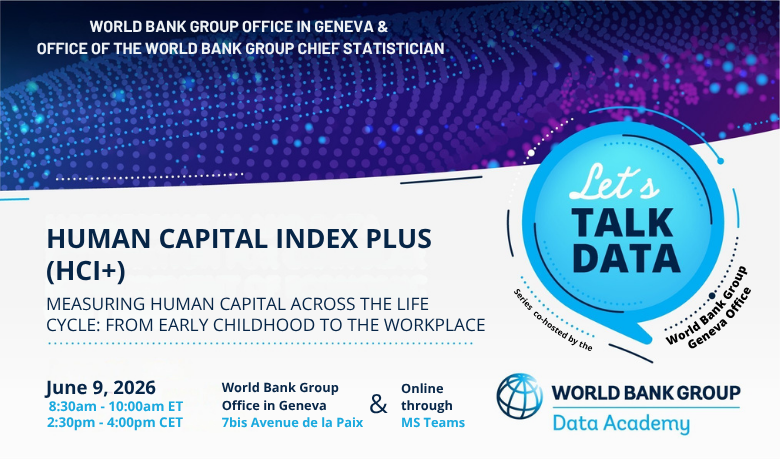
Human capital does not stop developing when people leave school.
The Human Capital Index Plus (HCI+) captures how skills are gained—and sometimes lost—throughout life, including in the workplace.
Register for our next LET'S TALK DATA in Geneva event: https://t.co/nYBljJcSJL
The strongest predictor wasn't a better algorithm.
It was better information.
A four-country study finds that simple mobile phone records can help identify chronic poverty — even where traditional survey data are scarce or outdated. https://t.co/lOds7OBNIV
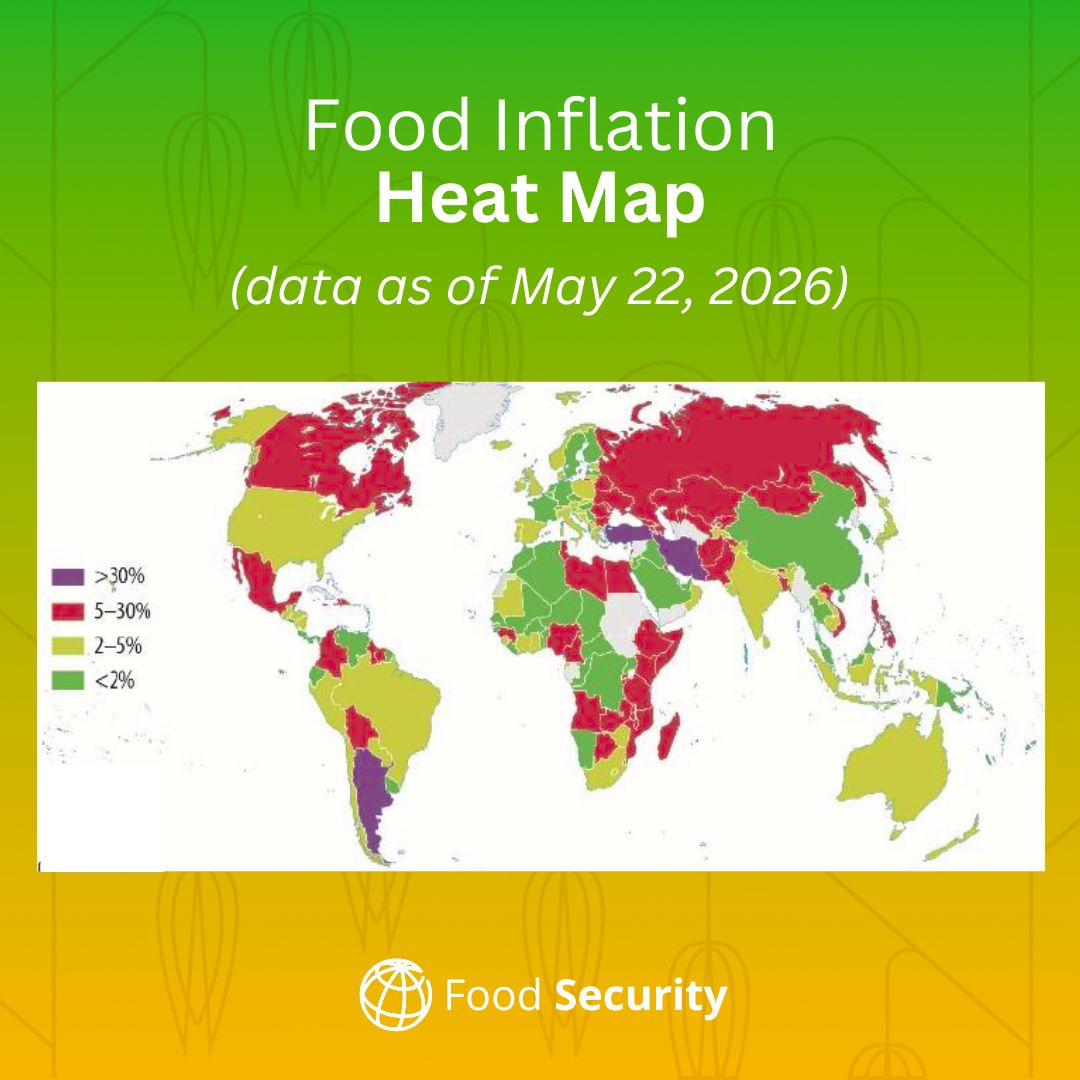
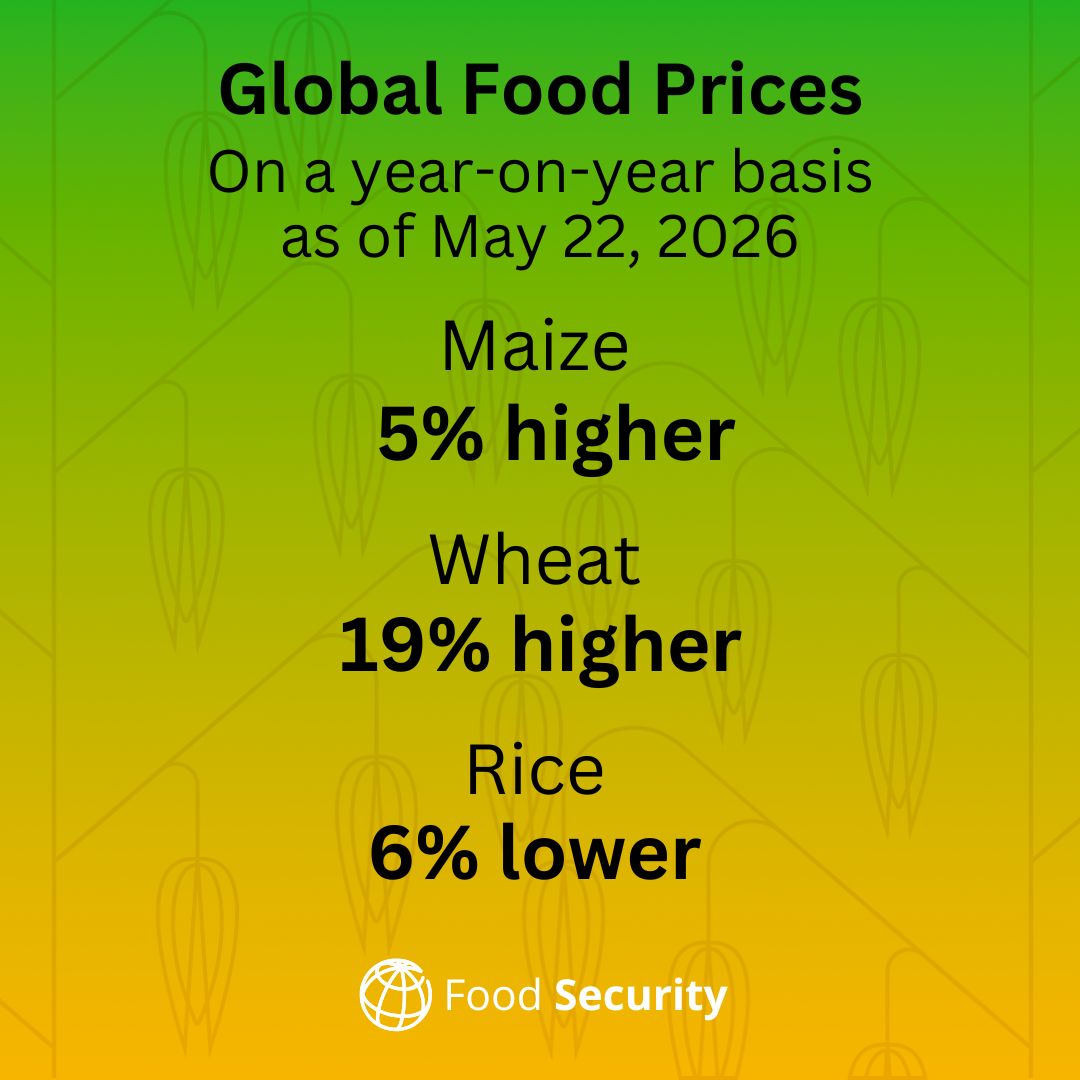
The May #FoodSecurity Update is out!
Get insights on:
1️⃣ the global food market outlook
2️⃣ emerging issues
3️⃣ regional updates
Download: https://t.co/z1o9HwkKpd
Finding trade data is one challenge. Understanding what those data mean for policy is another.
A newly AI-powered tool now combines data discovery & methodological guidance in a single interface, helping users move more faster from numbers to insight.
➡️ https://t.co/2aY29VZbX9
The Strait of Hormuz handles a major share of global #fertilizer exports—and recent disruptions have already pushed urea prices up 80% since February.
The latest April release of our Commodity Markets Outlook explains the ripple effects on fertilizers: https://t.co/sMYZTzo48Y
In nearly 6 out of 10 low- and middle-income economies, the latest poverty survey is more than five years old.
The Atlas of Global Development 2026 explores what weak and outdated data systems mean for development policy and decision-making: https://t.co/PjhQef8Nib #WBGAtlas
Workers who lose their jobs often receive two forms of protection: time to prepare and money to cushion the shock.
New B-READY 2025 data show that notice periods are remarkably similar worldwide, while severance pay varies widely across economies.
More: https://t.co/P9MD7kKHZC
Human capital does not stop developing when people leave school.
The Human Capital Index Plus (HCI+) captures how skills are gained—and sometimes lost—throughout life, including in the workplace.
Register for our next LET'S TALK DATA in Geneva event: https://t.co/1VE53zOfjE
Progress hasn’t stopped—but it has slowed to its weakest pace in decades.
Our blog breaks down what the Atlas of Global Development 2026 reveals about where the world stands—and where it’s heading.
Read the key insights: https://t.co/9Yxn1WiiLl
Geospatial building footprints are revolutionizing infrastructure planning. From disaster risk to energy access, satellite-derived data is changing how governments use microdata.
Learn more: https://t.co/34IwbCSO56
Can mobile phone records help identify people living in poverty?
Evidence from Afghanistan, Côte d'Ivoire, Malawi, and Togo suggests they can — especially when the goal is to identify chronic poverty and vulnerability where survey data are limited: https://t.co/GdFyj3olnl
What if inequality is higher than we think? Household surveys often miss the richest households—creating a gap with national accounts.
New evidence explores what happens when we adjust for the “missing rich."
➡️ https://t.co/6xNf3qFuiL
Some development goals are so ambitious that countries would need to compress more than a century of historical progress into a single generation.
So how should countries set development targets that are ambitious—but still achievable?
Explore: https://t.co/a6BAejGdmS #WBGAtlas
June 16, World Bank HQ | Stanley Fischer Memorial Lecture at #ABCDE2026:
"Public Debt and Central Banks" — delivered by former @WorldBankGroup President @DavidMalpass.
Register ➡️ https://t.co/NpWWUnpDlN
More information ➡️ https://t.co/oaHMWWDVl9
The geography of poverty has shifted: Once centered in East Asia, now 2/3 of the global poor live in Sub-Saharan Africa.
Take a closer look at how inequality and fragility impact progress in three insightful charts: https://t.co/hVAoliwg2A
Want a 360° view of any economy? With #Data360, you can explore a complete picture of economic and social development for over 200 economies.
Country data, but smarter! Try it now: https://t.co/K1gbhDQzbv | #DataMeetsDevelopment
Which countries are getting the most out of their human capital—and which are leaving earnings on the table?
The new @WorldBankGroup Human Capital Index Plus (HCI+) ranks countries by lifetime productivity potential.
See where yours stands: https://t.co/79LAAyXCF7