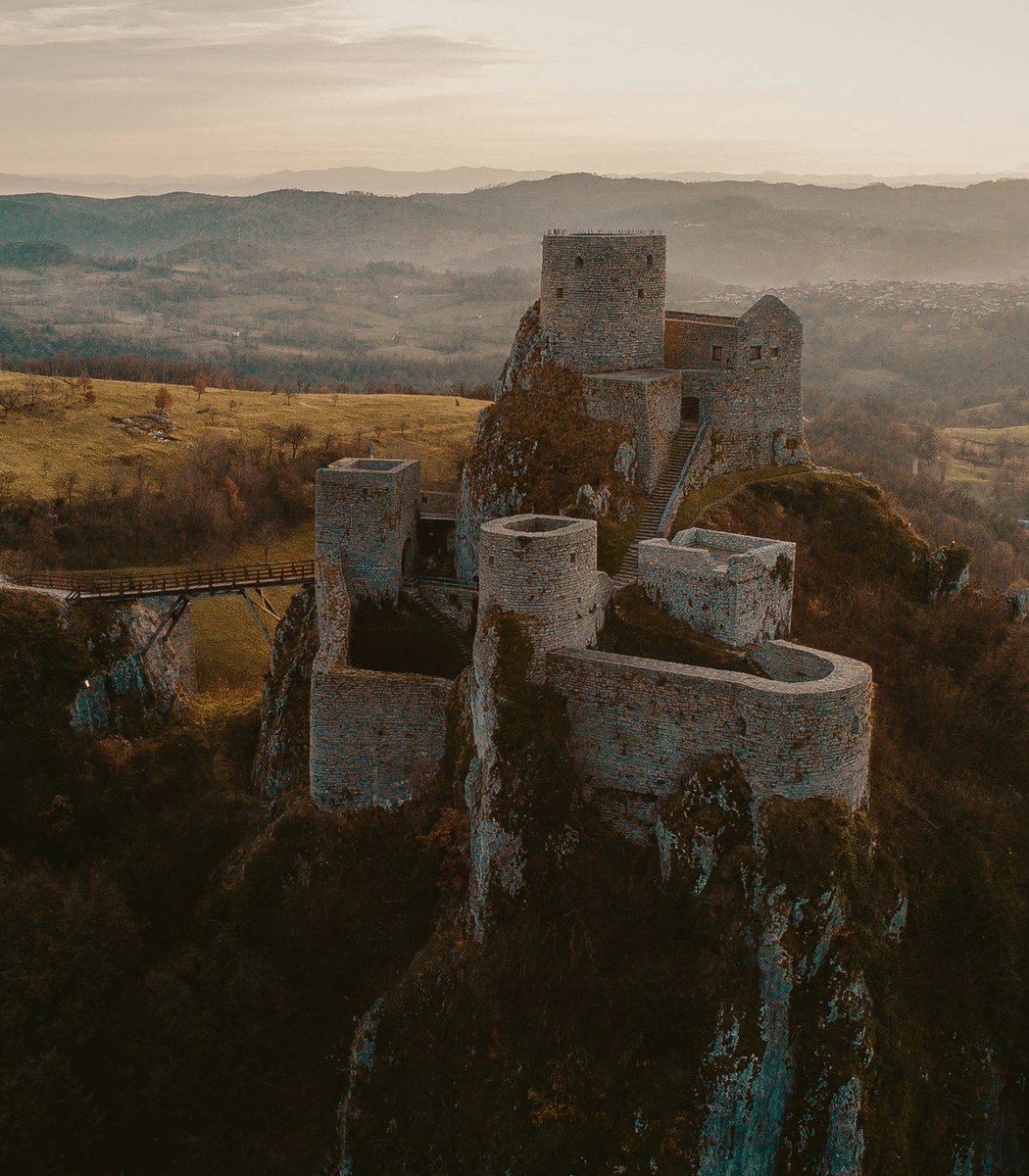
Srebrenik Fortress - Bosnia and Herzegovina
One of the country's best-preserved medieval castles and a former seat of Bosnian rulers.
Perched on a steep, isolated rock, it was the court of Ban Stjepan II Kotromanić
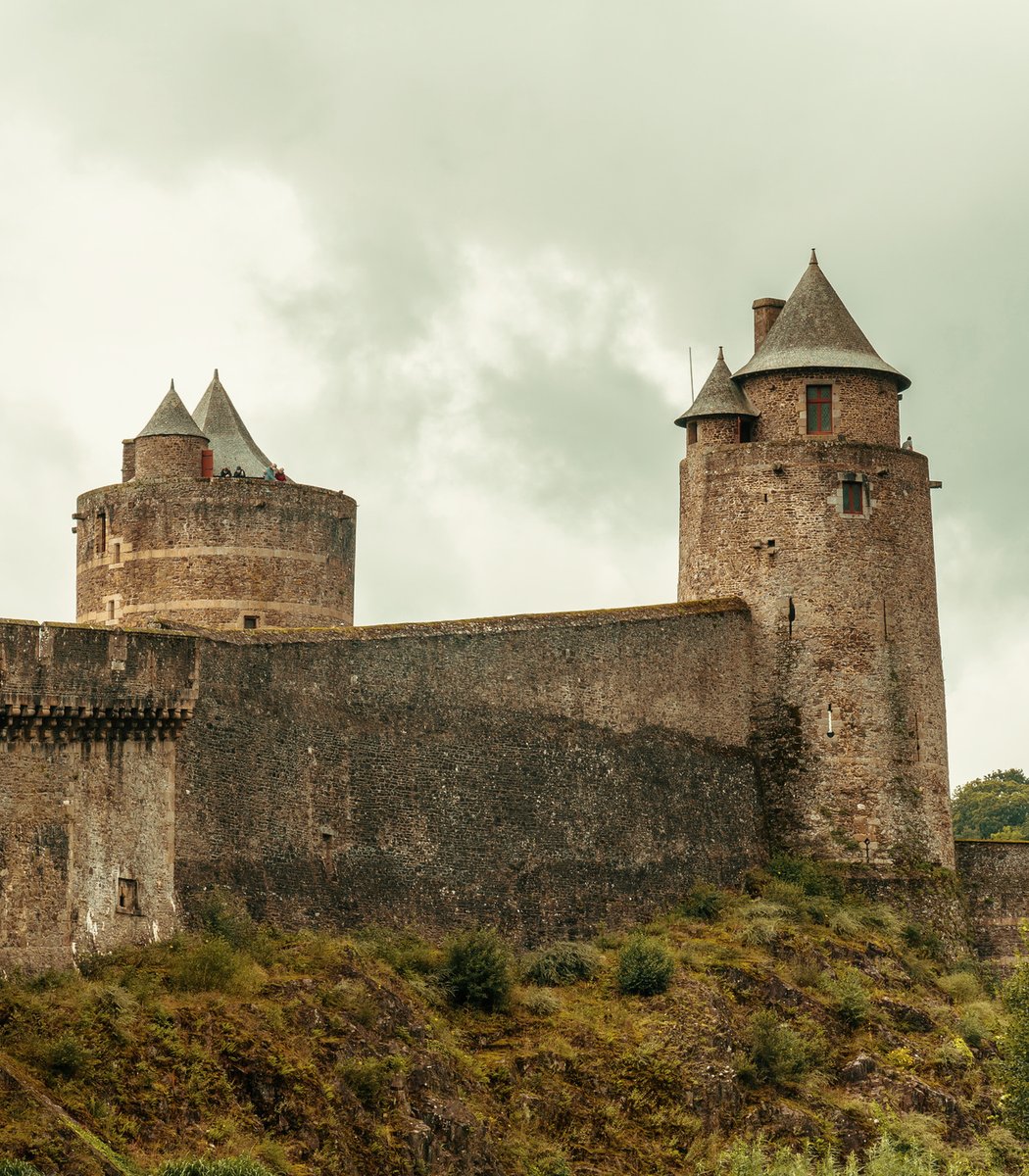
Castle of Fougères - Brittany, France
One of Europe's largest medieval fortresses.
First a defensive bastion for the former Duchy of Brittany, guarding the frontier with France.
The original wooden castle was destroyed by Henry II of England in 1166.
Then rebuilt in stone.
Cuenca, Spain - Fortified medieval city.
The city is built on the steep sides of a gorge carved by the Júcar and Huécar rivers.
It is famous for its "Casas Colgadas" (Hanging Houses), with balconies suspended over the sheer cliff face of the Huécar gorge.
Alarcón Castle - Cuenca, Spain
A fortress of Moorish origin, perched above the Júcar River.
It was captured by Castilian forces during the Reconquista.
Served as the residence of the Infante Don Juan Manuel.
The restored castle operates as a Parador, a state-run hotel.
Ávila, Spain - "City of Saints and Stones."
Known for its complete medieval walls, which began construction in 1090 after the Reconquista to protect the city.
It's also the birthplace of Saint Teresa of Ávila - key figure of the Catholic Counter-Reformation.
Kiyomizu-dera Kyoto Buddhist temple - Japan
Its name translates to "Pure Water Temple"
Founded in the 8th century
Renowned for its massive wooden stage, which juts out from its main hall and is supported by hundreds of pillars
Built entirely without nails
"The Red Fortress" Alhambra Palace in Granada, Spain
Built by the last Muslim rulers in Spain, the Nasrid Dynasty.
A masterpiece of Moorish art, its designs stand in contrast to the Renaissance palace later built within its walls by Charles V
Akhaltsikhe (Rabati) Castle - Georgia
Built since the 9th century.
Held by Georgian, Ottoman, & Russian powers, its walls famously enclosed a coexisting church, mosque, and synagogue.
A 2012 restoration revived it as a key cultural center.
#Georgia#History
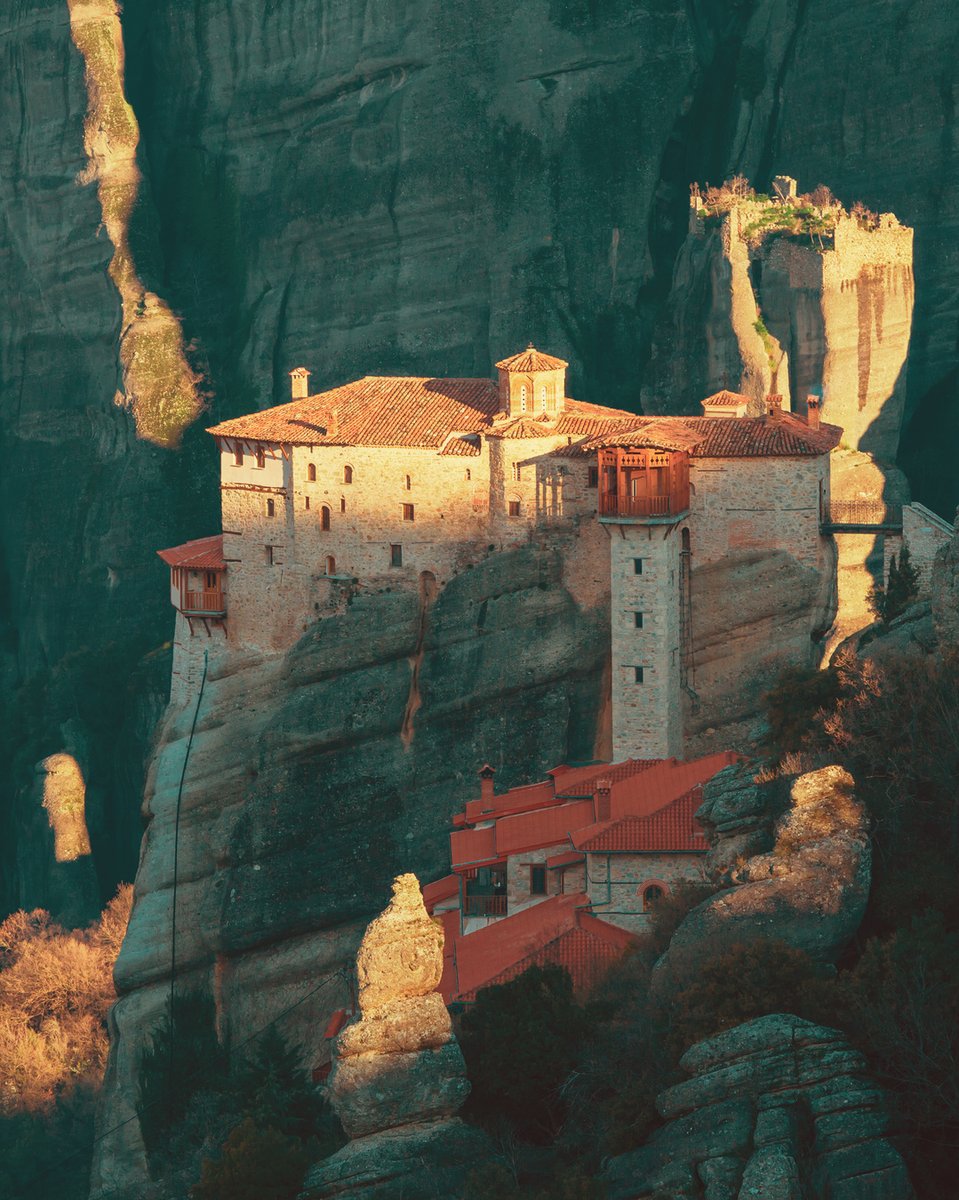
The name Meteora is derived from the Greek adjective metéōros - "suspended in the air".
The area's monastic history began with ascetic hermits who settled in caves within the rock pillars in the 11th century. This tradition later evolved into monastic communities.
#Greece
The Meteora monasteries in Greece are gravity-defying sanctuaries perched atop towering rock pillars. Built from the 14th century onward by Orthodox monks seeking isolation, only 6 of the original 24 monasteries remain active.
A UNESCO World Heritage Site
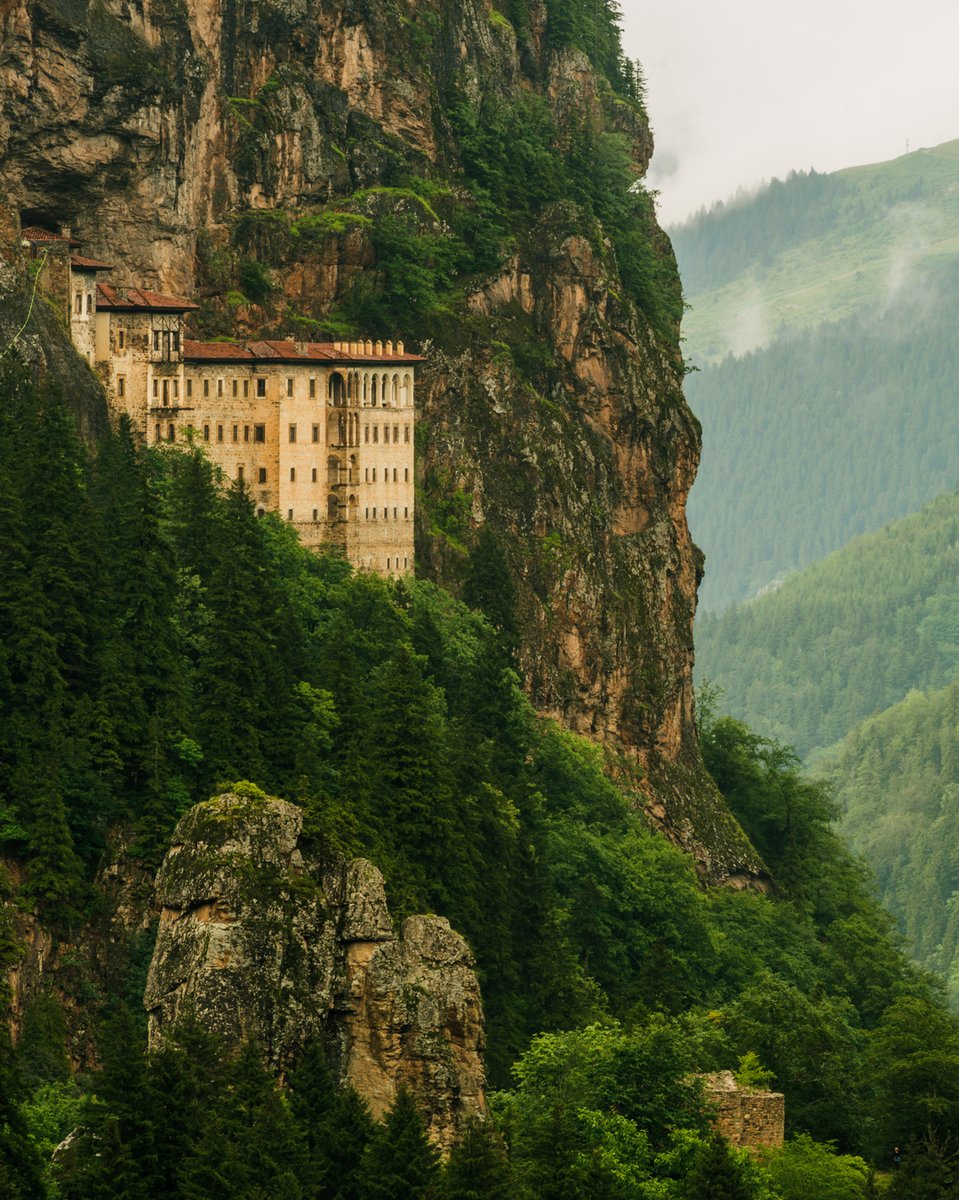
Sumela Monastery clings to a cliff in Turkey’s Black Sea region. Built in the 4th century, it holds stunning frescoes and centuries of Christian history. One of Trabzon’s top historic and touristic landmarks. #Turkey#History
Khor Virap - a 17-century monastery above a dungeon where Saint Gregory the Illuminator was jailed for 13 years. From here, Armenia became the world’s first Christian nation in 301 AD.
Also, a striking view of Mt. Ararat across the border.
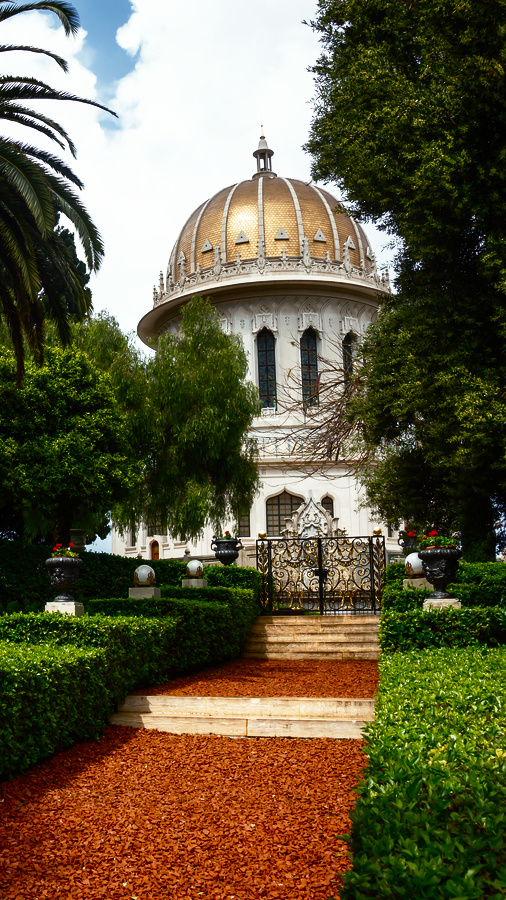
The Bahá'í Shrine in Haifa, Israel, is the resting place of the Báb, a central figure in the Bahá'í Faith. Surrounded by stunning gardens on Mount Carmel, it's part of a UNESCO World Heritage Site and a symbol of peace, unity, and global spiritual heritage.
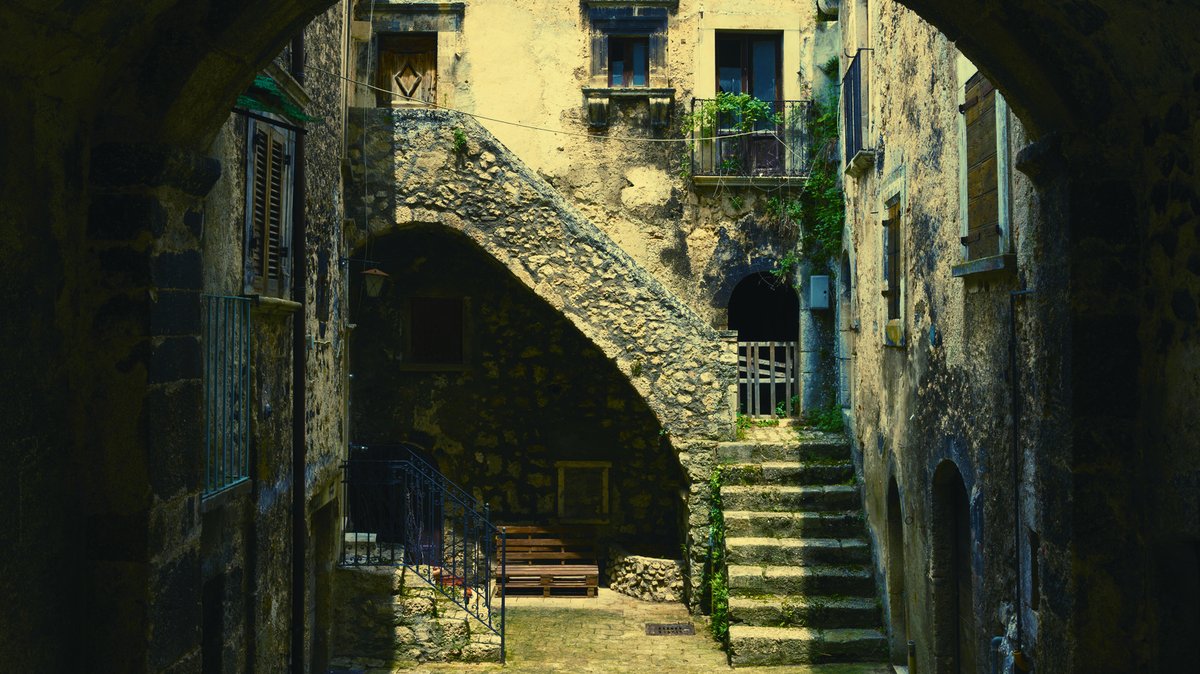
Santo Stefano di Sessanio, Italy - a near-abandoned medieval Italian village revived through sustainable restoration.
Medici heritage, stone lanes, and the “albergo diffuso” hotel model make it a timeless escape
Fort des Capucins, Crozon Peninsula in Brittany, France.
A historic military fortification constructed in 1848.
Built entirely of schist and granite.
The fort is abandoned and inaccessible to the public due to safety concerns