Dive into the heart of Zoology! The latest in conservation, wildlife and animal news & research. Sharing captivating #DidYouKnow facts about the animal kingdom.
NEW! Our World of Zoology Substack! Our mission? To demystify the complex world of zoological research, making the latest discoveries and insights into animal behavior, conservation, and biodiversity accessible to everyone. Please subscribe, it's FREE!
https://t.co/xOGQSX3X5H
An abandoned rhino calf rescued by our partners at @OlPejeta is doing well following emergency surgery, needed due to a very rare condition which meant she was born without an anal opening.
https://t.co/WlZTtIcMiZ
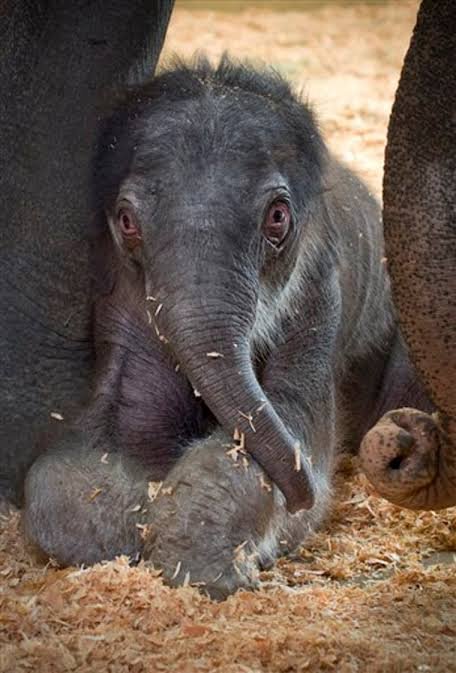
Baby on board! If our maths is correct, Tagwa will have a baby before the year’s end. She is getting bigger and slower – all signs that she’s in the final phases of her pregnancy. While some of our expectant mums are famous for their mood swings (ahem, Murera), Tagwa has been as calm as ever. We can’t wait to meet her baby, whenever it arrives!
In January 2025, a wild bull showed up at Voi and spent several days courting Tagwa. The gestation period of an elephant is 22 months, which means that her due date is drawing ever closer.
Learn more about Tagwa, a ten-year-old orphan rescued, raised, and rewilded through our Orphans’ Project: https://t.co/MsgM6tt9uk
Two tiny red #pandas are on the move! 🐾
At ZOO Planckendael, mother Amber has been filmed carefully carrying her newborn twins from nest to nest.
Behind the adorable scenes lies fascinating biology — from maternal care to delayed implantation. 🌿
https://t.co/0dhlT2FZHw
🐾📚 BOOK REVIEW
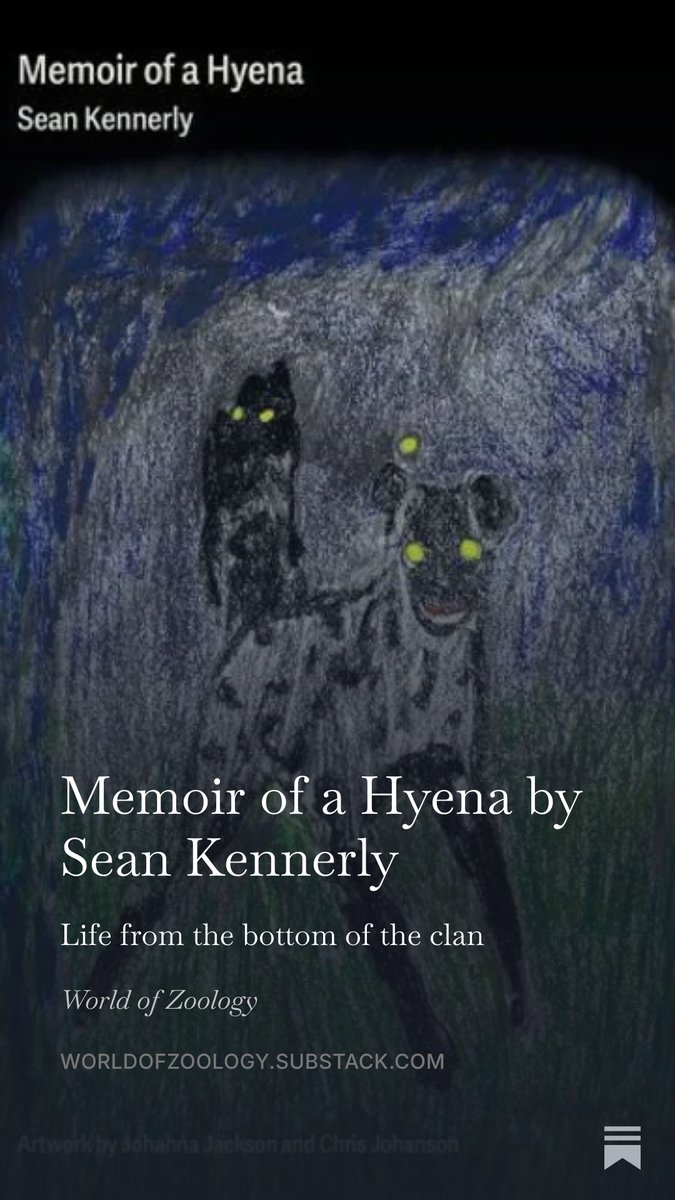
Memoir of a #Hyena by Sean Kennerly is dark, funny, brutal and surprisingly moving. A remarkable journey into spotted hyena society, grounded in real animal behaviour.
★★★★☆ 4/5
My full review for World of Zoology 👇
https://t.co/aWp185Kfj6
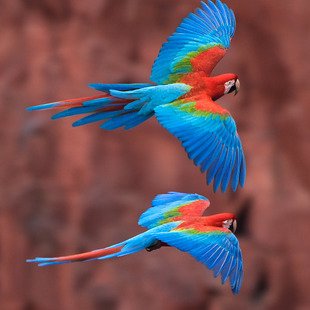
After nearly 200 years, red-and-green macaws are breeding again in Brazil’s Atlantic Forest. 🦜 Two wild-born chicks mark a remarkable milestone for a reintroduction programme that began in 2022. 🌳 #Macaws#Conservation#Birds
Fewer than 800 Tapanuli #orangutans remain. Logging, farming, major developments and climate-driven disasters are all shrinking their only home in Sumatra. Saving them means protecting the entire landscape. 🦧🌳 #Orangutan
https://t.co/R57qgNFDky
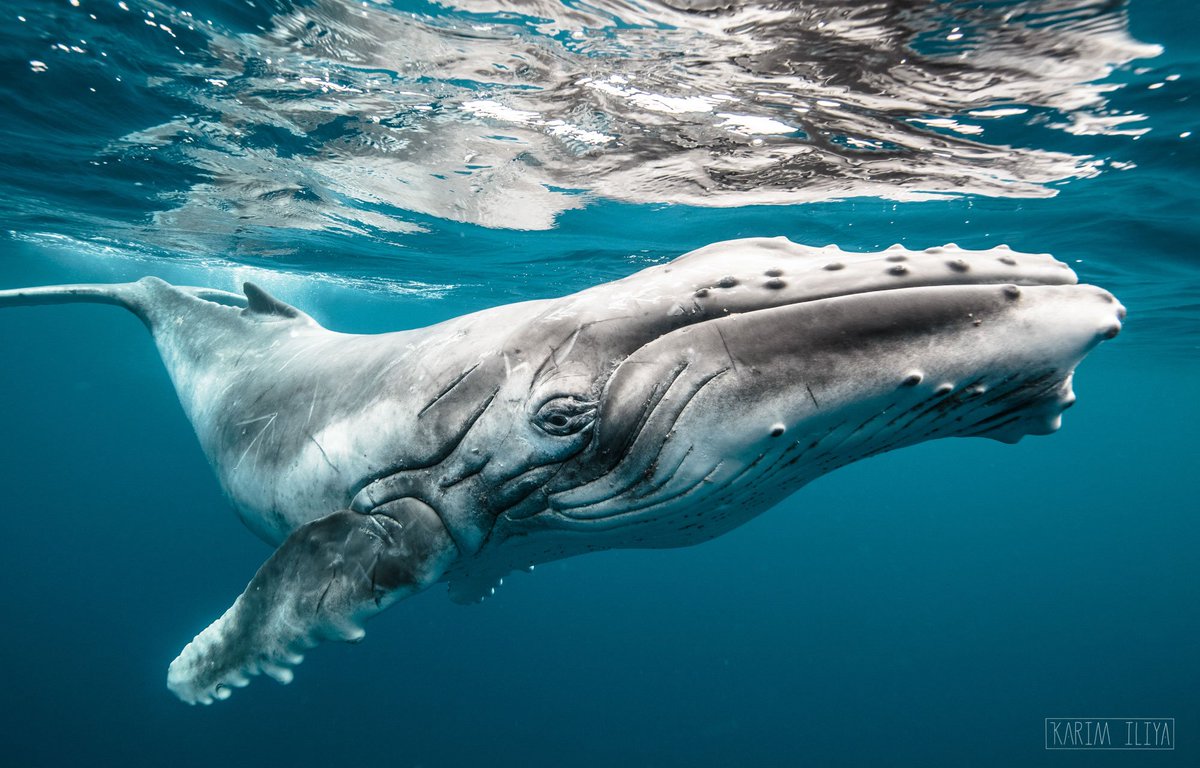
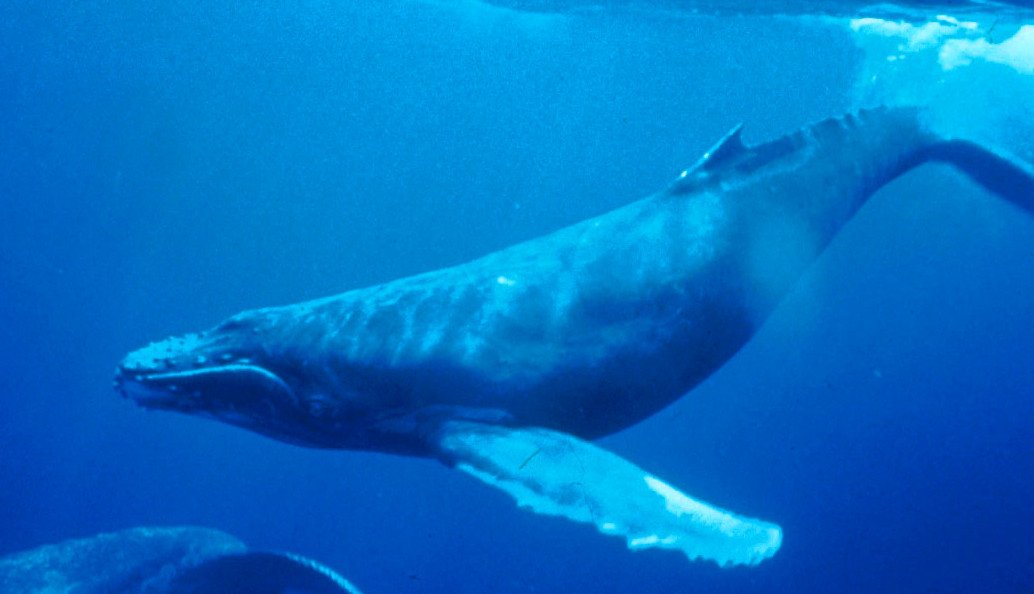
Humpback #whales organise their songs around their dives. 🐋 Researchers found that different song themes match specific dive phases—and some males kept singing for up to 16 hours. 🎶 #WhaleFacts
https://t.co/7tmX2dPOOH
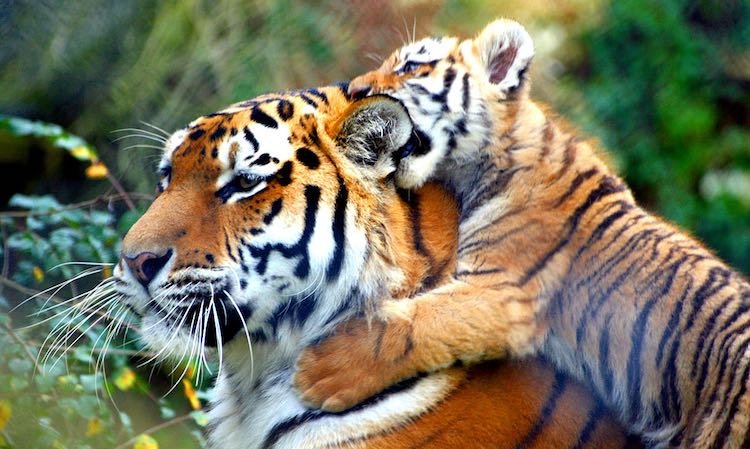
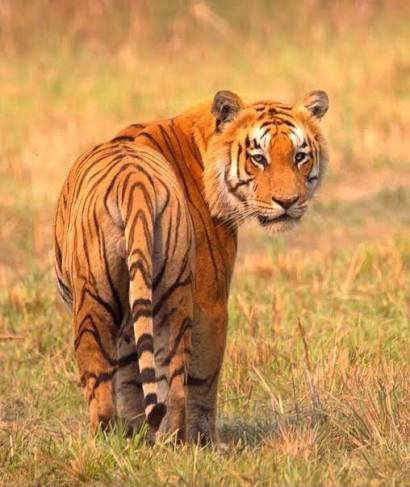
#Nepal’s wild #tiger population has risen to an estimated 429, up 20% since 2022 and more than triple its 2009 total! A remarkable conservation success, but coexistence remains vital. 🐅 #TigerConservation#Tigers
An experimental mRNA vaccine triggered immune responses in nine Asian #elephants. Two vaccinated juveniles later caught deadly EEHV1A but remained healthy without treatment, the first evidence that vaccination may prevent severe disease. 🐘💉
https://t.co/OFbrswqQ0w
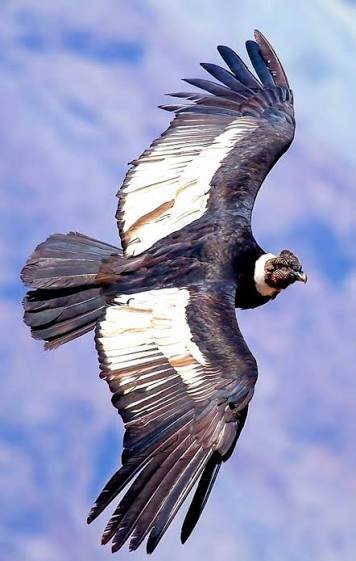
Andean condors may save energy by watching where others fly. A new computer model found that social information can guide birds towards useful rising air currents, cutting simulated flight costs by up to 41% in unpredictable landscapes. 🦅 #Condors#Birds
https://t.co/BG9wYdCY45
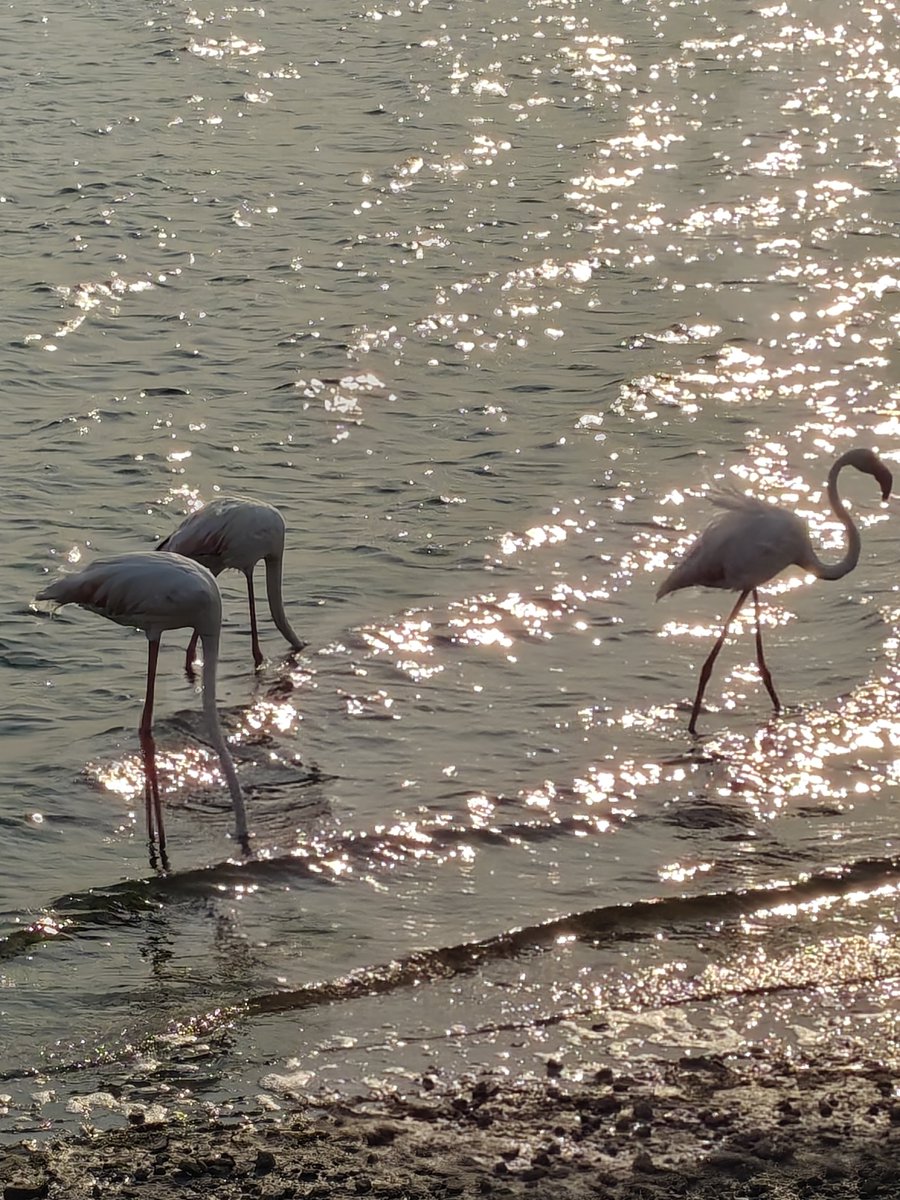
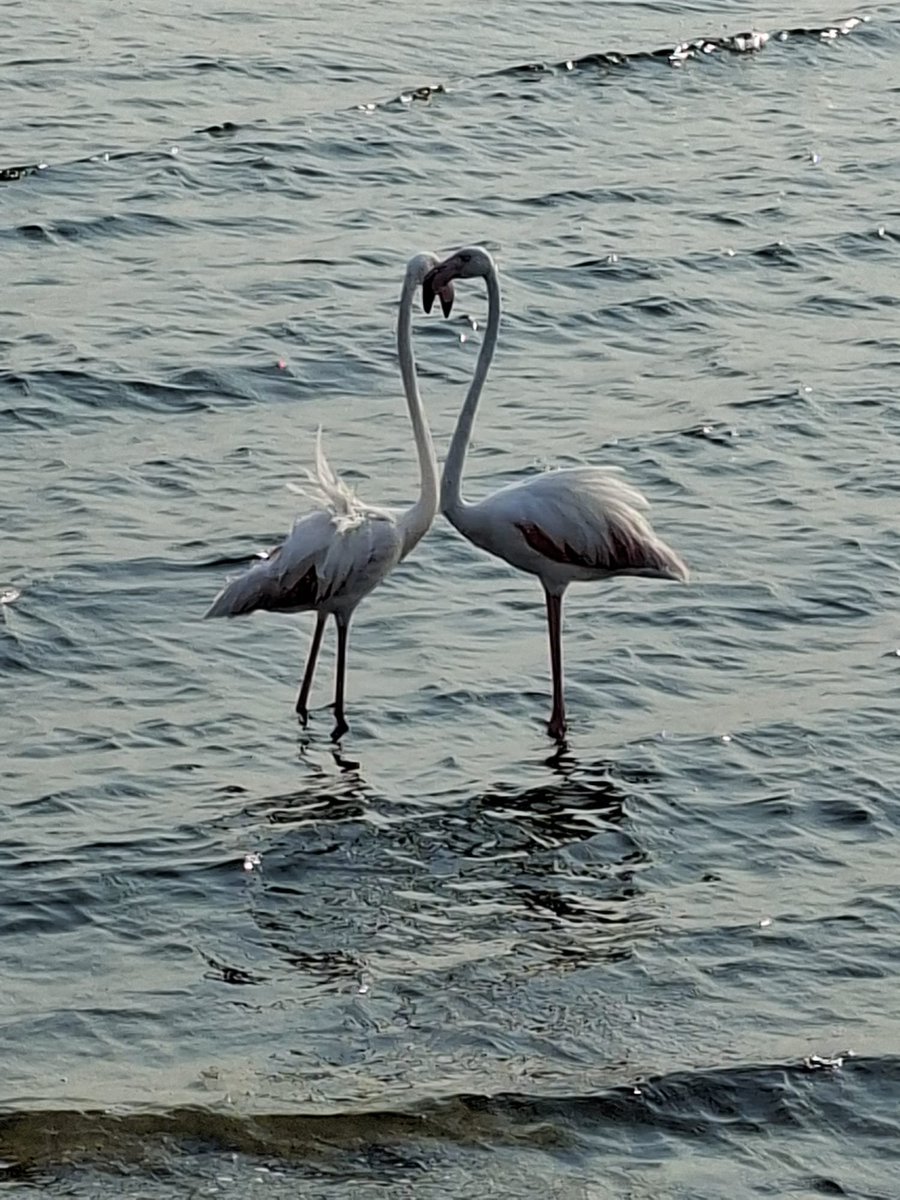
#DidYouKnow 🦩 Greater #flamingos don’t simply filter food from the water, they help trap it first! By stirring with their feet and moving their heads and bills, they create tiny swirling currents that concentrate algae and small animals near their beaks. #Flamingo#Birds#Bird
#DidYouKnow 🦩 Greater #flamingos don’t simply filter food from the water, they help trap it first! By stirring with their feet and moving their heads and bills, they create tiny swirling currents that concentrate algae and small animals near their beaks. #Flamingo#Birds#Bird
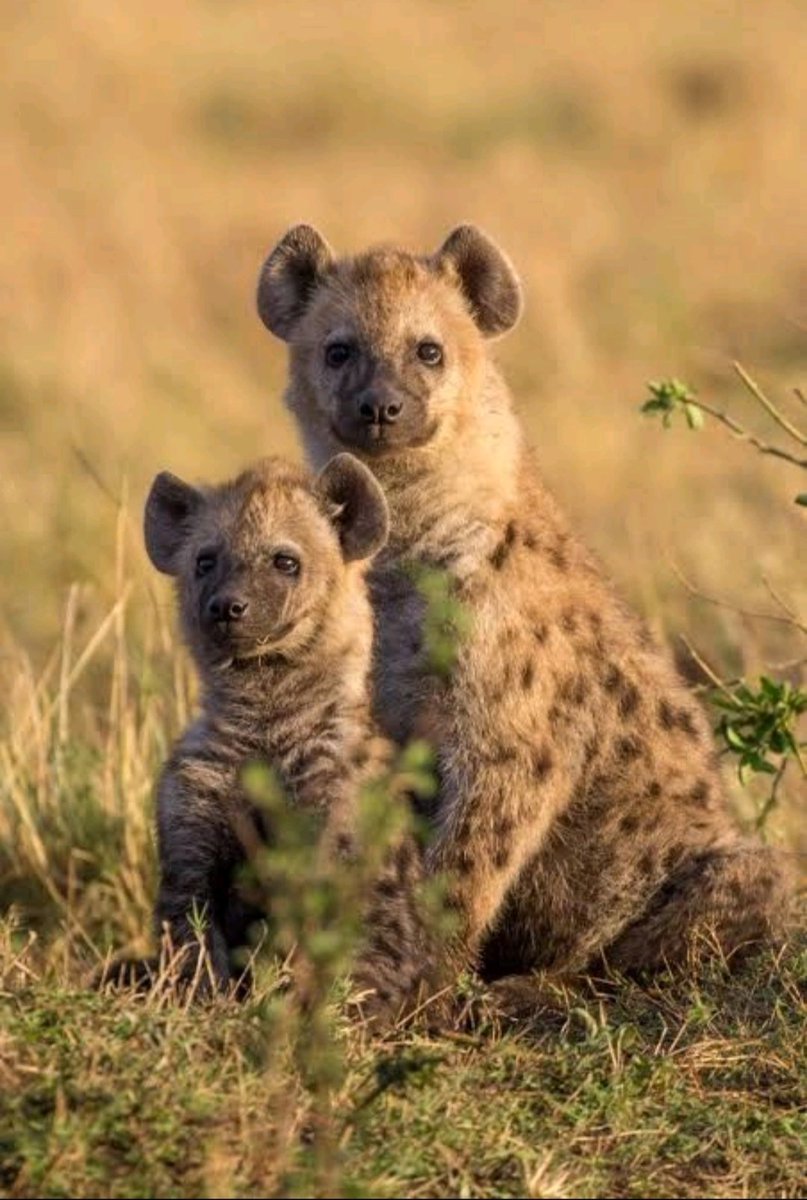
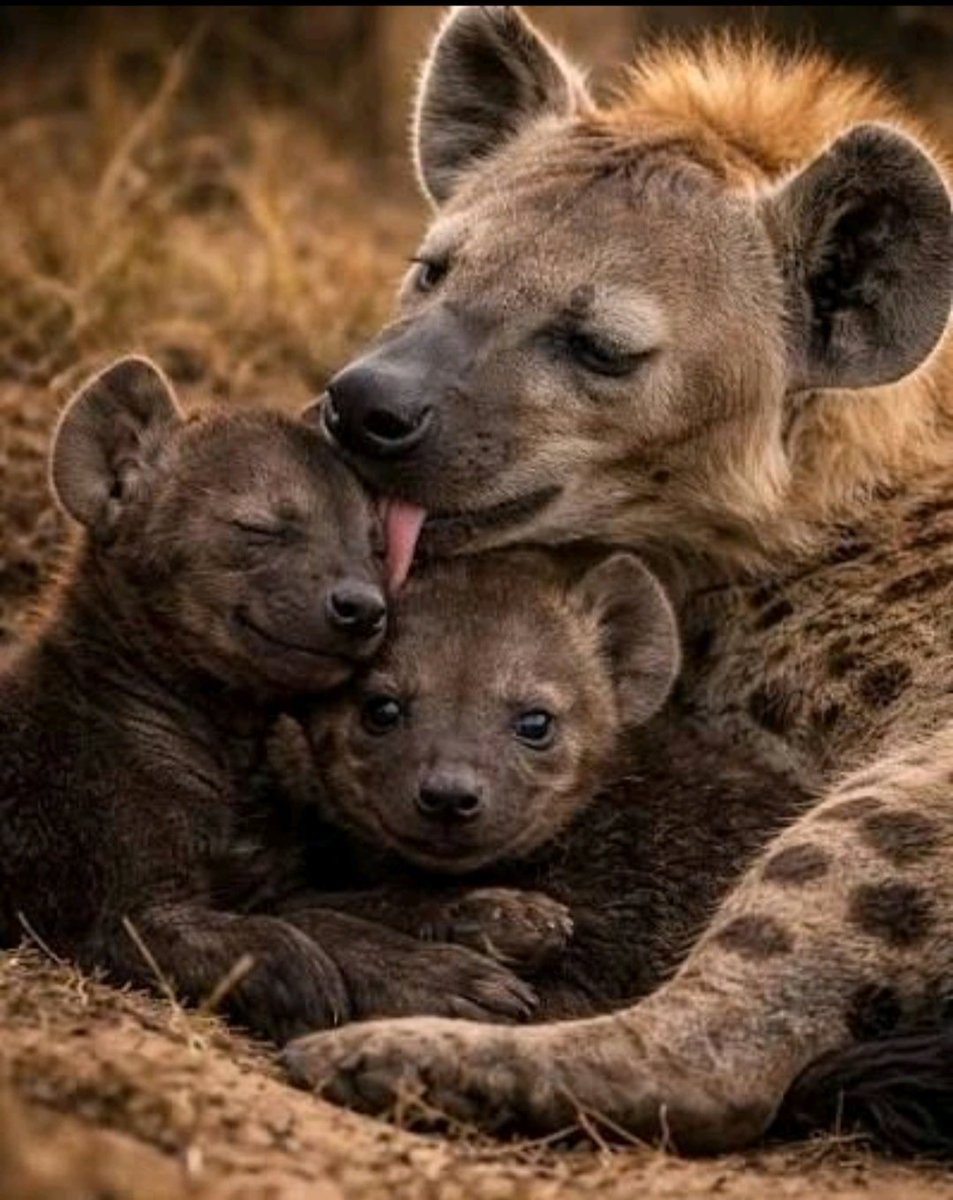
In spotted #hyena clans, privilege runs through the maternal line. Cubs irnherit their mother’s rank, giving alpha-female families better access to food and higher survival. 🐾 #Hyenas
https://t.co/sbIfr70uaG
We are pleased to share the second issue of WAZA News Magazine for 2026, featuring perspectives, innovations and updates from across the global zoo and aquarium community.
📖 Read the Magazine:
https://t.co/zrKdtZ3GGC
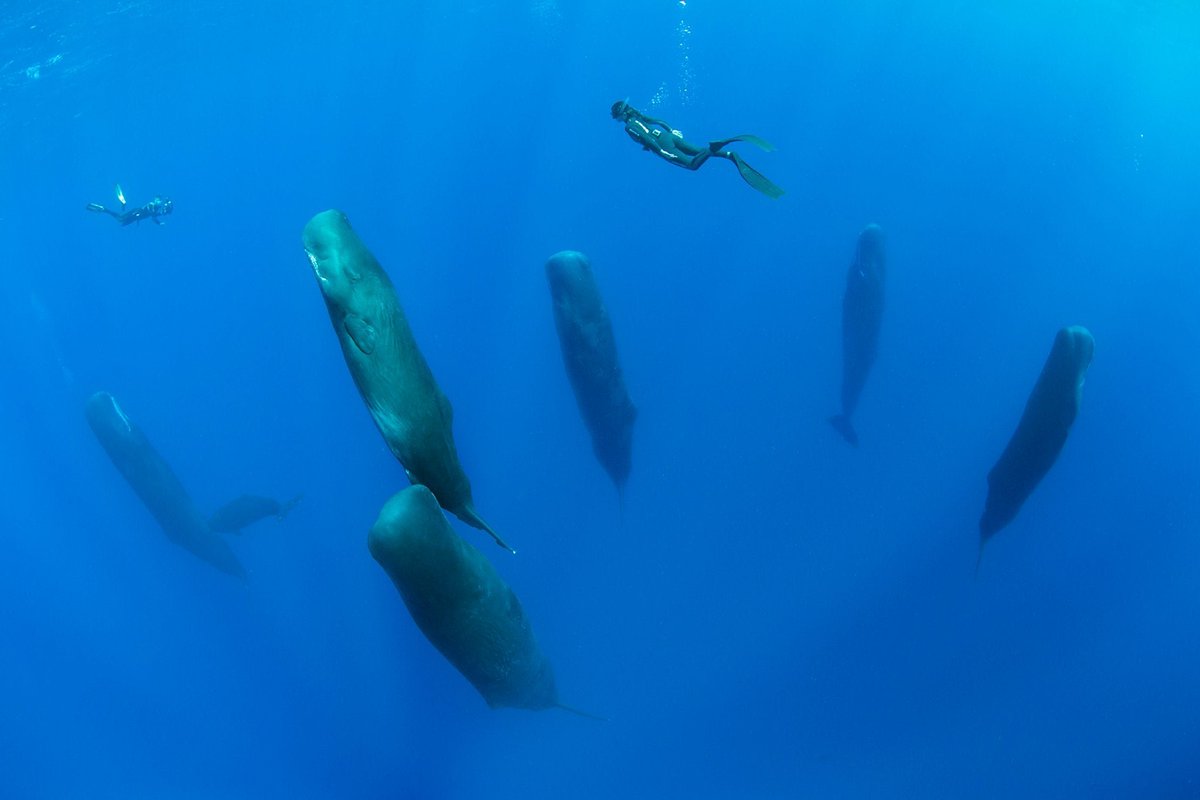
Sperm #whales may blow bubbles in their sleep! 🐋
While resting vertically below the surface, they release gas to reduce buoyancy and stop themselves drifting upward, making fine adjustments even while they are thought to be asleep. #SpermWhales
https://t.co/4BMEwOHBPE
Why do #birds fly in a V? A new model suggests a trailing northern bald #ibis needs 11% less mechanical power. By riding the lead #bird’s wake, it can flap only about 70% as deeply as when flying alone - nature’s answer to drafting. 🐦 #BirdFacts
https://t.co/k1VBbHKo3f
🐘 Zoo elephants are living longer than they did decades ago. A study of 3,000+ elephants found life expectancy rose by up to 21% for females and 44% for males—reflecting advances in habitats, social care and veterinary medicine. #Elephants#AnimalWelfare
https://t.co/0Sq5e4KgMR
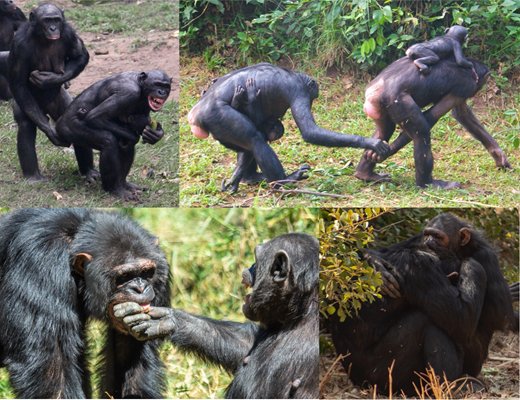
#Chimpanzees and #bonobos may hug, touch and even kiss before tense moments, such as competition over food, suggesting social touch has kept the peace for millions of years. 🐵🤗 #Primates
https://t.co/Epye4NzD10
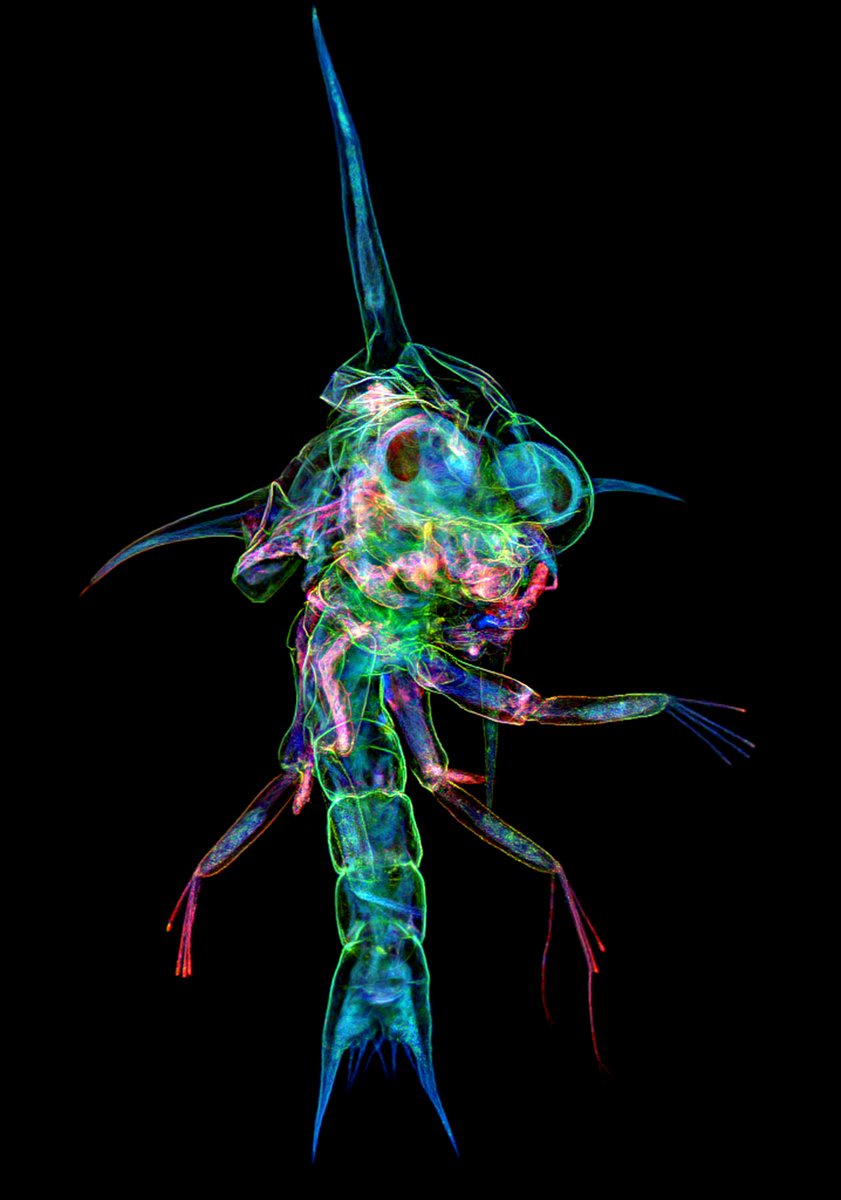
#DidYouKnow 🦀 This neon creature is a baby crab! Known as a #zoea, it is the crab’s first larval stage and can measure less than 1 mm. This image was built from microscope slices to reveal its astonishing 3D anatomy. 🔬 #Crab#AnimalFacts#Microscopy