📢 Applications for the @WRIRossCities#PrizeforCities are now open!
From safer streets to greener neighborhoods, the Prize 🏆 celebrates solutions that make cities more livable and resilient. Could your project be next?
Apply by Jan. 13, 2027👉 https://t.co/2E0srRM0da
The @WRIRossCities#PrizeforCities 🏆 recognizes bold initiatives sparking change in #cities around the 🌍.
One Grand Prize Winner will receive $250k. Does your project have what it takes?
Apply by Jan. 13, 2027 👉 https://t.co/feocmfxfCW
Read more ➡️ https://t.co/1cFC63Dcjn
(6/6)
📊 This insight draws on five years (2021–2025) of data from Continuous Ambient Air Quality Monitoring Stations (CAAQMS) and is part of our 4-part #KnowYourAir series.
Watch out for the next post!
#CleanAirForAll#MumbaiAirQuality#AirQualityData
(1/6)
🚗 Traffic emissions are often seen as a year-round driver of Mumbai’s poor air quality. But road and construction dust contribute significantly too. Their relative contribution changes with the seasons.
(5/6)
Cleaner air needs a sustained, seasonal strategy that tackles both combustion and dust. Focusing on only one source addresses only part of Mumbai’s air pollution challenge.
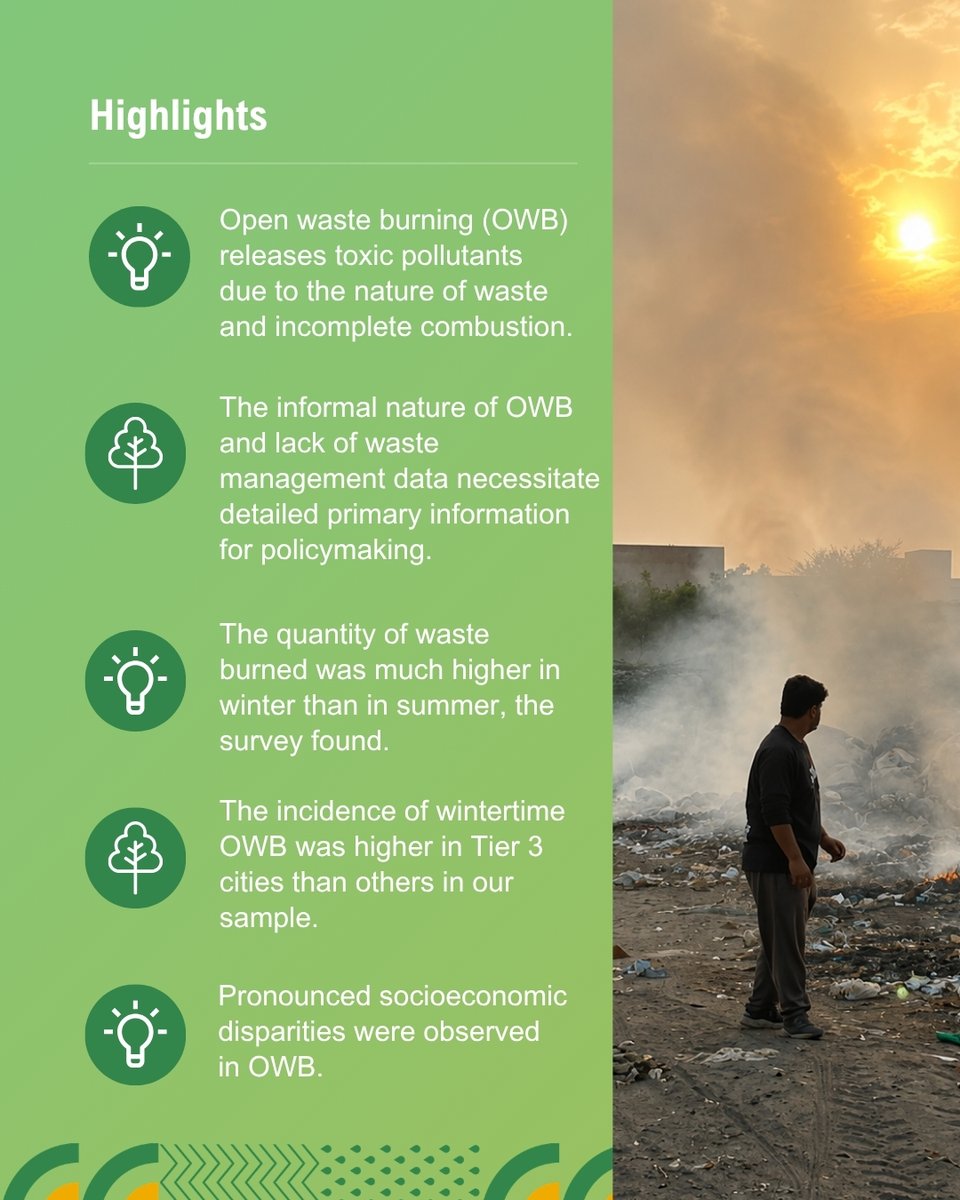
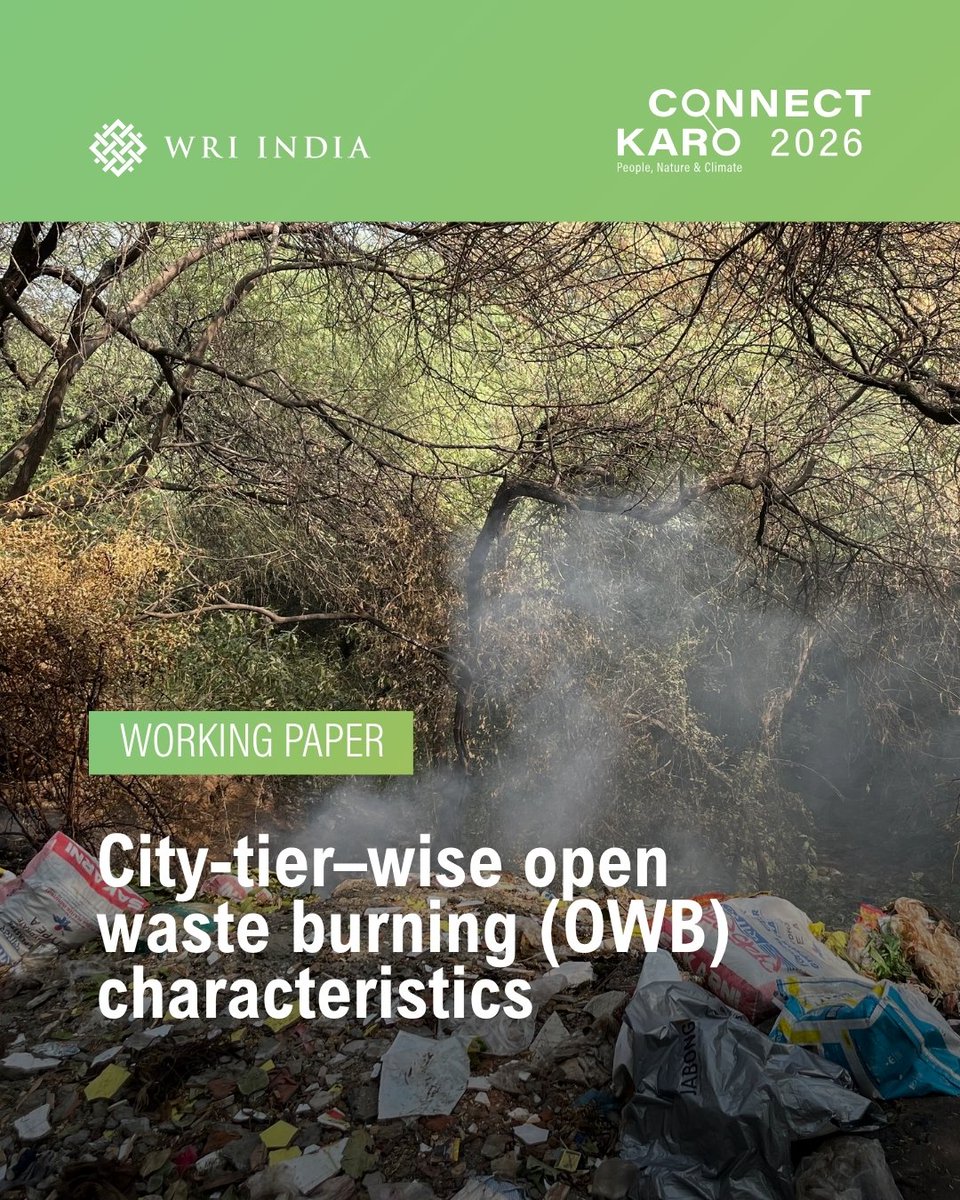
(2/2)🌅🌆 This exploratory paper characterises winter and summer OWB across 11 cities by examining incident density, burned waste mass, waste composition, and PM emissions.
Check out the key highlights below 👇
🔗Read here: https://t.co/DohTS28fvq
#ACAAS#CleanAirForAll
(1/2)🔥 At #CK2026, we launched a working paper titled 'City-tier-wise open waste burning (OWB) characteristics' based on our survey data collected across 11 Indian cities.
#AirQuality#WasteBurning
(2/2) 🌇The findings point to a clear need: cities must move beyond counting cleaning activities and begin measuring their outcomes.
Check out the key highlights below 👇
🔗Read the full study here: https://t.co/tiw18op0TF
#ACAAS#CleanAirForAll#15YearsofImpact
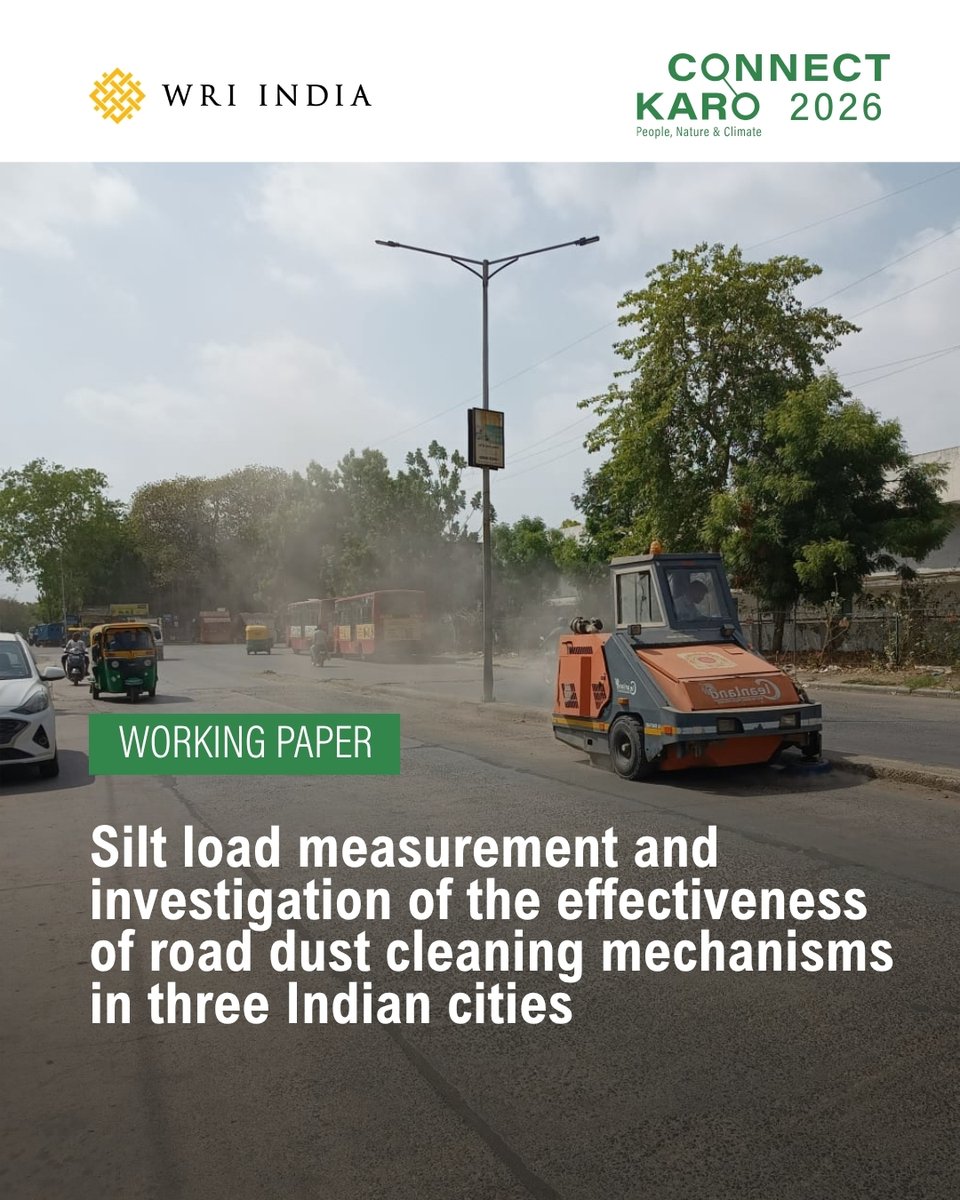
(1/2) 🛤️At #CK2026, we launched a working paper that examines #RoadDust across different road types in Mumbai, Indore and Ahmedabad.
It also evaluates how well manual, mechanical, and water-based cleaning methods work, and how quickly dust returns after cleaning.
#AirQuality
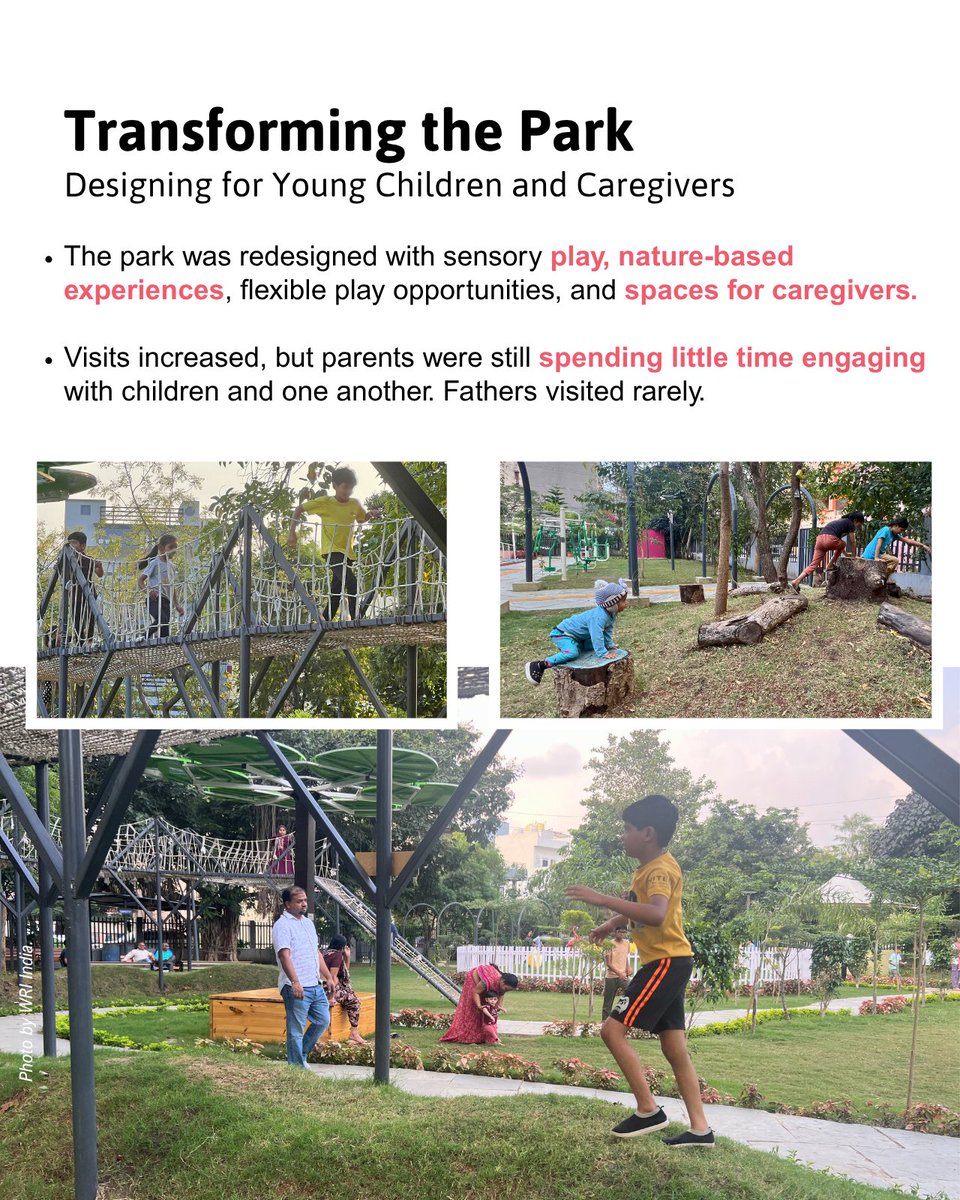
(3/3)✅ Better infrastructure was only step one.
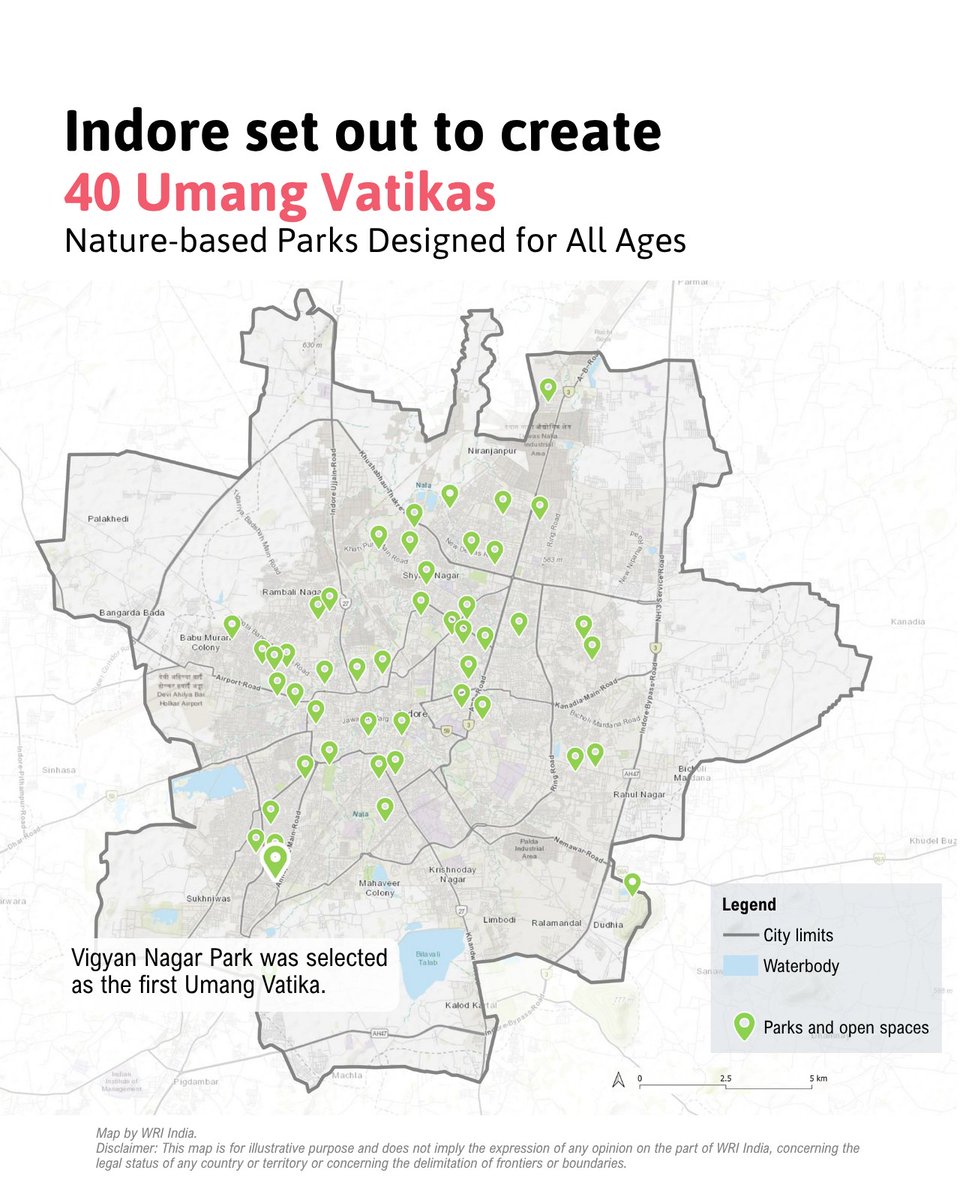
As Indore works to create 500+ caregiver-friendly parks & open spaces, the focus is also to strengthen parent-child and community bonds, developing a model for other cities.
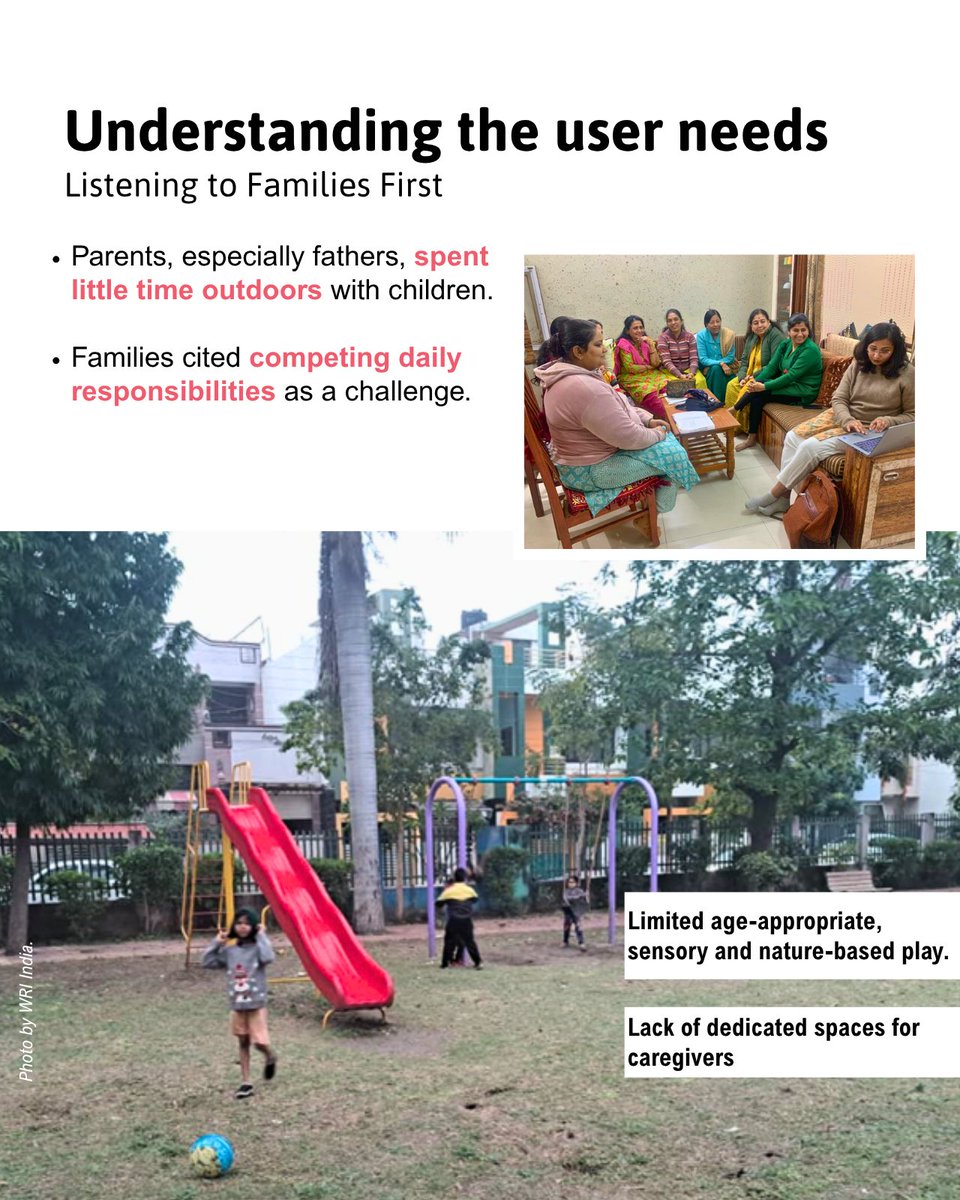
(1/3)🪁 Indore's #PublicSpaces aren't just built with better infrastructure but to bring families together.
👨👩👧👦 Through #NurturingNeighbourhoods 2.0, we're engaging young children & caregivers through regular sessions & activation events to help them connect more meaningfully.
Excited to see this progress with trial run
Huge props to @CYBTRAFFIC for recognising the need to give speed to bus and help shift personal vehicle commuters to public transport!
Many participants of the recently held Cyberabad Mobility Datajam also identified the need to strengthen bus system to alleviate congestion
@TGSRTCHQ@SCSC_Cyberabad
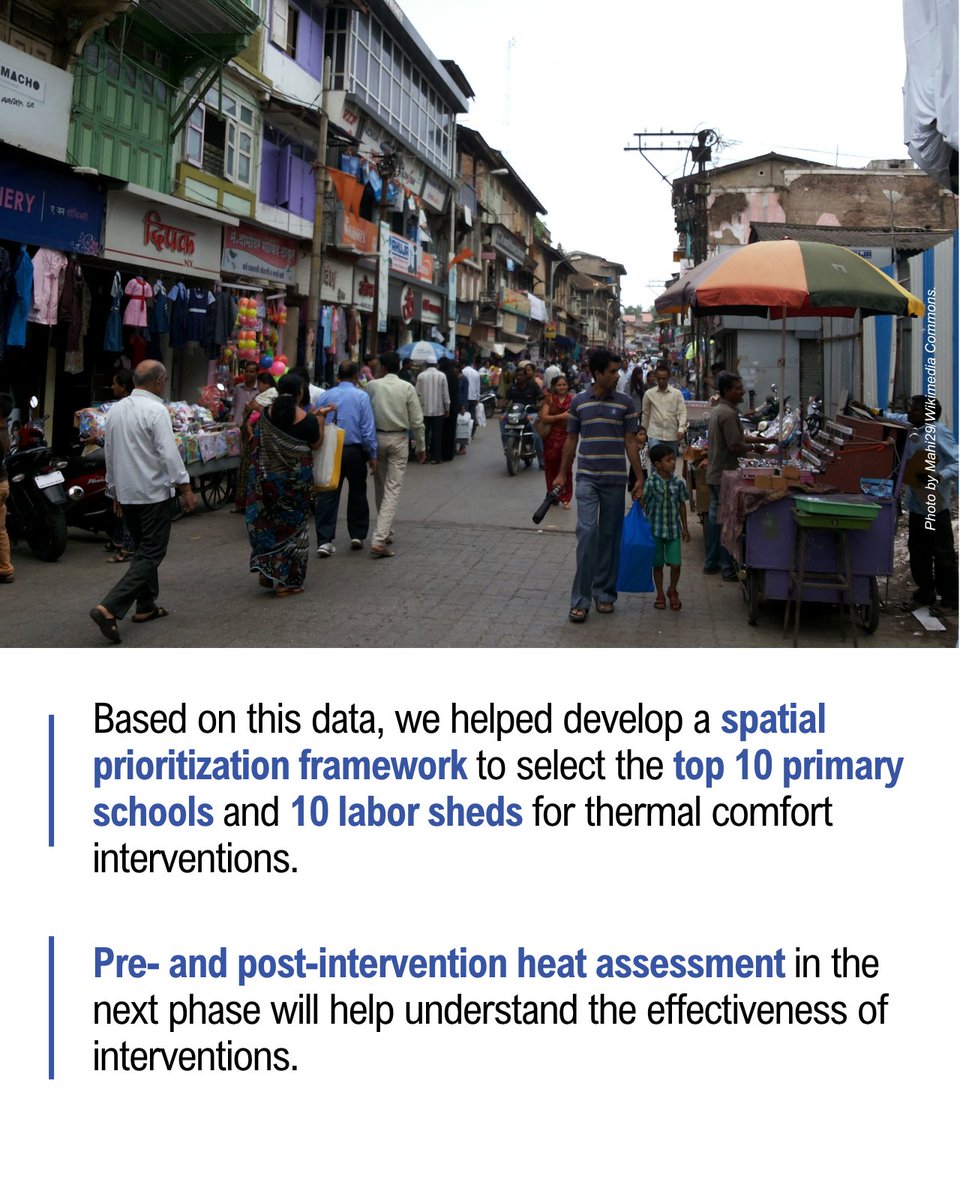
(3/4) 🌅We're providing support to map land surface temperatures (LST), and identify vulnerable locations for proposed interventions.
In the next phase, we will help create a framework to assess these interventions through pre- and post-intervention heat assessments.
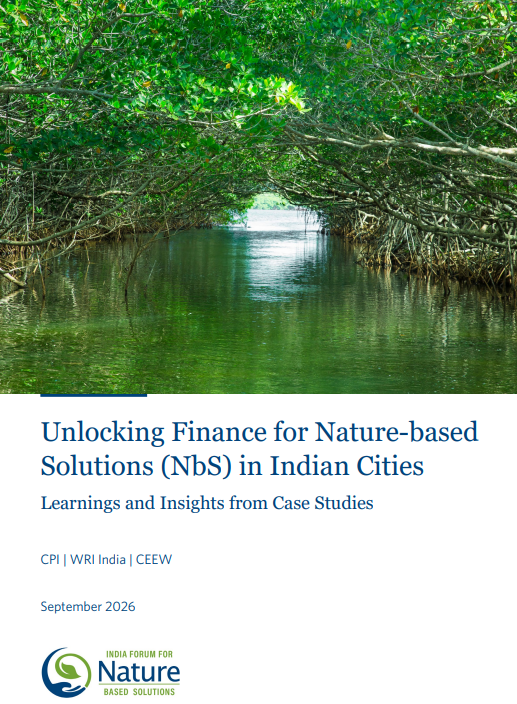
🌿 Nature-based solutions can strengthen climate resilience, but scaling them requires the right finance. With @CEEWIndia and @climatepolicy, we explore practical pathways to finance urban NbS, drawing on examples from across India.
🔗 Explore the tool: https://t.co/ZKRvwuofNh
Indian cities are facing worse floods, more heat and tighter water supplies each year. Nature-based solutions can ease all three at once, with social and economic gains alongside. The hard part is paying for them, and getting beyond one-off pilots.
A new report from the India Forum for Nature-based Solutions, undertaken by CEEW, Climate Policy Initiative - India and WRI India, takes on the financing question. It examines nine projects that found the money, from a sovereign loan for stormwater drainage in Chennai to parametric disaster insurance in Nagaland, drawing on interviews with the developers, practitioners and financiers behind each one.
Five things stood out:
📊 Scale depends on geography, project type, financing approach and business model together, not any one factor
🛡️ Early feasibility checks, strong monitoring and community buy-in reduce project risk
🏗️ Pairing NbS with civil infrastructure opens up existing financing routes
💡 Different project stages need different capital, so sequencing matters as much as choice
🚀 Project preparation support closes early gaps and builds a stronger investment pipeline
At the launch of this report, Sujatha Srikumar, Director, Powertec Engineering, reflected on the urban level capacity and balance sheet constraints that keep cities from accessing instruments like green or blue bonds, and how organisations like CEEW, CPI and WRI India can help cities find funding sources without routing through state and central channels. The discussion that followed, with Rajeev Gopal, Former Country Head, International Finance Corporation, the World Bank Group, who spoke out why cities should start by mapping their natural assets alongside their infrastructure assets, making it easier for city leadership to factor nature into capital expenditure planning and city development more broadly.
Read case studies report here: https://t.co/FEN8VzeHn5
Alongside this, the Urban NbS Financing Dashboard is also live: an open-access, continuously updated repository of policy, financing tools and case studies for urban NbS in India and globally. Check out the dashboard here: https://t.co/2eelyCcEU5
@climatepolicy@WRIIndia