There's something unsteady about Olvera Street and we need the wider community to get involved and help keep this fragile coral reef healthy for now and the future. The burro evicted. Cielito Lindo on the ropes. La Golondrina was to change hands, but...
https://t.co/14P9un7U9l
Cielito Lindo (est. 1934), the pretty stall at the top of Olvera Street, needs YOUR help. Chip in if you love it. And tell your elected officials you want L.A. to foster the landmark's legacy vendors, repair City-owned buildings and forgive Covid debt. https://t.co/NTmRj6DVKD
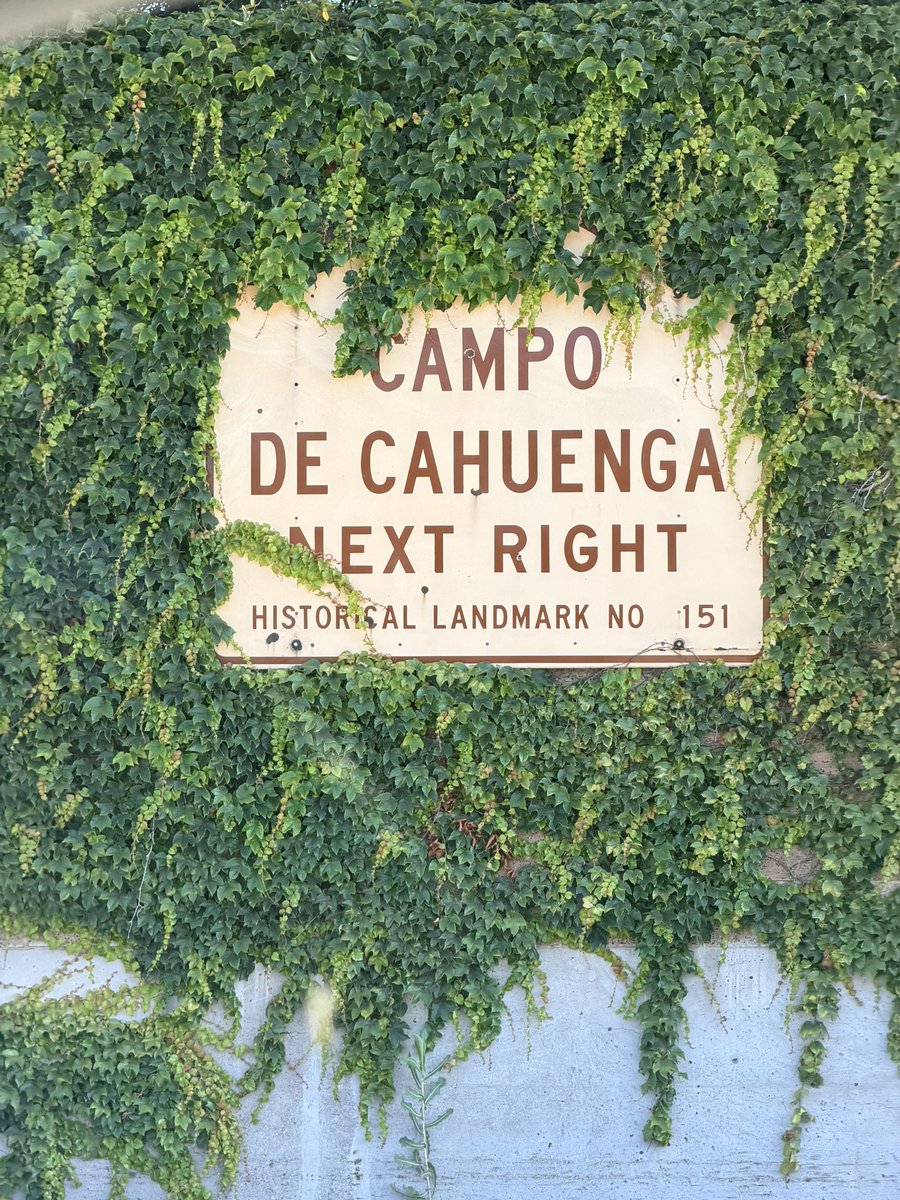
This might be L.A.’s most overlooked & important landmark.
The L.A. Times once called Campo de Cahuenga “the most important site in the development of modern California.”
Casa de Adobe (1925) was gifted to Angelenos, a faux Spanish Colonial hacienda filled with antiques, paintings and a 19th century garden. Shuttered alongside the Southwest Museum, the City landmark needs to be in use. No more fires in empty buildings. Why can't we play here?
Transplants in LA (and I assume NYC) had this vision of what the city would be from media and when it didn’t turn out that way they get angry and demand change.
No one born and raised in LA cares we need to drive everywhere. In fact that’s what makes LA unique.
I do not want a walkable city. I do not want trains. I do not want busses.
I want a car that can take me anywhere I want at any time.
I don't want to be dependent on transit schedules.
I want to choose who I'm traveling with, rather than going for luck of the draw.
I want to be able to control my own climate while traveling.
I want to be guaranteed a comfortable seat.
I want somewhere to keep my things during a day out instead of having to carry everything with me.
I want to buy and take home loads of groceries too big to carry without having to trouble myself with delivery services.
I want to go through drive thrus.
I want to be halfway home from work and impulsively decide to go to a restaurant on the other side of town and just change direction immediately.
I want to drive around a new city to take in more than I could on foot or on a fixed route.
I want to do road trips where we make up our journey as we go.
I want to explore my own city at will without any particular plan.
I want to visit small towns out of reach of even the most expansive proposed public transit systems.
Essentially, I want freedom.
A Faded Memory.
Andersen's Pea Soup Restaurant opened in 1924, founded by Danish immigrant Anton Andersen and his wife Juliette.
Originally a small roadside stand along what became U.S. Route 101, it grew into one of the most well-known stops in California.
During the Great Depression, the business struggled until Juliette added split pea soup to the menu. It was simple, affordable, and filling and it ended up saving the restaurant.
From there, it became a destination.
By the 1930s-1960s, this was a major stop for travelers between Los Angeles and San Francisco.
Tour buses lined the parking lot, families planned trips around it, and the restaurant served hundreds of people daily.
The location became known for more than just food. Danish-style architecture, a windmill, gift shops, and the mascots Hap-Pea and Pea-Wee made it a full roadside attraction.
Billboards across California counted down the miles until you arrived.
For decades, it remained busy and became part of California road trip culture.
But as highways improved and travel became faster, fewer people stopped. Over time, the crowds declined.
Today, the building still stands, but the activity that once filled it is gone.
What was once a packed destination is now a decaying reminder of our great past.