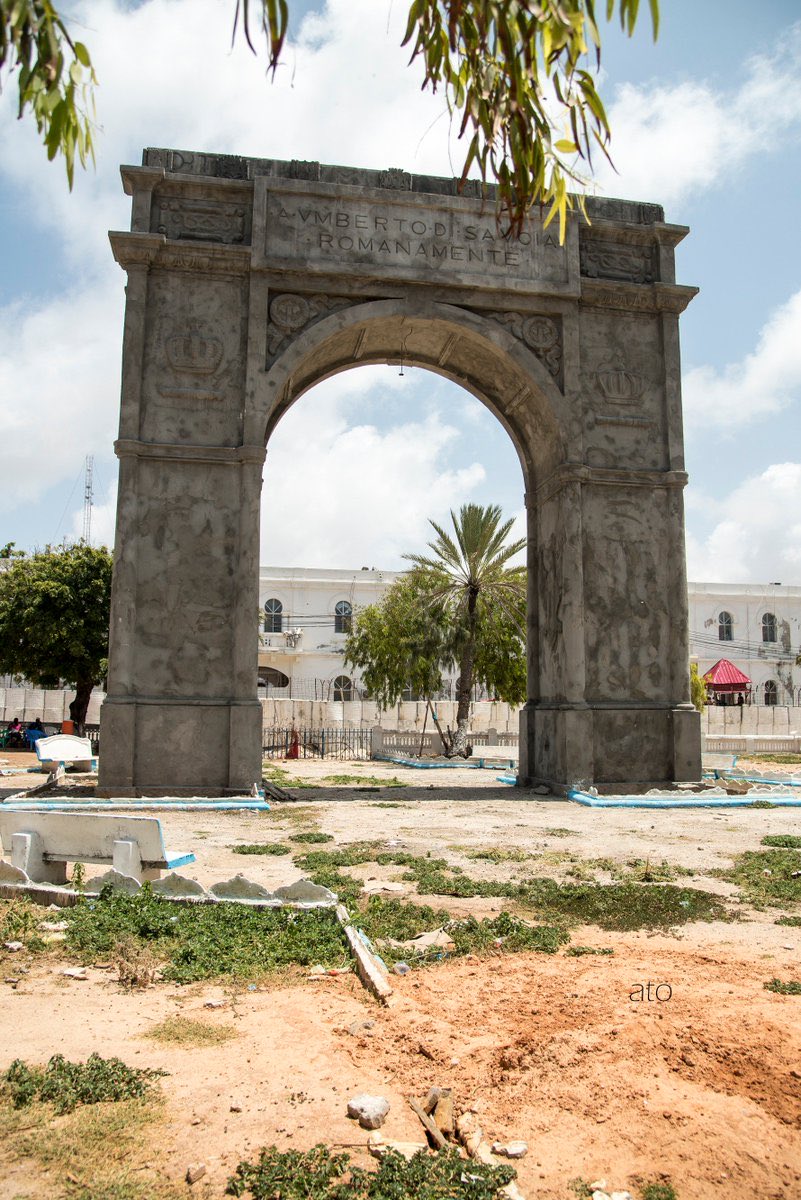
@emzraw_@MuhammedBishaar@ridgulle Regardless, his knowledge of the demographics of a major city in Somaliland shows his poor attempt at sowing division
@MuhammedBishaar@ridgulle You do know that Burco is basically half HY and half HJ? This is what happens when you poke your nose in affairs you’re not aware of. And do you know why HA and Samaroon don’t fight in the west? Maybe coz they mainly stay in the west.
@MuhammedBishaar@ridgulle Asking for multiple ports on the Gulf of Berbera is qabyaalid? So you only want 6 million people to be trading through 1 single port?! The over centralization model is the reason Somali Union failed and Xamar is a failed state.
@daddy_hatem1974 الحمار ادناه👇 هو السبب. يكره العرب والعروبة والاسلام وكان يسب العرب ليل نهار لكن بعد ارتفاع أسعار النفط في السبعينات انظم لجامعة الدول العربية علشان الفلوس. ويوم بطلع يقول احنا عرب ويوم يطلع يسب العرب فالشعب الصومالي جاه انفصام شخصية
@yuriandyaoi69@HornChronicles Typical CBB, all their present is a failure and you had to go thousands years ago to claim any relevance. “We wuz kaangz” is not an answer but actually supporting my point. Saying we are not fish/sea based culture is not inferiority as land based pastoral is not inferior.
Actions have consequences. What we learned today is simple. Closing your eyes, covering your ears, and pretending you are still a country does not make you one.
The collective uproar from Darod and Hawiye circles has been telling. These are the same groups that hijacked whatever remains of the Somali project, yet they cannot even agree among themselves on a single, basic constitution. They cannot honor agreements. They cannot follow rules. They cannot produce a workable alternative that might even attract other disenfranchised communities.
And the greatest loser in this entire arrangement is Darod. For reasons that defy logic, they remain emotionally attached to preserving a union that no longer exists. A structure that collapsed decades ago. A political fiction they refuse to let go of, no matter how many times reality contradicts it.
If you go back beyond the late 1800s, you will not find a unified Somalia or a Somali nation-state. What existed was later assembled under European colonial administration, stitched together as a collective idea. Even that artificial construct could not survive. It formally collapsed in 1969.
Yet here we are, decades later, still pretending that denial equals sovereignty.
At this point, one has to ask how many more recognitions it will take. How many more geopolitical signals. How many more reality checks from powerful actors before it finally sinks in that the performance is over.
The facade has cracked.
The illusion is fading.
And pretending otherwise will not stop what is already unfolding.
Whatever actions the Marehan and Majeerteen undertook in the name of the Darod were collectively co-signed and endorsed by the wider Darod community, including those same groups. Responsibility does not lie with one faction alone. Rather, the core problem within Darod politics is an ideological framework dominated by two competing wings: SYL, largely associated with Majeerteen leadership, and Kacaan, historically associated with Marehan leadership. Both mobilize the rhetoric of Somalinimo while treating Mogadishu as a divinely ordained political destiny.
If one asks whether the Darod are indigenous to Mogadishu, or whether they governed the city prior to Italian colonization, the historical answer is unequivocally no. Yet this distorted sense of entitlement persists, shaped and reinforced by colonial legacies inherited from Italian, French, and British rule. Consequently, whenever Darod political dominance is threatened, the response is a selective invocation of “who is Somali,” coupled with strong resistance to alternative governance models introduced by successive administrations in Mogadishu.
A further problem is the persistent refusal to engage in collective self-accountability. Darod political culture often externalizes blame, deflecting responsibility onto others while avoiding internal critique. This pattern has had tangible consequences. Across the Somali Peninsula, Darod-dominated regions remain economically underdeveloped, largely due to weak intra-communal cooperation and a continued prioritization of political appeasement over structural investment.
The rivalry between the two ideological flagbearers, each pursuing its own ambition for control of Mogadishu, has resulted in the neglect of their own constituencies. Local property development, economic infrastructure, education systems, and institutional capacity have all suffered. Puntland offers a clear illustration: out of approximately 26 years of existence, only a brief period of roughly five years was devoted to genuine internal reform and institutional consolidation. For much of its history, political energy was instead diverted toward external campaigns aimed at Mogadishu.
In the early post-state collapse period, these flagbearers, with the explicit approval and enthusiasm of the broader Darod constituency, embarked on repeated attempts to “reclaim” Mogadishu under the banner of Somalinimo. This justification, however, has proven largely disingenuous. It is also important to caution against efforts by other Darod sub-groups to distance themselves from these two wings. They were equally complicit and, at the time, enthusiastic participants. The only limitation was that there could be only one dominant leader at any given moment. The most recent campaign clearly demonstrated who assumed that role and who served as loyal supporters.
As long as the Darod political framework remains unchanged, further fragmentation is inevitable, producing ever more splintered political entities, much like the proliferation of Crusader states in medieval history. Just as Rome once sanctioned fundraising for crusades, Darod elites continue to mobilize resources for perpetual political campaigns, rather than investing those resources in hospitals, schools, and local development within their own communities. These funds are instead consumed by an endless pursuit of Mogadishu, a city that has remained elusive since 1991.
The recurring claim that “we are not victims” or that “we do not exhume our dead” functions as a coping mechanism designed to preserve an idealized version of Somalinimo, effectively subsumed under Darod identity. Acknowledging genocide or mass atrocities would require confronting the uncomfortable reality that perpetrators were fellow Somalis. Yet empirical realities cannot be ignored. Africa’s largest refugee camps are disproportionately populated by Darod communities, raising serious questions about how and why this displacement occurred.
These are the same people lecturing others about “Somalinimo.” Zero remorse. Zero accountability. Zero respect. What they display instead is authoritarian, exclusionary behavior that mirrors the very ideologies they claim to oppose.
This is who talks about “sovereignty” and “unity” while defending a fake federal banana republic that cannot even explain how it collapsed into its current state. The refusal to confront history is staggering. Somalia experienced mass violence, repression, and crimes against humanity. Millions suffered, many victims were silenced, and entire communities were told to forget. #Somaliland refused to forget, and that refusal is precisely why trust was never rebuilt.
Imagine attacking Bosnians for remembering the genocide committed against them during the Yugoslav wars. Now imagine people from within the same former state arguing that even worse crimes should have been committed. That is exactly why Yugoslavia fragmented. Denial, glorification of violence, and contempt for victims destroy any chance of coexistence.
Somalia had alternatives. It could have pursued genuine reconciliation based on mutual respect. It could have banned authoritarian and extremist behavior outright. It could have agreed on new national symbols that did not represent tyranny to part of the population. It could have created a political framework that protected people instead of constraining them.
Instead, it chose deception, corruption, fraud, manipulation, and the exploitation of Somaliland as political cannon fodder to secure World Bank and IMF funding. Now that reality has caught up, some openly glorify past dictators and suggest the violence should have gone further.
That rhetoric mirrors the mindset of historical fascists who romanticize mass murder and then wonder why no one trusts them. You cannot publicly sympathize with genocidal figures and still expect unity, legitimacy, or loyalty. Trust is not demanded. It is earned. And it was squandered long ago.
Kenya is facing a major crisis if terrorists and clan avengers have infiltrated its government. This individual openly claims to be a proud Kenyan, yet he remains deeply entangled in Somali affairs. The United States has already blocked thousands of fraudulent individuals, including corrupt actors, terrorists, and warlords.
Now imagine a Kenyan-paid politician advising a Turkish-backed, illegitimate government to wage war in a peaceful northern region not out of concern for peace or reconciliation, but because he is driven by Darod supremacist ideology. He believes that if #Somaliland ceases to exist, then the “greater Somali project” can continue, one that ultimately extends into #Kenya 🇰🇪 itself.
Como arqueólogo, he tenido la suerte de trabajar en algunos de los lugares más hermosos de la Tierra. Xiis, Somalilandia: hace dos mil años, un lugar de encuentro entre África, Asia y Europa.
.@lukerosiak blew the roof off the scale of Somali medicaid fraud.
It’s not just Minnesota.
It’s not just Ohio.
It’s a multi-state criminal fraud scam, stealing money from hardworking Americans.
Ethiopia was never colonized.
For much of its history, it was one of the poorest countries on the continent.
Meanwhile, Vietnam was colonized by the French, devastated by decades of war, and is now on its way to serious economic prosperity.
If colonialism were the answer to why Africa is poor, Ethiopia should be rich and Vietnam should be broke. Neither is true.
Can we please retire this excuse?
أكو عدة أسباب متصلة ومترابطة لتشيّع قبائل جنوب ووسط العراق (السنّة) قبل ٢٠٠-٢٥٠ سنة:
١- صارت حملة تبشير منظمة وكبيرة من قبل علماء الدين الشيعة بالنجف وكربلاء لمناطق جنوب ووسط العراق بعد صعود المدرسة الأصولية بذاك الوقت (قبل ٢٠٠-٢٥٠ سنة)، وجانوا الناس عمومًا جهلة وما مهتمين بالدين إطلاقاً وخاصةً بالأرياف اللي تشكل أغلب سكان الجنوب والوسط
٢- التشيّع القبلي: جان أكو تحالفات قبلية تحكم المجتمع، فالقبيلة اللي تتشيع تتبعها قبيلة أخرى وهكذا، وجانوا علماء الدين الشيعة يستهدفون بالتحديد شيوخ القبائل (أصحاب القرار) - هذا جان السبب الأكبر عمليًا لأن المجتمع قبلي بحت
٣- ضعف الدولة العثمانية "السنية" وعدم اكتراثها لهذا الأمر، وأكو مصادر تقول إنو الشيعة ما چانوا مشمولين بالتجنيد الإجباري بذاك الوقت (السفربرلك)، وهذا دفع الكثيرين لاعتناق المذهب الشيعي للهروب من الخدمة العسكرية
٤- هجمات من نجد من قبل الحركة الوهابية بالدولة السعودية الأولى استهدفت كربلاء (المدينة المقدسة لدى الشيعة) لأسباب طائفية سنة ١٨٠٠م، وهذا دفع الأمور أكثر نحو نشر التشيع بهدف إيجاد تقارب وجداني وسياسي كبير ضد هذا الخطر
على سبيل المثال: أجداد قيس الخزعلي زعيم أحد أكبر الميليشيات الشيعية اليوم (الخزاعل) جانوا سنة (متشددين) وجانوا يهاجمون "زوار أربعينية الحسين".. هذا جان يصير قبل ٢٠٠-٢٥٠ سنة فقط.
سعدون جابر مثلًا أصله من الطائف السعودية وكانت قبيلته مدري عائلته من ضمن المهاجرين (عنده مقابلة وتحدث عن هالموضوع).
ليش هاجروا من السعودية؟
أكو عدة أسباب.
طبعًا هاجروا من عدة مناطق بالسعودية عمومًا مو بس من نجد، وهاجروا للعراق والشام مو بس العراق.. بس الغالبية راحوا للعراق.
الأسباب:
١- لأنهم جانوا عايشين ببيئة صحراوية قاسية تعتمد كلياً على مياه الأمطار؛ وصار أكو انحباس للأمطار لعدة مواسم متتالية وأدى لهلاك الماشية وجفاف الآبار، وشحت لقمة العيش.. فهاجروا للعراق والشام لأن هناك أكو أنهار جارية ووفرة تمور وحبوب ومراعي وبساتين
٢- الصراعات القبلية والداخلية فيما بينهم، فراحوا لمكان آمن (العراق)، بالإضافة للصراعات بين الدولة السعودية الأولى والعثمانيين (محمد علي باشا)
٣- العامل التجاري والبحث عن فرص العمل، مثلًا همه اللي أسسوا مدينة الزبير المعروفة بالبصرة واللي جانت منطقة تجارية بحتة
The problem with the #Somaliland government is that it seems to turn into a daanyeer the moment Western diplomats show up, especially those operating out of Halane. If you’re genuinely seeking independence from Somalia, maybe stop rolling out the red carpet for diplomats who are based in Mogadishu under African Union protection.
The person you’re having a conversation with handed their credentials to the very government from which you’re seeking independence. If you’re serious, simply state that you will no longer engage with embassies accredited through Somalia 🇸🇴 . But the reality is that you’re too attached to the few million dollars that flow through Somalia to distance yourselves from diplomats who have formally presented their credentials to @TheVillaSomalia.
This is one of the main reasons why you have not received recognition from countries whose representatives operate out of Halane. Instead, you parade them around the city and speak to them as though they are representatives of some independent foreign ministry or the U.S. State Department, when they have just arrived from Mogadishu and are accredited to Somalia.
It’s an illogical and self defeating approach. You would be better off engaging ambassadors from countries like Kenya or Tanzania than treating as special representatives diplomats who formally represent the same state from which you declared independence… That’s called a conflict of interest.
If the goal is independence, then act like it. Otherwise, stop pretending that diplomats accredited to Somalia are somehow advancing your recognition agenda.
Good luck.