A lot of people coming into the fire service are learning in a totally new environment, and that's where VR can thrive.
Virtual Reality gives someone the chance to live through a scenario themselves while still going through it as a crew.
They're performing the tasks, talking
New tech like virtual reality in the fire service always gets some skepticism, and Captain J. Harris leaned right into it.
At San Diego Fire-Rescue, his team kept the pilot small and focused, brought instructors in on how the training was built, and set it up so nobody felt judg
From scrappy university experiments to working with hundreds of fire departments across North America.
VR has become a "no-brainer" for firefighter and emergency training.
https://t.co/kkoc9xwH73
Today’s firefighters train for life-threatening scenarios like building collapses and rescues using Quest headsets. They simulate the pressure and realism minus the real danger, thanks to mixed reality.
Source: @OshawaFire
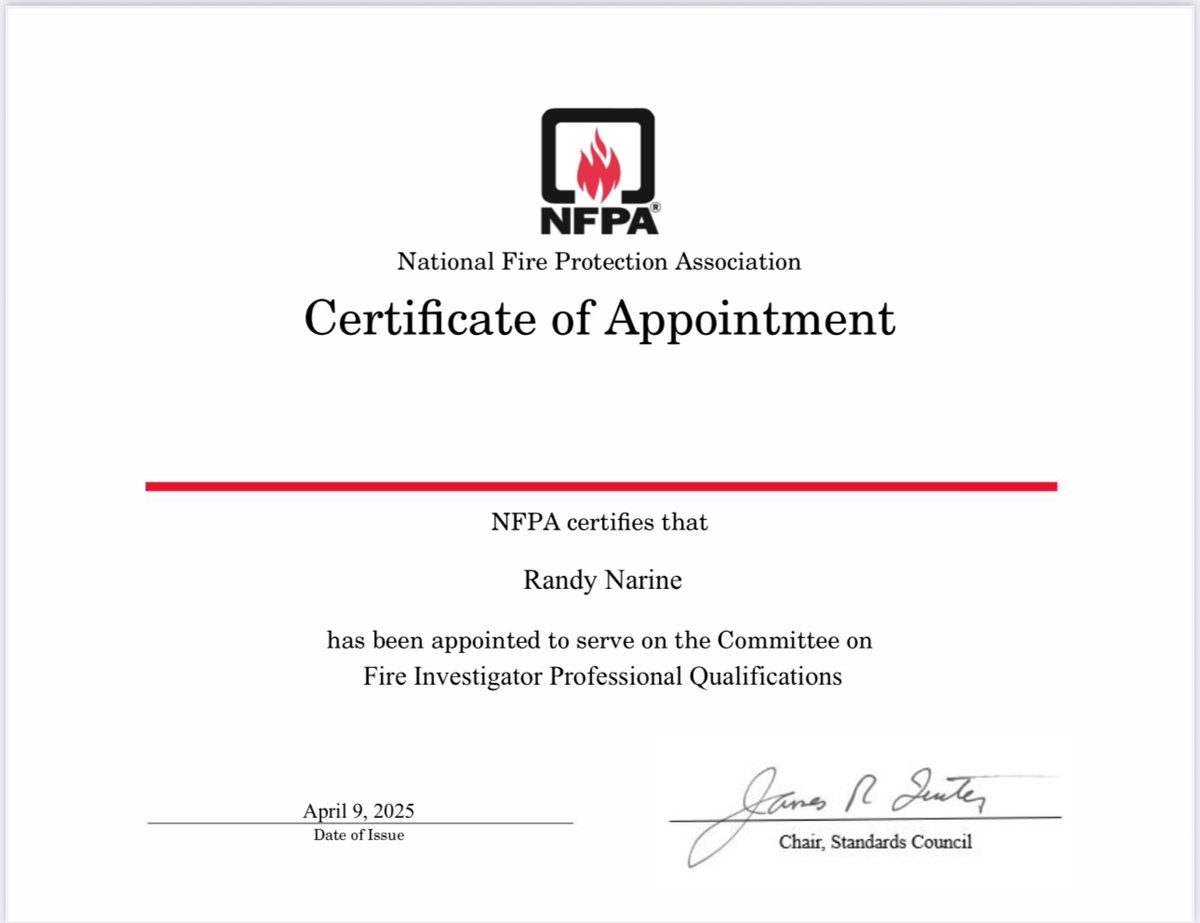
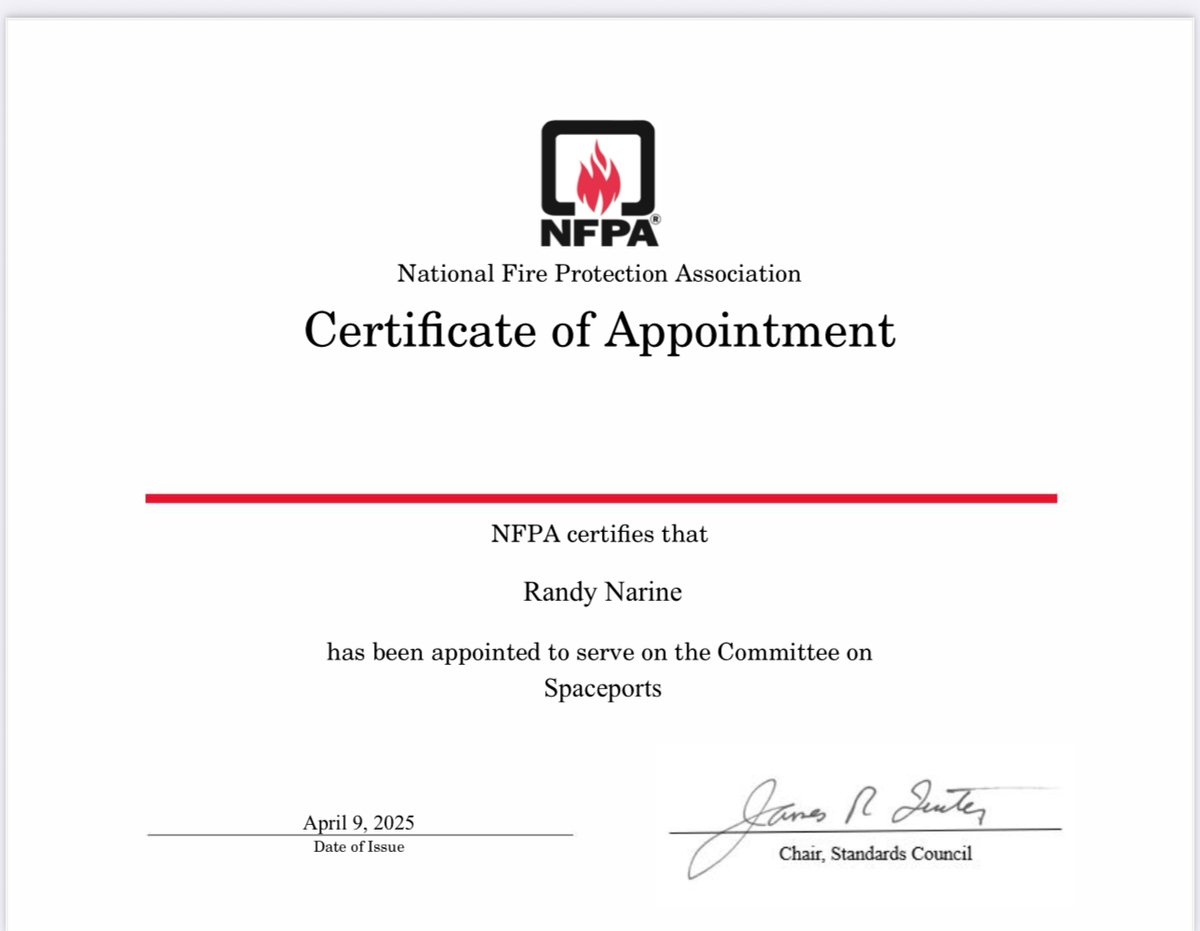
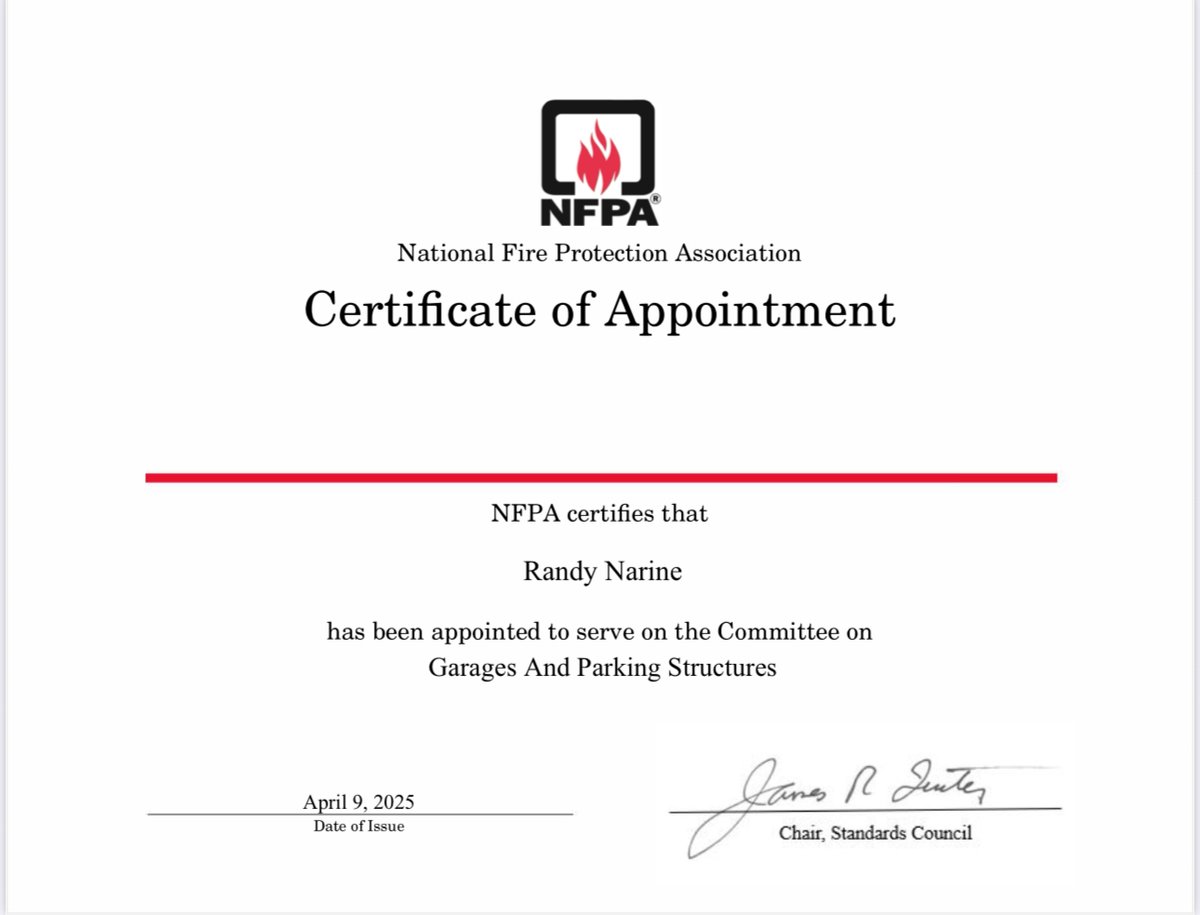
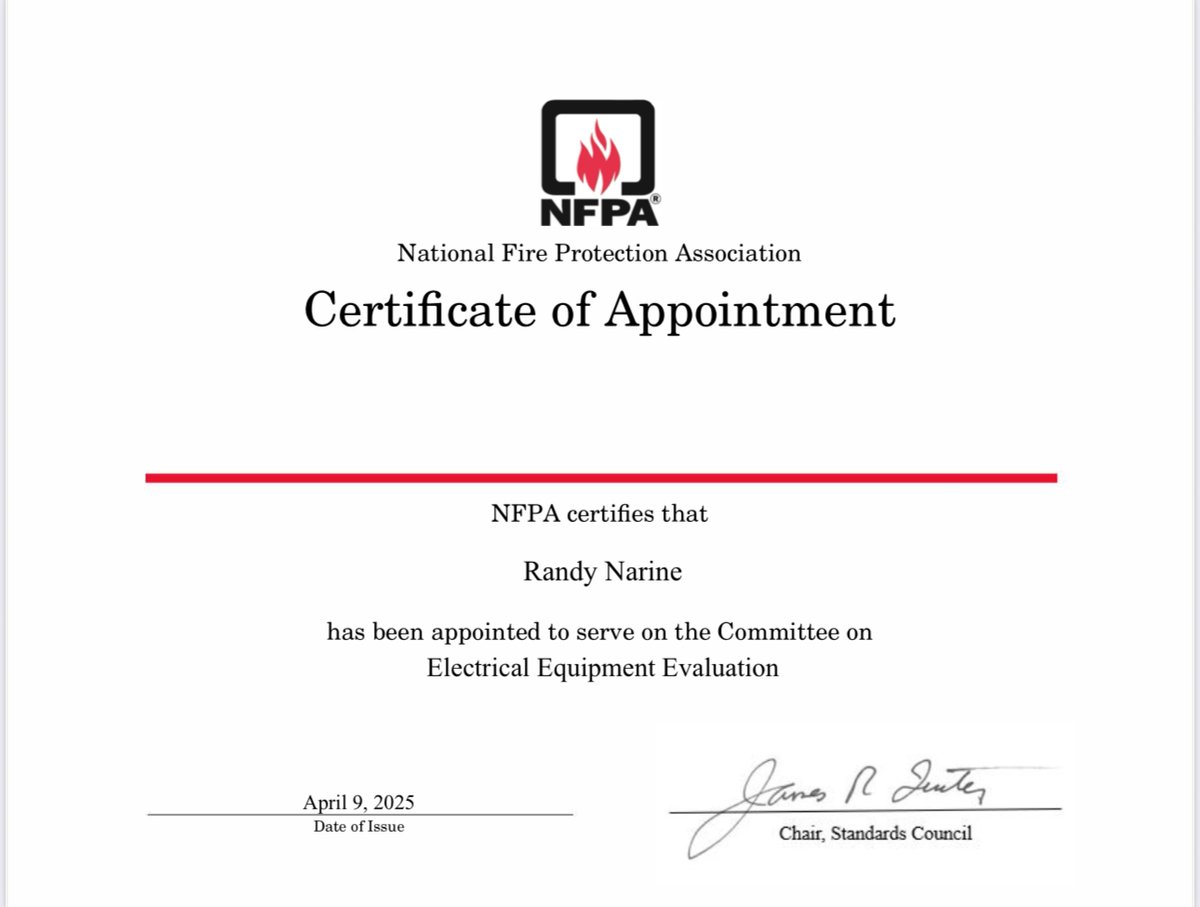
I'm honoured to share that I’ve been appointed as a Principal Member to four @NFPA Technical Committees, where I’ll be contributing data and insight directly from the research and validation work we conduct at @CESAT_Official.
As a non-profit research organization, CESAT operates its own independent facilities where we conduct destructive testing, gas detection, and emergency response evaluations focused on clean energy technologies. This gives us the ability to bring non-biased, real-world data into national code development.
My appointments include:
NFPA 461 – Spaceports (SPA-AAA): I’ll be contributing our findings on high-energy system behaviour and emergency modeling to help shape fire protection and life safety strategies for launch facilities—an area where clean energy and aerospace risks intersect.
NFPA 1033 – Fire Investigator Professional Qualifications (PQU-FIV): I’ll be applying data from actual lithium-ion and hydrogen incidents we’ve tested to help ensure fire investigators are prepared for the modern hazards they’re now encountering.
NFPA 790/791 – Electrical Equipment Evaluation (EEE-AAA): Our hands-on experience evaluating advanced and unlisted clean energy systems will support more informed, safety-focused evaluation protocols for the next generation of electrical infrastructure.
NFPA 88A – Garages and Parking Structures (GAR-AAA): I’ll be bringing field data and suppression testing results from EV-related fire events in enclosed spaces—particularly addressing thermal runaway, gas buildup, and system failure risks in modern parking structures.
I’m grateful for the opportunity to contribute to this work and collaborate with professionals across disciplines who are committed to evolving our safety standards to meet today’s challenges.
#NFPA #CleanEnergy #PublicSafety #EmergencyResponse #EVSafety #FireInvestigation #Spaceports #CESAT #FireProtection #BatterySafety
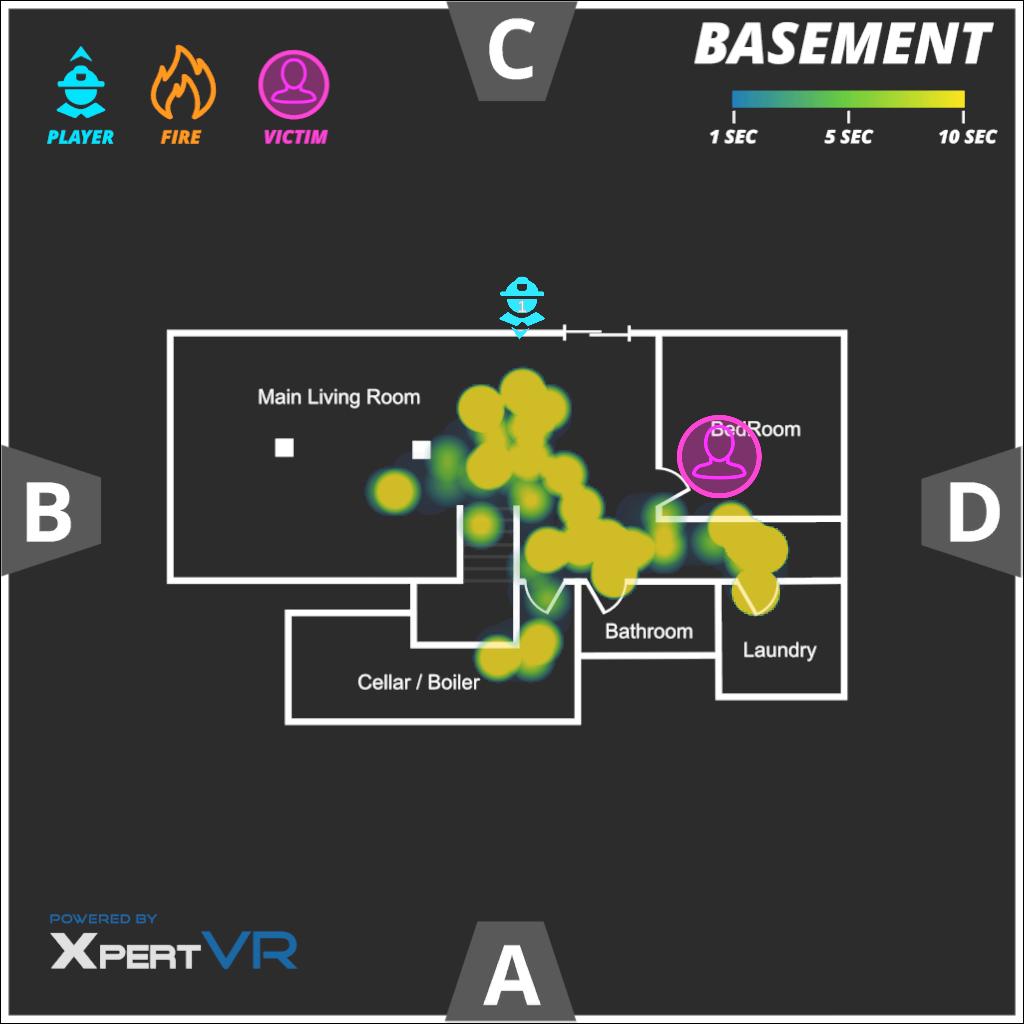
Same scenario.
Different firefighter.
This time: full right-hand/left-hand search, full coverage, full data.
This is what accountable, data-backed training looks like.
What does your training data look like?
Most firefighter training has no data trail.
- No proof of coverage.
- No way to give specific feedback.
- No defense when insurance asks for training records.
Here's what happens when a search is done without structure ⬇️
#DYK many fire-adapted tree species depend on #rxfire to clear the way for ☀️, nutrients, & healthy growth. 🔥 plays an important role in keeping forests vibrant & resilient - bc when we care for the land, we care for the 🌲
#LoveATreeDay#goodfire
📸 USFWS
You plan to clean inside the #cottage this long weekend—but what about up top?
Dry leaves and debris in your gutters and roof can fuel a fire. Clear them out to stay fire-safe and avoid water damage.
One simple chore. Big protection.
#CottageCore#VictoriaDay#LongWeekend
@gingasvr Depends on what type of games you're into but you're right, gaming VR hasn't hit the mainstream. Training/educational VR on the other hand...
You pull up to a fire. Time is ticking.
What do you do first?
We give firefighters reps in this exact moment — so the first time they face a new scenario, they’ve already seen it.
Participants exposed to the virtual reality scenario experienced a similar stress response to the realistic in-person scenario-based training exercise. (Texas State University)
Training first responders using VR isn’t sci-fi — it’s real, and it is saving lives.
From fire halls to auto plants, we’re redefining readiness through immersive simulation.
Let’s build a safer, smarter future — together. 👇
75% retention rate for VR training in schools, compared to lectures (5%), reading (10%), and audio-visual learning (20%) (National Education Association)