The Quinta da Regaleira manor has so many epic features, like the Well of Initiation and extensive tunnels and grottoes. It would be an amazing setting for a mystery story.
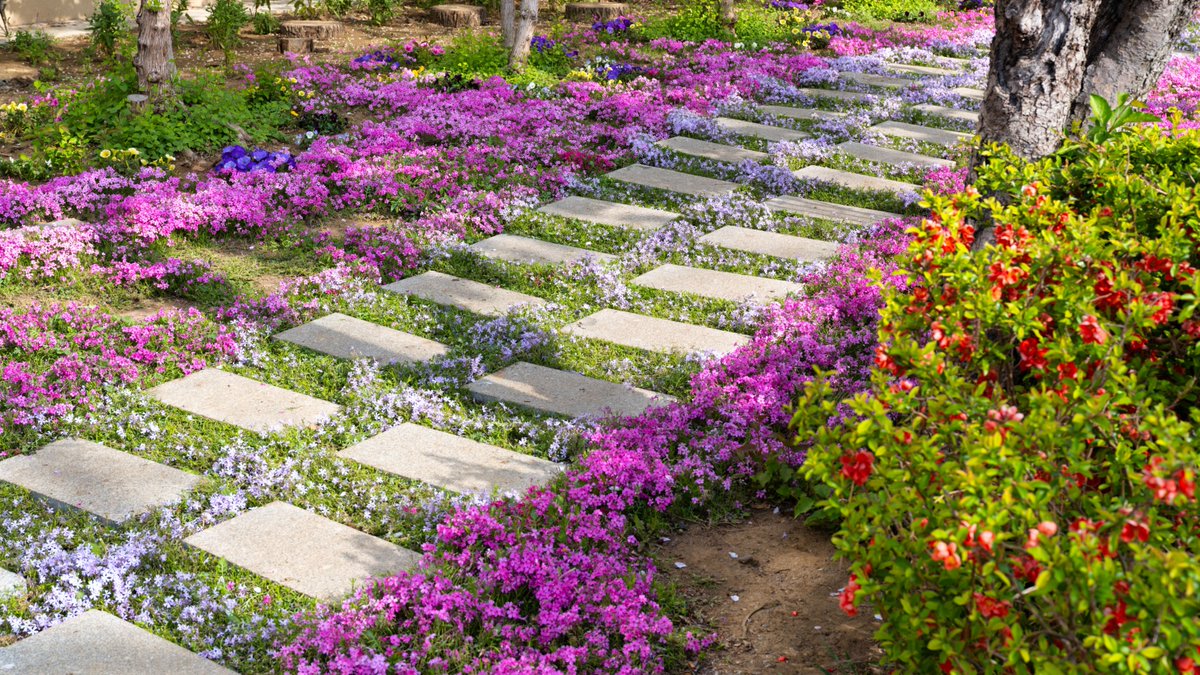
If you're going to have a lawn, make it red creeping thyme.
It barely needs water after the first year. It tops out around 2 to 3 inches and never needs mowing. It produces a carpet of magenta flowers in summer that bees and butterflies cover like a feeding station.
It smells like thyme when you walk on it, because it is thyme. It's the same genus as the culinary kind, and edible.
Deer won't eat it. Rabbits won't eat it. Grass is crowded out by it.
It's hardy in most of the US (zones 4 through 9), tolerates poor soil, and handles moderate foot traffic.
Honest caveat: creeping thyme isn't native to North America. But neither is your lawn.
Kentucky bluegrass is European. Bermuda grass is African. Every square foot of creeping thyme replacing turfgrass is net positive for pollinators, soil, and water use.
If you want a fully native ground cover, look into Pennsylvania sedge for shade, pussytoes or wild strawberry for sun, and moss phlox for rocky spots.
But if you're going to have a lawn, make it one that does something.
It’s one thing to see a graph saying, “12 million illegal migrants entered Europe since 2008.”
It’s another thing to actually see it.
Every blip in this animation represents 100 people.
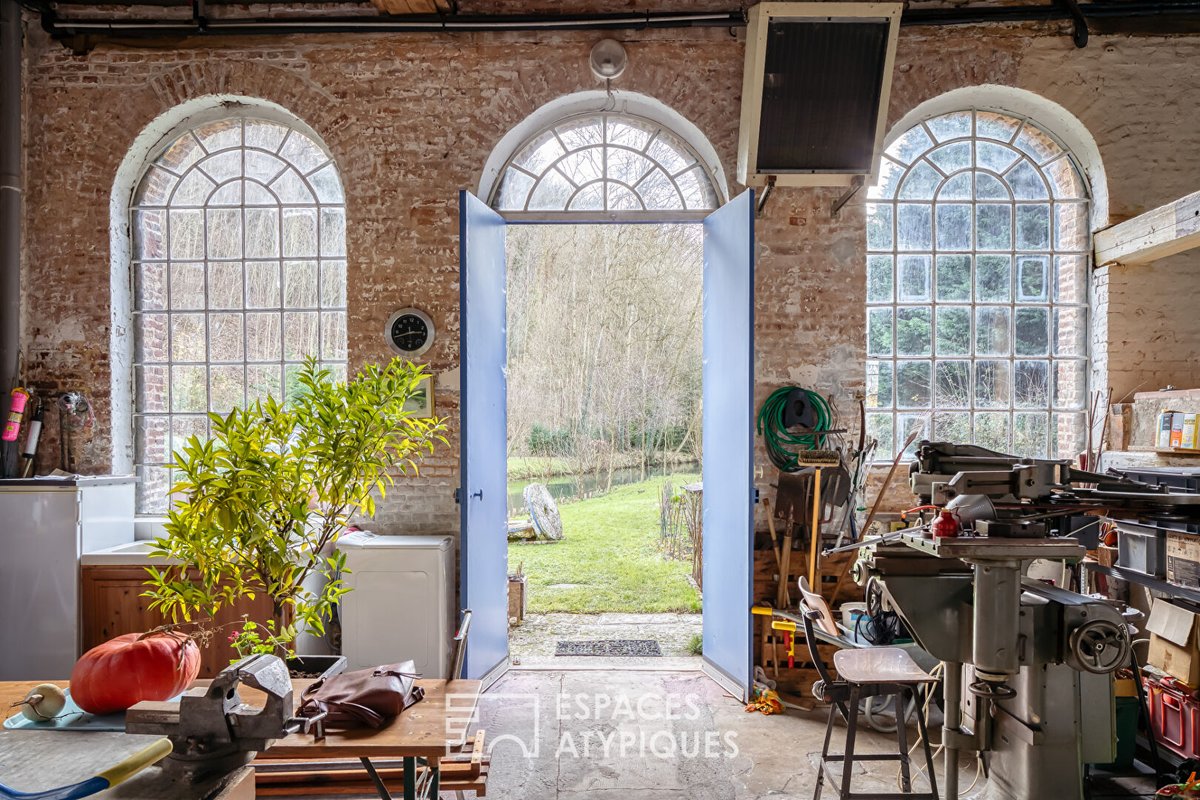
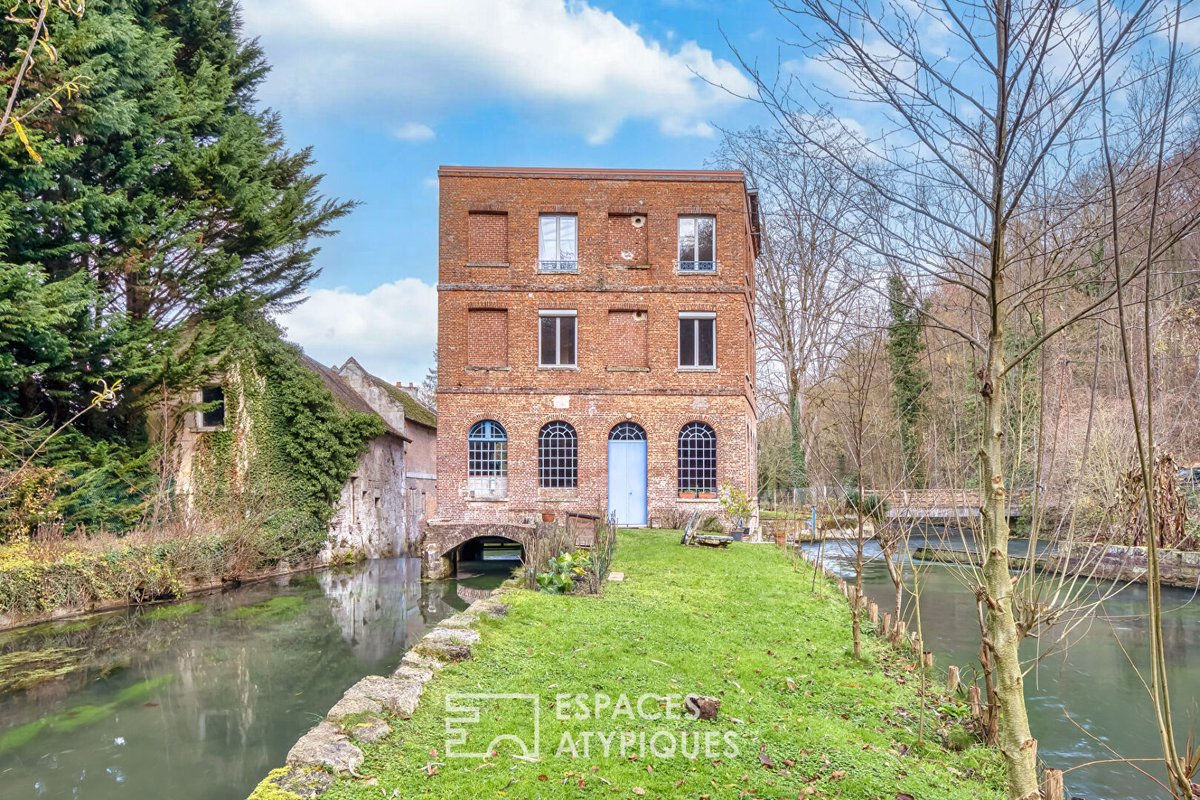
Someone is selling a flour mill in Normandy that sits on its own private island, with two waterfalls. It was first recorded in 1398.
The mill was owned through the Middle Ages by the Le Veneur family, and rebuilt in the 19th century into the red-brick flour mill you see in the first image. It has been lived in ever since, which is probably the most remarkable thing about it.
4 bedrooms, 242m² (2,607 sq ft) of living space across multiple levels, with a 72m² living area on the top floor. It also includes an indoor swimming pool which tbh I did not expect.
The original millstone is still sitting on the island by the way. So is a beehive.
To get to the front door you cross a small stone bridge over one of the waterfalls. A short walk the other way takes you to a second narrow island of 220m², which leads directly into the forest.
Asking price: €349k ($409k). The waterfalls are included. Presumably some form of hydroelectric power is possible, but I'll leave that to people smarter than me.
The Tomb of Christ is searched then sealed by the Israeli govt. The Greek Patriarch is searched & enters alone. The Holy Fire ignites by itself & for the first few minutes it doesn't burn. This ceremony has been performed continuously since the 8th century
Slaves in Rome ate bread, olives, and porridge.
The Roman nobility ate meat.
Egyptian labourers built the pyramids on bread, onions, and beer.
The pharaoh ate meat.
Aztec peasants ate maize and beans.
The Aztec nobility ate meat.
Chinese peasants ate rice and greens.
The Chinese nobility ate meat.
Indian lower castes ate rice, lentils, and flatbread.
The Mughal court ate meat.
Feudal Japanese peasants ate rice and pickles.
The samurai ate fish and meat.
Native American farmers ate corn and squash.
The warrior cultures ate bison.
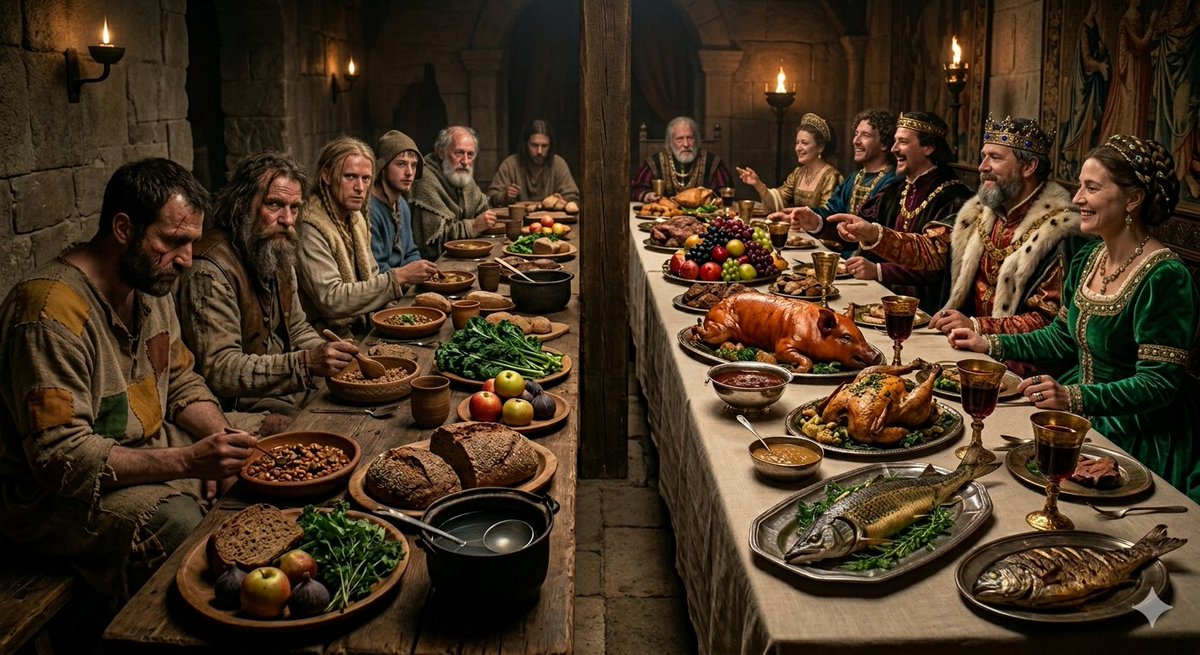
Medieval European serfs ate pottage and black bread.
The lords ate venison and swan.
Tudor commoners ate bread cut with chalk.
The court of Henry VIII consumed thousands of cattle a year.
Victorian working class ate bread, tea, and whatever was left.
The Victorian aristocracy ate beef, game, and butter.
Every civilisation. Every century. Every continent.
The poor ate the plants.
The rich ate the animals.
Then in 1977, a committee of American senators told the world that the peasant diet was the healthy one all along.
No civilisation in human history had figured this out.
Until then.
Apparently.
Japan has 9 million abandoned houses. By 2038, it's projected to be 1 in 3.
Many of these sell for near-zero prices. The government covers 30–75% of renovation costs. Japan also places no restrictions on foreign property ownership, identical rights to citizens.
Only a very specific profile would consider this. But there’s a lot of similarity to Italy's €1 home schemes, which were dismissed as gimmicks and are now attracting serious buyers to villages across Sicily and Sardinia.
Japan's abandoned house market is a real entry point for people willing to look past the obvious.
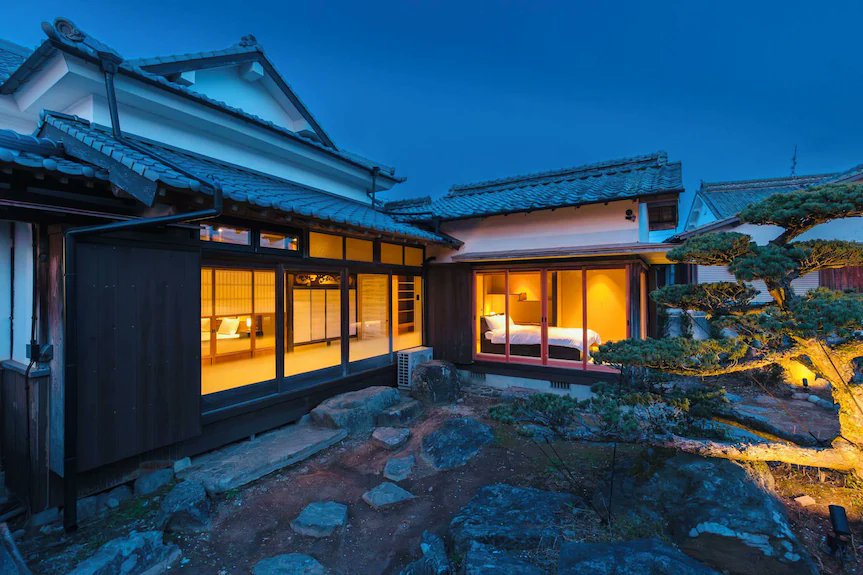
In Kyushu, you can also find move-in ready houses for $15,000–20,000 in towns with hot springs, fresh seafood, and Shinkansen access.
I will be exploring later this year personally, but quality of life in Japan looks to be incredibly high.
Is this one of the most overlooked property plays in Asia right now?