The Competition Commission of India (@CCI) has published the draft Competition Commission of India (Lesser Penalty) Regulations, 2023 (Draft Regulations) for public consultation.
Here is our briefing on the key aspects proposed under the Draft Regulations
https://t.co/IzUQ4GLVuN
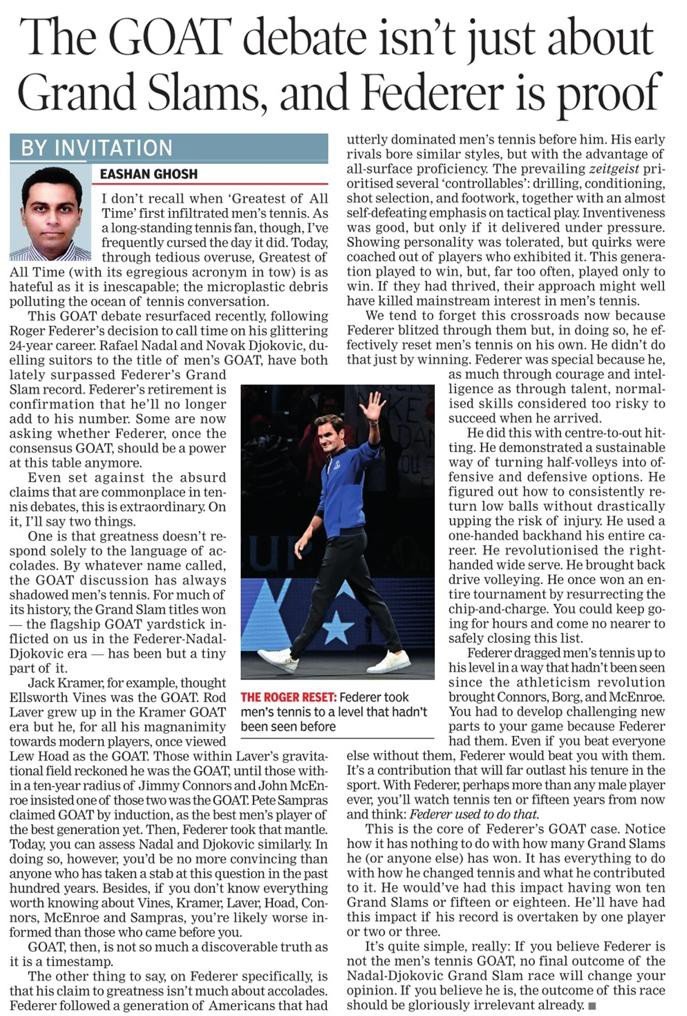
In The Times of India this Sunday, with a column on the grim future of men's ODI cricket, problems with the format of the ongoing World Cup, a slice of Australian history, and Virat Kohli complaining about things.
https://t.co/UpHtVtBneI
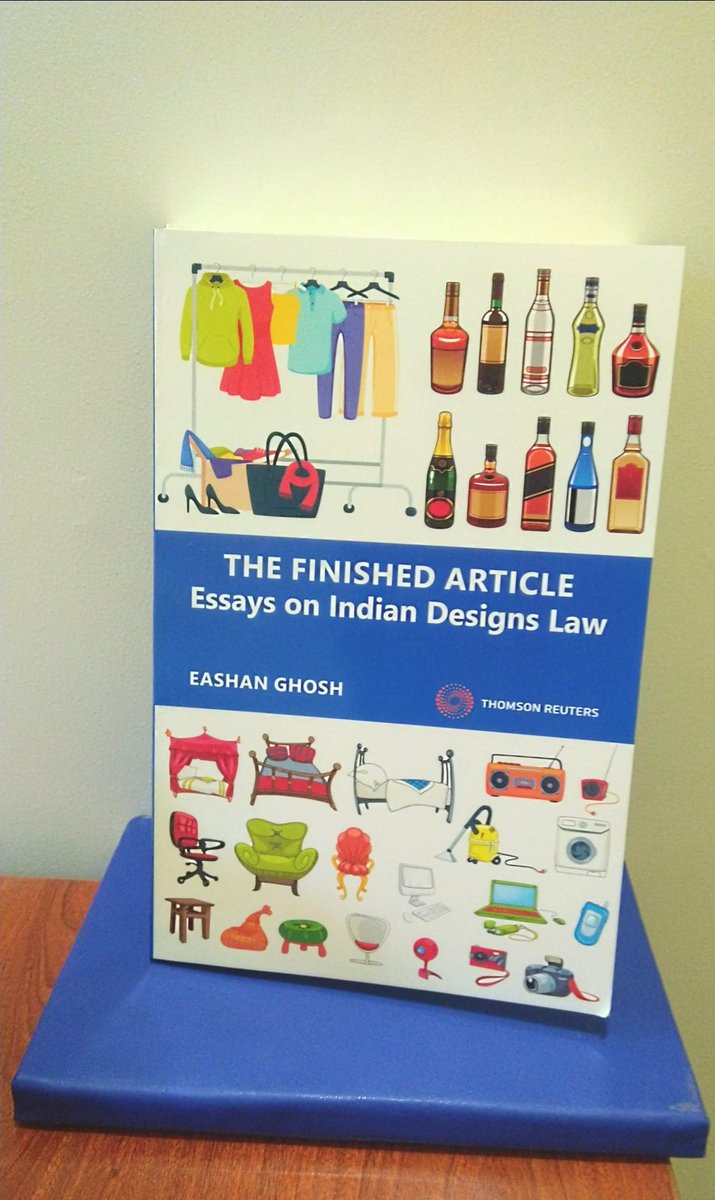
Publication Day!
Last summer, I set out to put together a guided tour through the modern history of designs case law in India. Today, it is The Finished Article.
I hold out hope that this book lives up to its title, in more ways than one. :)
Order here: https://t.co/hKSBM4abAd
I did a podcast appearance over the weekend.
I spoke about becoming an intellectual property lawyer, the process of writing my book Imperfect Recollections, a whole bunch of trade mark topics, my love for tennis, and lots more!
Do give it a listen! 😀
https://t.co/tDgsIWXZUK
@slartifartbast I think you’re 100 percent right about liquor stores. I haven’t been to one outside a mall in years so that didn’t strike me when thinking about the policy!
@slartifartbast If you take like a stationery or kitchen appliances store, you’d end up with no issue with halving the number of days. It wouldn’t really increase crowding and would significantly reducing the exposure of sellers (they’re exposed travelling to and from work, not just at the shop)
@slartifartbast First, liquor is probably the most inelastic of all non-essentials, and also the one not being home delivered, so that’s probably an unfair example to base general policy on. Second, you could triple the booze shops and you’d still have crowding in each, hence the token system.
@slartifartbast Fair, and I’m not suggesting it’s the smartest policy ever. Only that there’s also supply side considerations, and it isn’t as brainless as you’re suggesting. In the same example, on the other days, you could go buy stationary without having to walk through a really crowded area
@slartifartbast Twice as many people don’t come to the store if everyone is coming 80 percent or 50 percent as much as they used to (because they’re ordering in or stocking up). So there’s a direct link between twice as many people and people going twice.
@slartifartbast But it isn’t analogous at all! If you shut half the offices, less people would be on the roads. That’s the supply side. Twice as many people wouldn’t go the next day. That isn’t analogous either, but it’s closer!
@slartifartbast Also if shops are open alternate days, then the people working at those shops have less exposure. They’re cross contaminating less. More shops means more people out daily, which would be worse no?