a165
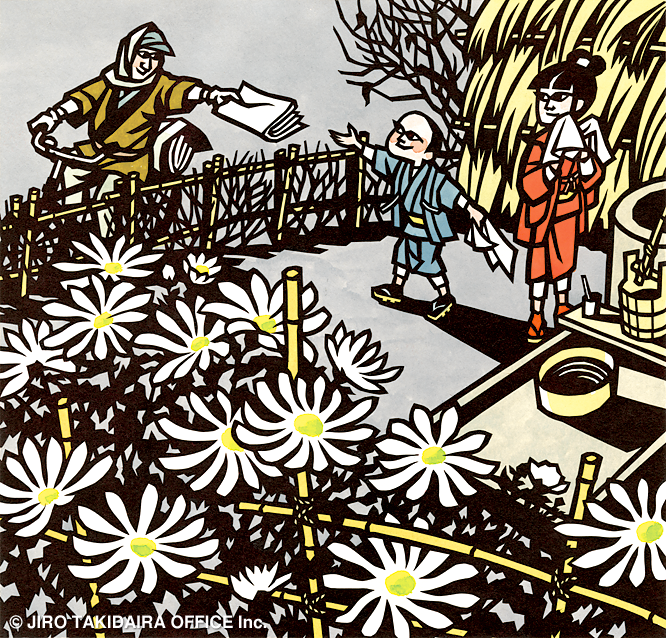
庭の千草 <Niwa no Chigusa (Japanese School Song, 1884; Words by Tadashi SATOMI; based on Irish Folk Song)> 1973年 きりえ/和紙・洋紙、墨・水彩 22.5×23.5cm
#JiroTakidaira#滝平二郎
Fushimi Inari in Kyoto, einer der heiligsten Orte Japans.
Muslimische Männer stellen sich links und rechts ans Torii, mitten in den Weg, und lehnen an den heiligen Säulen. Besucher fühlen sich sehr unwohl, Frauen und Mädchen eingeschüchtert.
Das Gelände ist seit über 1300 Jahren ein heiliger Ort des Gebets. Dass jemand an den heiligen Torii-Säulen lehnt und den Weg blockiert, gilt in Japan als respektlos, und der Schrein verbietet es auch ausdrücklich.
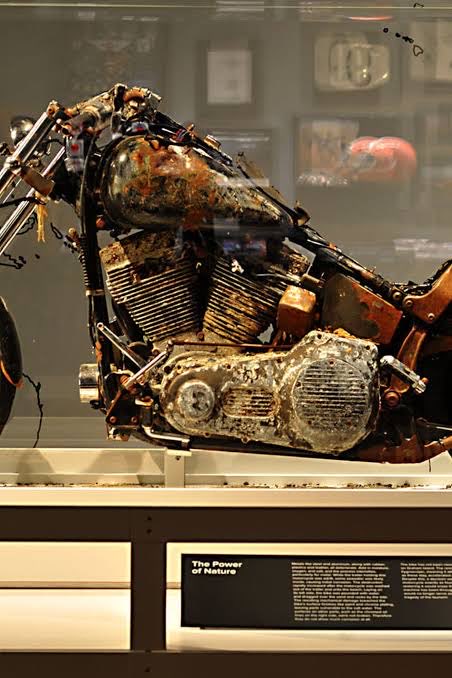
April 2012. A rusted Harley washes ashore in North America after drifting 4,000 miles from the Japanese tsunami.
Harley Davidson offered to make it brand new for free, and a 29 year old man who had nothing left turned them down.
His name was Ikuo Yokoyama.
Before the March 2011 earthquake, that black 2004 Night Train was everything to Yokoyama. Then the tsunami hit Miyagi Prefecture, killing 15,000 people, including three members of his own family.
For over a year, Yokoyama slept on the floor of a tiny temporary shelter. Everything he had ever owned was at the bottom of the Pacific.
Or so he thought.
When Peter Mark discovered the salt crusted bike inside a broken storage box on Graham Island, Harley executives in Milwaukee stepped up. They offered to restore every bolt and fly the gleaming machine home to Japan.
Yokoyama shook his head.
He could not bear the thought of riding a shiny motorcycle past grieving neighbors who had lost their spouses and kids.
Instead, he gave up the last surviving piece of his old life. He asked Harley to display the bike untouched in Wisconsin, still crying ocean salt and red rust, as a voice for the 15,000 people who could no longer speak.
It stands there untouched to this day.
A man who lost everything refused a brand new dream so 15,000 strangers would never be erased from memory.
🚨 ATERRADOR: Una turista extranjera que visitaba Uzbekistán fue violada, golpeada y rapada por no llevar hiyab.
Esto es la ley Sharia.
¿Alguien puede explicar por qué tantas mujeres progresistas quieren importar este modelo a Occidente?