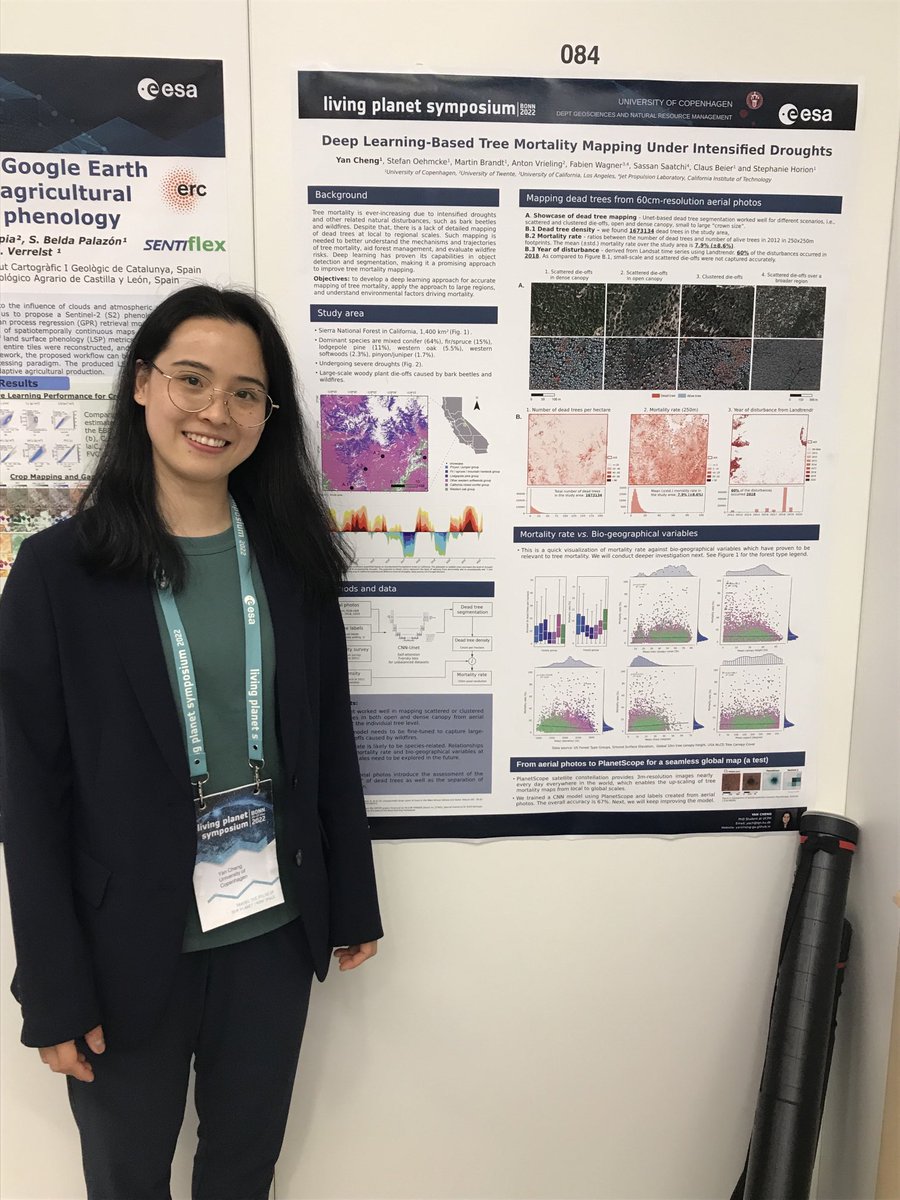
Checkout our preprint: https://t.co/WZGojbx88S - An Open-Access and Interactive Database for Centimeter-Scale Aerial Imagery to Uncover Global Tree Mortality Dynamics
https://t.co/ZzHpxDVQqJ
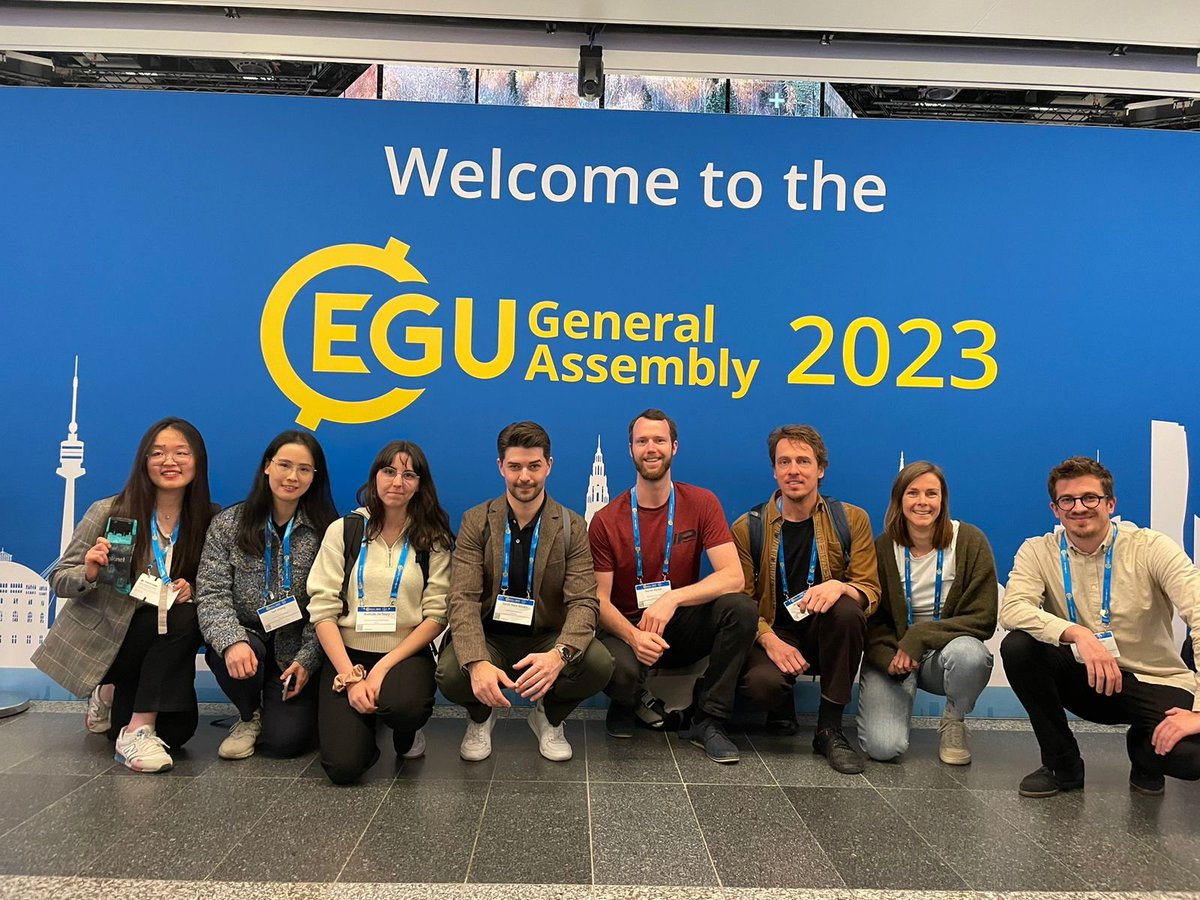
Representing @ucph_esdc this week at #EGU23 💙💛💙
@YanChengRS @wimverbrggn @DGominski
Come visit me at my poster tomorrow (Friday) morning in Hall A, A 266. 🙋🏼♀️
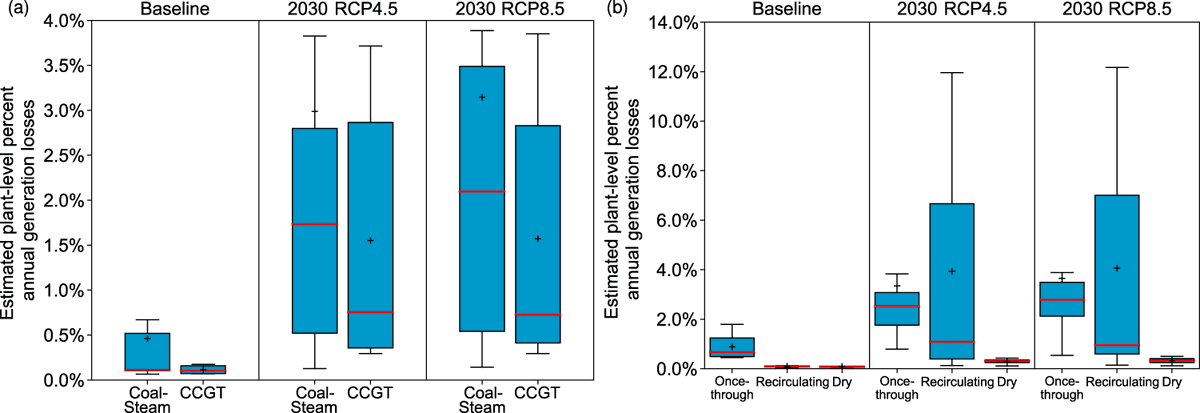
...i.e. how future climate will impact the environment and society. Specifically, in this paper, we assessed how future climate scenarios will impact power generation at the portfolio level. Check the paper to see which variables were predicted to have the highest impact!
It was a great pleasure to be part of this project. Before that, my main focus was on remote sensing, which allows me to see the past and the current image of the Earth. This project introduced me to climate models, with which we can "see" the future.
It was a great pleasure to be part of this project. Before that, my main focus was on remote sensing, which allows me to see the past and the current image of the Earth. This project introduced me to climate models, with which we can "see" the future.
Multi-hazard physical climate risk to power generation projects, for example through water scarcity or extreme weather, can be estimated from publicly available global datasets.
@luo_tianyi@YanChengRS
https://t.co/6yOcy1wULt
How many of species of tree are there? New study in @PNASNews estimates 73,000, of which 9200 have yet to be discovered deep in the tropical forests https://t.co/9Rso5ZLhHZ
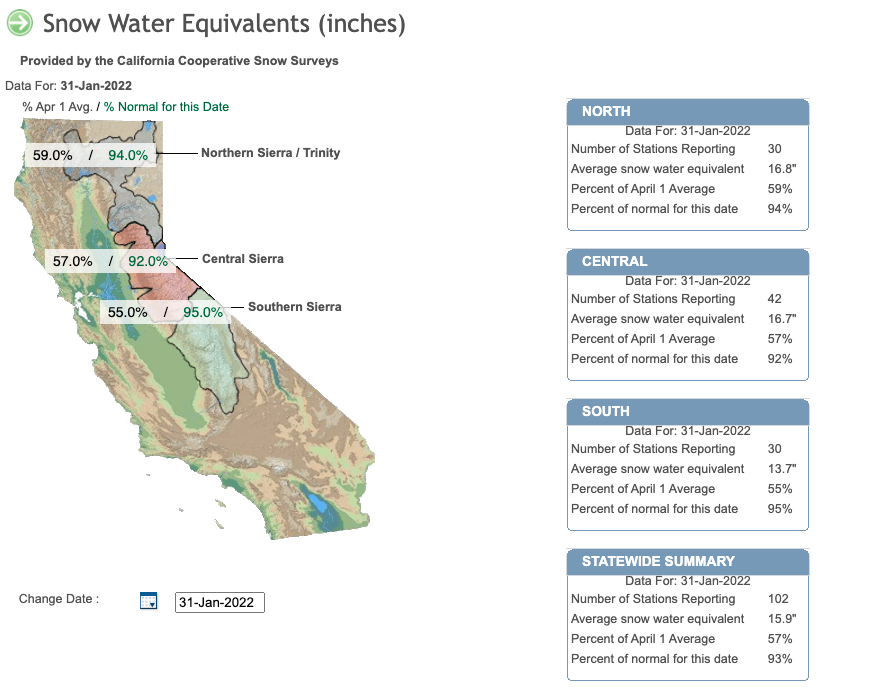
Amid record-dry Jan across portions of Sierra Nevada, California snowpack has now fallen below avg for date--remarkable given it was ~160% of avg for date in late Dec! These percents of average will continue to plummet over next 2 wks as dry conditions continue. #CAwx#CAwater
#Drought and its consequences is one of the 4 most critical natural hazards in the mountain areas of Southwest Europe, together with floods, fires and soil degradation
🍂☀🔥💦
Want to know more?
Have a glance to the @montclima seminar conclusions 👉🏼 https://t.co/qLU45s8U0n
Megadroughts are not new for North America, but research by climate scientists like Lamont's Jason Smerdon finds that current one is exceptional even compared to past extremes: this is probably most severe 22-year drought in 1,000+ years. Via @NZZenglish. https://t.co/lCgMmCpGQg
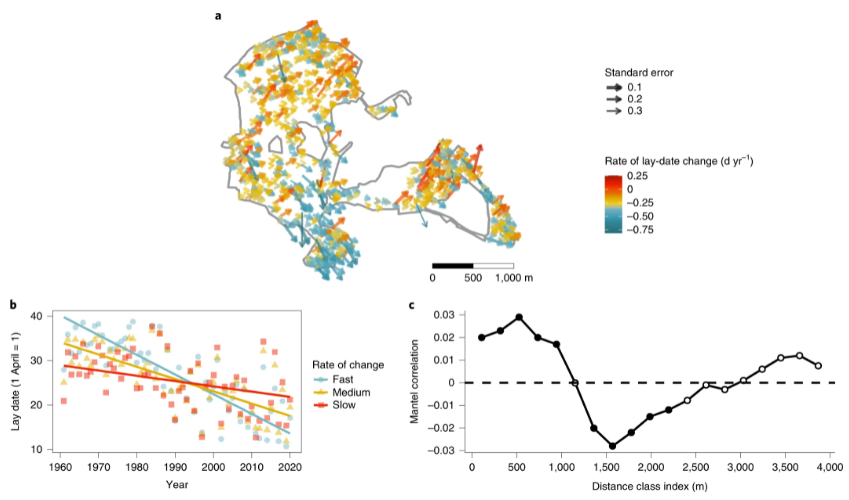
Article: Spatial variation in avian phenological response to climate change linked to tree health - @EllaFCole@ce_regan @Ben_Sheldon_EGI
https://t.co/aBURKMAMe9








![FLASHdrought's tweet photo. [19/Oct] #Flashdrought outlook with #NASA SMAP #SoilMoisture @DroughtCenter @TAMUGeosciences @tamubaen #drought21 #hydrology #drought https://t.co/c1OW66zMSX](https://pbs.twimg.com/media/FCPxRT-XIAMXWdu.png)