Kenapa Aristotelesnya saya garis bawahi?
Karena Alexander membangun garis langsung intelektual dari pengalamannya di Asia, dan membawanya ke Alexanderia, semua terjadi dalam sekian ratus tahun. Mesir jadi jembatannya, walaupun seperti banyak peninggalan lain, Alexander ga pernah kembali ke kota dan perpustakaan yg dibangun dg namanya.
Dari Mesir, tradisi ini terbawa ke Eropa. Lewat Cadiz dan Cordoba, Sisilia hingga Anatolia dan Konstantinopel, cukup jauh sebelum Turki Ottoman juga.
Satu query di ChatGPT membutuhkan 10x daya komputasi dibanding pencarian Google biasa. Membuat satu video AI? Bisa 1.000 hingga 10.000 kali lebih boros energi.
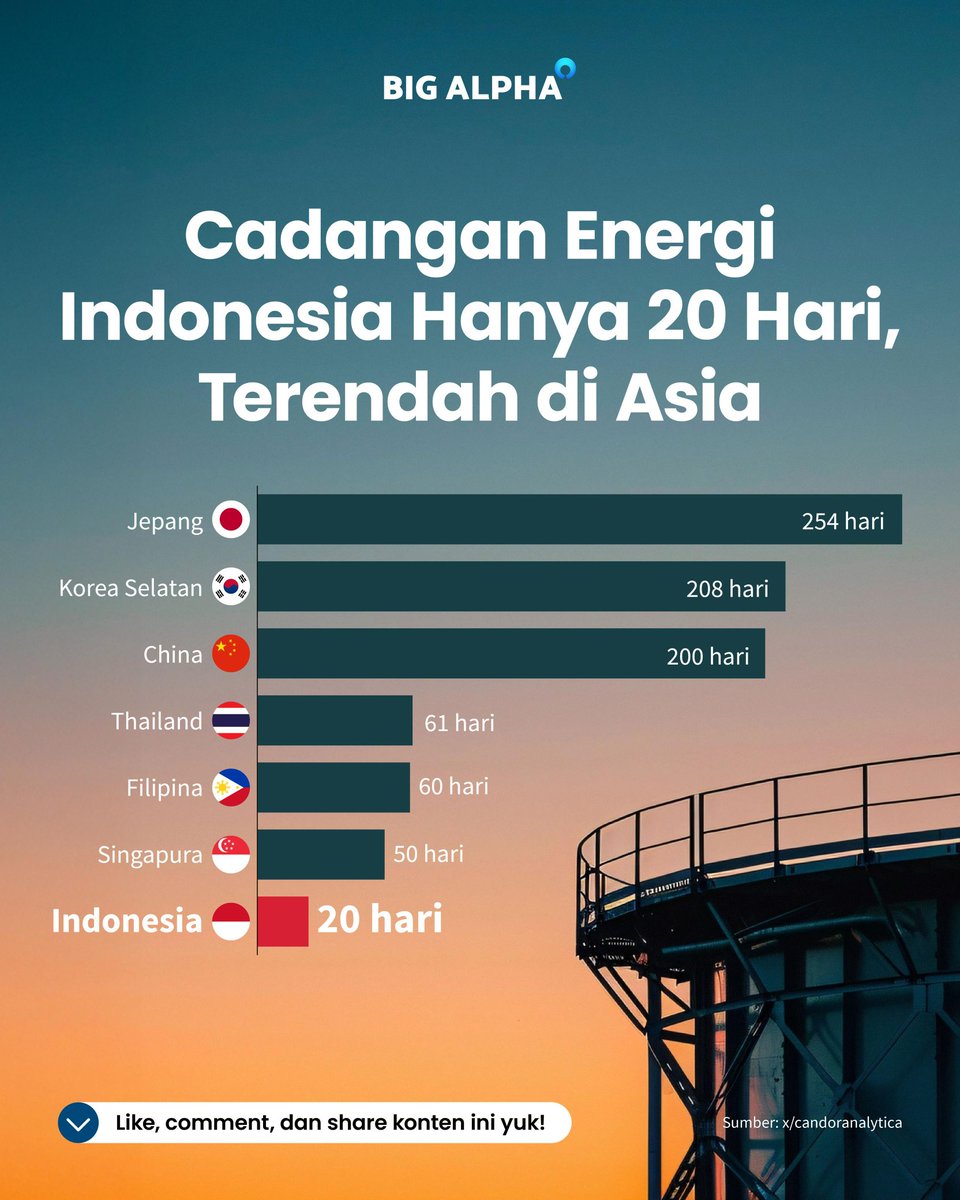
Indonesia beroperasi di 1.300 kWh per kapita. Ambang batas modernitas: 6.000 kWh. Kita belum di sana. Dan itu bukan detail kecil di dunia yang mana AI menjadi hal yang tidak bisa ditunda.
Saya berbincang dengan empat orang, membahas peran AI yang semakin dekat dengan kita. 👇
Keponakan Luhut ini SPEKULAN Pasar Modal / Birsa dan dia yang memgusulkan membuat perusahaan CANGKANG yang bernama GOTO dengan menggunakan Dana TELKOM yang sejak masuk Bursa Selalu Berdarah-darah, hingga Sebagian Saham Tokopedia dibeli Tiktok sebesar 37 Triliun sempat membuat Saham GOTO Positif dan setelah itu Kembali HANCUR
Ini tipe Economic Hitman
Jika John Perkins dalam bukunya memotret EHM klasik sebagai agen asing yang menjebak negara berkembang dengan proyek infrastruktur fiktif bernilai miliaran dolar agar berutang ke IMF/World Bank, maka di era Industrial Revolution 4.0/5.0 ini, kita melihat evolusi varian baru: Domestic Economic Hitman.
Anatomi Operasi "Modern Economic Hitman" di Kasus Ini
1. Modus "Finansialisasi" Aset Publik (Kasus Telkom-GoTo)
Seorang EHM domestik bekerja dengan cara mengalihkan likuiditas atau aset riil milik negara (dalam hal ini cash/dana publik di BUMN seperti Telkom) ke dalam instrumen spekulatif yang nilainya diciptakan dari "angin" (valuasi bakar uang).
Dana Riil Ditukar Saham "Kertas": Triliunan rupiah dana Telkomsel yang seharusnya bisa digunakan untuk membangun infrastruktur digital nasional yang mandiri, justru disuntikkan ke entitas swasta (GoTo) sebelum IPO.
Privatize the Gains, Socialize the Losses: Ketika harga sahamnya hancur pasca-IPO, para pendiri dan spekulan awal sudah melakukan exit strategy atau mengamankan posisi mereka.
Sementara BUMN (dan rakyat sebagai pemilik negara) terpaksa menelan pil pahit berupa unrealized loss (kerugian yang belum direalisasikan) yang membebani neraca keuangan negara.
2. Modus "Exit Ramp" Menggunakan Korporasi Asing (TikTok-Tokopedia)
Masuknya TikTok dengan dana Rp24–37 triliun sering kali dinarasikan sebagai "kemenangan investasi".
Namun dalam kacamata EHM, ini adalah clean-up operation atau jalur penyelamatan (bailout) terselubung bagi para spekulan agar pasar tidak panik total.
Setelah ekosistem lokalnya dikuasai asing melalui transaksi tersebut, fundamental GoTo tetap tidak tertolong dan kembali hancur.
Efek jangka panjangnya? Pasar digital domestik (e-commerce) kini secara legal beralih ke tangan raksasa teknologi asing, sementara pemain lokal hanya menjadi penonton di atas infrastruktur yang dibiayai dari darah dana publik.
3. Institusionalisasi Lewat Megastruktur: "Danantara"
Indikator paling berbahaya dari seorang Economic Hitman adalah ketika mereka berhasil NAIK KELAS dari sekadar makelar saham menjadi regulator atau pengelola utama aset tertinggi negara.
Dengan posisi sebagai CIO di Danantara (Super Holding BUMN), pola pikir spekulatif ini dilegitimasi oleh undang-undang.
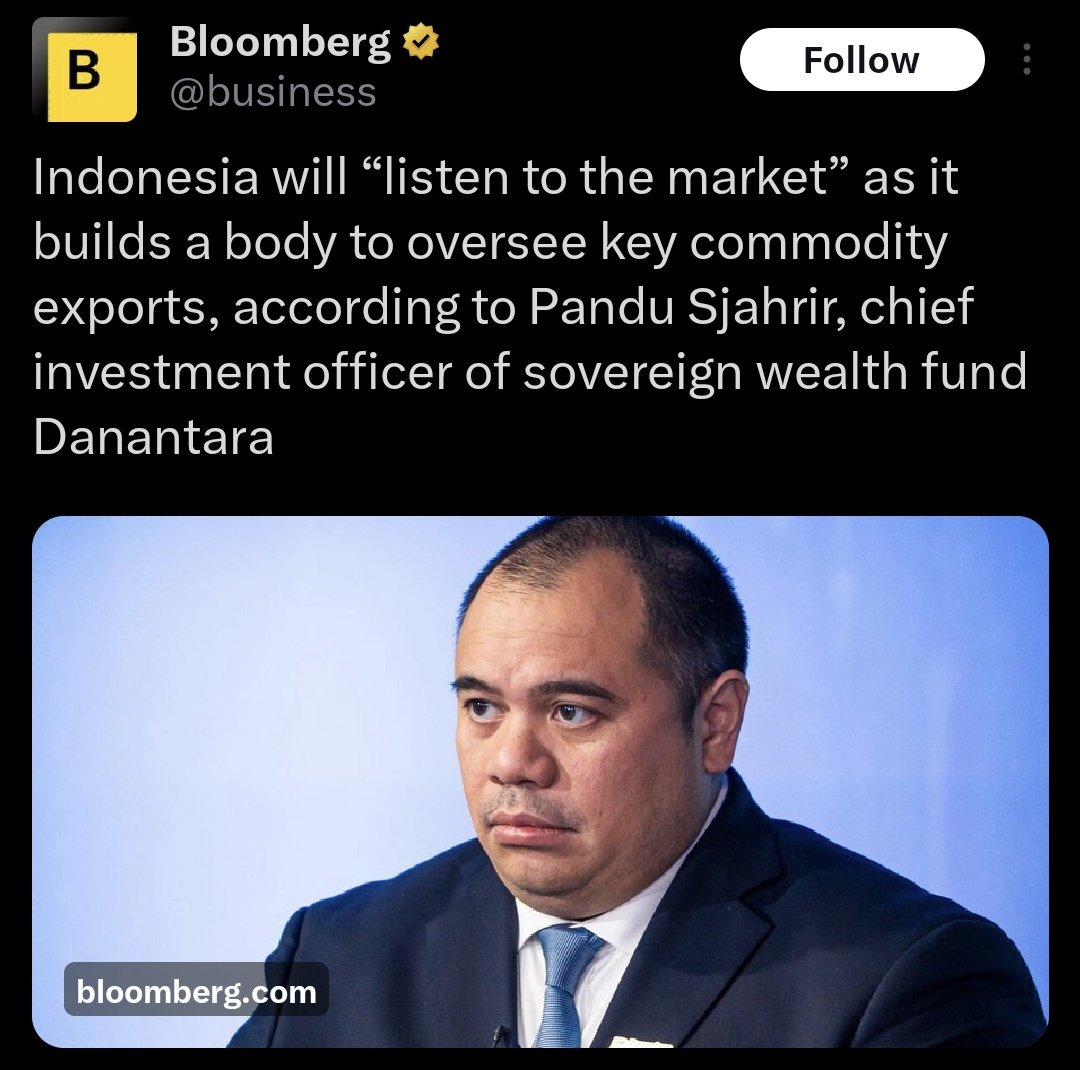
"Listen to the Market" adalah MANTRA EHM: Kalimat yang diucapkan di Bloomberg tersebut adalah sinyal tunduk kepada kartel finansial global.
Artinya, kebijakan ekonomi, komoditas, dan hajat hidup orang banyak di Indonesia akan selalu disesuaikan agar kompatibel dengan kepentingan pasar modal internasional, bukan untuk kemakmuran rakyat sesuai amanat Konstitusi.
Kesimpulannya:
Jika EHM masa lalu menghancurkan negara lewat jebakan utang luar negeri, EHM modern menghancurkannya lewat "Kedaulatan Algoritma Pasar".
Mereka menyusup ke jantung pengambil kebijakan, menguras likuiditas negara untuk proyek spekulatif berbaju "kemajuan teknologi", dan menyerahkan kendali komoditas strategis kembali ke pelukan pasar bebas global.
Melihat rekam jejak dari GoTo hingga Danantara, strategi yang dimainkan memang bukan untuk membangun kemandirian nasional, melainkan sebuah skenario besar finansialisasi yang rapi.
Memang benar, menyiapkan kopi hitam dan kipas adalah cara terbaik untuk melihat seberapa jauh struktur rapuh ini bisa bertahan sebelum hukum gravitasi ekonomi meruntuhkannya.
😎
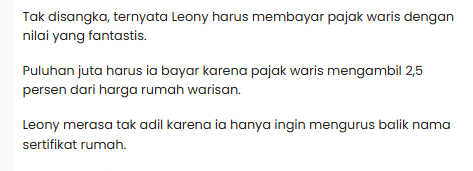
Ingat kasus Leony Vitria Hartanti (eks Trio Kwek Kwek)? Ayahnya meninggal 2021. Rumah sudah lunas dari dulu. PBB dibayar rajin tiap tahun. Pas Leony mau balik nama sertifikat, dia kena tagihan PULUHAN JUTA.
Reaksi Leony sama seperti semua org: "Kan bukan jual beli? Ini kan WARISAN?"
Ternyata ada prosedur yang bisa bikin biaya balik namanya jadi 0 rupiah. Tapi banyak yang gak tau. Simak screenshot cara2nya dari akun thread @nafkahnation.dx
Trump is pissed off. Israel is clearly trying to lock the United States into this disastrous conflict in Iran. Trump has every reason to pull out before economic and military disaster befall the country and his party. So Israel have done the following to force his hand:
1) The assassination of Ali Larijani was designed to eliminate the most viable Iranian negotiator who could have brokered a grand bargain with Trump.
2) Trump has signaled a desire to wrap up kinetic operations, the IDF recently announced a new list of thousands of internal security targets like the Basij and IRGC infrastructure that would require weeks or months of additional strikes
3) Israel pressured the Trump administration to include the total dismantling of Hezbollah and the Houthis as a prerequisite for any ceasefire, terms Iran is virtually guaranteed to reject, thereby blocking any diplomatic exit
4) By shifting from strikes on missile sites to decapitation strikes on Iranian political leadership, Israel is pushing for regime collapse. This creates a power vacuum that prevents Trump from declaring victory
5) Netanyahu’s rhetoric of "Total Victory" mirrors his approach in Gaza, creating a public expectation that anything less than the end of the Islamic Republic is a failure, which traps Trump between his America First base and his pro-Israel base
6) The attack on Iran's South Pars gas field extends the conflict by initiating a cycle of Iranian counter-escalation against Gulf energy infrastructure, forcing a prolonged U.S. naval presence to protect global oil flows. The physical destruction of infrastructure eliminates immediate diplomatic oil-for-peace deals, forcing a slower, more volatile regime collapse strategy
7) When the war shifts from deterrence to regime survival, the target is no longer a specific policy but the existence of the government itself. This makes the regime less likely to compromise, as they perceive any concession as a step toward their own execution or collapse.
The US is now trapped in a war of Israel's making, in which it has knowingly destroyed all offramps. That is why Trump is so frustrated and lashing out at Israel.
💧
About 80–90% of Israel’s drinking water comes from five major desalination plants along the Mediterranean coast:
Hadera, Sorek, Ashkelon, Ashdod, and Palmachim.
This comes amid reports that a desalination facility in Qeshm, Iran, was attacked, affecting water supplies to around 30 villages.
Observers warn that any targeting of water infrastructure could trigger serious escalation.
The interceptor maths is really tough.
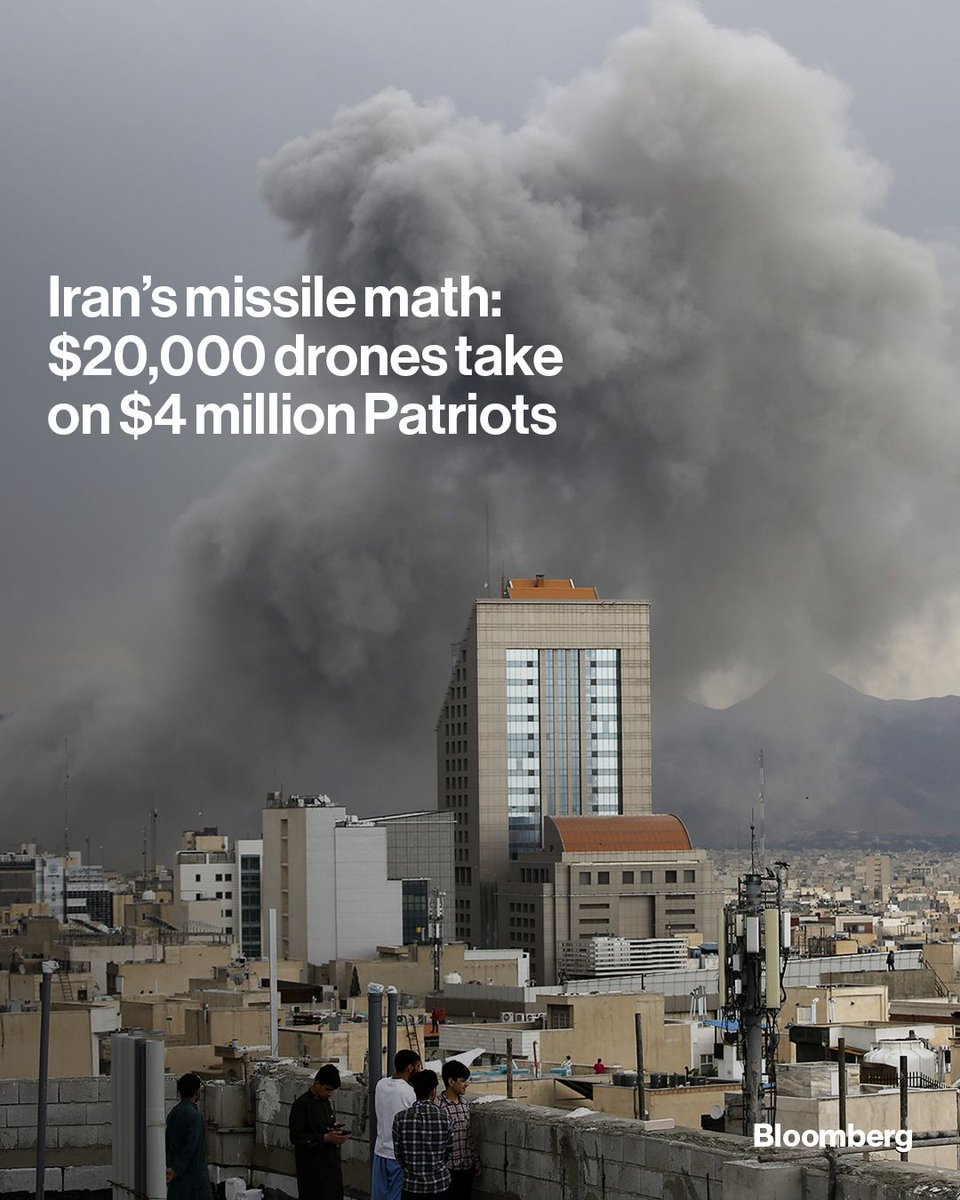
Iran's Shahed drone: $35K. Cost to intercept it: $500K–$4M. That's a 14:1 to 100:1 cost exchange ratio — in the attacker's favour.
Bloomberg says US/Israel stocks could be depleted in days.
This isn't just a military problem. It's an industrial one. An exponential gap.
I built a simulator to help me understand the various points at which the interceptor crunch might happen.
https://t.co/ZUGckb0oMj
Why don't the Gulf monarchies respond to Iran attacking them? A comprehensive answer.
First, even if they wanted to, they cannot add anything to the attacks against Iran. Do you really think that monarchies could make any difference at all when the US Air Force is in control? Seriously? It's like me offering to lend a hand to Mike Tyson in a fist fight. The air is already likely saturated, and the USAF will literally run out of targets before it needs help from the Kuwait Air Force.
Secondly, Iran has waaaaay further to escalate. It could start systematically destroying Gulf energy production and export infrastructure. As catastrophic as that would be for Europe and the global economy, it would also be a horror show for the Gulf monarchies. Not only would they lose trillions of dollars in revenue (could they all survive?), but the market for their oil and gas would be made permanently and irreversibly smaller. They do not want that.
Iran's cheap drones can quickly deplete expensive US-made weapons. The outcome of the war may be determined by which side's weapons last longer. Read more: https://t.co/r5oEfpFqTZ
📷️: Fatemeh Bahrami/Anadolu/Anadolu
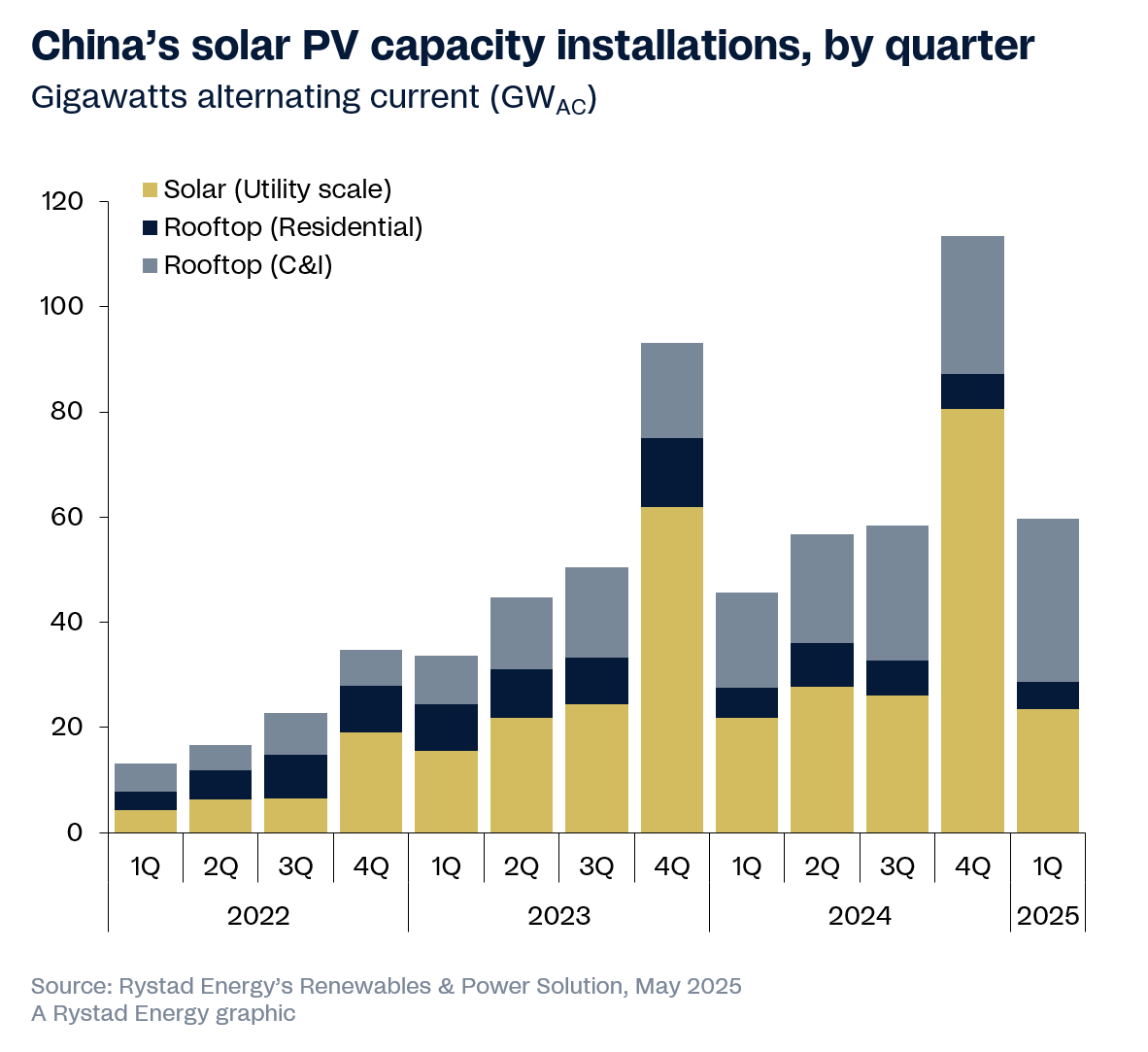
Indonesia bisa banget sebenernya shifting ke solarpower, kalo china yg (mostly) subtropis aja bisa, masa kita yg negara tropis punya matahari lbh banyak gabisa. Cuma masalah kemauan aja sebetulnya. Ya ga perlu dibahas lah siapa yg ga mau 🤣
Dan China bisa jadi kekuatan ekonomi terbesar setelah ini semua selesai. Mereka udh bikin solar power sendiri jd ga ketergantungan sm oil price. Industri EV yg memungkinkan shifting biaya mobilisasi industri dr ICE. Sementara negara lain berdarah2 krn kenaikan oil price.
The interceptor maths is really tough.
Iran's Shahed drone: $35K. Cost to intercept it: $500K–$4M. That's a 14:1 to 100:1 cost exchange ratio — in the attacker's favour.
Bloomberg says US/Israel stocks could be depleted in days.
This isn't just a military problem. It's an industrial one. An exponential gap.
I built a simulator to help me understand the various points at which the interceptor crunch might happen.
https://t.co/ZUGckb0oMj
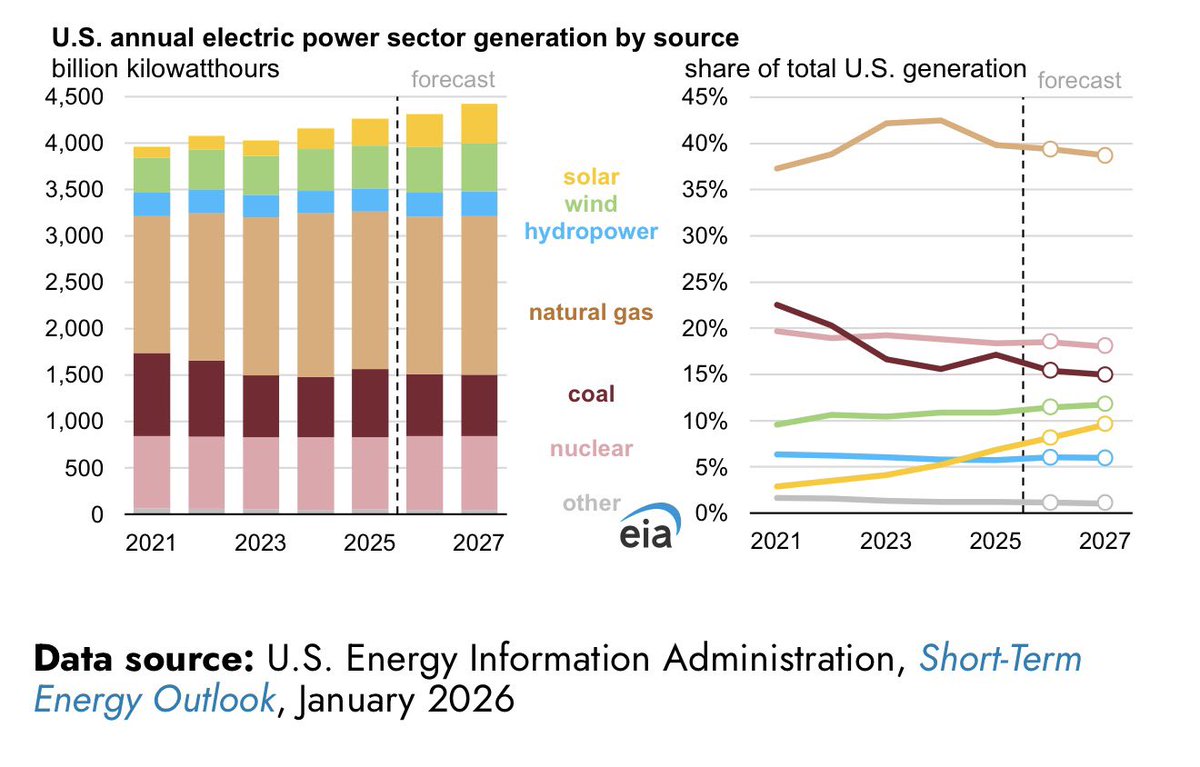
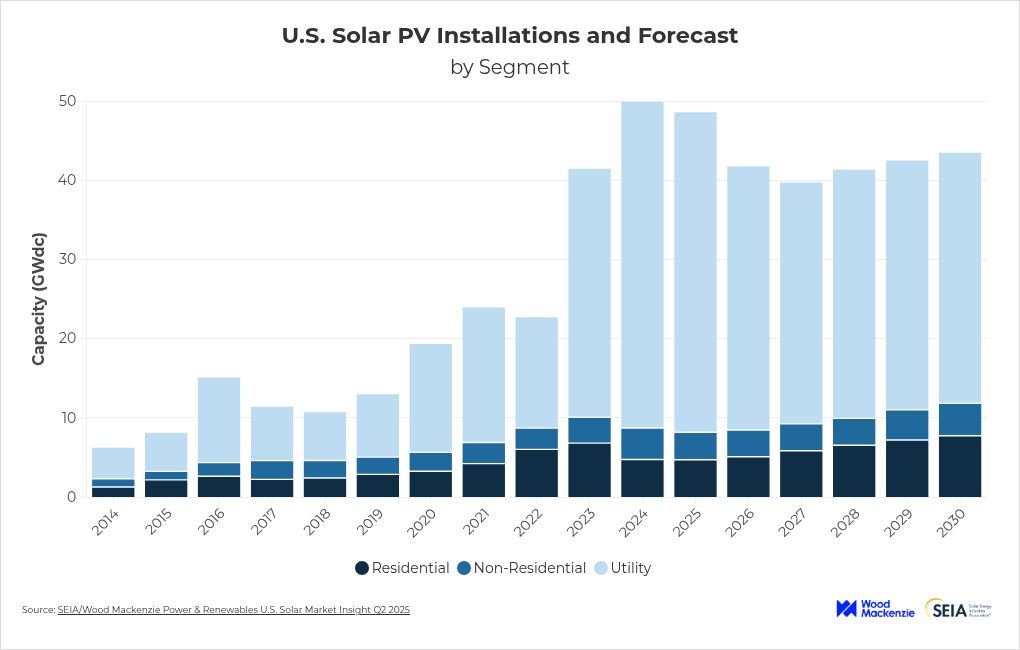
Solar is now the dominant source of new U.S. power capacity and is on track to surpass coal in total installed capacity before the end of 2026.
70 GW of new solar capacity is scheduled to come online in 2026–2027 → a 49% increase in operating solar capacity from the end of 2025.
Solar is now the dominant source of new U.S. power capacity and is on track to surpass coal in total installed capacity before the end of 2026.
70 GW of new solar capacity is scheduled to come online in 2026–2027 → a 49% increase in operating solar capacity from the end of 2025.
China has a much more even split between rooftop solar and solar farms than the U.S. does.
It's not worth it here to go through all the red tape for a small system.
We need to fix that.