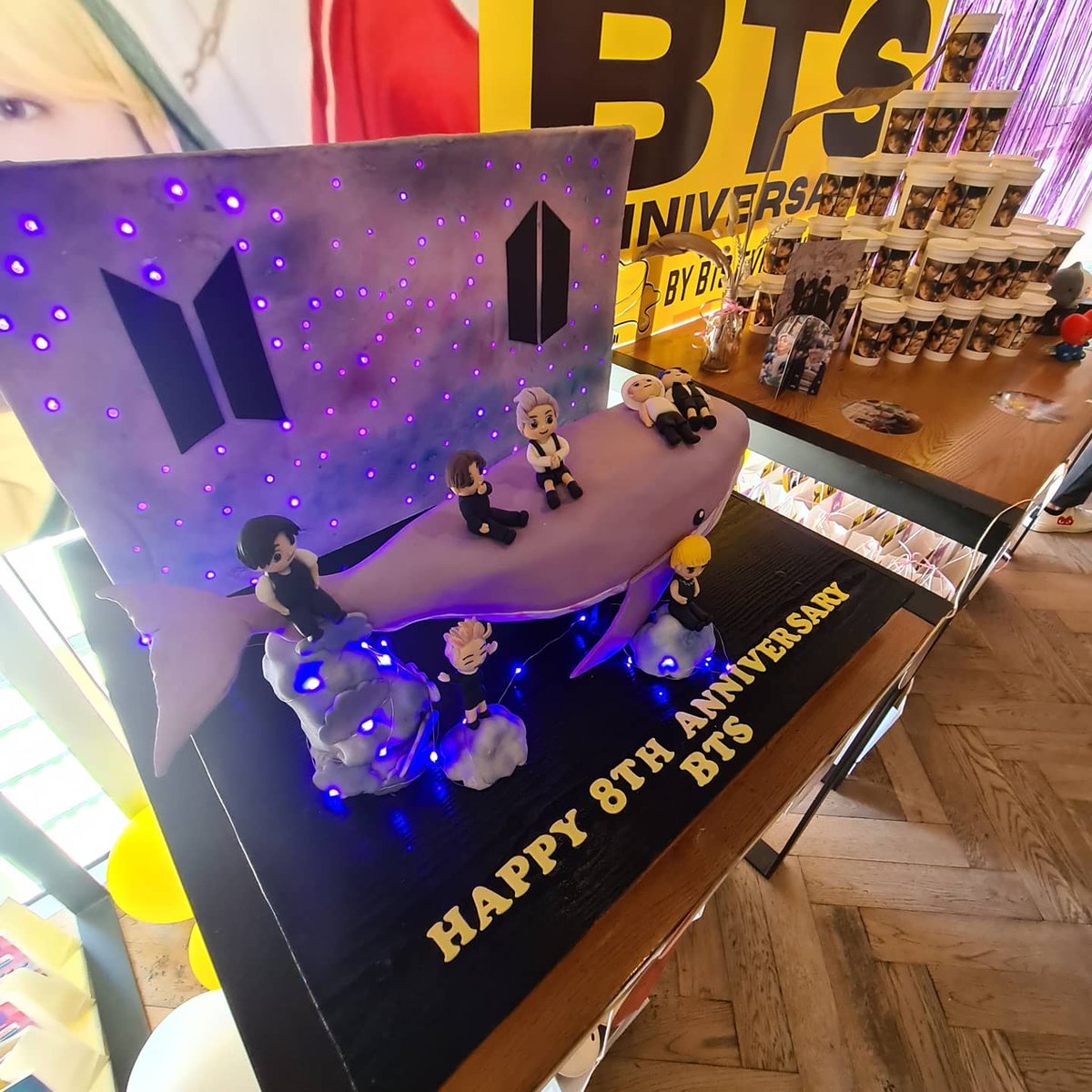
It's #2021BTSFESTA so as a cake decorator, I go big or go home! Of course I chose to go big for the boys!🥰 The main cake is the whale and I put in some LED bg to incorporate the festa theme. Also, I dressed them in their #BTS_Butter attires. @BTS_twt@bts_bighit@BTSARMYKitchen
@Soul_2_Seoul Mind you my 4-year old recognizes a lot of BTS songs. Even the old ones. She screams when she sees Jimin and says he's so cute. I'm bringing her to BTS concert in case the boys come to my country 💜
The lead songwriter for the K-Pop Demon Hunters movie: "Yeah so we purposefully made this song impossible for any one person to sing live, to drive home that these characters are superhuman."
Filipinos:
Don't read Harry Potter
Don't watch the Michael Jackson Movie
Don't watch Disney
Don't use Twitter
Don't use WhatsApp/Instagram
Don't drink Starbucks
Don't listen to Nikki Minaj
Don't listen to Drake
Have you done any of these?
To all ARMYs who was are deeply affected that BTS is endorsing Gemini and have attended the Usher and Chris Brown concert, and are hell bent on boycotting BTS, please DM me so I can buy your tickets for their Bulacan, Bangkok, Sydney, and Singapore concerts. Will gladly take them 💜
Stand your ground and sell us your tickets 💪🏻
ARMYs, this is one of the most interesting and trenchant takes on BTS's Grammys decision, even digging into America's history of "Separate but Equal."
Kim Ou-joon, one of Korea's most influential public figures and its most prominent progressive voice (I recently wrote a seven-part article about him in the Articles section), devoted a lengthy segment to the BTS-Grammys controversy on his program, Gyeomson News Factory. It is the most-watched live political and current affairs program on YouTube in Korea (and in the world), drawing more than 200,000 live viewers and averaging around 1.2 million views per day.
Kim was sick last Friday, so he wasn't there to host the show when three music critics appeared and made the most misguided arguments about BTS's decision:
1. This is just a Korean inferiority complex. It may feel emotionally satisfying, but it wasn't the right decision.
2. HYBE probably realized BTS had little chance of winning a major Grammy category anyway, so they made a calculated business move before the Grammys could reject them. This is basically a power game.
3. Now that the Grammys have created an Asian Pop category, future artists may dream of winning in that category. So we can't say BTS's decision was entirely the right one.
4. Didn't BTS work so hard to learn English and Japanese in order to break into the U.S. and Japanese markets? Now that there's an Asian Pop category, artists might not have to do that anymore. They could stay in their own language and still be nominated in the Asian Pop category. Isn't that actually a good thing?
Here is Kim Ou-joon's commentary from today's show. I translated them as faithfully as possible. Because of his short, conversational style of speaking, I added a few words here and there for context so that his intended meaning would come across accurately. And I omitted the exchanges between Kim and the announcer during Kim’s commentary.
—----------------------------
“I think the Grammys created the new Asian Pop Music category because they were planning to give that award to BTS. But then BTS refused to submit their music, and it became a global controversy.
Media outlets around the world started pouring out articles. From The New York Times onward, pretty much every major international media outlet we know covered it. And, for the most part, they viewed BTS's boycott positively.
They called it "a gentle but powerful criticism" (The Guardian). “Refusing was the right thing to do” (Cosmopolitan). "A declaration of independence" (Sportal Korea). “BTS had captured the spirit of the times" (The Economic Times)
Now, last Friday, the music critics who appeared on our program seemed to say that this new category could have become a stepping stone for Asian-language music to succeed in the global market, so they felt a little disappointed by BTS's decision.
Yes, I understand that point of view. There's some validity to it. But I think differently.
If I had been there, I probably would have argued against them pretty strongly. Since I wasn't, let me add my thoughts now, even if it's a little late.
Because I don't think this is something we should just let pass. I think this is a significant event, one that deserves to be recorded not only in Korean cultural history but also in the history of world culture.
Let me briefly explain why. To understand this, we have to look at it not from our perspective, but from the Western perspective. Using their way of thinking. Because it's a Western award show. It was their decision. We have to understand why they did it from their point of view. That's how you understand their intention.
Now, there's a precedent for this. I think it was 2019. MTV became the first major music award show to create a Best K-Pop category. It should have just been called Pop. Instead, they created a separate Best K-Pop category.
At the time, The Washington Post used a particular expression. They said this was America's "separate but equal" rule in music awards.
That phrase is extremely important in the history of the American civil rights movement. For Americans, just hearing those three words is enough. They immediately understand what's being implied.
This goes back to around 1890. Louisiana was one of the places where racial discrimination was especially severe. The state passed a law requiring separate railroad cars for white people and Black people. Black and white passengers had to ride in different train cars. Civil rights activists wanted to challenge that law as unconstitutional, as racial discrimination.
At that time, there was a man named Plessy. By appearance, he looked white. But he was one-eighth Black. His great-grandmother was Black.
At the time, America had what was called the one-drop rule. If you had even one drop of Black blood, no matter how white you looked, you were legally classified as Black.
So this man boarded a whites-only train car. Then he deliberately announced that he was Black. He wanted to be arrested.
That's how the lawsuit began. The case eventually reached the U.S. Supreme Court. The Louisiana judge's name was Ferguson, so in America it's known as “Plessy v. Ferguson.”
It's a very famous case. One of the most famous rulings in American history came out of that case. That's where the phrase "separate but equal" comes from.
The Court ruled that separating railroad cars was constitutional because, although they were separated, they were supposedly equal. In the end, it was a ruling that justified racial discrimination. This was at the end of the nineteenth century.
After that decision, segregation spread far beyond railroad cars. Because racial segregation had now been accepted under the Constitution, separation spread into every part of society. Schools. Hospitals. Parks. Buses. Theaters. Restrooms. Eventually even cemeteries. People were separated from birth until death.
But the facilities for Black people received less than one-tenth of the funding that white facilities received. Because the people making those decisions were all white. So the facilities for Black people were in terrible condition.
That's why the phrase "separate but equal" really meant separation, inequality, and exclusion. But those words were used to hide racial discrimination. That system continued for nearly seventy years.
That's exactly what The Washington Post meant when it described MTV's decision as "separate but equal." By creating a K-pop category, it looked as though K-pop was being treated equally. But in reality, it excluded K-pop from competing in the main categories while hiding that exclusion.
At the time, there was another expression people in the West used to describe MTV's decision. Ghettoization. During Nazi Germany, Jews were confined to ghettos. So people said K-pop had been ghettoized. It had been placed in its own separate space.
That expression also has a precedent. When Black music began to rise in America, award shows grouped Black artists into R&B and Rap categories. Black artists would receive those awards, while the major awards continued to go to the mainstream. People called that the ghettoization of Black music.
So MTV received that criticism. After that, MTV nominated BTS in the regular Pop category. And BTS won.
At the time, Billboard wrote that BTS had entered through the side door, and that it had taken a long time before they were finally allowed to use the front door like everyone else. After MTV, the other award shows adapted to that criticism.
The Grammys were the last one left. The Grammys see themselves as the most prestigious music awards because, unlike other shows, there is no fan voting. Like the Academy Awards, only industry professionals vote.
So they created a side door, just like MTV. This was basically saying, "Asia, come in through the side door. Separate but equal."
When MTV did this, BTS still attended despite the controversy. But this time, BTS declared to the American mainstream music industry, "We're not using the side door anymore." And they refused.
That's why Western media, who understand this context exactly, praised BTS. They said, "Well done." They called it the spirit of the times.
That's how I see it too. I think this will remain a landmark in world cultural history for a long time.
An artist from outside the mainstream boycotted the most prestigious award in the mainstream and declared, "You are out of step with the times."
It's contextually similar to Black Americans demanding racial equality and human equality.
That's why western media call it the spirit of the times. Some in Korea don't immediately understand why it's being called that. They think, "Wouldn't this have been a good opportunity for Asian artists?"
That Friday's comment comes from not seeing how people in America think about this issue. That's all I wanted to add.”
—--------------------------
For those who understand Korean, you can watch the video of his commentary here. (I wish I knew how to add English subtitles, but unfortunately I don't.)
https://t.co/bsgO5X8KwA
O renomado produtor Sleep Deez, vencedor do Grammy, contou que conversou com membros da Academia da premiação e que a ideia inicial era usar o grupo BTS como cobaia da categoria Asian Pop e futuramente criar uma série de categorias específicas para asiáticos:
"Eu conversei com alguém que trabalha na Academia e eles disseram que (o BTS vencer) seria uma situação ganha-ganha pra premiação. O BTS ainda estava no exército quando eles começaram a criar esse prêmio. E o raciocínio era que o BTS provavelmente seria cotado pras categorias maiores com o retorno deles (...). A pessoa me disse que o prêmio não foi criado pro BTS, mas que estaria mentindo se dissesse que eles serem os primeiros a ganhar não seria o sonho do Grammy. Porque o BTS vencer o primeiro significaria que outros artistas no futuro iriam querer seguir o mesmo caminho e ganhar esse prêmio porque o BTS ganhou. (...) E aí a intenção era, mais artistas querem esse prêmio, (...) e eventualmente a categoria iria se expandir em categorias mais focadas em gêneros musicais específicos (pra Ásia), talvez até por país. E a minha resposta foi, 'Então vocês queriam usar o BTS como ratos de laboratório'. A pessoa disse que não gostava desse termo (...)."
💌 El profesor e investigador coreano Sanghwan Lee se volvió tendencia tras escribir un ensayo sobre la decisión de BTS de no presentar su música a los Grammy 2027.
📝 Compartimos la traducción de uno de los fragmentos más comentados del texto.
Ha llegado el momento de hacernos otra pregunta.
¿BTS solo es grande si los Grammy le entregan un premio?
¿La música que amamos solo adquiere verdadero valor cuando el mundo decide reconocerla?
Lo que BTS dejó de lado esta vez no fue únicamente un trofeo.
Tal vez también nos esté diciendo que nosotros mismos debemos abandonar esa necesidad de buscar constantemente la aprobación de los demás.
De pronto me vino a la mente una frase muy conocida en Corea:
"¿Y qué si no tenemos dinero? ¿Acaso no tenemos dignidad?"
Quisiera darle una nueva forma.
"¿Y qué si nuestro territorio es pequeño? ¿Acaso el cielo también lo es?"
Corea no es un país grande.
Durante mucho tiempo tampoco fue el centro de la industria musical mundial.
Y el idioma coreano, por supuesto, no es una lengua que pueda entenderse en cualquier rincón del planeta como ocurre con el inglés.
Pero haber nacido en una tierra pequeña no significa que debamos mirar solo un cielo pequeño.
BTS cantó en coreano y cruzó el océano Pacífico y el Atlántico.
Personas que hablan idiomas completamente distintos terminaron cantando esas mismas canciones.
Algunos encontraron en ellas consuelo para soportar la soledad.
Otros aprendieron, gracias a ellas, a quererse a sí mismos.
Y otros recuperaron las fuerzas para seguir viviendo cuando atravesaban momentos de desesperación.
Si algún día los Grammy les entregan un trofeo, nos alegraremos junto a ellos.
Pero, aunque nunca se lo den, el mundo que BTS ha construido no se hará más pequeño.
Ninguna etiqueta podrá reducir el cielo por el que vuela su música.
Los premios descansan en las manos de los artistas.
Pero las canciones permanecen en el corazón de las personas.
Las estanterías donde se exhiben los trofeos tienen un límite.
El cielo por el que viajan las canciones no lo tiene.
Nuestro cielo no termina sobre la península de Corea.
Cruza el océano Pacífico.
Cruza el Atlántico.
Va más allá de cualquier ceremonia de premios.
Y atraviesa todas las fronteras que otros han trazado basándose en regiones o idiomas.
Ese cielo continúa hasta el universo.
Y las canciones de BTS llenarán ese universo.
¿La conclusión?
¿Y qué si nuestro territorio es pequeño? ¿Acaso el cielo también lo es?
Los Grammy no evaluaron a BTS.
Fue BTS quien evaluó a los Grammy.
---
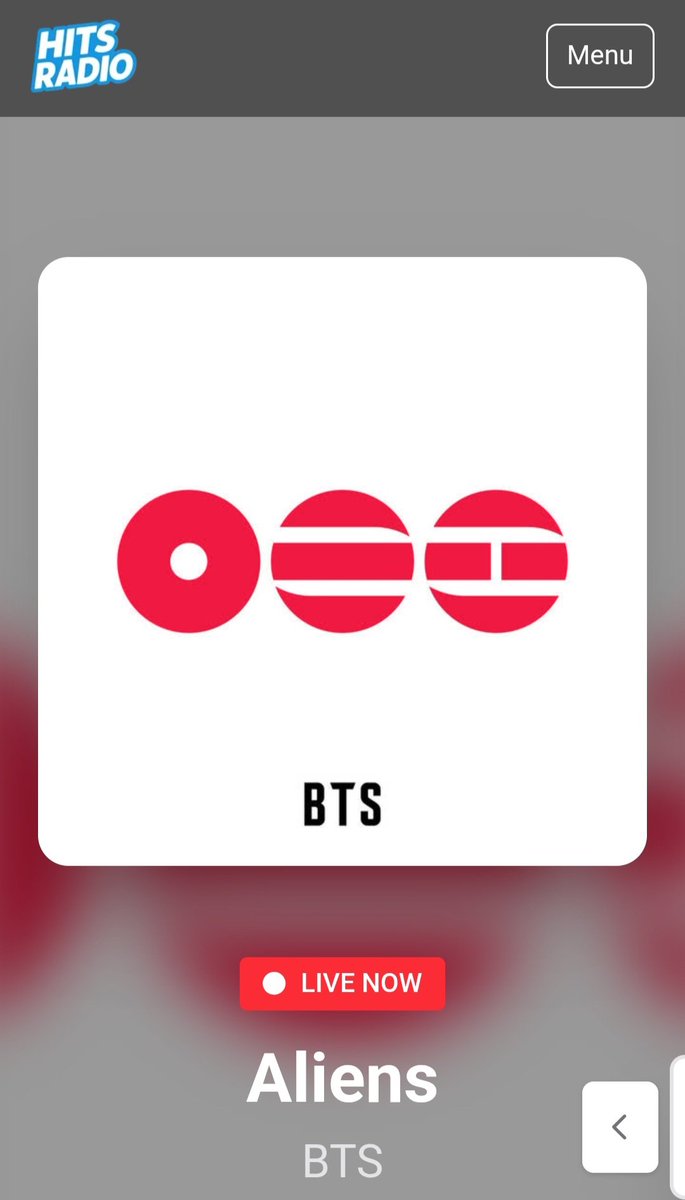
Today's #GlobalPopFrenzy show kicked off with Aliens by BTS.
It takes tremendous courage to stand by your work and beliefs. We are proud of BTS and all artists throughout the world who continue to share their music and art with us despite the hurdles and obstacles in their way. We see you. We honor you. We thank you.
“We hope our music can be heard and loved for what it is, rather than being divided by region or language. We thank Army and everyone who has always stood by us." - BTS
Koreli bir vatandaşın grammy ve BTS hakkında yazdıkları gündem olmuş, benim de okurken tüylerim diken diken oldu diye paylaşmak istedim:
başlık: ülke toprağımız küçük olabilir, peki ya gökyüzümüz de mi küçük?
“Kore büyük bir ülke değil, global müzik sektörünün merkezinde hiçbir zaman yer almadı. korece de, ingilizcenin aksine, her gidilen yerde konuşulan ve anlaşılan bir dil de değil. ama küçük bir toprak parçasında doğduk diye bakış açımızı küçük bir gökyüzüyle sınırlayacak değiliz.
BTS, korece şarkılar söyleyerek Pasifik okyanusunu ve Atlas okyanusunu aştı. farklı dilleri konuşan insanlar onların şarkılarını hep bir ağızdan söyledi. kimileri yalnızlığına yoldaş buldu, kimileri kendini sevmeyi öğrendi, kimileri ise çaresizliğin ortasında yeniden yaşama tutunacak o gücü buldu.
eğer grammy onlara bir ödül verirse bunu onlarla birlikte sevinçle kutlarız ama vermezseler de BTS'in yarattığı bu dünya küçülüp gitmeyecek. hiçbir unvan veya etiket, BTS'in müziğinin yankılandığı gökyüzünü daraltamaz.
bir ödül, müzisyenin ellerindedir ancak bir şarkı ise insanın kalbindedir.
bir ödül rafının sınırları vardır ancak bir şarkının uçabileceği gökyüzünün ise asla sınırları yoktur.
bizim gökyüzümüz, Kore Yarımadasıyla sınırlı değil. Pasifik ve Atlas okyanusunu aşarak, ülkelerin ödül salonlarının ya da bölge ve dile göre ayrılmış sınırlarının ötesine geçiyor.
ve işte o gökyüzü, tüm evrene ulaşıyor. BTS'in müziği de o evreni doldurmaya her zaman devam edecek.”
Grammy CEO Harvey Mason Jr. has responded to BTS’ decision not to submit for the 2027 awards.
“I am saddened to hear that BTS has chosen not to participate in the Grammy Awards process this year, but as a music creator, I understand and respect their decision. I do want to clarify something that seems to be getting lost in the conversation. The Asian Pop category was created to celebrate the depth, diversity and extraordinary growth of pop artistry coming out of Asia. The spirit of this new category is to shine a dedicated spotlight on these important artists. More categories mean more artists’ work is recognized. It’s never to divide, but to expand who is recognized by our 15,000 Grammy voters..."
https://t.co/tYnJ2l26P0






![bts_bighit's tweet photo. [#오늘의방탄]
260827 BTS WORLD TOUR 'ARIRANG' IN CHICAGO
#방탄소년단 #BTS #BTS_WORLDTOUR_ARIRANG
#BTS_WORLDTOUR_ARIRANG_NA
#BTS_WORLDTOUR_ARIRANG_CHICAGO https://t.co/Q493CPCt2l](https://pbs.twimg.com/media/HQyPXMXawAEtxwZ.jpg)
![bts_bighit's tweet photo. [#오늘의방탄]
260827 BTS WORLD TOUR 'ARIRANG' IN CHICAGO
#방탄소년단 #BTS #BTS_WORLDTOUR_ARIRANG
#BTS_WORLDTOUR_ARIRANG_NA
#BTS_WORLDTOUR_ARIRANG_CHICAGO https://t.co/Q493CPCt2l](https://pbs.twimg.com/media/HQyPXMWaAAAp9vp.jpg)
![bts_bighit's tweet photo. [#오늘의방탄]
260827 BTS WORLD TOUR 'ARIRANG' IN CHICAGO
#방탄소년단 #BTS #BTS_WORLDTOUR_ARIRANG
#BTS_WORLDTOUR_ARIRANG_NA
#BTS_WORLDTOUR_ARIRANG_CHICAGO https://t.co/Q493CPCt2l](https://pbs.twimg.com/media/HQyPXMUboAAvvBx.jpg)




![bts_bighit's tweet photo. [#오늘의방탄]
260827 BTS WORLD TOUR 'ARIRANG' IN CHICAGO
#방탄소년단 #BTS #BTS_WORLDTOUR_ARIRANG
#BTS_WORLDTOUR_ARIRANG_NA
#BTS_WORLDTOUR_ARIRANG_CHICAGO https://t.co/Q493CPCt2l](https://pbs.twimg.com/media/HQyPXMZbsAAYYYW.jpg)