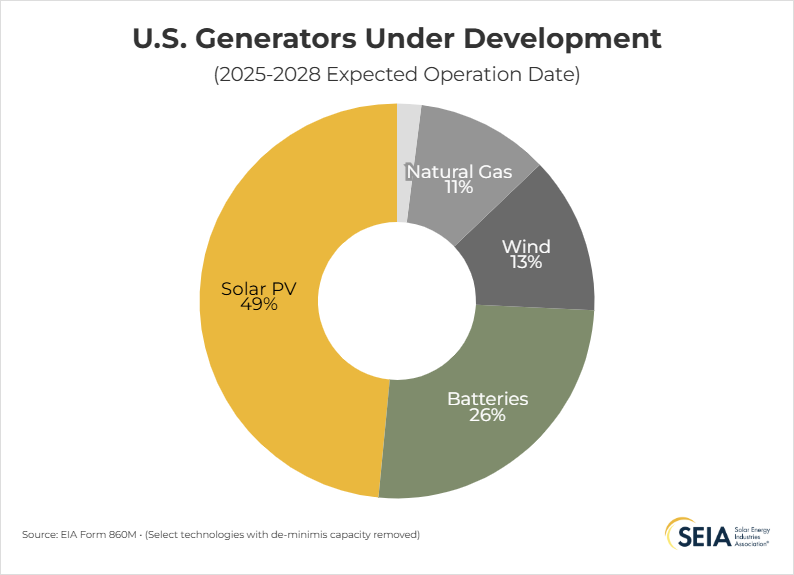
Solar is critical to meeting America's growing energy demand.
No energy source is faster to deploy, has more projects in development, or added more capacity last year.
Americans complain when I use units they don’t understand, I translate to those units and instead they complain that it’s a fraction they don’t understand. 🤣🤣🤣🤣
"We at CPP are thrilled to announce our new partnership with Tuckerman Capital. This strategic investment marks a significant milestone in CPP's journey, opening doors to unparalleled growth opportunities and innovation..."
-Oliver Napp, CPP Wind CEO
https://t.co/fAxCkva5ni
@WTMesonet Looks more like heat recovery. You can see the temperature was dropping before the increase. What was the air temp at 7:30? The downburst could also have had a lull pocket that got heated by the ground and then pulled over the met station as the downburst translated.
Are you heading to Munich June 14-16 for Intersolar Europe? Join CPP Wind's Heather Sauder, Fahad Akon, and Brendan Bagiotti to discuss the latest solar industry developments and trends.
https://t.co/Ukgk8CkLof
#intersolar#solarpanels#utilityscalesolar#solartrackers
A really great description of plume erosion mitigation and acoustic pressures reflected back at the rocket in relation to the incredible @spacex Starship-Super Heavy test launch a couple days ago.
We used steel plates for some of the Morpheus launch locations so we weren’t tied down to places with concrete. I analyzed the heating of the sheet and showed that the heat would redistribute fast enough that it would not locally melt on the surface, and… /1
This really was an excellent achievement. I really appreciate how SpaceX approaches development with the attitude that testing and sometimes failing is better than trying to never fail at all. And the cheers from the team on the livestream tell you how much they accomplished.
@WrightDobbs@SciGuySpace My understanding is that their criterion is based on a measured peak gust at 60 ft which was the reference from wind tunnel testing that accounted for the mean and gust profiles, so the only value needed to know loads is the gust speed at the ref height.
@WrightDobbs@SciGuySpace This height conversion is from a power law assumption in the atmospheric boundary layer used in the national wind loading standard ASCE 7, and NASA handbook 1001.
@WrightDobbs@SciGuySpace You can directly compare the measured peak to the gust limit, but only after correcting for height. 87 kts gust at 459 ft is about 70 kts at 60 ft (NASA ref height). That's below the criterion.
@SciGuySpace The peak-to-sustained (1-min ave) speed is about as expected, so you can compare the measured peak to the gust limit, but only after correcting for height. 87 kts gust at 459 ft is about 70 kts at 60 ft (NASA ref height).
@SciGuySpace Wind speed in a hurricane increases with height, so if the KSC anemometers are at 230 ft and the NASA criterion is at 60 feet. The correction is roughly 0.85 to correct down to 60 ft. That would mean it was at the criterion. DM me if you want more info, @SciGuySpace
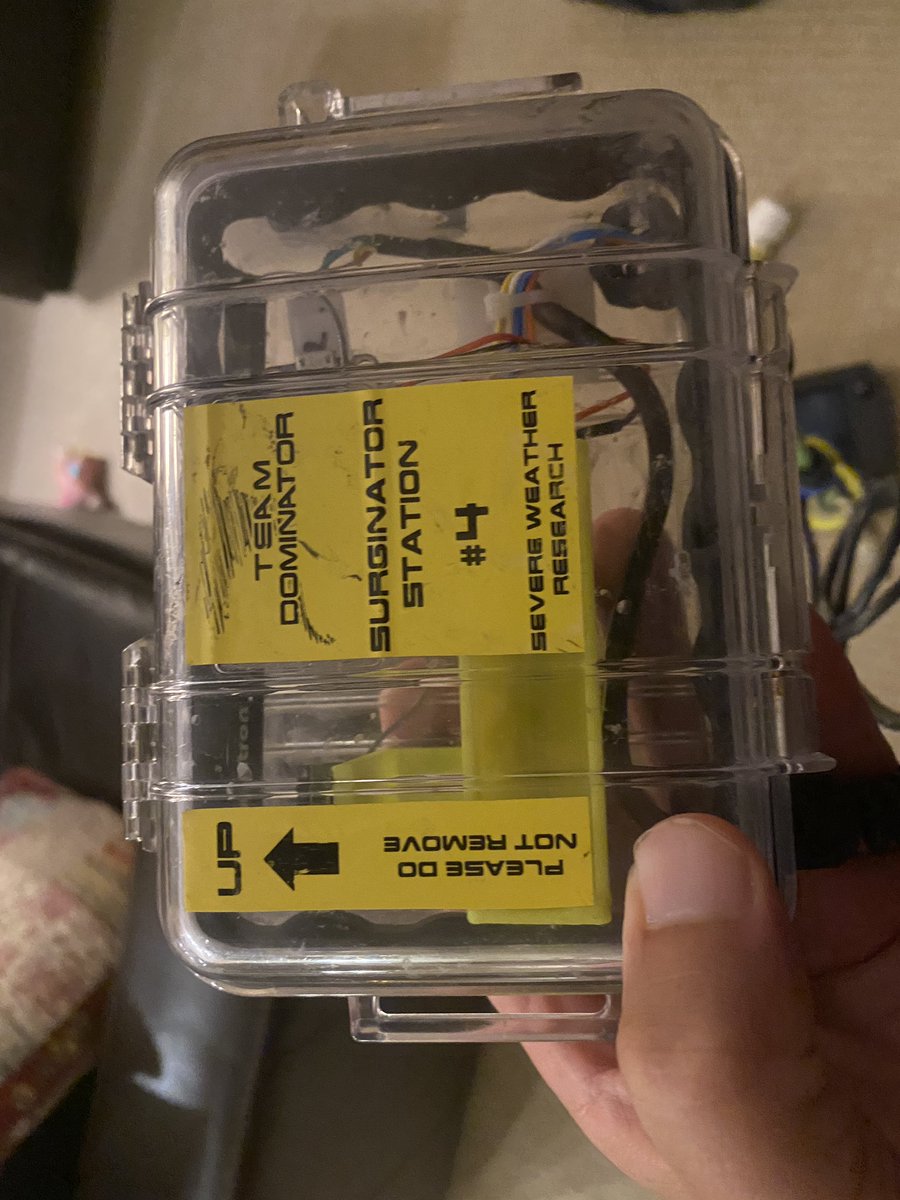
If anyone in Fort Myers Beach comes across a Surginator station that was mounted to the gate on the pier, please let us know! It looked like this but #2. This station collected atmospheric data and backs up the surge data collected by the sensor head. @ChasinSpin@ChrisFLTornado