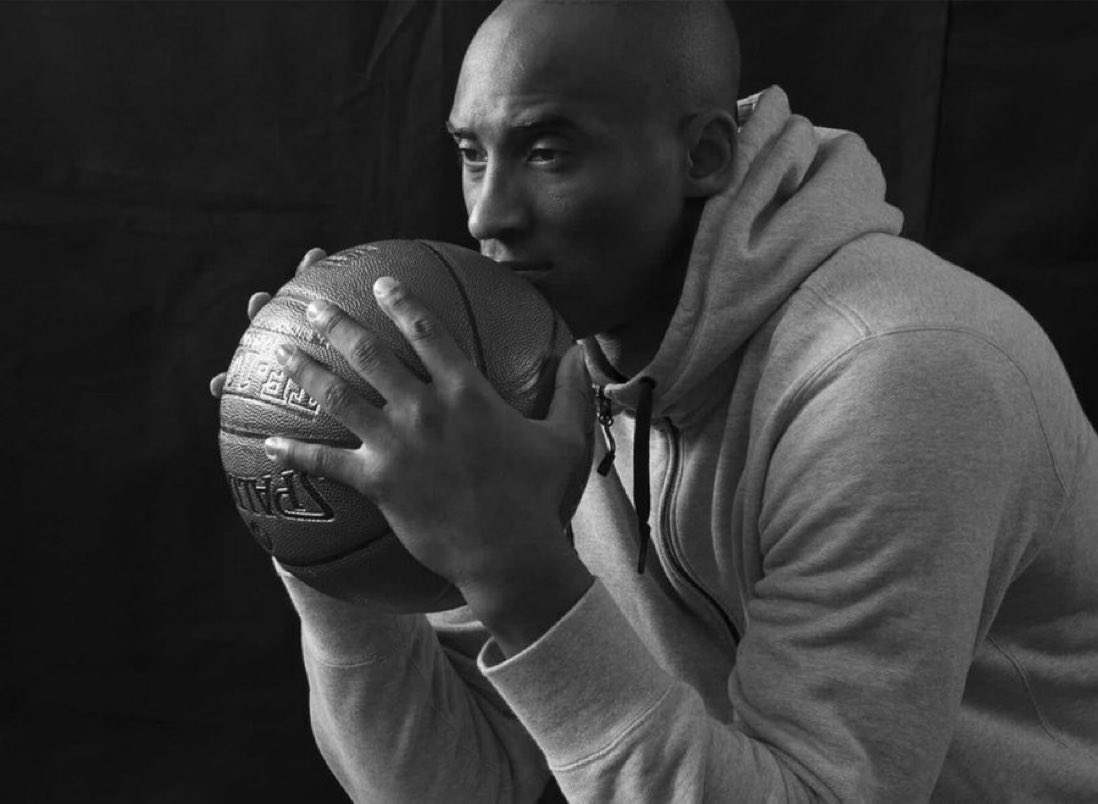
I have read discussions on whether a Sh 130K job in Nairobi beats a Sh 90K job in Kisii, or vice versa.
The number that matters is not what they pay you. It is what you keep, and what you can build with what you keep.
A Sh 130K job that eats Sh 100K in rent, living costs, car loan, fuel costs, mental & physical fatigue, etc. is not a Sh 130K job. It is a Sh 30K job with a fancy lifestyle.
Chase margins, not just the figure. The person earning less in a cheaper city, saving and investing steadily, often ends up ahead of the big-number colleague living payslip to payslip.
This economy punishes careless spending harder than low income. Those who'll survive this decade won't necessarily be the high income earners, but the ones disciplined enough to build in hard times.
If you earn Sh 50,000 monthly, break your life into survival and escape. Use about Sh 10K for food, 6K for transport, 12K for rent and utilities, keep 5K aside for emergencies, reserve 7K for flexible expenses, and most importantly invest at least 10K every month into an investment or skill that can grow your income.
Rugby World Champions of All-Time 🏉
1987 — 🇳🇿 New Zealand
1991 — 🇦🇺 Australia
1995 — 🇿🇦 SOUTH AFRICA
1999 — 🇦🇺 Australia
2003 — 🏴 England
2007 — 🇿🇦 SOUTH AFRICA
2011 — 🇳🇿 New Zealand
2015 — 🇳🇿 New Zealand
2019 — 🇿🇦 SOUTH AFRICA
2023 — 🇿🇦 SOUTH AFRICA........ more
Madina Okot says she’s carrying Kenya’s flag to the next level with pride 🇰🇪🙌🏾
Sasa chezeni kama nyinyi pale @AtlantaDream ndio wajue huyu ni msichana wa nyumbani IYKYK
On a cold evening in 1995, somewhere in the Aberdares a retired electoral referee suggested he knew more than he was legally required to forget. His name was Zaccheaus Chesoni, former chairman of the Electoral Commission of Kenya.Chesoni was relaxed, amused, and dangerously candid after a couple of double brandies.
When accused politely of rigging the 1992 Kenyan general election for Daniel arap Moi, Chesoni did not deny it. He laughed a confident laugh of a man who had already counted the cards and knew the deck was never fair to begin with.Then he ordered another brandy because he wanted to be properly fortified.
According to Chesoni, Kenyans had misunderstood elections ,they think the drama is at the table, when in fact the game is decided long before anyone sits down. Ballot stuffing are left for newspaper headlines. Real victories, he suggested, are engineered through four more effective mechanisms.
1. voting blocs (tribes)
2. structural advantage,(state machinery)
3. grassroots manipulation (agents)
4. the national tallying centre. (Iebc)
Start with arithmetic of tribes, this is the only subject Kenyan politics truly respects. In 1992, the country’s electoral weight sat heavily within five major communities: Kikuyu, Luhya, Luo, Kalenjin, and Kamba together forming about 65 percent of the vote. Daniel arap Moi consolidated the Kalenjin base and secured the cooperation of the Kamba and Somali vote, with generous slices of Kisii and Mijikenda on the side. Meanwhile, the opposition approached the election like a family dispute over inheritance: loudly, emotionally, and with impressive inefficiency. Kenneth Matiba, Mwai Kibaki, and Jaramogi Oginga Odinga each carried a piece of the anti-Moi wave and proceeded to divide it because they were determined to lose separately rather than win together.The result was that Moi took just over a third of the vote—1.9 million out of 5.3 million and walked away with the presidency
Then on mischievous glint, called “structural rigging” a phrase so polite is not ballot tampering; it was environment design. State machinery leaned helpfully in one direction. Opposition rallies found themselves banned in inconvenient places particularly where they might have mattered. Meanwhile, opposition leaders mesmerized themselves with massive crowds in their strongholds, mistaking applause for arithmetic. They preached, as Chesoni implied, to the already converted and then wondered why the congregation didn’t grow.
For grassroot manipulation (agents) .. At the grassroots level, the story is that the opposition, energetic but strategically absent-minded, deployed agents where they felt strong and ignored vast swathes of territory where they felt uncomfortable. In those neglected corners, KANU like any disciplined house in a rigged casino operated without supervision. Chesoni posed the question not as an accusation, but as a philosophical riddle: if nobody is watching the numbers, what exactly stops them from becoming… optimistic?
And then, he defended the one place everyone suspected most the national tallying centre. Rigging there, he insisted, was nearly impossible. Why? Because everyone believed it was happening there. Observers local, international, skeptical, and occasionally self-important crowded the room like auditors at a scandal convention. If anything, the tallying centre was the cleanest part of the process, precisely because it was the most watched.
The real theft had already occurred quietly, methodically, and legally adjacent.
Chesoni leaned back, brandy in hand, and delivered a lecture in political realism ..elections are not stolen at the end; they are structured from the beginning. The opposition, he suggested, had guarded the front door (the tallying centre) with admirable vigilance, while leaving the windows, the roof, and several conveniently sized cracks in the wall wide open.1/2
For best Kenyan History& Investigative stories follow @timothyturunga
I met the coolest boy band the other day! 😮💨😮💨
They will be performing at #Solfest 2025 too! Tomorrow, 18th for VIP show and 20th for the fan show! Catch them if you can! These guys are dope! Tickets on https://t.co/7WGgoK0VU9
#NyoCARbi Radio Artist Challenge X Sauti Sol
This was so special @willis.chimano @bienaimesol @itsmefancyfingers @savarafrica
Thank you for pulling up ❤️
Tickets for the @solfestafrica fan show are still up on @hustlesasa .
The truth is, the West doesn’t want Africa to process its resources; they want everything raw from Africa so they can resell it back to us. The world is all about competition, yet we Africans don’t understand the memo.
KOBE BRYANT’S 10 RULES
1. Get better every single day
2. Prove them wrong
3. Work on your weaknesses
4. Execute what you practiced
5. Learn from greatness
6. Learn from wins and losses
7. Practice mindfulness
8. Be ambitious
9. Believe in your team
10. Learn storytelling