You had a plan.
Then you adjusted your stop. Checked every candle. Questioned every movement.
You called it risk management.
But you were trying to control uncertainty.
That's THE CONTROLLER.
🎯 Who takes your mouse?
Discover your Trading Persona. Take the quiz ↓
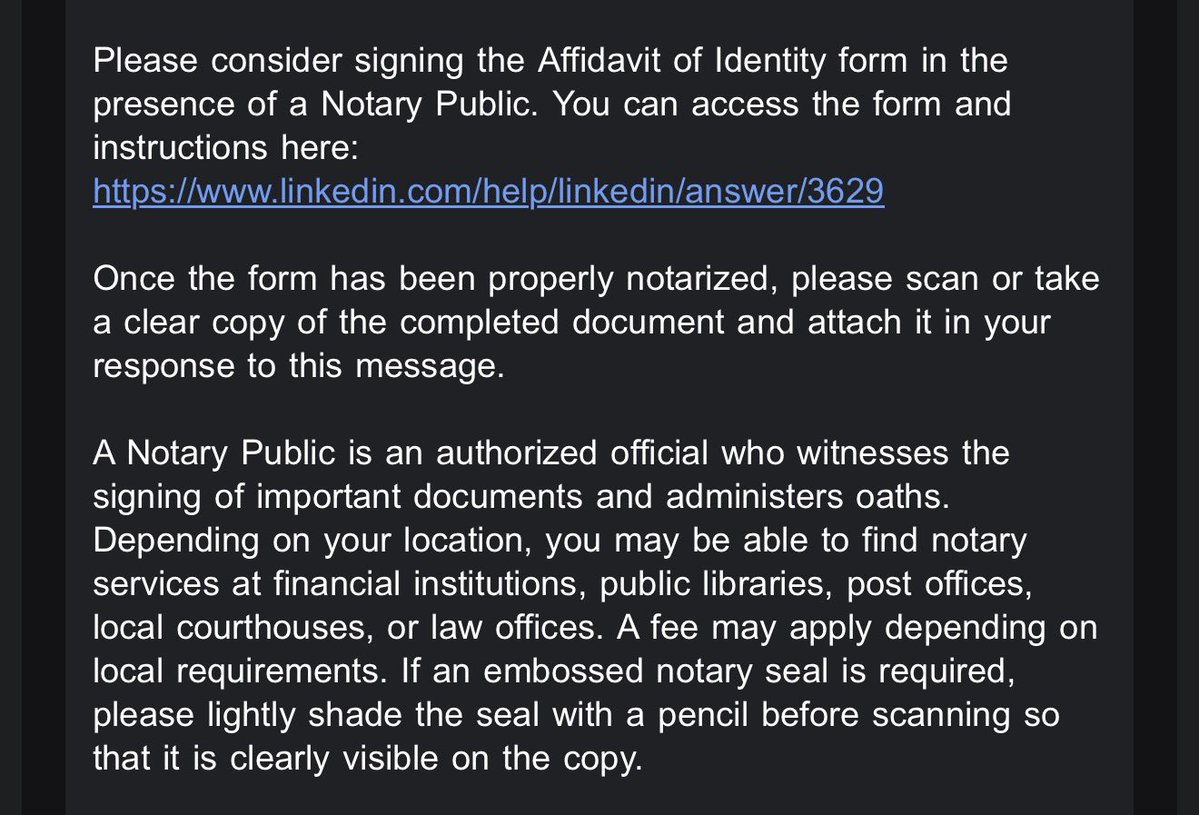
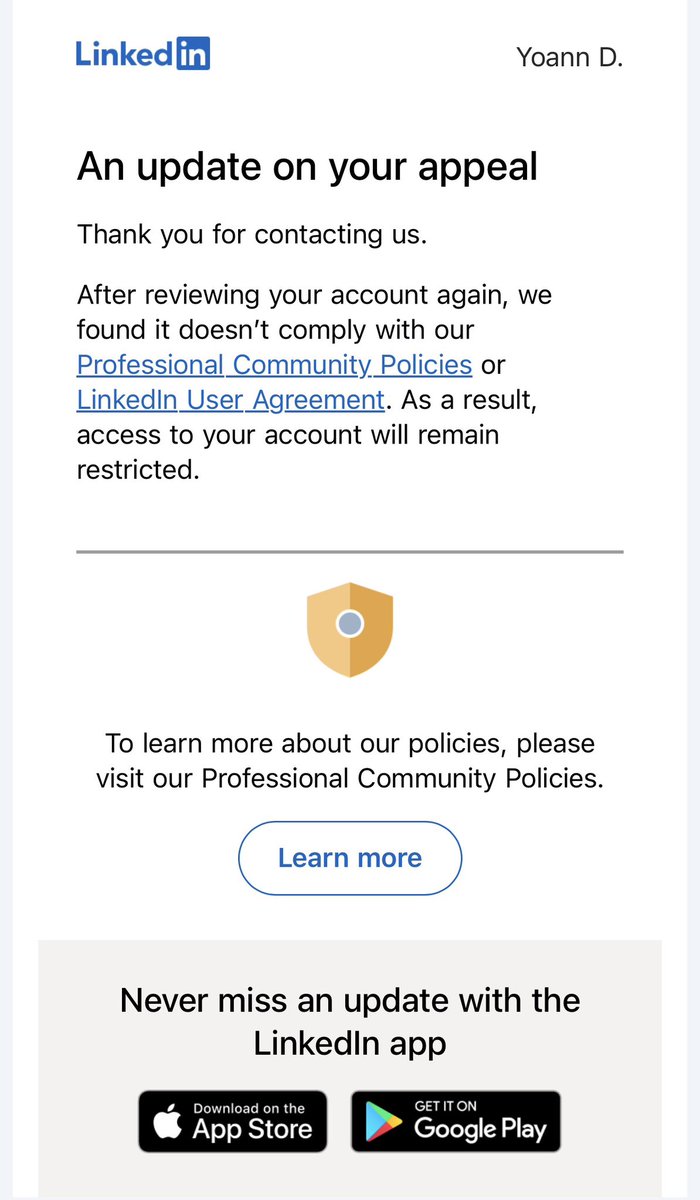
I’m genuinely disappointed with @LinkedIn.
I’ve tried several times to create a legitimate professional account. Every single time, my account gets restricted before I even publish a post or complete my profile.
I verify my identity, submit an appeal, and receive the same generic response: my account doesn’t comply with LinkedIn’s policies.
No specific explanation. No clear evidence of a violation. No practical solution.
And here’s the most frustrating part:
How are you supposed to contact LinkedIn support when you need access to your LinkedIn account just to reach support?
A platform built around professional connections shouldn’t make it nearly impossible for legitimate professionals to join.
I’m a business owner simply trying to establish my professional presence. I’m not asking for special treatment. I’m asking for transparency, fair treatment, and access to a real person who can investigate what is happening.
@LinkedIn, can someone from your team please look into this and explain why my accounts keep getting restricted before I can even use your platform?
I’d genuinely appreciate a human response.
#LinkedIn #CustomerSupport
Before you buy your first ETF or stock, ask yourself:
What am I investing for?
Where would this investment fit in my portfolio?
What could go wrong?
If you can't answer these questions yet, you don't need another market prediction.
You need a process.
I created The First Investment Plan, a free 12-page practical workbook to help you structure your first investing decisions.
Get your free copy: https://t.co/0GPUilE876
Progress rarely happens on the timeline we expect.
But there’s an important difference between staying committed to a goal and staying attached to a method that isn’t working.
Keep the ambition. Review the process. Adjust when the evidence tells you to.
That’s how persistence becomes progress.
A company can grow earnings by 20% and still be a terrible investment.
Imagine buying it at 50× earnings.
A year later, earnings rise 20%, but investors are only willing to pay 30×.
The stock falls 28%.
The business improved. Your investment lost value.
Price matters.
You risk $200 to make $600.
Your trade reaches +$400.
You move your stop to breakeven.
Price pulls back, stops you out, then hits your original target.
Moving to breakeven reduced your risk.
But did the chart justify it, or were you just afraid to lose $400?
A “World ETF” doesn’t mean your money is equally spread around the world.
Most major global indexes are weighted by market value.
The biggest companies and countries get the biggest allocations.
Before buying, check the country weights and top holdings.
Do you know yours?
Interesting setup.
The key distinction for me is geopolitical risk versus actual supply disruption.
Crude can price in a risk premium well before any barrels are lost.
I’ll be watching whether price can sustain a breakout, alongside inventories and physical supply data.
A strong narrative still needs confirmation from the market.
The Nasdaq fell 4.5% this week.
For investors, the AI question isn’t just how fast revenue grows. It’s how much cash remains after the spending required to generate it.
Track revenue growth, capex, and free cash flow—then ask what the valuation already assumes.
You own 3 ETFs:
• S&P 500 • Nasdaq-100 • US Technology
You think you're diversified.
But look at the top holdings.
Apple. Microsoft. Nvidia.
The same companies can appear in all three funds.
You bought 3 ETFs, but you may have concentrated your money in the same stocks.
Diversification isn't about how many funds you own.
It's about what you actually own.
@LumiTraders Love that energy! 🙌
There’s something satisfying about finishing the week knowing you showed up, took your opportunities, and learned something along the way.
Enjoy the weekend!