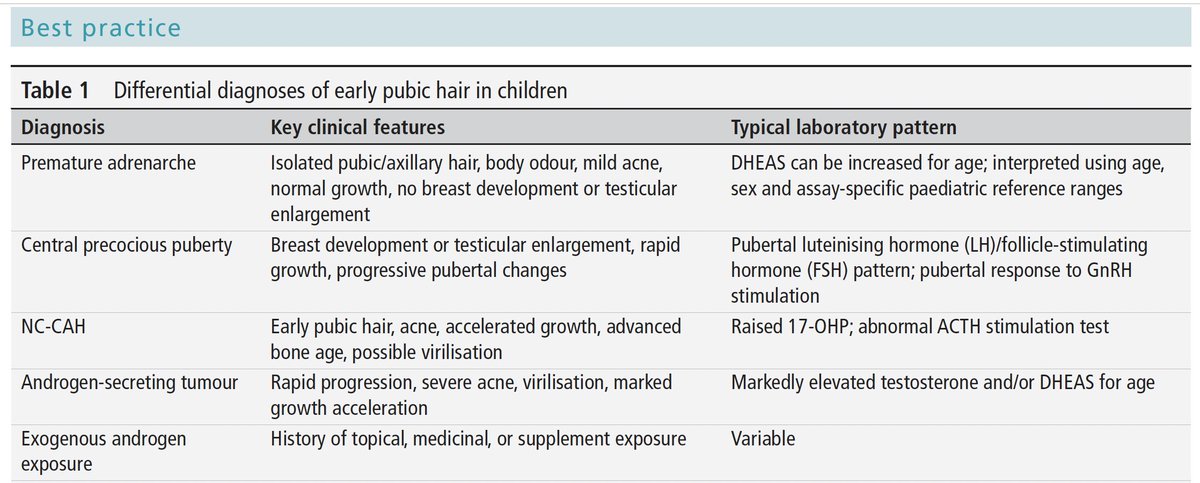
Early pubic hair in a child: usually benign premature adrenarche — but how do you rule out central precocious puberty, adrenal hyperplasia or a tumour in 15 minutes?
A structured consultation guide with red flags for referral: https://t.co/0ZGQd62dsl
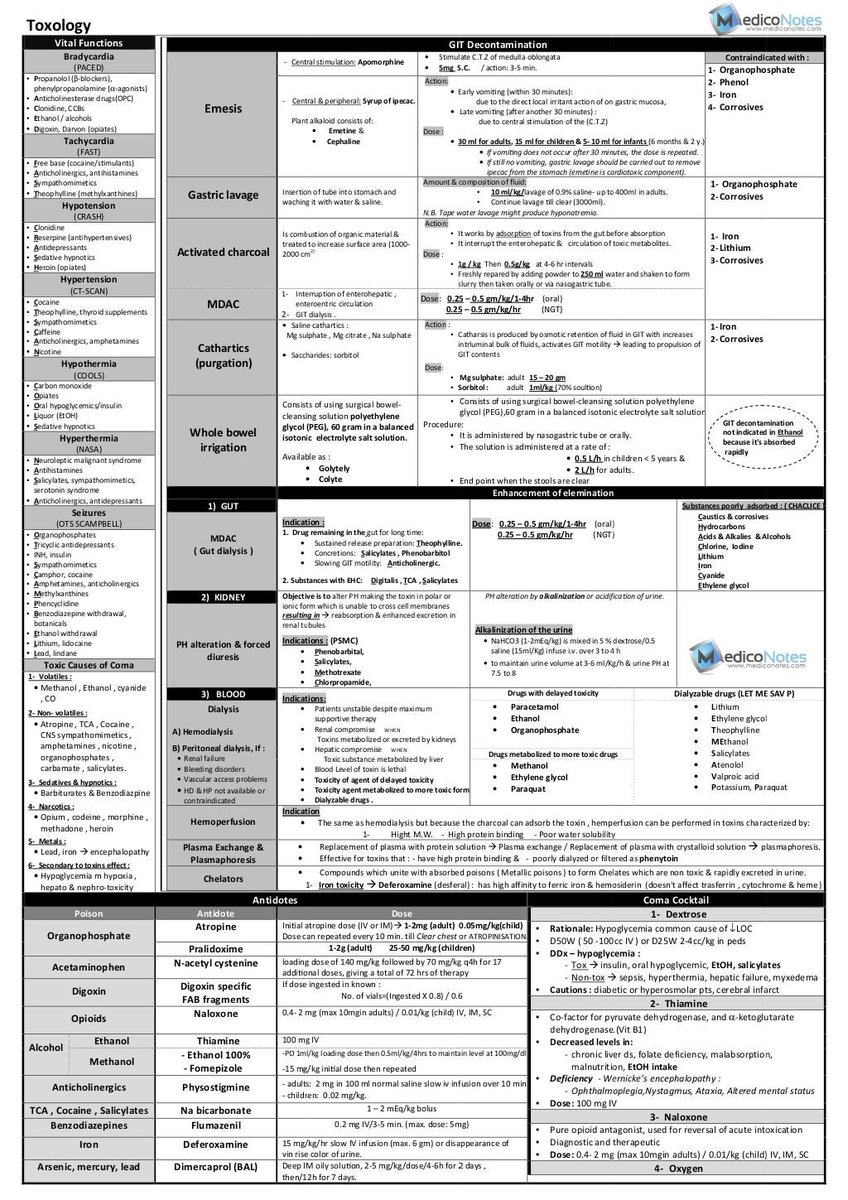
A child arrives unresponsive — cause unknown.
Wait to identify the poison, or treat the pattern in front of you?
New RCEM/NPIS guidance: treat the toxidrome, don't wait for the agent. Urine tox screens are out.
Read more: https://t.co/xkpntHERod
Save you spot for the PTS Spine Trauma Coding webinar on Friday, September 18th! Free and open to anyone. A certificate of attendance will be available after the webinar.
https://t.co/ewDtYC3mA8
#PTS#Pediatrics#Coding#Trauma#SpineTrauma#Spine
Join the PTS Registry Subcommittee for their Fall 2026 Education Series!
These webinars are free and open to anyone! Certificates of Attendance will be available afterward.
Register now: https://t.co/6TvThnWPBu
#PTS#Pediatrics#Registry#Coding#Trauma
Moderator spotlight: Prof Dr Manu Malbrain
We are honored to have Prof Dr Manu Malbrain as chair of this upcoming webinar.
As President of the International Fluid Academy, Prof Malbrain is internationally recognised for his work in fluid management and critical care. His leadership and expertise will guide this session on advancing IV fluid stewardship in clinical practice.
Join us for Breaking the habit: Individualised IV fluid prescribing and stewardship
📅 Date: Monday 6 July 2026
🕔 Time: 17:00 CET / 16:00 UK & Portugal
Register here:
https://t.co/7dTvJYBuVA
Today's Paper of the Day is:
Bedside ventilatory settings guided by respiratory mechanics in acute respiratory distress syndrome
https://t.co/JKgcYjlUQ5
Join us to read 1 paper per day and stay up-to-date as we cover the spectrum of critical care across 2026
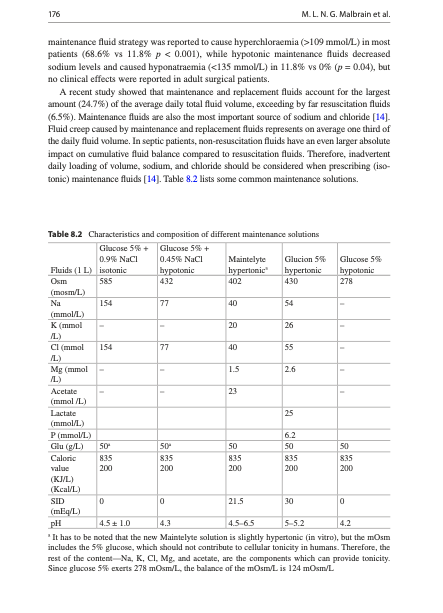
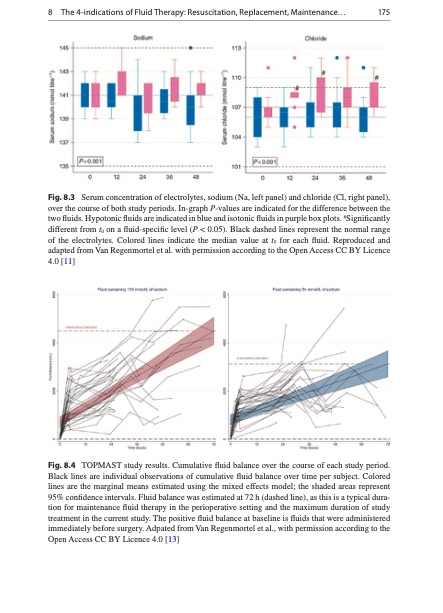
💧Indications for Intravenous Fluids – Getting the Basics Right
Four Indications Only
his chapter distills fluid use into four indications: resuscitation, maintenance, replacement and carrier for drugs/nutrition. It argues that many problems arise when these indications are blurred—for example, resuscitation fluids drifting into unreviewed “maintenance” or carriers being ignored in daily fluid balance.
From Intuition to Prescription
Algorithms and tables link common clinical scenarios (hypovolaemic shock, perioperative fasting, diarrhoea, fever, diuretics) to specific indications and fluid choices. The emphasis is on writing clear fluid orders—type, volume, rate, target—and building daily review into routine rounds.
📘 Full classification and algorithms: https://t.co/7pvDxZGOUg
🔵 IFAD 2026 will show how to embed this four‑indication framework into order sets, electronic records and ward practice.
👉Registration: https://t.co/wATwBWBg5M
#IVFluids #Indications #FluidStewardship #HospitalMedicine
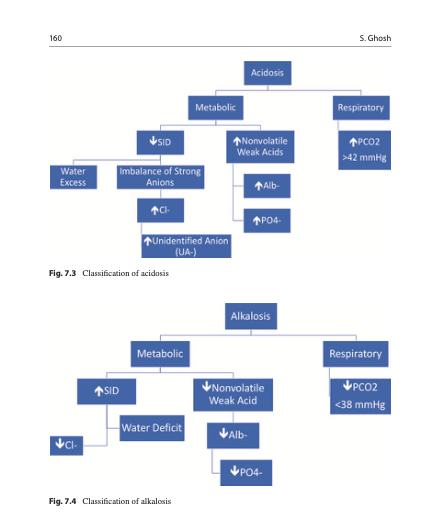
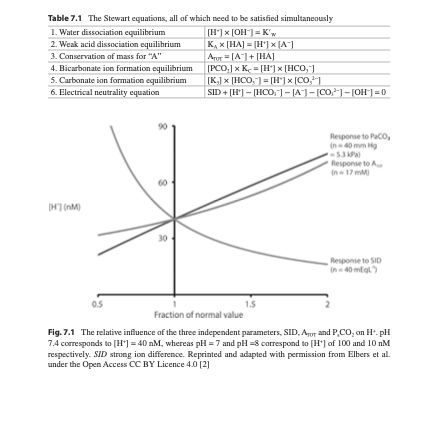
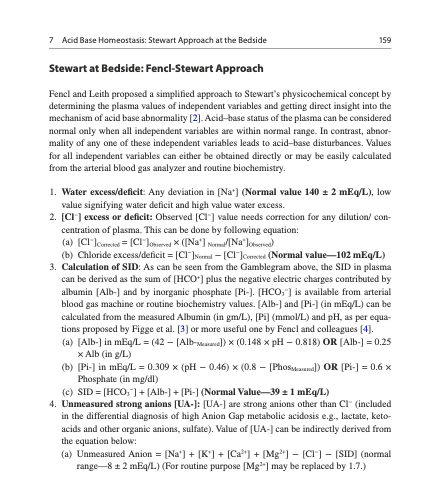
💧 Acid–Base Effects of IV Fluids – Stewart Approach
Beyond bicarbonate: Strong Ion Difference
This chapter introduces the Stewart approach, where pH is determined by strong ion difference, PaCO₂ and weak acids rather than bicarbonate alone. It shows how chloride‑rich fluids reduce the strong ion difference and drive hyperchloremic metabolic acidosis, whereas balanced solutions better preserve acid–base equilibrium.
Clinical Application at the Bedside
Through worked examples, the authors demonstrate how to interpret ABGs after large volumes of saline vs balanced crystalloids. Recognizing fluid‑induced acid–base changes helps clinicians adjust both fluid choice and ventilatory strategy, especially in patients with sepsis, kidney injury or major surgery.
📘 Detailed figures and case discussions in the acid–base chapter: https://t.co/7pvDxZGh4I
🔵 At IFAD 2026, a dedicated session will apply the Stewart approach to real ICU blood gases and fluid decisions.
👉Registration: https://t.co/wATwBWAIge
#AcidBase #StewartApproach #Chloride #ICU
When Mechanical Power Remains High Despite Conventional Lung-Protective Settings: A Physiology-Driven Bedside Framework
CCR Journal Watch
https://t.co/Sp06oA6IDG
Today's Paper of the Day is:
The time course of fluid responsiveness
https://t.co/JKgcYjlUQ5
Join us to read 1 paper per day and stay up-to-date as we cover the spectrum of critical care across 2026
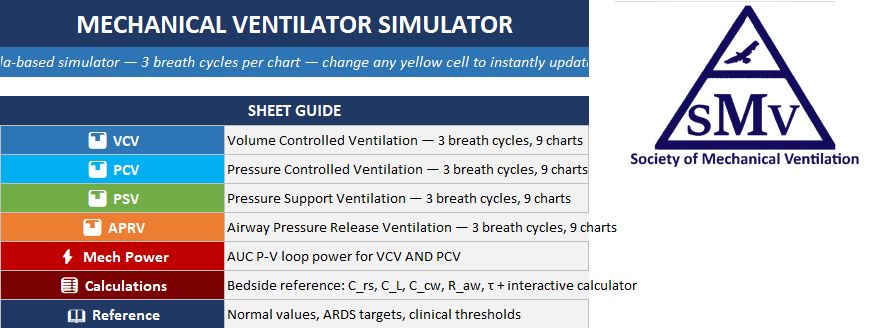
We are excited to share a mechanical ventilator simulator built in Excel! It models VC, PC, PS, APRV, and SIMV ventilation with real-time waveforms for airway pressure, flow, volume, esophageal pressure, transpulmonary pressure, and alveolar pressure.
https://t.co/Dw4u64UF8E
🧠 POST-RESUSCITATION CARE
They survived the arrest.
Now it’s time to:
💨 Oxygen right
❤️ Support the heart
🌡️ Control temperature
🧠 Assess the brain
🫂 Guide families
💝 Consider donation
Care continues after ROSC.
And that care matters.
Read here: https://t.co/DIYqM4c6vB
#ERC2025 #PostROSC #ResusCare #CriticalCare #NeuroRecovery #ERC #ESICM
Today's Paper of the Day is:
Physiological and Pathophysiological Consequences of Mechanical Ventilation
https://t.co/JKgcYjlUQ5
Join us to read 1 paper per day and stay up-to-date as we cover the spectrum of critical care across 2025
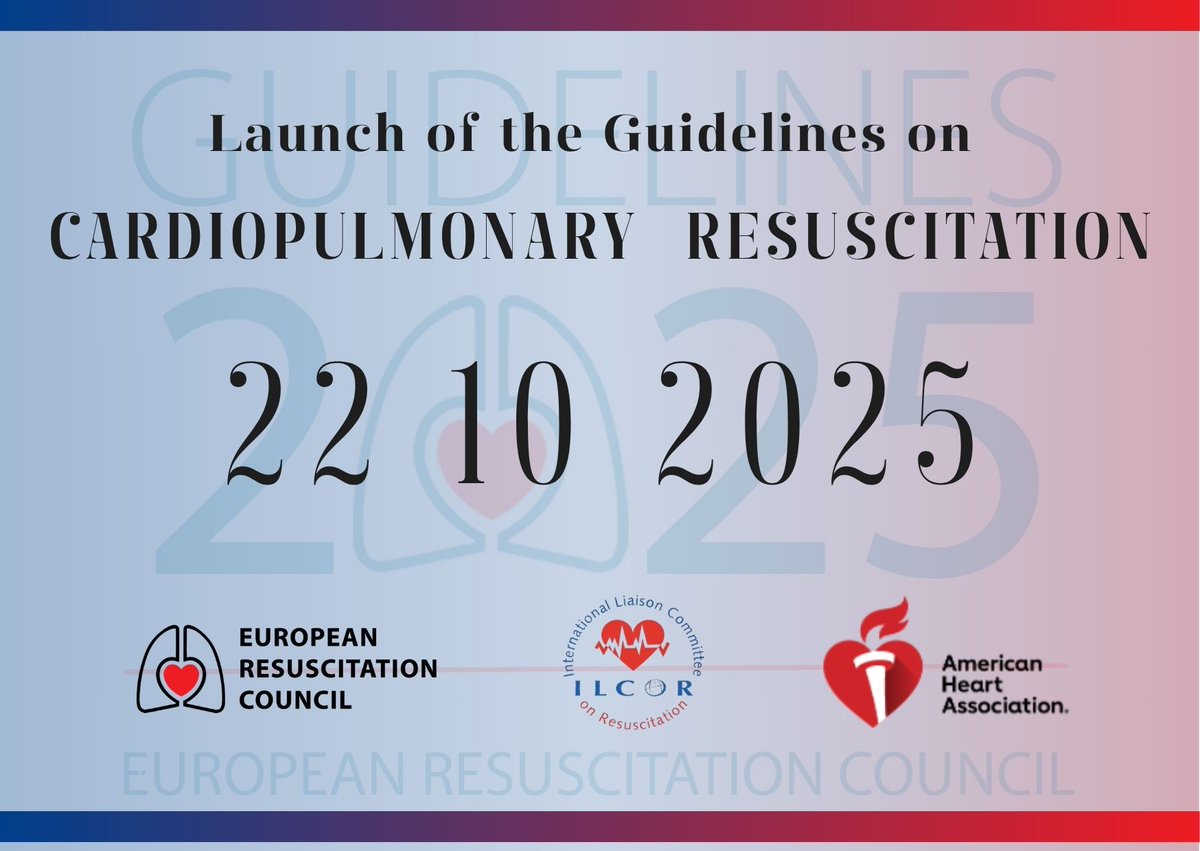
💙 Keep updated with this important information about the Joint Guidelines launch of the Guidelines on Cardiopulmonary Resuscitation 2025, on October 22, 2025, in Rotterdam. This event is a collaborative effort between the ERC, AHA, ILCOR.
❤️ All the different sessions will be made available via livestream in parallel, and at no cost to the viewer.
✅ Read the news and click the embedded links to access the livestreams of each session here
👉 https://t.co/wpXQ3b9xRT.
✅ These livestream events do not require pre-registration
#ERC #AHA #ILCOR #RESUS25 #ERCGuidelines #Guidelines2025 #savethedate #savelives #StrongerTogether #Resuscitation
In this retrospective cohort study of injured children with severe traumatic brain injury, adjusted survival analysis demonstrated a significant association between receipt of early plasma and a lower risk of 4-hour mortality that did not persist at or beyond 24 hours.
@PittSurgery; @PittTTMRC; @PittPedsSurg; @UTSW_PediSurg
https://t.co/3gUT9yyunY
Hypoxaemia definition in children is mainly based on pulse oximetry (SpO2).
What does retrospective combination of arterial blood gas (ABG), SpO2, and pulmonary function test tell us what cut-off should be?
https://t.co/oP7t8XEBKV