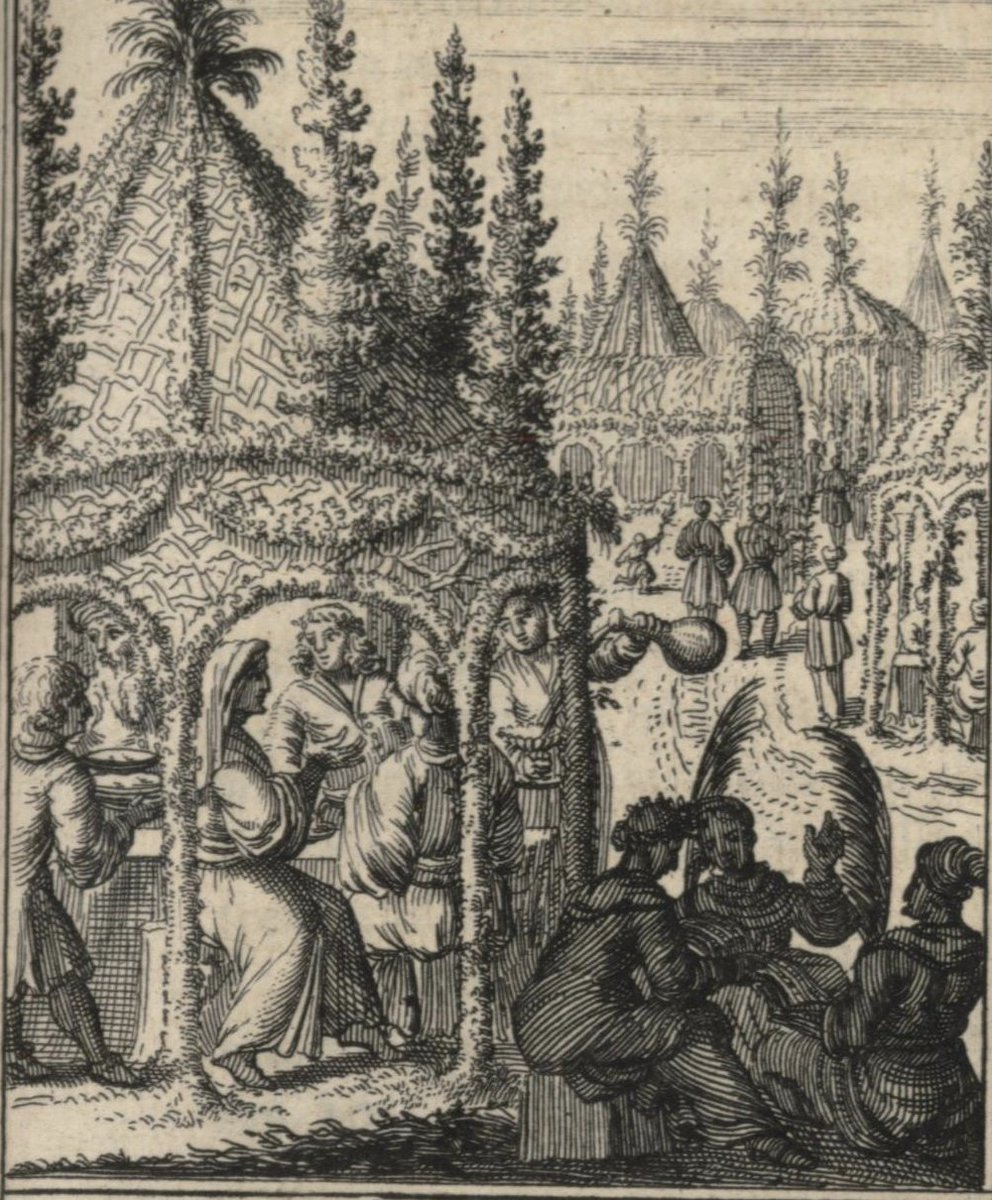
Not sure if it's kosher/historically-accurate, but very into this Sukkah architecture & its porousness of inside & outside (also from Johannes Leusden, Philologus Hebraeo-mixtus, Netherlands, 1682).
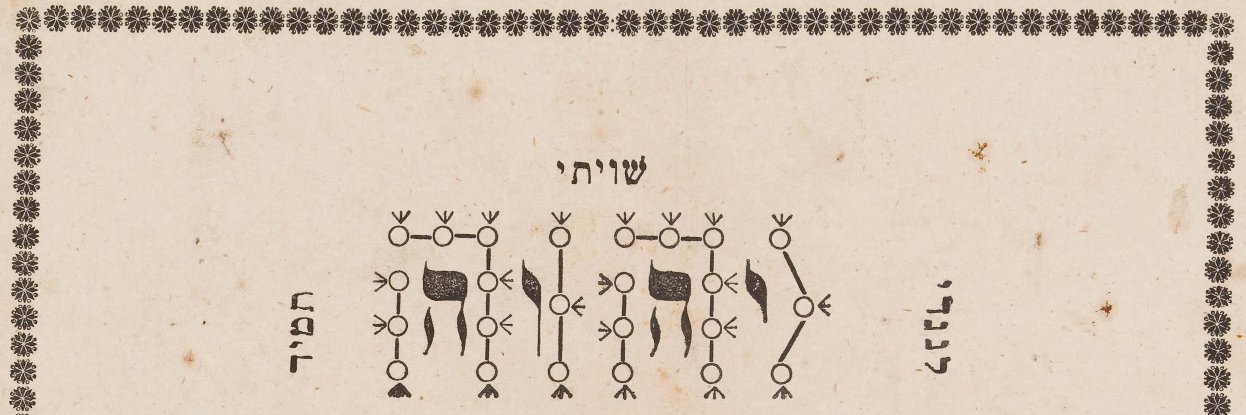
On the broader kabbalistic context of the symbol of the headless-man & its connection to Sukkot + other Dutch examples, see https://t.co/VthcUqVAhL
This Sukkot may we merit to know that our shadow-sides are worthy of celebration & be free of any headless self-apparitions. [Johannes Leusden, Philologus Hebraeo-mixtus, Netherlands, 1682]
@zackamenetz Why is hamtaqa acceptance? It’s a practice of transforming & sweetening darkness/doubt/din. True, it sees value in working with those hard experiences but I wouldn’t frame it as acceptance.
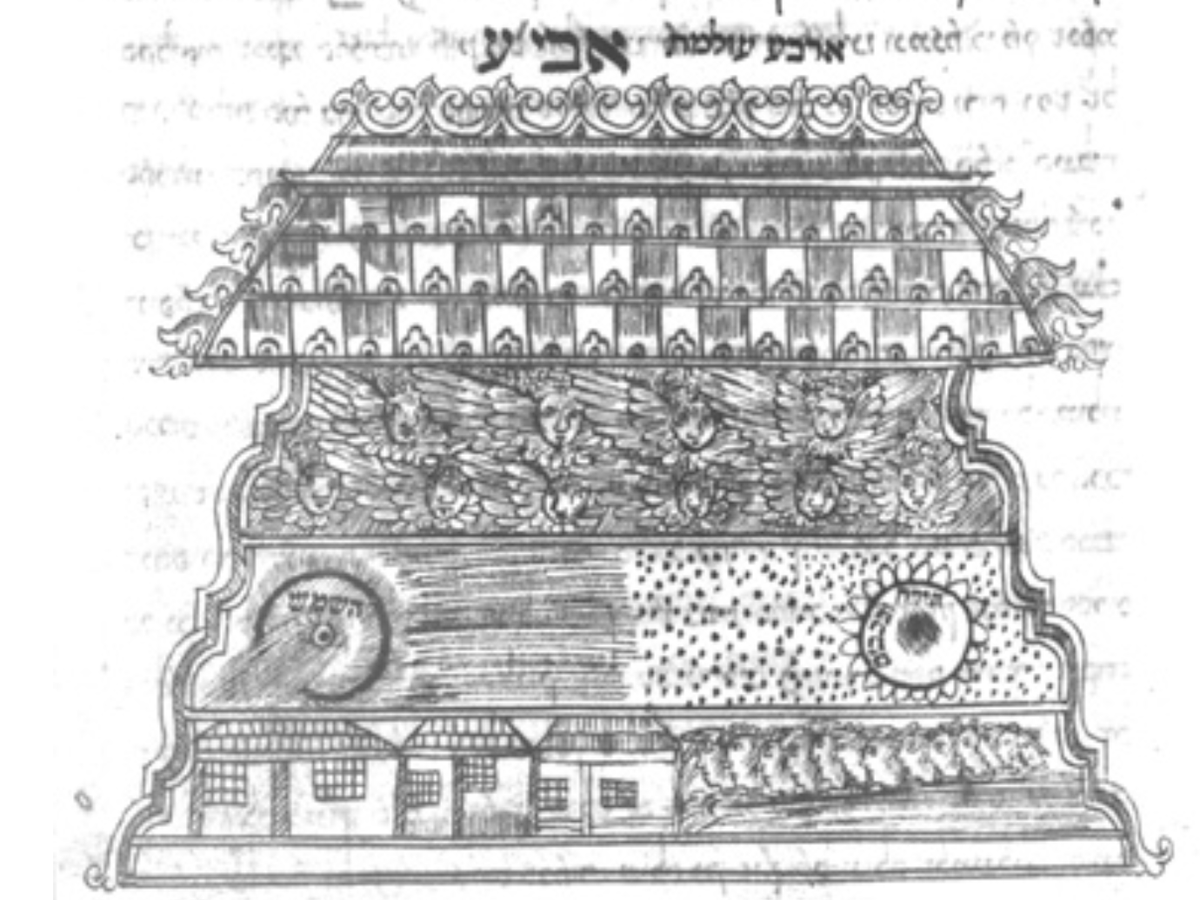
One of the only early-modern illustrations of the kabbalistic "four-worlds"—emanation, creation, formation, and making (in an Ashkenazi, 18th century manuscript copy of Hayim Vital's Etz Hayim)
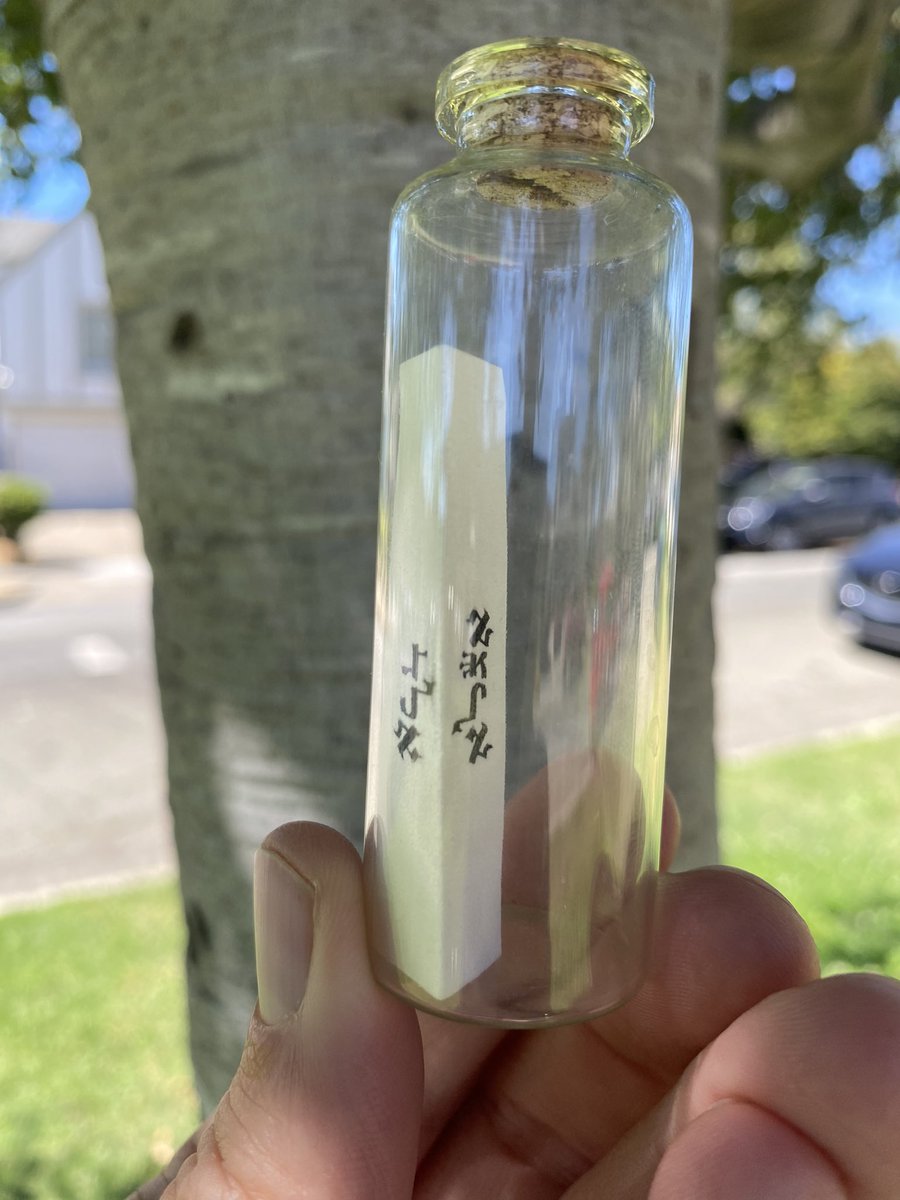
“When he knows in the light of permutation that the name אלד is אגלא (then) it is good to recite it three times and this name (AGLA) derives from אתה גבור לעולם אדני.”
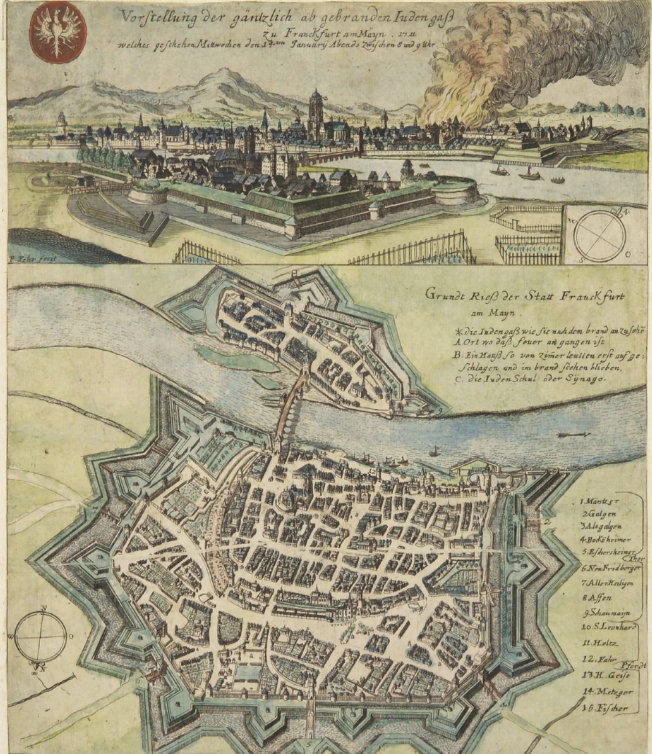
The upshot? Don't start a fire to prove you can put it out + When Kabbalah is no longer theoretical but also "practical," its relationship to the elements and society is more acute & mistakes have material & historical consequences.
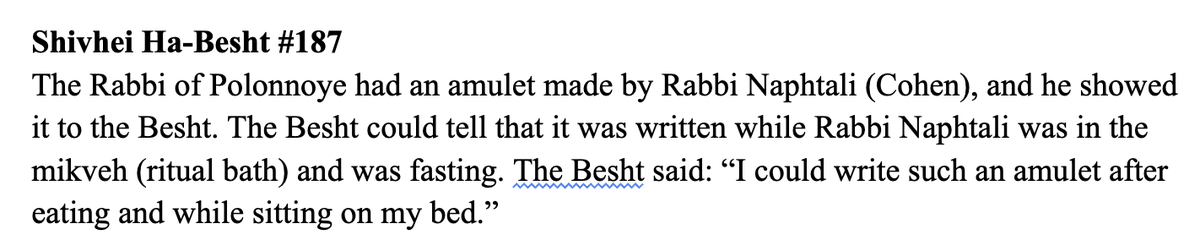
This incident would have occurred not long after 1711 (the Besht is born in 1698 & these tales occur in his youth). And, reportedly, the Besht knew of Rabbi Naphtali & mocked his ascetic model of practical Kabbalah.










![Yossele's tweet photo. This Sukkot may we merit to know that our shadow-sides are worthy of celebration & be free of any headless self-apparitions. [Johannes Leusden, Philologus Hebraeo-mixtus, Netherlands, 1682] https://t.co/cbLBZNjWjT](https://pbs.twimg.com/media/GaCkI5Jb0AQ9ekr.jpg)
![Yossele's tweet photo. This Sukkot may we all merit to botanical devotion. [Woodcuts from Sefer Minhagim, Amsterdam, 1708] https://t.co/x7oYCD88f2](https://pbs.twimg.com/media/GaCirrsb0AEF2md.jpg)
![Yossele's tweet photo. This Sukkot may we all merit to feast on the fish that feasts on itself. [A printed lithographic Ushpizin plaque, Warsaw, 1839] https://t.co/vP6WDSyWbn](https://pbs.twimg.com/media/GaChn2taYAAGSND.jpg)