A friend of mine had his bank account frozen after selling 700 USDT through P2P.
At first glance, nothing seemed wrong. The merchant had great reviews.A long trading history.
The transaction took place on a major exchange.
The money arrived in the bank account.
For most people, that's where the deal ends.
But the problem is that receiving the payment doesn't always mean the risk is gone.
In P2P, the danger isn't only losing your crypto. The real risk is when the USDT has already been released, but questions from the bank appear days or even weeks later. A merchant's reputation can reduce risk, but it doesn't eliminate it. Personally, I've been paying more attention to crypto cards, where there's no need to interact with unknown counterparties through P2P. And if you do use P2P, don't rely on reviews alone.Verify the counterparty, review the payment details, and stay cautious even when everything appears legitimate.
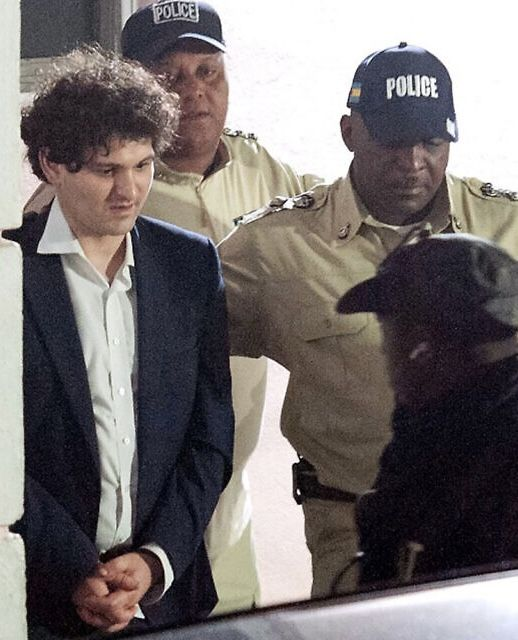
What struck me about Sam Bankman-Fried’s pardon request wasn’t the request itself.
It was a reminder of how fragile trust really is.
FTX spent years building credibility. Investors trusted it.
Institutions trusted it.
The media trusted it.
Then a few days of news destroyed what took years to build. Reputation can be built surprisingly fast. Trust is different. You only discover how much trust exists when everything starts falling apart.