Mientras unos países desarrollan edición genética para corregir mutaciones, vehículos autónomos, impresión de tejidos y órganos para transplantes, IA con decisiones autónomas.
@Claudiashein presume una embolsadora de frijoles
¡PINCHE MEDIOCRIDAD DE 4Ta!
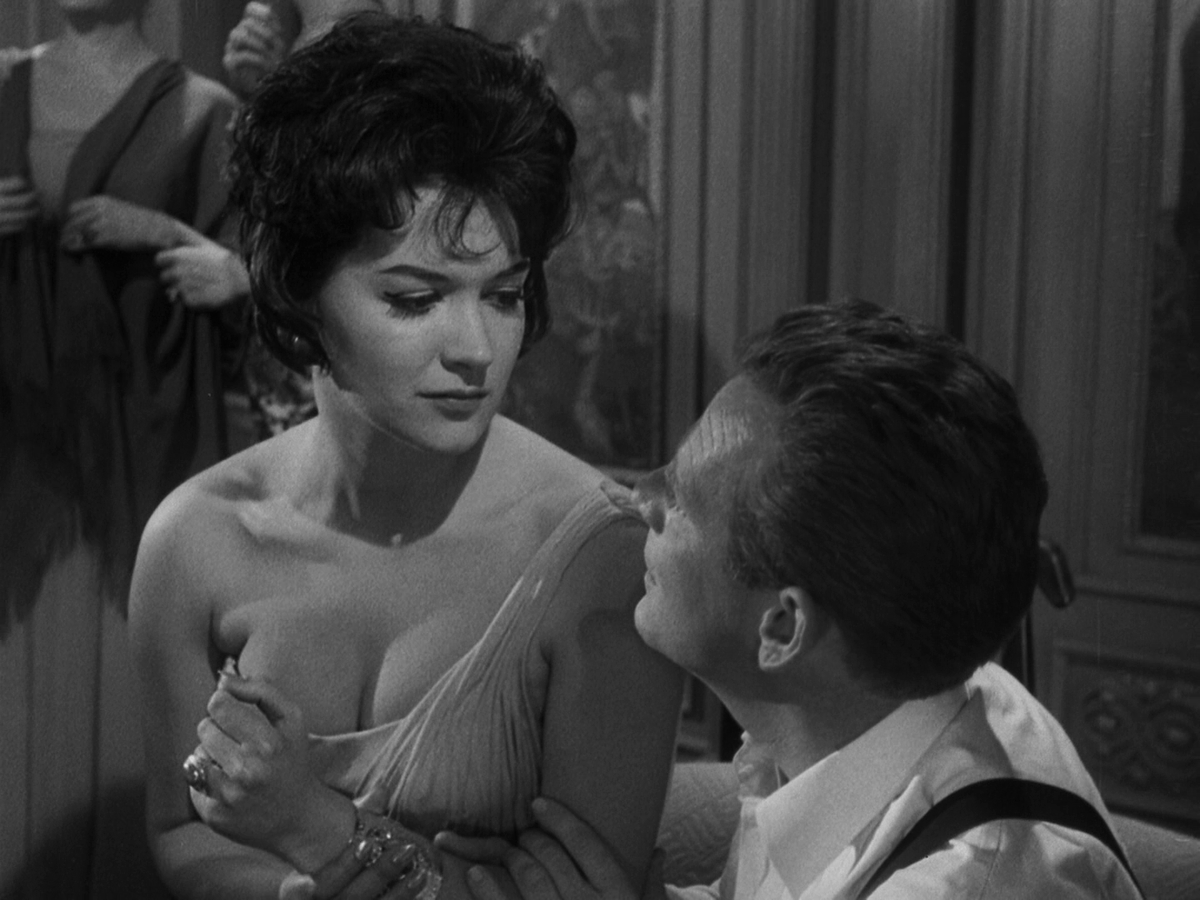
Warm colors increase your heart rate. Cool, washed-out tones lower it. Every remake you’ve watched in the last decade has been deliberately color-graded to flatten that signal.
It started in 2000. The Coen Brothers shot O Brother, Where Art Thou? in Mississippi during summer, when everything was, in Joel Coen’s words, “greener than Ireland.” They wanted a dusty Depression-era look. Cinematographer Roger Deakins tried every trick in the book: chemical treatments, lens filters, old darkroom techniques. Nothing worked. So they did something no one had done before: digitally scanned the entire film and recolored it frame by frame. Deakins spent 11 weeks turning lush greens into burnt yellows. No feature film had ever been entirely digitally color graded before.
Every major studio adopted the technique within a few years. And then the problems started.
Modern film cameras don’t capture what your eyes actually see. They intentionally record flat, grey, washed-out footage to capture as much detail as possible. The plan is for the color team to add vibrant color back in later. But the people doing that work stare at grey footage for weeks. Their eyes adjust. One filmmaker admitted he’d bring saturation up to 120% and feel satisfied, then realized the image still looked desaturated to everyone else. He had to crank it to 200% before it looked normal.
That’s just eye fatigue. The color draining also happens on purpose.
Muting colors hides bad CGI. If a computer-generated background doesn’t quite match the actors, draining the color smooths over the mismatch. The Lord of the Rings extended editions look flatter than the theatrical cuts for exactly this reason: the added scenes had less polished effects, so they were washed out to cover it.
Then streaming made it permanent. Bright colors look messy when video gets compressed for phones and laptops. Dull colors look consistent whether you’re watching on a 75-inch TV or a 6-inch phone screen. So studios color their movies for the smallest screen in the room.
Your brain registers the difference even if you can’t name it. Your eyes are wired to perceive warm, rich colors as closer and more immediate. Washed-out tones create emotional distance. When a studio drains color from a scene, they’re dampening the emotional signal the image sends to your brain.
Old film stock didn’t have this problem. Kodak and Fuji films had rich, punchy color built into the physical chemistry of the film itself. Each brand had a distinct look you could recognize. Digital cameras capture flat, neutral data by default. Getting that warm, vivid “film look” from digital requires skilled work that costs time and money. Most productions don’t invest enough of either.
Modern cameras can capture a wider range of colors than film ever could. The technology has never been better. The choices have never been lazier.
Poema: Quizás tu jardín no crece
Quizás tu jardín no crece
porque cada vez que una flor brota,
la cortas solo para demostrar
que eres jardinero,
pero no sabes que el arte de amar
no se mide en ramas que se quiebran,
sino en el susurro del viento
que acaricia la tierra.
Tus manos, tan hábiles y firmes,
tienden a la poda,
sin saber que la belleza
reside en dejar ser,
en permitir que las hojas
se desplieguen al sol,
que el rocío abrace los pétalos
sin prisa, sin juicio.
Si tan solo entendieras
que el amor es un jardín salvaje,
donde las flores crecen desordenadas,
donde el tiempo se viste de colores,
y cada espina es un recordatorio
de que el dolor y la belleza
bailan juntos en la misma danza.
Déjame ser la lluvia que riega
tu suelo, la sombra que cuida
las raíces de tu anhelo.
Así, en la calma de la espera,
podremos ver cómo florece
lo que nunca se cortó,
lo que se atreve a ser,
lo que en silencio,
bajo la luz de la luna,
se transforma en amor.
Gladys Carrillo Garcia
Deberían de enterrarlo en partes en lugares random y poner a los familiares a jugar al buscando a Wally por todo el país durante años.
Eso si sería justicia.
Somos EL UNICO ser de la historia de este planeta que busca activamente la forma de matar de la forma más rápida e indolora posible a sus presas, anda cerrando un poco el ortito.