ZSL's SPOTT assesses transparency of environmental, social and governance (ESG) best practice in the palm oil, timber and pulp, and natural rubber industries
Just a few days before #COP30 in Brazil, new SPOTT Palm Oil Assessment of leading companies reveals where progress is being made, and where it’s stalling.
Read more: https://t.co/ZslbQfaWKe
📢 The latest Forest IQ data is now live.
This release includes the #Forest500 company assessments, #SPOTT palm oil and timber datasets, and updates to ISINs.
Explore the latest data: https://t.co/lGu3N2QLcL
#deforestationdata#supplychains
🎂 @OfficialZSL turns 200 today.
Two centuries of protecting species, restoring habitats, training conservationists and creating change, all of it depending on people, communities, governments and businesses choosing to act for nature.
Nature can recover. And the private sector can help make it happen.
https://t.co/EVBKJ0Cv4j
https://t.co/sUJFXVOSl3
#ZSL200 #Bicentenary
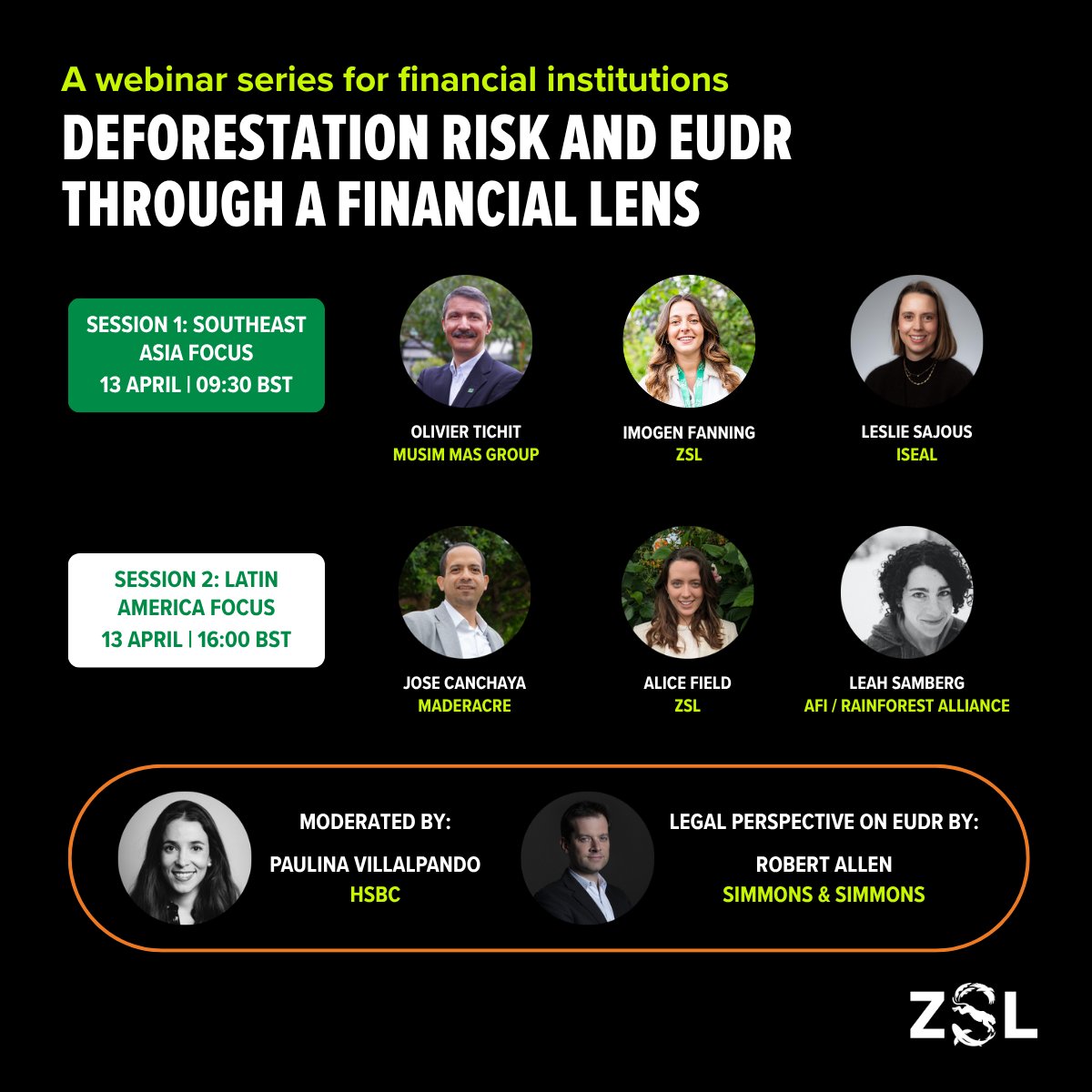
Strong start with our Southeast Asia session earlier today, highlighting real challenges in traceability, standards, and EUDR readiness in the region.
Up next: Latin America.
Still time to join later today at 4PM BST 👇
A @OfficialZSL Webinar: Deforestation risk & EUDR through a financial lens
How should financial institutions assess exposure and engage clients?
📅 Mon 13 April
🌏 9:30am BST (Southeast Asia focus)
🌎 4:00pm BST (Latin America focus)
Register: https://t.co/WgFTuIkxTC
A @OfficialZSL Webinar: Deforestation risk & EUDR through a financial lens
How should financial institutions assess exposure and engage clients?
📅 Mon 13 April
🌏 9:30am BST (Southeast Asia focus)
🌎 4:00pm BST (Latin America focus)
Register: https://t.co/WgFTuIkxTC
Credible timber origin testing starts with good data.
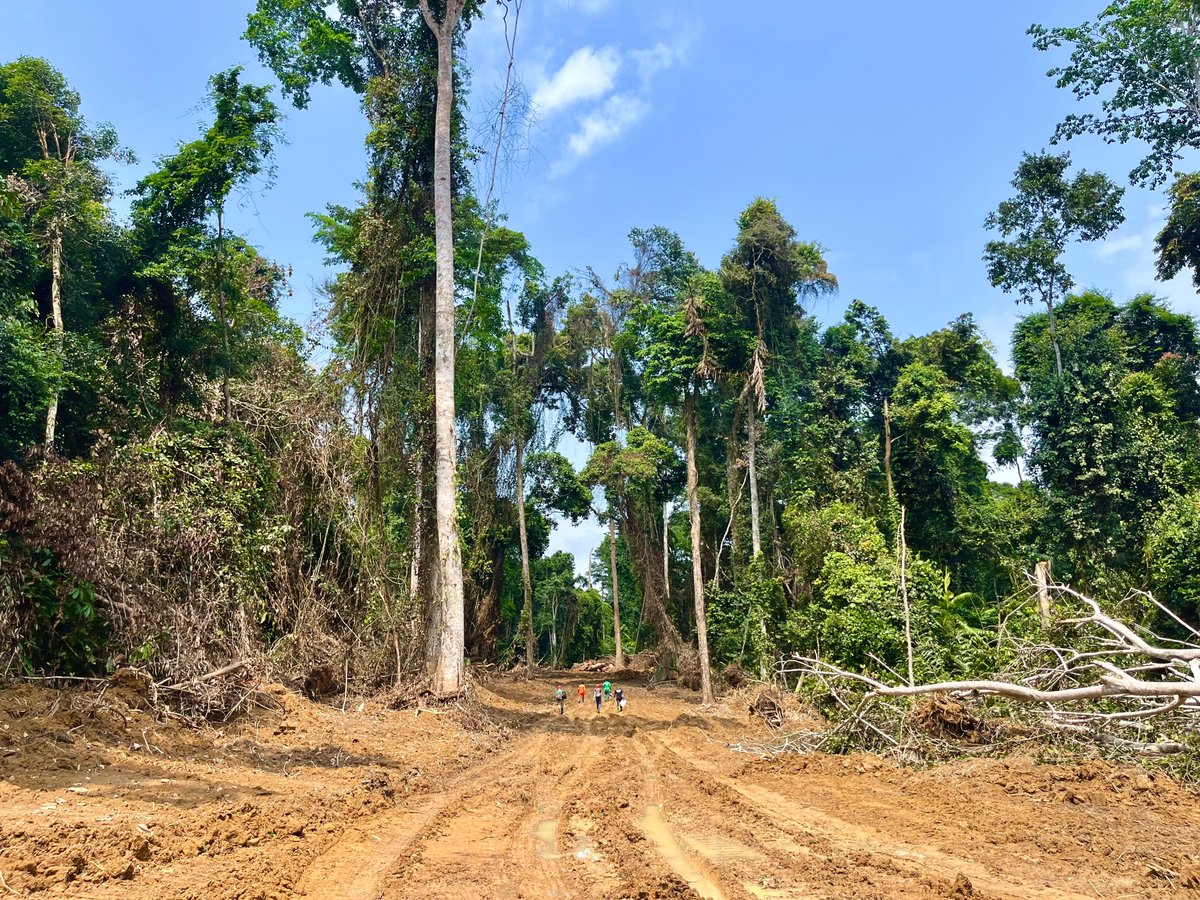
@OfficialZSL collected reference samples in Cameroon to strengthen @WorldForestID's reference library, improving the accuracy of chemical testing as a tool for risk-based due diligence. Read the story by our partner @TimberDevUK: https://t.co/aAniTH0FuI
Environmental crime is evolving fast, but many technologies that could strengthen responses remain underused or overlooked. ECO-SOLVE is horizon scanning existing and emerging technologies that could make a real difference. Call for ideas open until 15 March: https://t.co/ahZfFpUt5a
Mirjam leads @OfficialZSL's engagement with businesses, overseeing work that helps transform corporate practice to address the root drivers of nature loss and deliver measurable outcomes for species, habitats and people.
Explore more about our work here: https://t.co/0PMTLdfilk
Great to see Dr Mirjam Hazenbosch of @OfficialZSL included in Product of Change’s International Women’s Day 2026 list recognising women leading progress in sustainability!
See the full list: https://t.co/KAiQqDh6jL
We're delighted to announce Kathryn England as ZSL's permanent Chief Executive Officer.
Kathryn has been at ZSL for over 10 years and brings deep institutional knowledge, a background in wildlife health, and an unshakeable commitment to our mission. We couldn't be more excited about what comes next – for ZSL, for wildlife, and for the natural world.
Learn more about ZSL's Sustainable Business and Finance work: https://t.co/0PMTLdfilk
Explore ZSL's conservation work in Kenya: https://t.co/QOz3KFaCwV
“There is a transition underway from reactive compensation to preventative coexistence financing.”
@OfficialZSL and partners in Kenya convened to discuss the design of the HWCX Outcome Accelerator Bond, complementing the government's Digital Compensation Scheme (DCS) and shifting how human-wildlife conflict is addressed.
Outcome bonds are not simply sustainable finance instruments, they are transition finance.
Time-bound (usually 5 years), they mobilise upfront investment to establish systems that generate long-term, sustainable revenue and deliver lasting human-wildlife coexistence outcomes.
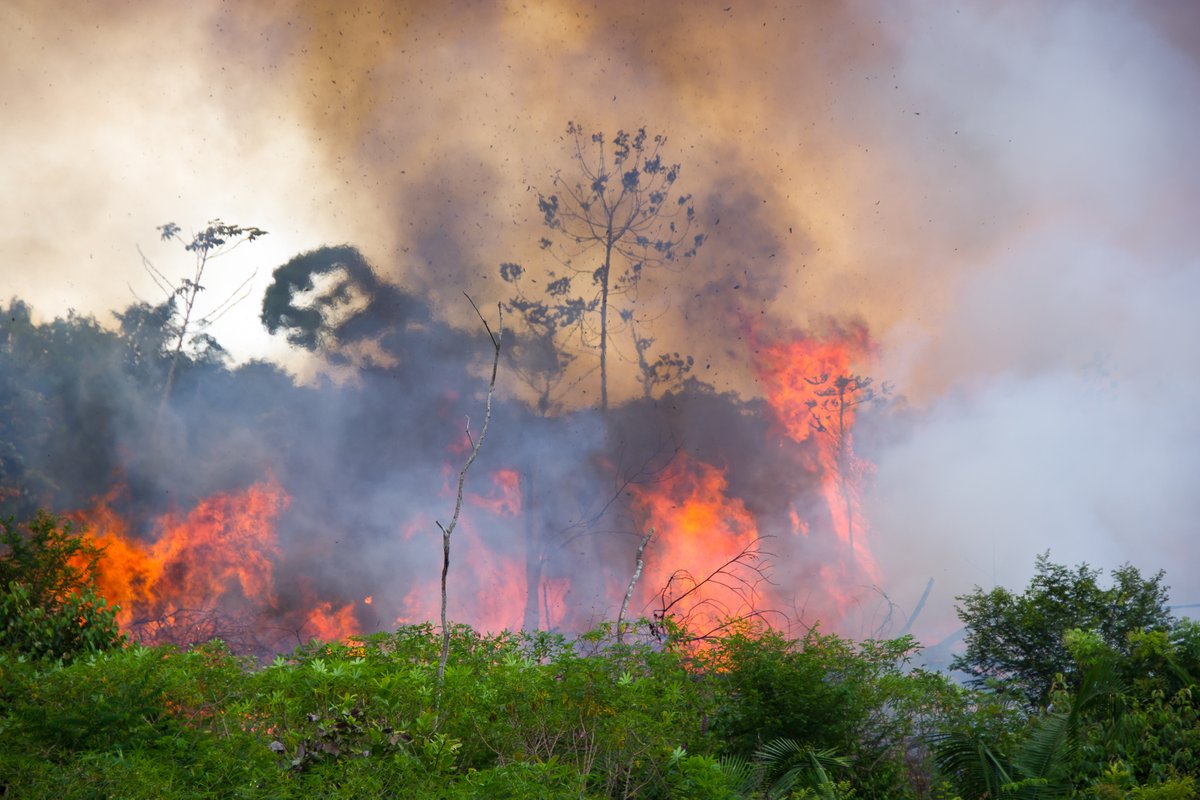
Ecosystem degradation affects yields and disrupts supply chains. That can mean revenue volatility and stranded assets.
We're taking the time on #WorldWildlifeDay to call for the integration of land-use risk into financial and buying decisions.
Habitat loss remains one of the primary drivers of wildlife population decline around the world.
As habitats are lost and fragmented, the ecosystems they support begin to degrade, weakening services such as water regulation, soil fertility and pollination.
#WorldWildlifeDay
What is really holding private investment back from mobilising funds into nature at scale?
@OfficialZSL's CEO reflects on the discussion from the recent event with @EUdelegationUK and @JessikaRoswall on unlocking finance for nature.
Read the full piece: https://t.co/Z8wairVPY6
At ZSL, we believe that protecting nature and creating change will take coordinated action across the whole system. We welcome the @IPBES Business and Biodiversity Assessment Report as an important step towards the collective action needed this decade to halt and reverse biodiversity loss.
Explore our work in this space: https://t.co/M9Q79IsSOu
What businesses need to change to address biodiversity loss 🐅
All businesses depend on and impact biodiversity, but they can also be agents of positive change.
New @IPBES report sets out practical actions to help shift systems and incentives for nature: https://t.co/6sUvwM2gzV
How are companies managing peat-related risks? Our SPOTT data provides a snapshot: https://t.co/oxNryYlMpT
Our commodity deep-dive videos explore key sustainability risks, mitigation strategies & engagement questions for investors: https://t.co/ahtoLtBPl4
#WorldWetlandsDay
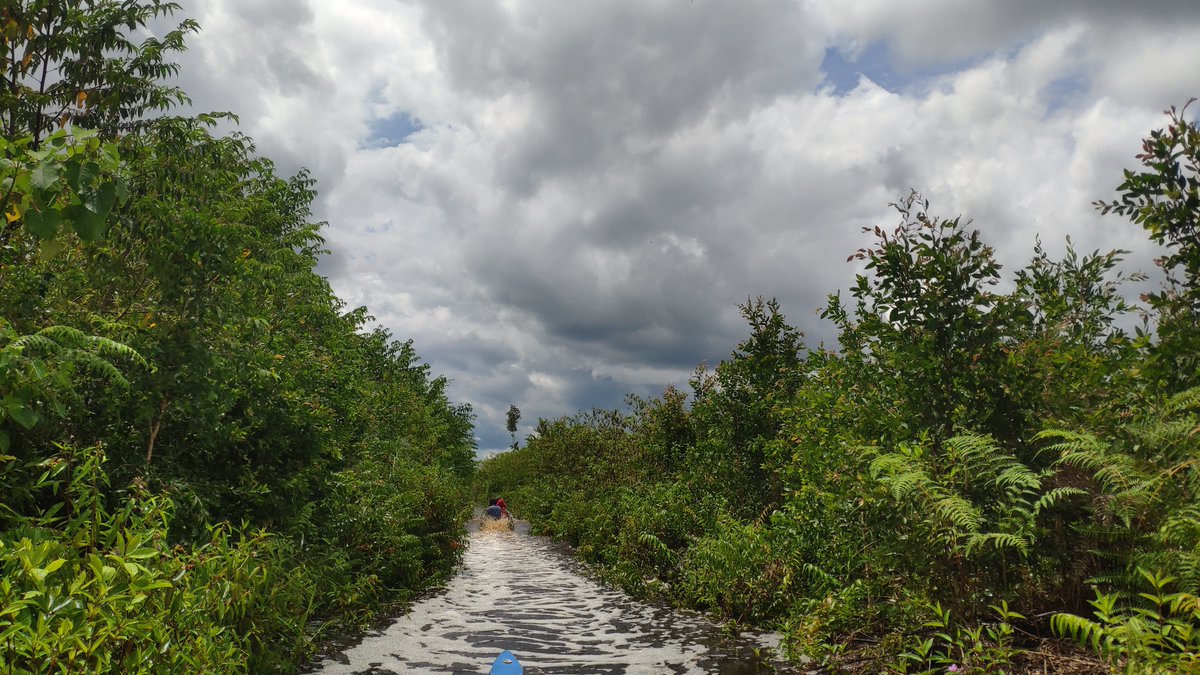
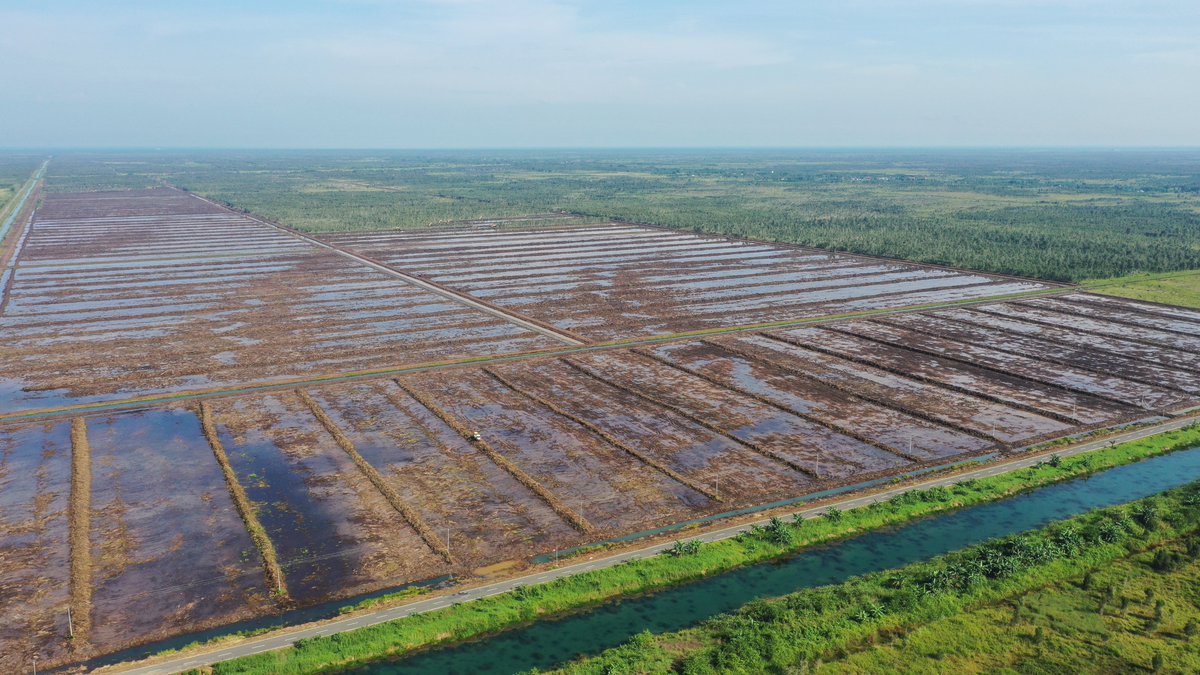
Today is #WorldWetlandsDay. We’re highlighting #peatlands, a critical wetland ecosystem closely linked to tropical soft commodities. Found across SE Asia, the Congo Basin & the Amazon, peatlands play a vital role in climate, water & biodiversity.
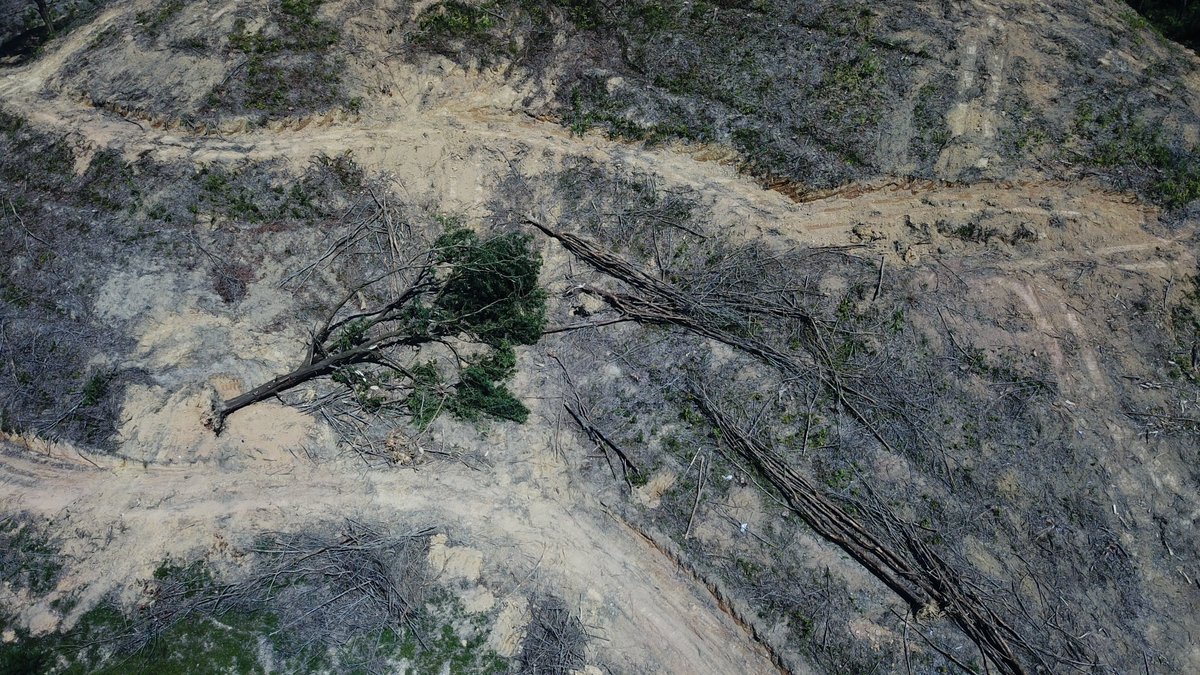
#Peatlands face growing pressure from land-use change. Drainage for agriculture (incl. oil palm) and forestry remains a major driver of peat degradation as demand for land increases and suitable mineral soils become scarcer. #WorldWetlandsDay