Findings from this long-term follow-up of a randomized clinical trial suggest that tension-free crural repair with nonabsorbable mesh does not reduce the incidence of hiatal hernia recurrence 13 years postoperatively. https://t.co/dcfKT7tdCK
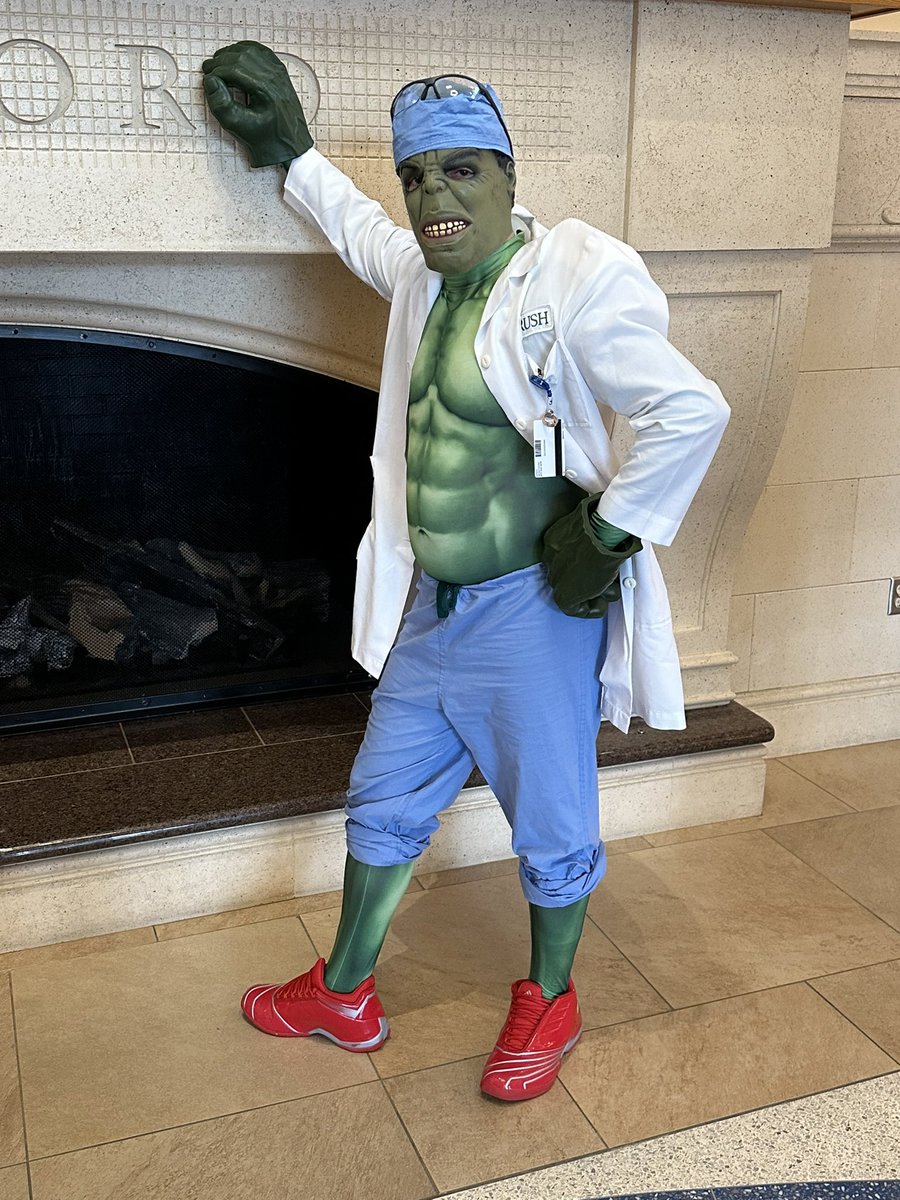
Congratulations to our graduated chiefs Dr. Bernis, Dr. Gallagher, and Dr. Duxbury. Good luck with transplant fellowship, practice in WI, and CT surg fellowship! We are all going to be blue without our guys in green. Thanks for the memories, you will be missed.
Many thanks to the brilliant Dr. Neha Sheng and the vascular surgery team at Stroger for the opportunity to publish these cases. Hoping this paper inspires others to consider using the brachioradial vasculature for AVF creation in patients when relevant. https://t.co/neZzgJcgnN
I may be biased because they cited my paper, but this is worth a read for those interested in event cognition. Fascinating application to languages other than English. https://t.co/eOH0tqkuTA
This incredibly insightful essay deserves many more shares. As male surgical trainees, we (especially) have a role in confronting the misguided perceptions and micro-aggressions directed at our female surgeon colleagues and mentors. #wecandobetter
https://t.co/FbYQtnod8d
Sadly, my surgical oncology sub-I @RushSurgery ended yesterday. The moments I shared, the knowledge I gained, and the skills I learned have left me with both the confidence that I will succeed as an intern and that surgery is the right decision for me. Next up: #GenSurgMatch2021
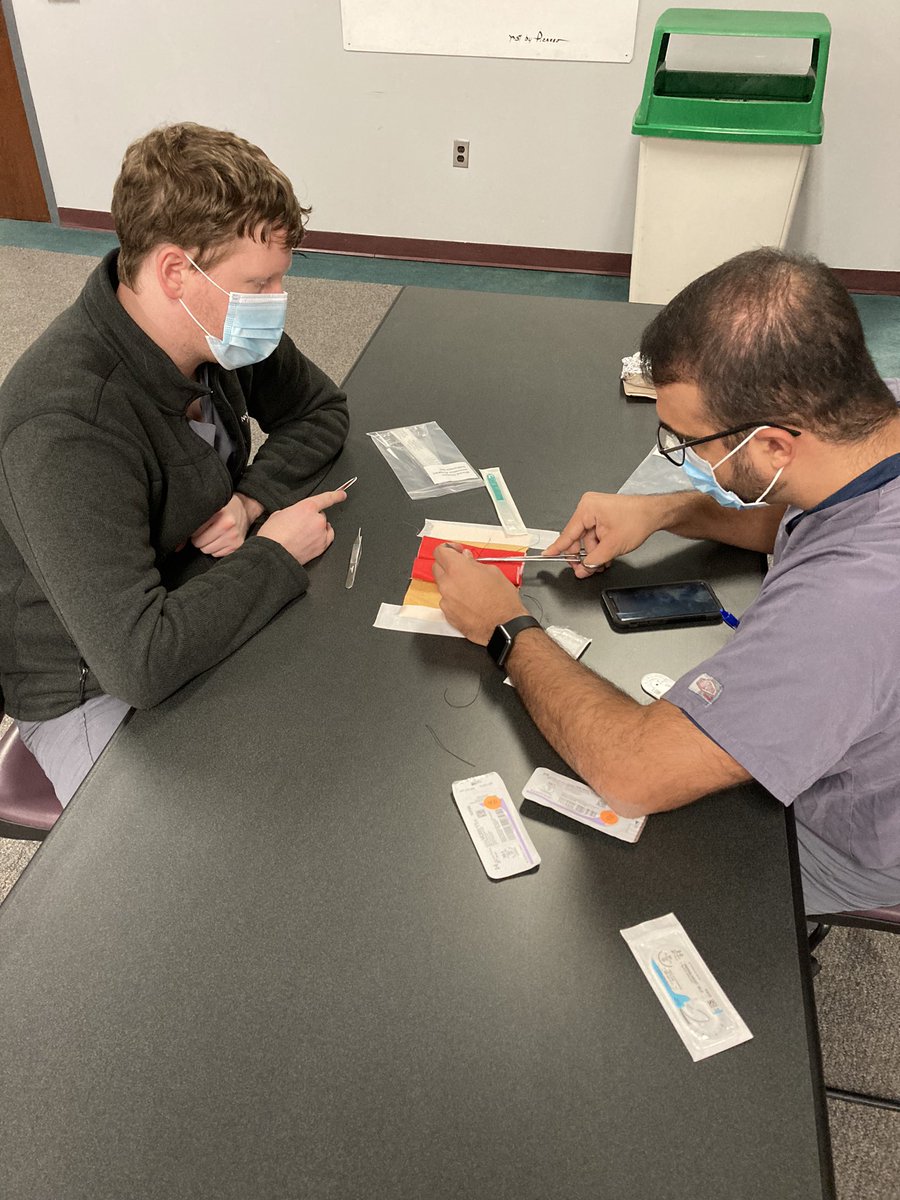
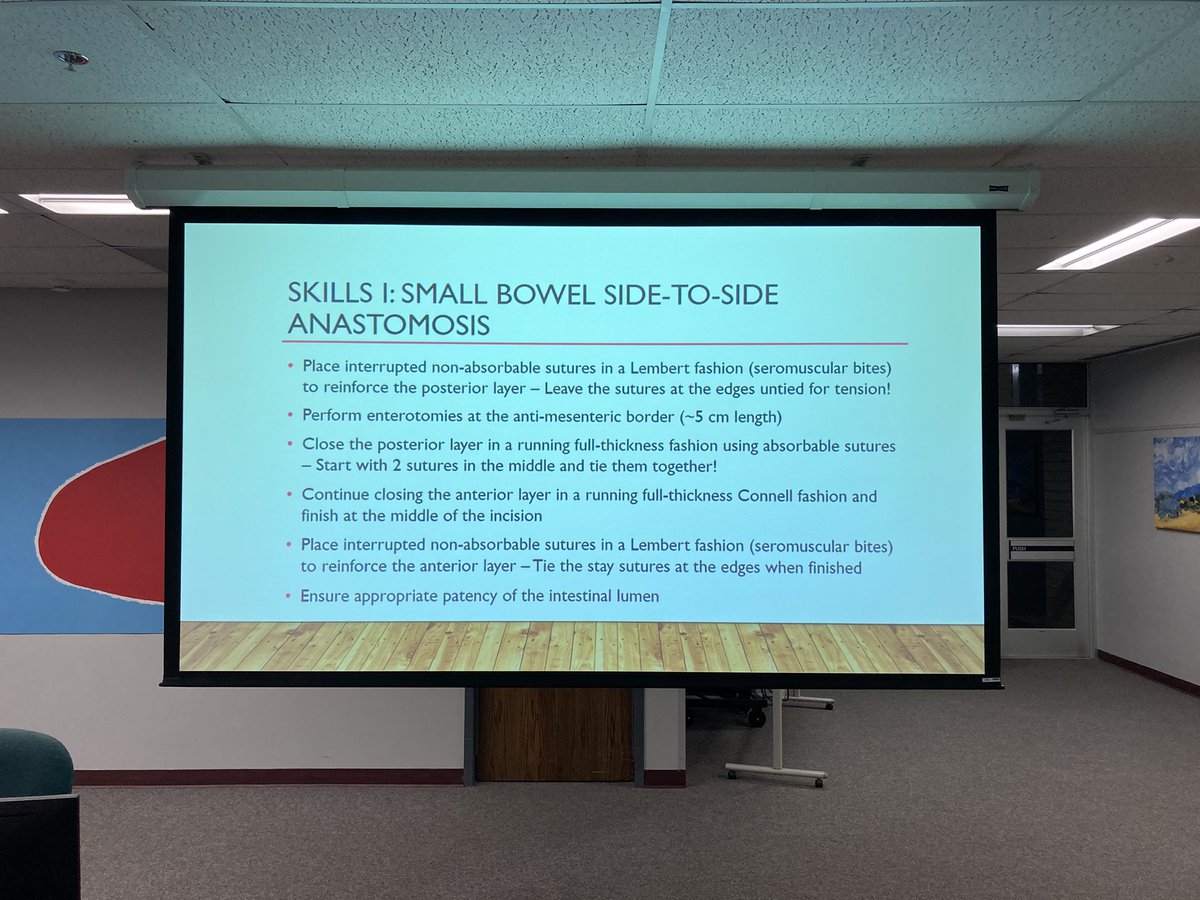
Grateful for the opportunity to learn how to start radial art lines and IJ central lines in the Rush subintern sim lab today. ��Thank you @DrScottSchimpke and @RushSurgery for your dedication to medical student education. #MedEd #gensurg #surgonc
@melanie_fritz_ @Cody_Mullens@WendelynOslock That’s very interesting. Seems that there’s more variability than I thought in the methods med schools came up with to tackle clerkship disruption during the shelter in place period. I’d be interested to see the same analysis compared between institutions.
@melanie_fritz_ @Cody_Mullens@WendelynOslock and more continuity with the didactic content (shelf study, research/EBM, etc).
Students completed the clinical component of the clerkship too, but not until after Rush approved return of students to the clinical environment, long after the virtual curriculum in the study.
@melanie_fritz_ @Cody_Mullens@WendelynOslock My assumptions are that 1. Because students were taking the course during stay at home orders rather than concomitant to clinical duties, more time was simply available to study. 2. Uniquely, all of this took place over a 2 week period, so there was less time between lectures 1/x
I always wanted my career to influence society, but never guessed as a young musician that I would one day come to understand science and train to be a doctor. I may not have time to write music like I used to, but I'm grateful every day to be a non-traditional medical student.