We are Zed Industries.
- Delta: A multiplayer environment for coding with agents, powered by DeltaDB.
- Zed: The world's fastest IDE. Open source. AI optional.
Delta is now in public beta. It’s a multiplayer environment for coding with agents and reviewing what they build, with every code change linked to the conversation that produced it.
Anyone can download it today on macOS, Linux, and Windows: https://t.co/R2N6CS23CO
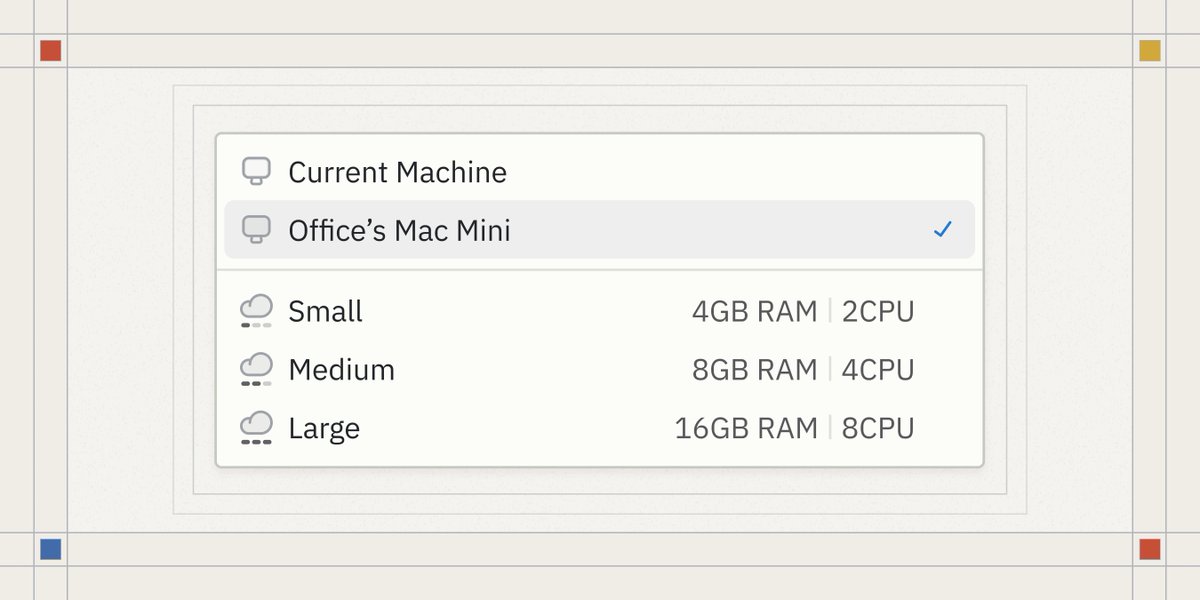
Remote Control lets you drive your Delta threads running on your home computer from your phone or another device.
Agents work in your full dev environment while you're on the go.
Your thread isn't tied to one machine. Start on your laptop, send the next turn to your workstation, then test on Linux, all in the same thread.
https://t.co/zeovaSdbop
It turns out remote control is a lot easier to get right when you've already built a real-time sync engine.
DeltaDB keeps messages and code changes in sync across your devices. And if a device goes offline, it catches up when it reconnects.
I think software engineering is about to develop a new kind of technical debt.
Comprehension debt.
Here's how it happens:
A developer asks an AI agent to build a feature.
The agent creates the database schema, APIs, frontend components, tests and documentation.
Everything works.
The PR is merged.
But the developer only understands 30% of what was actually changed.
Now imagine doing this for 20 features.
Eventually, you have a codebase that works, but nobody on the team has a complete mental model of it.
The scary part isn't that AI writes bad code.
It's that AI can write perfectly acceptable code faster than a team can understand it.
I think future engineering teams will need to measure not just how quickly they ship, but how much of their codebase they can still explain and maintain.
In @zeddotdev's next preview release processing FS events got a little speed up 😀.
Before a clean cargo build (~213.000 events) had a peak of ~67.000 queued FS events after some optimalisations it's only ~300.
Imagine running a release build👀.
Curious how engineering teams running multiple coding agents are handling decisions made across people, sessions, and tools.
For example: an architectural decision gets made in a meeting or one engineer’s Claude Code session, then another engineer’s agent makes a change that contradicts it weeks later.
Is this actually causing rework or bugs for you, and roughly how much time is it eating? How are you handling it today repo rules, shared memory, code review, something homegrown? If you built something internal, did it hold up?
Especially interested in hearing from CTOs and engineering leads running parallel or long running agents. Would love to compare notes.
Feels like a dev’s view of the SDLC. The full loop includes learning from people actually using the software.
Tickets should get bigger, but we still need a record of how the spec evolved and why, for humans and AI.
I’m not convinced Slack threads and Google Docs are enough.
“Agent archaeology”: piecing together why a teammate and their agent wrote code a certain way from scattered commits, transcripts, and conversations.
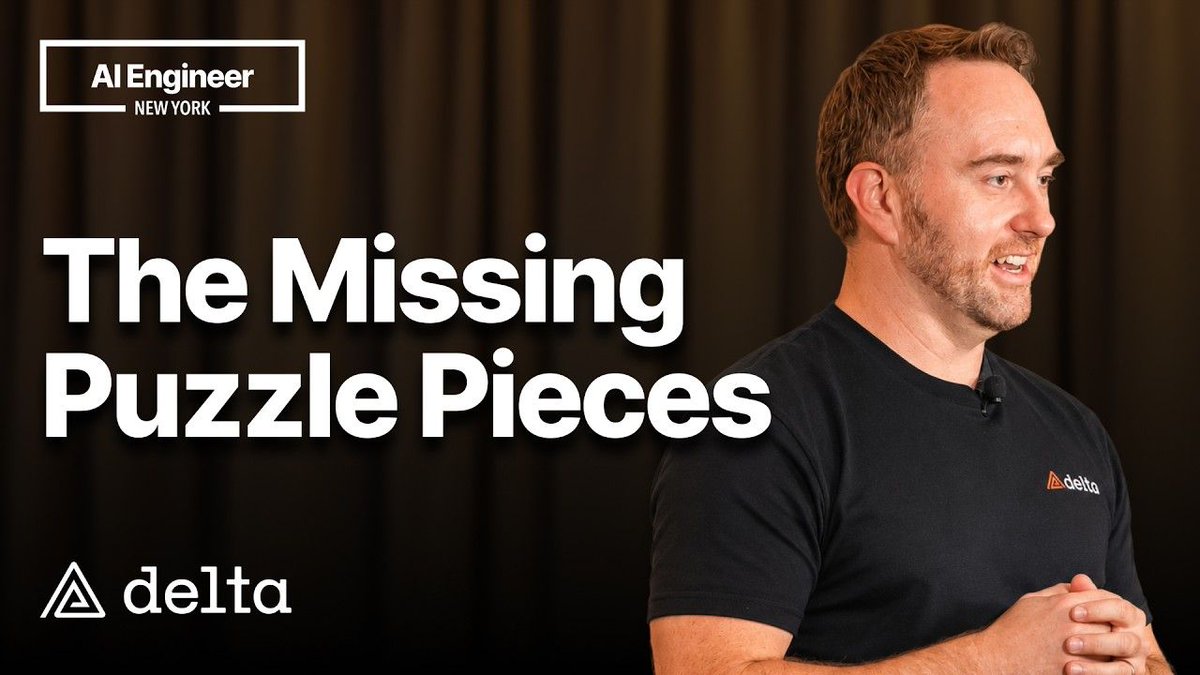
Richard gave a talk at AI Engineer NYC last month about how we use Delta to avoid it.
https://t.co/LCTLbtLS4D
Soon, your agents will be able to trace code back to the threads that produced it, giving them access to the decisions and reasoning the code alone can’t explain.
Soon, your agents will be able to trace code back to the threads that produced it, giving them access to the decisions and reasoning the code alone can’t explain.