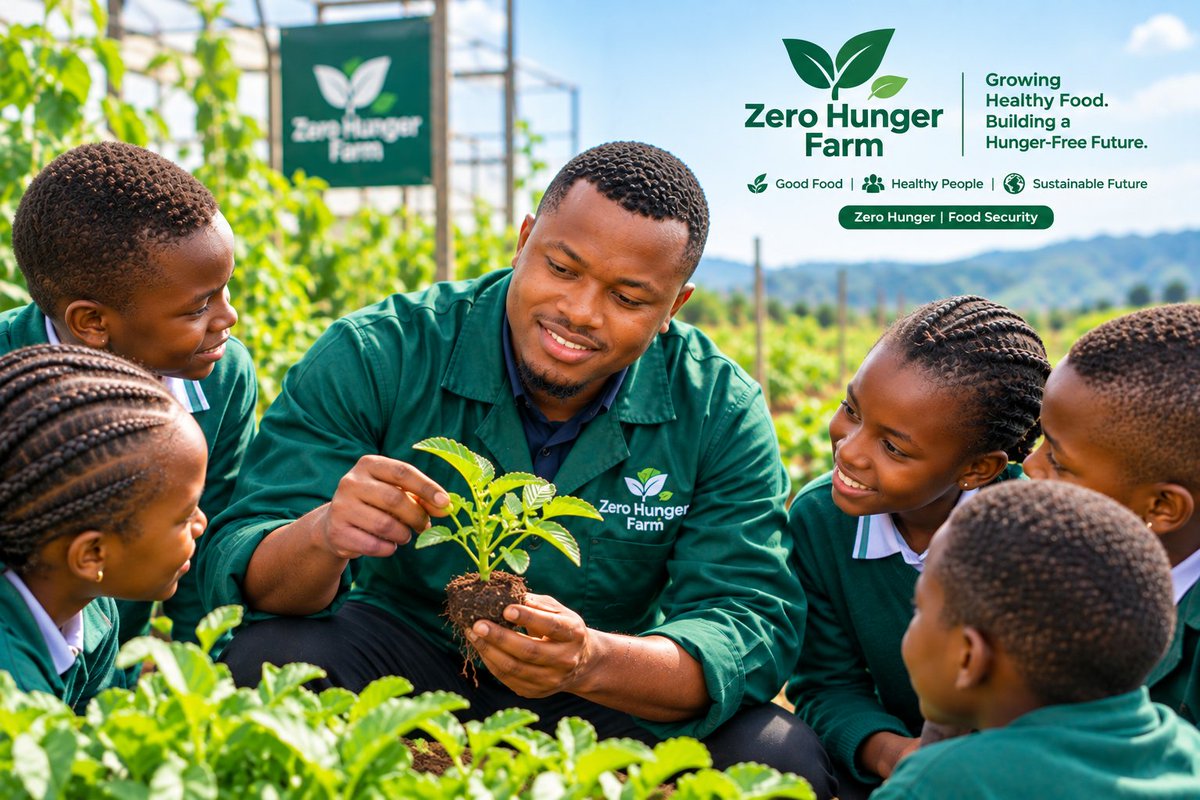
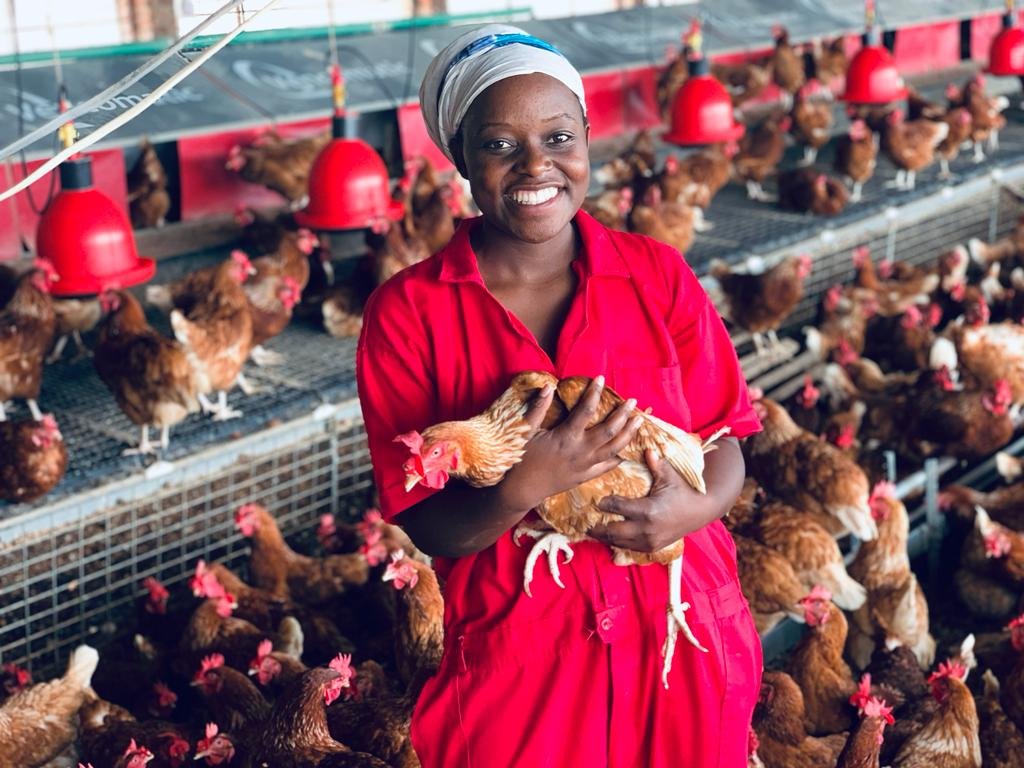
Agriculture does not need more spectators.
It needs people willing to BUILD what the NEXT GENERATION will depend on.
Agriculture doesn't need more people watching from the sidelines.
#ZeroHunger#SustainableFuture
WHEN THE STORM HITS THE FARM: A STORY OF LOSS, RESILIENCE, AND THE POWER OF PREPAREDNESS
In farming, there are days when the land smiles back at you, days when the crops stand tall, the leaves shine with life, and every step through the field feels like walking through your own success. But there are also days when the sky turns dark without warning, and everything you worked for is tested by forces you can not control.
She stood in her tomato field, a place she had nurtured with every bit of strength, hope, and savings she had. Not long ago, this same field was full of promise. The plants were green, vibrant, and heavy with flowers. She dreamed of the harvest that would change her season, maybe even her entire year.
But today, the field was no longer a field , it was a pool of muddy water. The rains had come hard and fast, flooding everything in their path. Tomatoes floated helplessly, vines lay buried, and the soil that once felt warm beneath her feet now felt cold and unforgiving. As she stood there, knee-deep in water, she wasn’t just watching crops wash away; she was watching her effort, her expectations, and her income disappear right in front of her.
This is the reality many farmers face. Flooding, strong winds, droughts, pests, and disasters that strike without mercy. These moments make many people fear investing in agriculture, because one season can look promising, and the next can collapse in a single night.
She lowered her head, thinking of her children, wondering how she would explain this loss. But even as the tears fell, something stronger remained inside her. Farmers cry today, but they plant again tomorrow. Because farming is not just a job , it is courage, resilience, and the unshakable belief that after every storm, the soil will still accept a seed.
And as heartbreaking as this scene is, it carries a message for all of us.
Preparing for disasters is not giving up on hope , it is protecting your hope. Good drainage systems, mulching, planting resilient varieties, and most importantly, agricultural insurance can turn moments of destruction into recoverable setbacks instead of life-breaking losses.
So the real question is:
When the unexpected happens , when floods strike, when winds destroy, when pests invade , do you give up, or do you protect yourself with the tools that help you rise again?
Because in agriculture, success doesn’t belong to the storms.
It belongs to those who continue to stand after the storm has passed.
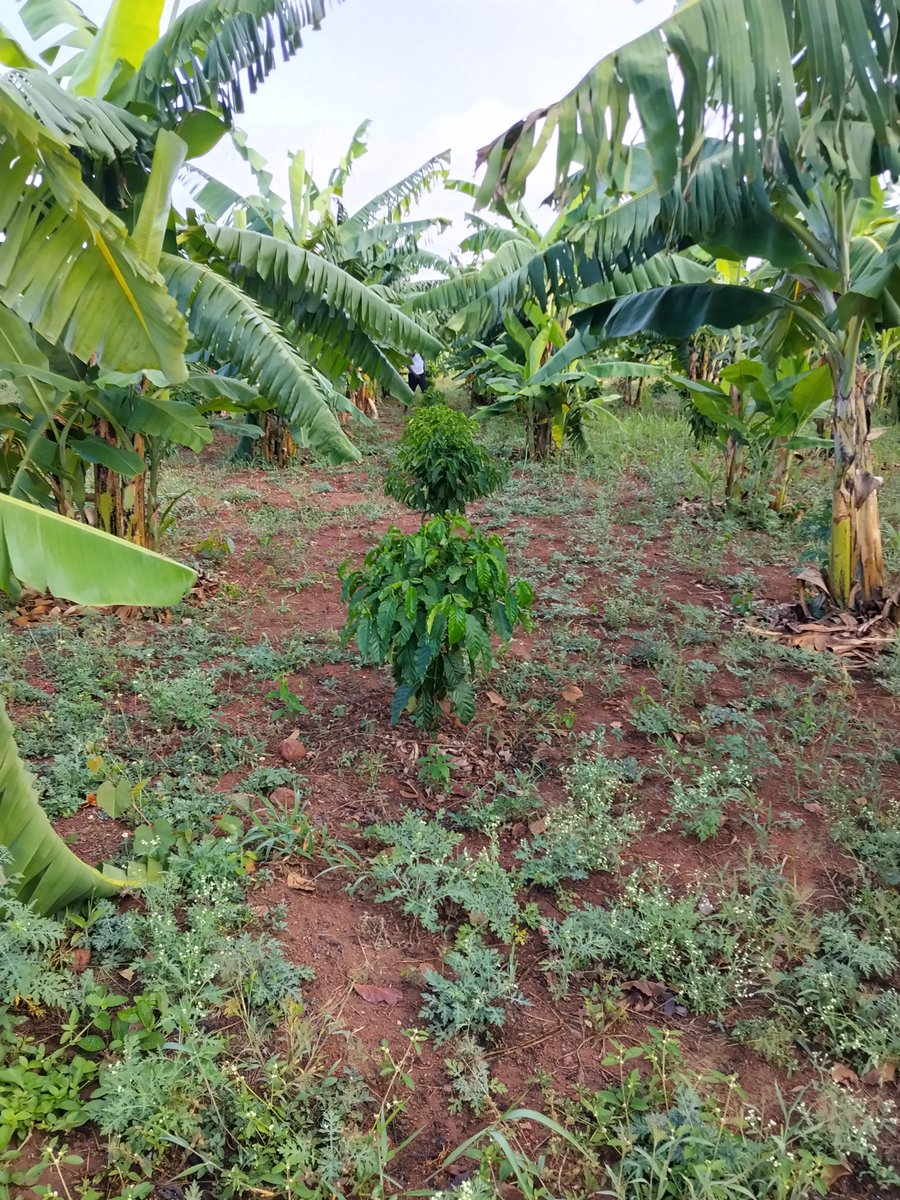
Poverty is just in the mind barely two years I am harvesting matooke and my coffee survived the drought -i did my research and rejected government grafted seedlings and went for elite.
Why Pig Farming?
Pigs grow fast and require a small space to raise.
They are more profitable than other livestock farming, producing high-quality meat.
Their hair is even used in clothing production. Not to mention, their manure serves as an excellent natural fertilizer.
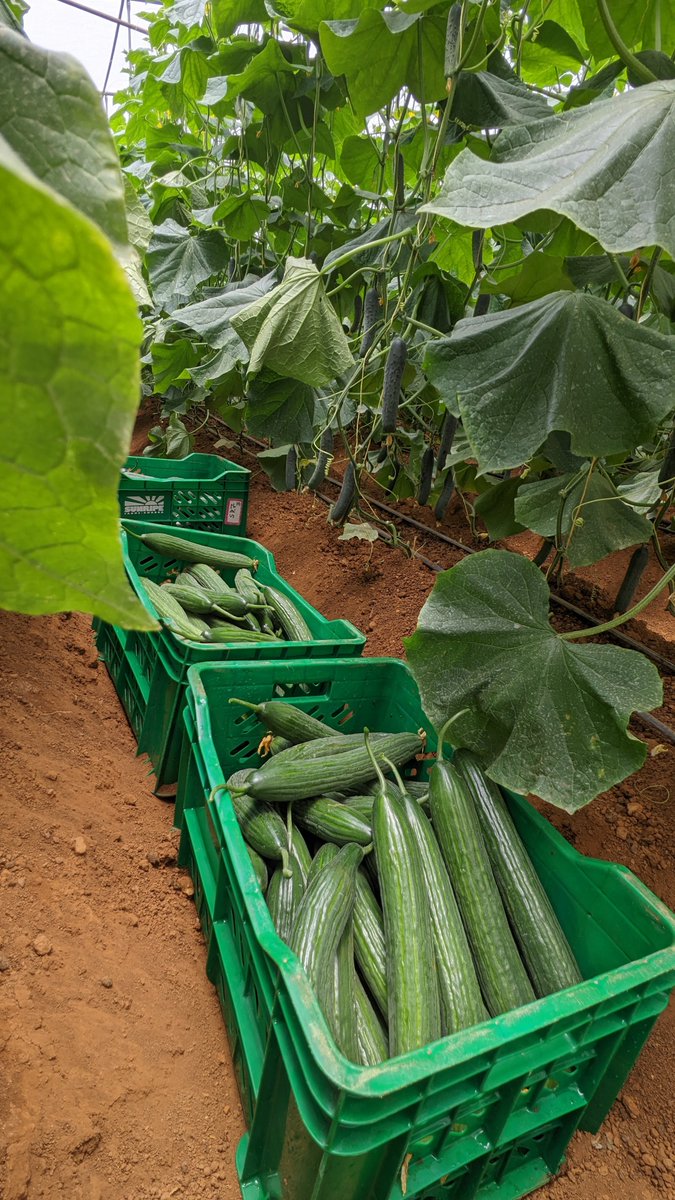
1/3.🟠 WHY GREENHOUSE FARMING CAN TRANSFORM YOUR FARM:
💧 Better water management: Drip irrigation delivers water directly to the root zone, reducing unnecessary water loss.
🌱 Improved crop growth: Proper irrigation, nutrition, and environmental management support healthy plant development.
📈 Higher production potential: Vertical trellising and efficient plant spacing help maximize production per square meter.
🧪 Efficient fertilizer use: Fertigation allows farmers to supply nutrients according to crop requirements.
🐛 Better pest and disease management: Insect-proof netting, sanitation, monitoring, and preventive practices help reduce pest and disease pressure.
🥒 More consistent production: A well-managed greenhouse can support more predictable harvesting and better market planning.
👩🏽🌾 GREENHOUSE FARMING: A SMARTER WAY TO GROW MORE WITH LESS!
Many vegetable farmers think greenhouse farming is only for people with millions in the bank or large commercial farms.
But the truth is that greenhouse farming can help farmers improve productivity, manage resources more efficiently, and produce high-quality vegetables throughout the year.
When you move from traditional open-field farming to a controlled greenhouse environment, you gain better control over irrigation, fertilization, temperature, humidity, and pest management.
✅Key takeaway to read:👇
>🟠 WHY GREENHOUSE FARMING CAN TRANSFORM YOUR FARM.
>🟢 LET'S TAKE GREENHOUSE CUCUMBER FARMING AS AN EXAMPLE!
>👨🏽🌾 SUCCESS IN GREENHOUSE FARMING IS NOT JUST ABOUT BUILDING A GREENHOUSE.
Open the thread 🧵 3/3
2/3.🟢 LET'S TAKE GREENHOUSE CUCUMBER FARMING AS AN EXAMPLE!
Cucumbers grow rapidly and can produce high yields when managed properly inside a greenhouse.
Here's how greenhouse management makes a difference:
🌿 Vertical trellising: Supports plant growth, improves air circulation, and helps produce straight, marketable fruits.
💧 Proper irrigation and fertigation: Supply water and essential nutrients according to the crop's growth stage.
🌡️ Climate management: Monitoring temperature and humidity helps reduce environmental stress and certain disease risks.
🔍 Regular crop scouting: Early detection of pests and diseases helps prevent serious crop losses.
🥒 Quality harvests: Proper crop management, timely harvesting, and good post-harvest handling help meet the requirements of supermarkets, hotels, and other buyers.
3/3.👨🏽🌾 SUCCESS IN GREENHOUSE FARMING IS NOT JUST ABOUT BUILDING A GREENHOUSE.
It is about understanding your crop, managing your irrigation and nutrition, monitoring the growing environment, controlling pests and diseases, and keeping accurate production records.
Remember: A greenhouse does not guarantee profit. Good agronomic practices, market access, and sound farm management make the difference.
Control the environment. Manage the crop. Maximize the potential.
#GreenhouseFarming #CucumberProduction #SmartAgriculture
🚨🌱 FARMERS, PESTS ARE EATING INTO YOUR PROFITS! 💸🐛
You spent money on seeds, fertiliser, labour and irrigation. Why allow pests to destroy your investment before harvest? 😳
💰 EVERY CROP YOU LOSE COULD BE MONEY OUT OF YOUR POCKET!
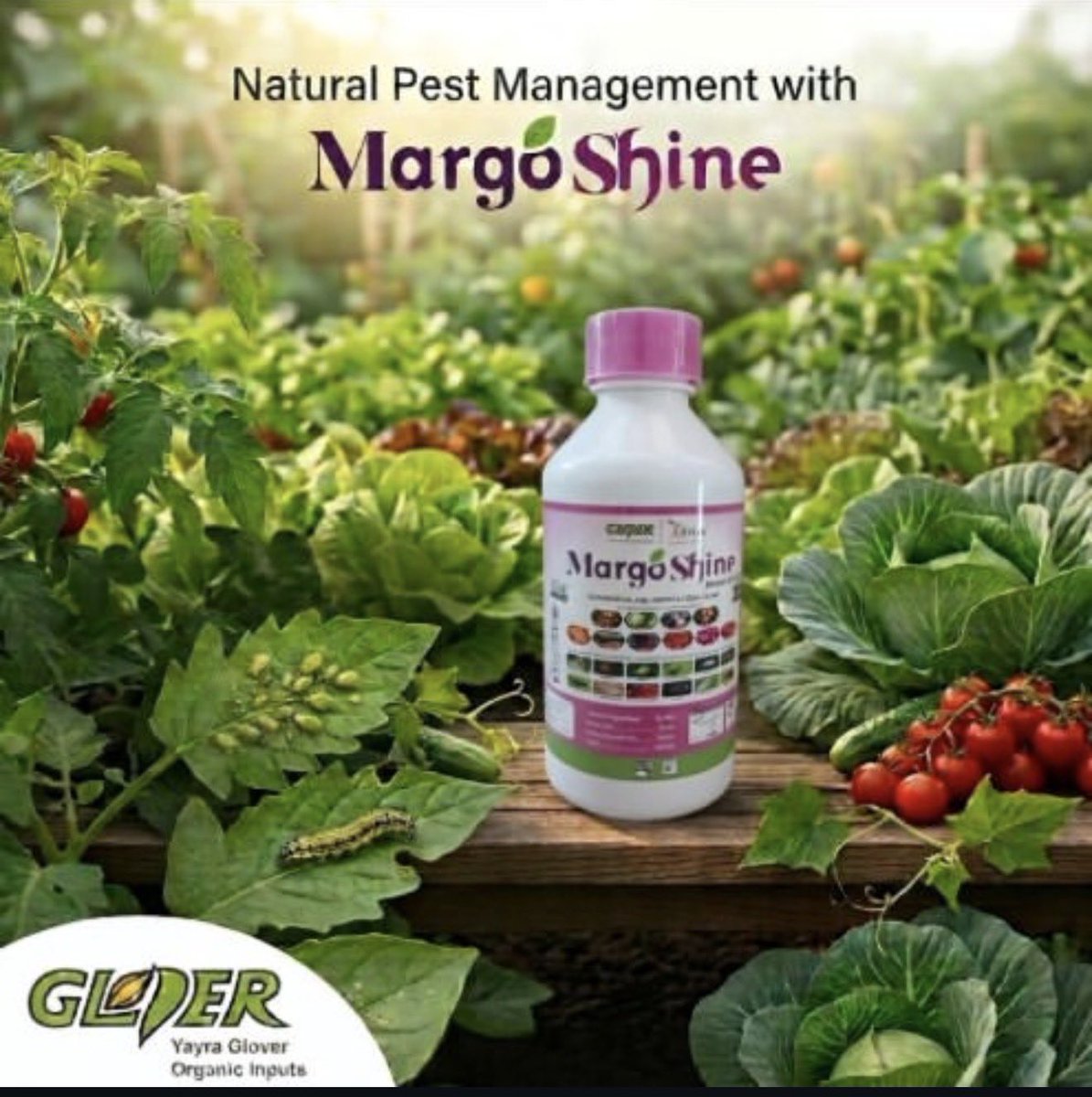
Introducing MargoShine Neem Oil EC from Yayra Glover Organic Inputs! 🌿
A plant-based pest management solution designed to help control:
✅ Aphids
✅ Whiteflies
✅ Caterpillars
✅ Mites
🍅 Whether you’re growing tomatoes, pepper, cabbage or other vegetables, protect your crops and give your farm business a better chance of a profitable harvest!
🔥 DON’T WAIT UNTIL PESTS TURN YOUR INVESTMENT INTO LOSSES!
📞 Call/WhatsApp: 0530 485 235 +233 54 822 7381
🌐 https://t.co/DBo3qFZFGI
🌱 MargoShine Neem Oil EC — Protect your crops. Protect your investment. Protect your profits!
#TheGhanaianFarmer #MargoShine #OrganicFarming #PestControl #NeemOil #Agribusiness #FarmingForProfit
Agricultural Lovers Assembly 🎊 🎊
Between a Goat and a Chicken, which one would you bet your last savings on to build as a business.
Which one gives you the most by-products, and would pay you back faster?
A. Goat
B. Chicken
1️⃣ FEED QUALITY AND NUTRITIONAL BALANCE
Laying hens need a consistent supply of well-balanced feed containing adequate protein, calcium, and other essential nutrients. Protein supports egg formation, while calcium is vital for strong eggshells. Poor-quality feed, nutritional deficiencies, or irregular feeding can reduce egg production and weaken eggshells.
✅ Practical action: Provide quality layer feed consistently and ensure adequate calcium intake using appropriate sources, such as limestone or oyster shells, where available.
2️⃣ LIGHTING DURATION AND CONSISTENCY
Light plays an important role in regulating the reproductive hormones responsible for egg production. Most laying hens require approximately 14–16 hours of total light daily to maintain good laying performance. Sudden changes or inconsistent lighting can disrupt their laying cycle.
✅ Practical action: Maintain a consistent lighting schedule and provide controlled artificial lighting when natural daylight is insufficient.
3️⃣ STRESS CAUSED BY OVERCROWDING AND DISTURBANCES
Stress is a frequently overlooked cause of declining egg production. Overcrowding, loud noises, predator threats, and frequent disturbances can negatively affect the performance of laying hens.
✅ Practical action: Provide sufficient space, maintain a calm environment, secure the poultry house, and minimize unnecessary disturbances.
4️⃣ POOR NESTING CONDITIONS
Hens need comfortable, clean, and secure places to lay their eggs. Inadequate nesting facilities may lead to eggs being laid on the floor, increasing the risk of breakage, contamination, and egg losses.
✅ Practical action: Install sufficient nesting boxes in quiet, shaded areas and keep them clean with dry bedding material.
🥚 WHY YOUR HENS MAY NOT BE PRODUCING ENOUGH EGGS🐔
Many poultry farmers face a common challenge: their chickens look healthy, remain active, and eat well, yet egg production stays low or irregular.
In many cases, the problem goes beyond disease. Certain management practices can significantly affect laying performance. Here are seven important factors to check on your farm and the practical steps you can take to improve production. 👇
Read the thread 🧵
5️⃣ HEAT STRESS AND INSUFFICIENT VENTILATION
Excessive heat can reduce feed consumption, affect bird health, and lower egg production. Poor ventilation makes the situation worse by allowing heat and moisture to accumulate inside the poultry house.
✅ Practical action: Improve airflow, avoid overcrowding, provide shade where necessary, and ensure continuous access to clean, cool drinking water.
6️⃣ THE AGE AND BREED OF YOUR HENS
Egg production varies depending on the breed, age, and stage of the laying cycle. Hens generally begin laying at different ages depending on their breed and management, while production naturally declines as they grow older. Some breeds also have a higher egg-laying potential than others.
✅ Practical action: Keep accurate flock records, monitor laying performance, and plan for flock replacement based on age, productivity, and farm economics.
7️⃣ WATER QUALITY, AVAILABILITY, AND INTAKE
Water is essential for normal body functions and egg formation. Even a short interruption in water supply can affect feed intake and reduce laying performance.
✅ Practical action: Ensure fresh, clean water is available throughout the day. Regularly inspect drinkers, clean water containers, and repair leaking or blocked equipment.
🐔 FINAL INSIGHT:
Egg production is not simply a matter of luck; it is the result of good management. When nutrition, lighting, housing, stress control, temperature, and water supply are properly managed, hens have a better chance of maintaining consistent egg production.
👨🏼🌾 LET'S TALK, FARMERS!
Are your chickens laying fewer eggs than expected? 🥚 What do you think is the main cause on your farm?
💬 Share your experience in the comments. Your challenge might help another poultry farmer find a solution!
🥚 WHY YOUR HENS MAY NOT BE PRODUCING ENOUGH EGGS🐔
Many poultry farmers face a common challenge: their chickens look healthy, remain active, and eat well, yet egg production stays low or irregular.
In many cases, the problem goes beyond disease. Certain management practices can significantly affect laying performance. Here are seven important factors to check on your farm and the practical steps you can take to improve production. 👇
Read the thread 🧵
How often do you come across a crop that can double your investment in less than 55 days?
French beans farming is one of the fastest returning agricultural enterprises. With proper management and access to a reliable market:
✅ Harvest begins in about 45–55 days after planting.
✅ Production costs are relatively low compared to many crops.
✅ High quality beans often attract premium export and local market prices.
✅ Farmers can earn income quickly and reinvest in the next production cycle.
✅ Multiple harvests can be made over a short period, increasing profitability.
UNDERSTANDING CHICKEN DIARRHEA: WHAT THE COLOR TELLS YOU AND HOW TO TREAT IT
Chicken droppings can tell you a lot about the health of your flock. Changes in color, texture, or smell often signal illness, stress, or digestive imbalance. Knowing how to read these signs helps you act quickly before the condition spreads or worsens.
YELLOW DIARRHEA
Yellow droppings often show coccidiosis or a bacterial infection such as clostridial enteritis. It may also appear when chickens are stressed or when you suddenly change their feed.
Treatment:
1. For coccidiosis, add Amprolium 20% powder at 1 gram per 2 liters of drinking water for 5 to 7 days.
2. For bacterial infection, give Oxytetracycline at 1 gram per liter of water for 5 days.
3. Follow up with a probiotic supplement for 3 to 5 days to restore healthy gut bacteria.
GREEN DIARRHEA
Green droppings usually come from excess bile due to rapid gut movement or infection. It can also appear when birds are not eating enough, stressed, or exposed to diseases.
Treatment:
1. Provide a multivitamin and electrolyte solution in water to help with recovery and hydration.
2. If a bacterial infection is suspected, use Enrofloxacin 10% oral solution at 1 ml per liter of water for 3 to 5 days.
3. Isolate affected birds immediately to stop the disease from spreading.
WHITE DIARRHEA
White, chalky droppings are a sign of fungal or yeast overgrowth (candidiasis), or a disturbed gut system after antibiotic use or poor hygiene.
Treatment:
1. Give Nystatin oral suspension at 100,000 IU per liter of drinking water for 5 to 7 days.
2. Clean and disinfect all feeders, drinkers, and water lines before refilling.
3. Avoid unnecessary use of antibiotics and add probiotics regularly to the diet.
RED OR BLOODY DIARRHEA
This is the most dangerous type. It usually means severe coccidiosis, intestinal bleeding, or a heavy worm load. If left untreated, death rates can be high.
Treatment:
1. Use Amprolium 20% at 1 gram per 1.5 liters of drinking water for 7 days.
2. If you suspect mixed infections, use a Sulfaquinoxaline combination product as per label instructions.
3. Deworm using Albendazole at 1 ml per liter of water for 2 days, then repeat after 14 days.
4. Add vitamins A and K in the water for 3 days to help healing and blood clotting.
WATERY OR FOAMY DIARRHEA
Very loose or foamy droppings often come from feed spoilage, heat stress, poor-quality water, or early bacterial infection. It can also happen when feed contains too much salt or fat.
Treatment:
1. Check feed freshness and remove any moldy or spoiled feed.
2. Give clean, cool water mixed with electrolytes and vitamins to prevent dehydration.
3. Add probiotics to balance gut microbes and strengthen digestion.
4. In serious cases, treat with a broad-spectrum antibiotic like Oxytetracycline at 1 gram per liter of water for 3 to 5 days.
Always keep chicken houses clean and dry, avoid overcrowding, and provide fresh water at all times. Early detection and quick action save your flock from heavy losses.
#ChickenFarming
Farmers feed the world.
But today, people increasingly learn about agriculture from the people they follow online, not necessarily the people actually producing their food.
That matters.
Influence shapes what people believe, what they buy, and how they understand the food system.
So follow people who are willing to learn, ask questions, share facts, and give you a more complete picture of agriculture... not the rage baiter who wants to scare you.
Because the algorithm is going to feed you something.
Choose who you let feed you.
#Agriculture