This is not a Zimbabwean story alone. This is a regional story. The consequences of what is being decided inside Parliament this week will be felt in Johannesburg, Pretoria, Gaborone and Lusaka long after the President appends his signature and returns his pen to his desk.
Do not say you were not warned.
Under the proposed system, the path to democratic power change in Zimbabwe narrows to almost nothing for any opposition formation. The strategic error of prioritising the presidency over Parliament long criticised by political analysts will no longer be merely an error. It will be an obituary.The debates continue today. They may run late into the evening. And by the end of this week, we may be living in a constitutionally different country.
Third Eye 👁 News will be watching every vote. Every absence. Every hand raised.
THIRD EYE NEWS | POLITICAL DESK
Seeing What Others Miss | CAB3 DAY TWO: THE POINT OF NO RETURN
By the Political Editor Munyaradzi Zuzude, Third Eye 👁 News
Zimbabwean parliamentarians are this morning walking into the second day of debating Constitutional Amendment Bill No. 3. And if what we are hearing from inside Parliament is accurate, MPs have been instructed to ensure full attendance tomorrow. Read that carefully. Full attendance has been ordered. That is not a suggestion. That is a political directive. Someone wants this Bill passed before the week is out.
We have been saying this for two years. We will say it again today. President Emmerson Mnangagwa is determined to see CAB3 become law at all costs. Nothing in the trajectory of this process has suggested otherwise.
The consultations were stage-managed. The warnings from constitutional lawyers were ignored. The appeals from war veterans, churches, civil society and retired military officers were dismissed. And now Parliament itself is being mobilised like a rubber stamp.
Let us be honest about what is at stake.If CAB3 becomes law, Zimbabwe enters a fundamentally different era of governance. The presidency moves from a direct popular vote to a parliamentary election. And because ZANU-PF has, through deliberate constituency demarcation, ensured that its strongholds carry significantly more constituencies than opposition areas the mathematics of that system already have a predetermined outcome.
The opposition can campaign brilliantly. It can win the popular argument. It can fill stadiums. And it will still lose because the race is no longer run on the track the people can see. It is run in a chamber the people cannot easily influence.
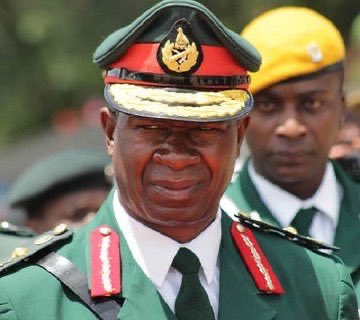
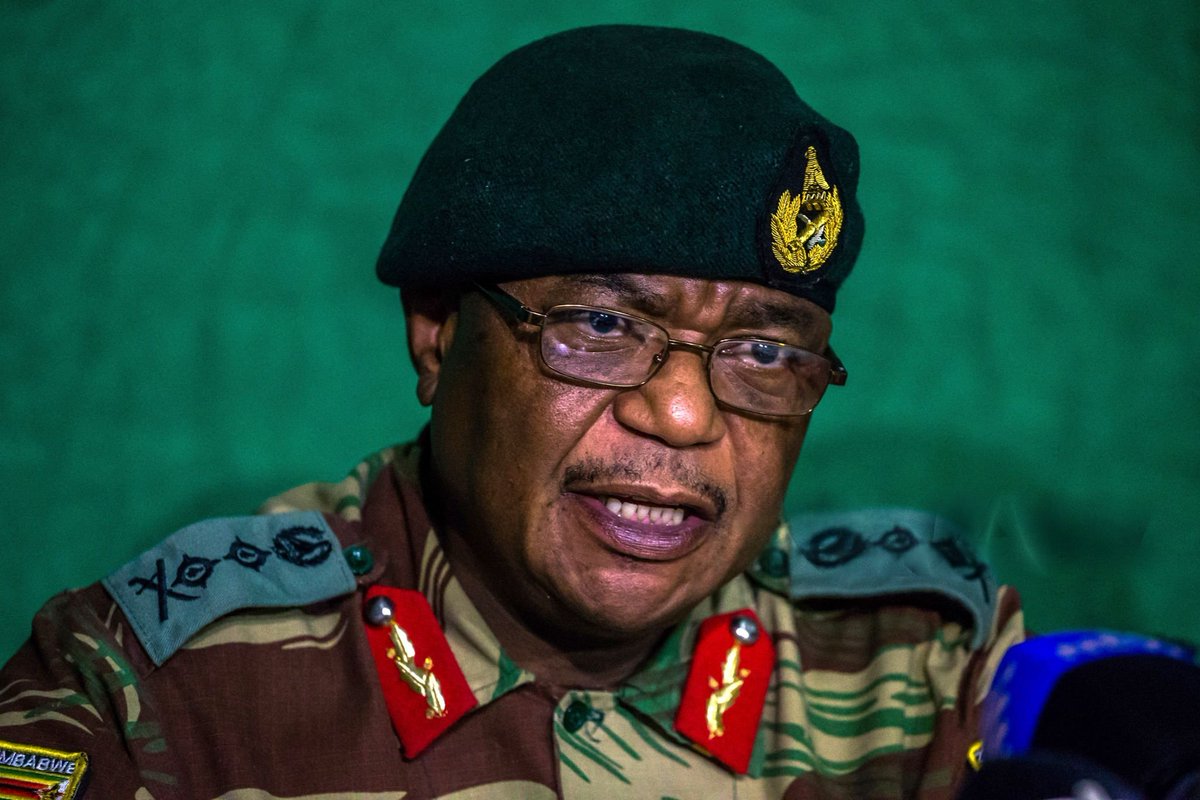
Control of Parliament becomes everything. Without a parliamentary majority, the presidency is unreachable.This is also the moment that effectively extinguishes Vice President General Constantino Chiwenga's constitutional path to the presidency. Whatever one thinks of the factional dynamics inside ZANU-PF, the Vice President's route to succeeding Mnangagwa through the existing constitutional framework closes the moment this Bill is signed.
We have outlined three scenarios that could halt this process.
The President could refuse to assent. The military could intervene. Or regional leaders could privately apply sufficient pressure to force an abandonment of the project.
None of these looks likely today.
Regional leaders have shown virtually no appetite to confront Mnangagwa on this. SADC has been conspicuously silent. The African Union has said nothing of consequence. And Mnangagwa himself publicly signalled his position when retired military generals raised concerns directly with him. His response was blunt: whoever wins, wins. He was not talking about an election. He was talking about this process. He is all in.
That leaves military intervention as the only remaining variable capable of altering the outcome. I am not calling for it. I am not endorsing it. I am simply reporting the political reality as a journalist whose job is to tell you what others will not.
If none of these scenarios materialises Zimbabwe could be looking at Mnangagwa in office until 2030 or until his death. And whoever succeeds him under the new framework could remain in power for a further 14 years.
Read that again. Slowly.
Now let me speak directly to our neighbours in the region particularly South Africa.
Prepare.
Political uncertainty combined with economic decline and a deepening sense of hopelessness has historically produced one outcome in Zimbabwe: migration. It happened after 2008. It happened in the years that followed. It could happen again and this time the trigger is not just economic. It is constitutional. It is the death of electoral hope itself.
When citizens conclude that their vote cannot change their government, they do not all become activists. Many of them simply leave. And the nearest door has always been Beitbridge.
BREAKING: FAYE FIRES SONKO THE TRAGEDY OF AFRICA
By Munyaradzi Zuzude, Political Correspondent, Third Eye News
Dakar — What we have witnessed in Senegal is not merely the fall of a premier; it is the unravelling of a promise. When Bassirou Diomaye Faye @PR_Diomaye walked the tightrope from opposition victory to the presidential palace, Ousmane Sonko @SonkoOfficiel stood beside him as both architect and ally.
That Faye has now dismissed the man who helped put him in power is a wound not only to Senegalese politics but to the broader hopes of Pan‑African solidarity. This is betrayal in plain sight. Sonko’s release from detention under the Macky Sall administration an event for which many, including myself, lobbied and celebrated cleared the path for a political realignment that promised to challenge old elites and reinvigorate a governance agenda focused on national dignity and regional cooperation.
Instead, the alliance has fractured at its first test of authority.
Political life in Africa is littered with such ruptures. Allies become rivals when the spoils of victory are parceled out. The forces that undermine unity are not always external; often they are those closest to power, tempted by personal ambition or wary of compromises that true reform demands. When mediation efforts in Nairobi tried to cool tempers, it was already too late the damage had been done, relationships strained by distrust and competing visions.
The immediate consequences are stark. Faye’s government now faces a crisis of legitimacy among supporters who believed in the coalition that brought him to office. Sonko’s base energized, nationalistic, and impatient with slow reform will feel betrayed and may radicalize its response. That dynamic risks political instability at home and weakens Senegal’s moral authority in a region that looks to it as a democratic example.
For Pan‑Africanism, the symbolism is corrosive. The dream of solidarity across borders relies on leaders who can put collective interest above narrow factional gains. When leaders turn on each other, it gives succour to the old order the same forces that perpetuate division, neo‑colonial dependence, and the re-entrenchment of patronage politics. Calling this a tragedy is not hyperbole; it is the undoing of a rare political alignment that carried the hope of systemic change.
Still, this moment is also a test of political maturity. Senegalese institutions and civic movements must now rise to the challenge. Courts, parliament, civil society and the press must insist on transparency and due process, ensuring that the dismissal does not translate into executive impunity. Opposition voices, including those of Sonko’s movement, should channel frustration into the democratic arena rather than street violence. Regional bodies ECOWAS @ecowasbiznews and the African Union @_AfricanUnion ought to monitor developments, not with paternalism, but to safeguard constitutional order and mediate where necessary.
Leaders who aspire to genuine Pan‑Africanism must learn from this rupture. Solidarity is not merely rhetorical; it requires durable political architecture, shared principles, and mechanisms for conflict resolution that survive personal rivalries. Without those, every alliance is vulnerable to the corrosive logic of power.
To those who saw in Faye and Sonko a new chapter for Senegal& the continent, the question is painful& unavoidable if the architects of change cannot hold together, how will they defend the project against entrenched interests? Julius Caesar’s lament to Brutus “Et tu, Brute?” echoes because it captures the elemental sting of betrayal between comrades. But Africa must aim higher than classical tragedy; it must build systems that prevent such betrayals from undoing hard-won progress.
In the days ahead, Senegal’s political actors can either descend into recrimination and fragmentation or seize this crisis as a catalyst for institutional strengthening. The continent will be watching.
BREAKING: FAYE FIRES SONKO THE TRAGEDY OF AFRICA
By Munyaradzi Zuzude, Political Correspondent, Third Eye News
Dakar — What we have witnessed in Senegal is not merely the fall of a premier; it is the unravelling of a promise. When Bassirou Diomaye Faye @PR_Diomaye walked the tightrope from opposition victory to the presidential palace, Ousmane Sonko @SonkoOfficiel stood beside him as both architect and ally.
That Faye has now dismissed the man who helped put him in power is a wound not only to Senegalese politics but to the broader hopes of Pan‑African solidarity. This is betrayal in plain sight. Sonko’s release from detention under the Macky Sall administration an event for which many, including myself, lobbied and celebrated cleared the path for a political realignment that promised to challenge old elites and reinvigorate a governance agenda focused on national dignity and regional cooperation.
Instead, the alliance has fractured at its first test of authority.
Political life in Africa is littered with such ruptures. Allies become rivals when the spoils of victory are parceled out. The forces that undermine unity are not always external; often they are those closest to power, tempted by personal ambition or wary of compromises that true reform demands. When mediation efforts in Nairobi tried to cool tempers, it was already too late the damage had been done, relationships strained by distrust and competing visions.
The immediate consequences are stark. Faye’s government now faces a crisis of legitimacy among supporters who believed in the coalition that brought him to office. Sonko’s base energized, nationalistic, and impatient with slow reform will feel betrayed and may radicalize its response. That dynamic risks political instability at home and weakens Senegal’s moral authority in a region that looks to it as a democratic example.
For Pan‑Africanism, the symbolism is corrosive. The dream of solidarity across borders relies on leaders who can put collective interest above narrow factional gains. When leaders turn on each other, it gives succour to the old order the same forces that perpetuate division, neo‑colonial dependence, and the re-entrenchment of patronage politics. Calling this a tragedy is not hyperbole; it is the undoing of a rare political alignment that carried the hope of systemic change.
Still, this moment is also a test of political maturity. Senegalese institutions and civic movements must now rise to the challenge. Courts, parliament, civil society and the press must insist on transparency and due process, ensuring that the dismissal does not translate into executive impunity. Opposition voices, including those of Sonko’s movement, should channel frustration into the democratic arena rather than street violence. Regional bodies ECOWAS @ecowasbiznews and the African Union @_AfricanUnion ought to monitor developments, not with paternalism, but to safeguard constitutional order and mediate where necessary.
Leaders who aspire to genuine Pan‑Africanism must learn from this rupture. Solidarity is not merely rhetorical; it requires durable political architecture, shared principles, and mechanisms for conflict resolution that survive personal rivalries. Without those, every alliance is vulnerable to the corrosive logic of power.
To those who saw in Faye and Sonko a new chapter for Senegal& the continent, the question is painful& unavoidable if the architects of change cannot hold together, how will they defend the project against entrenched interests? Julius Caesar’s lament to Brutus “Et tu, Brute?” echoes because it captures the elemental sting of betrayal between comrades. But Africa must aim higher than classical tragedy; it must build systems that prevent such betrayals from undoing hard-won progress.
In the days ahead, Senegal’s political actors can either descend into recrimination and fragmentation or seize this crisis as a catalyst for institutional strengthening. The continent will be watching.
EXPOSED: Uebert Angel Slept With A Man's Girlfriend No prophet. No man of God. A predator with a diplomatic passport.A Zimbabwean man has filed a complaint Uebert Angel, Zimbabwe's Ambassador-at-Large, slept with his girlfriend.
This is the same man who:
🔶️Takes millions from desperate believers
🔶️Carries a Zimbabwean diplomatic passport
🔶️Sells miracles while living like a cartel boss
Now a video is circulating. A man is speaking. And the "prophet" is silent.
Zimbabwe this is the character of the people you trusts with state power and national representation.
When the church becomes a hunting ground and the Church protects the hunter. @UebertAngel
EXPOSED: Uebert Angel Slept With A Man's Girlfriend No prophet. No man of God. A predator with a diplomatic passport.A Zimbabwean man has filed a complaint Uebert Angel, Zimbabwe's Ambassador-at-Large, slept with his girlfriend.
This is the same man who:
🔶️Takes millions from desperate believers
🔶️Carries a Zimbabwean diplomatic passport
🔶️Sells miracles while living like a cartel boss
Now a video is circulating. A man is speaking. And the "prophet" is silent.
Zimbabwe this is the character of the people you trusts with state power and national representation.
When the church becomes a hunting ground and the Church protects the hunter. @UebertAngel
A Man Should Not Be Judged by the Crowd. The dispute involving Sir Wicknell Chivayo and his ex-wife has become one of those public matters that attracts loud opinions, quick conclusions, and very little patience for nuance. In today’s media climate, a private family conflict can be turned into a public spectacle within hours, with social media posts, gossip columns, and commentary all competing to define the truth.
But a family breakdown is not a courtroom drama for public amusement. It is a deeply personal matter that should be handled with care, dignity, and fairness.
Sir Wicknell Chivayo is no stranger to controversy. He has long lived under intense public scrutiny, and with that scrutiny comes both criticism and fascination. Some people admire his boldness, his visibility, and his willingness to live openly and unapologetically.
Others dislike his style and question his choices. That is the nature of public life. Yet controversy alone should never be enough to strip a person of basic fairness when private matters spill into the public domain.
The breakdown of a marriage is painful at the best of times. When children, property, and accusations are involved, the pain becomes even more complicated. What should concern the public most is not choosing a side based on emotion, but understanding that there are real human beings at the center of this conflict.
Sir Wicknell Chivayo is a husband, father, and public figure all at once, and those roles cannot be separated neatly when a family dispute becomes headline news.
There is also a broader issue at stake the way society treats men in moments of domestic conflict. Too often, public opinion assumes guilt the moment a man becomes the more visible party in a relationship dispute.
He is expected to remain silent, absorb the criticism, and accept whatever narrative dominates the internet. That is not justice. It is performance. If we care about fairness, then we must resist the temptation to turn every complicated relationship breakdown into a one-sided moral verdict.
To stand with Sir Wicknell Chivayo is not to deny that questions may exist. It is not to dismiss anyone else’s pain or experience. Rather, it is to insist that he, like anyone else, deserves to be judged by evidence, not by noise.
He deserves the chance to defend himself without being buried under assumptions. He deserves due process, not public punishment. And he deserves the same humanity that we would demand for ourselves if our private lives were suddenly laid bare for everyone to dissect.
This matter should also remind us of the responsibility that comes with speaking publicly about family disputes. Words can inflame, distort, and harden positions.
They can also protect, clarify, and calm. When people rush to attack, they often make reconciliation harder and damage relationships that could have been managed more carefully. Public pressure may generate attention, but it rarely produces healing.
What is needed now is restraint. The public should allow the legal process and the family process to unfold without turning the matter into entertainment.
The children involved deserve stability, not spectacle. The adults involved deserve space to resolve their differences with seriousness, not mockery. And Sir Wicknell Chivayo deserves to be seen as more than a headline.
At its core, this is not a story about celebrity gossip. It is a story about how we judge people when they are at their most vulnerable. If we are honest, we all know that public opinion is often quick, emotional, and unforgiving.
But a fair society is measured not by how loudly it condemns, but by how carefully it listens. That is why I stand with Sir Wicknell Chivayo. @wicknellchivayo
He may remain a controversial figure, and that will not change overnight. But controversy should not replace justice& public anger should not replace truth. In moments like this, fairness is not weakness. It is the most principled position we can take.
A Man Should Not Be Judged by the Crowd. The dispute involving Sir Wicknell Chivayo and his ex-wife has become one of those public matters that attracts loud opinions, quick conclusions, and very little patience for nuance. In today’s media climate, a private family conflict can be turned into a public spectacle within hours, with social media posts, gossip columns, and commentary all competing to define the truth.
But a family breakdown is not a courtroom drama for public amusement. It is a deeply personal matter that should be handled with care, dignity, and fairness.
Sir Wicknell Chivayo is no stranger to controversy. He has long lived under intense public scrutiny, and with that scrutiny comes both criticism and fascination. Some people admire his boldness, his visibility, and his willingness to live openly and unapologetically.
Others dislike his style and question his choices. That is the nature of public life. Yet controversy alone should never be enough to strip a person of basic fairness when private matters spill into the public domain.
The breakdown of a marriage is painful at the best of times. When children, property, and accusations are involved, the pain becomes even more complicated. What should concern the public most is not choosing a side based on emotion, but understanding that there are real human beings at the center of this conflict.
Sir Wicknell Chivayo is a husband, father, and public figure all at once, and those roles cannot be separated neatly when a family dispute becomes headline news.
There is also a broader issue at stake the way society treats men in moments of domestic conflict. Too often, public opinion assumes guilt the moment a man becomes the more visible party in a relationship dispute.
He is expected to remain silent, absorb the criticism, and accept whatever narrative dominates the internet. That is not justice. It is performance. If we care about fairness, then we must resist the temptation to turn every complicated relationship breakdown into a one-sided moral verdict.
To stand with Sir Wicknell Chivayo is not to deny that questions may exist. It is not to dismiss anyone else’s pain or experience. Rather, it is to insist that he, like anyone else, deserves to be judged by evidence, not by noise.
He deserves the chance to defend himself without being buried under assumptions. He deserves due process, not public punishment. And he deserves the same humanity that we would demand for ourselves if our private lives were suddenly laid bare for everyone to dissect.
This matter should also remind us of the responsibility that comes with speaking publicly about family disputes. Words can inflame, distort, and harden positions.
They can also protect, clarify, and calm. When people rush to attack, they often make reconciliation harder and damage relationships that could have been managed more carefully. Public pressure may generate attention, but it rarely produces healing.
What is needed now is restraint. The public should allow the legal process and the family process to unfold without turning the matter into entertainment.
The children involved deserve stability, not spectacle. The adults involved deserve space to resolve their differences with seriousness, not mockery. And Sir Wicknell Chivayo deserves to be seen as more than a headline.
At its core, this is not a story about celebrity gossip. It is a story about how we judge people when they are at their most vulnerable. If we are honest, we all know that public opinion is often quick, emotional, and unforgiving.
But a fair society is measured not by how loudly it condemns, but by how carefully it listens. That is why I stand with Sir Wicknell Chivayo. @wicknellchivayo
He may remain a controversial figure, and that will not change overnight. But controversy should not replace justice& public anger should not replace truth. In moments like this, fairness is not weakness. It is the most principled position we can take.
Tagwirei’s Misplaced “Generosity” Donating Motorbikes in Mozambique While Zimbabweans Walk BarefootIn Kudakwashe Tagwirei has once again confused turned his philanthropic spotlight abroad, this time in Mozambique. Reports indicate he donated motorbikes to pastors serving remote areas, alongside boreholes and other items, through initiatives linked to his Bridging Gaps efforts.
One is left asking the obvious How does a man who claims deep love for Zimbabwe find it easier to donate motorbikes in a foreign country while thousands of our own rural folk, pastors, teachers, and ordinary citizens here at home still trek long distances on foot or use dilapidated bicycles? Zimbabwe has its own remote communities crying out for reliable transport. Our roads are in tatters, fuel is expensive, and mobility remains a daily struggle for the majority. Yet Tagwirei chooses to play saviour across the border. Priorities, it seems, are misplaced.This is not philanthropy. This is confusion at best, and calculated image-laundering at worst.
A true philanthropist starts at home where the needs are greatest and where his vast wealth was largely accumulated through connections to state resources and tenders. Instead, Tagwirei’s “giving” often appears selective and self-serving.Even within Zimbabwe, his donations expose the farce. He has splashed out tens of millions of dollars on luxury vehicles for ZANU-PF Central Committee members, MPs, and party structures people who already have wield power, influence, and resources.
US$21 million on 300 cars for the party elite? While ordinary Zimbabweans battle fuel shortages, unemployment, and collapsing services? That is not charity. That is investment in political capital greasing the wheels of those already riding in comfort.
Tagwirei is far from a philanthropist. A genuine one would channel resources into hospitals without medicine, schools without books, or youth empowerment programmes that actually reach the grassroots not hand cars to MPs who already have fleets or donate abroad for regional optics. His history is littered with allegations of state capture, preferential contracts, and elite patronage, not selfless service to the poor. Zimbabweans are not fools.
We see through the motorbike diplomacy in Mozambique and the luxury car handouts at home. True patriotism and philanthropy demand that you fix your own backyard first before exporting “generosity” for applause. Tagwirei’s actions suggest a man more interested in buying loyalty and headlines than genuinely uplifting the suffering masses he claims to care for.The people of Zimbabwe deserve better than imported saviours who remember Mozambique before remembering their own hungry neighbours. Charity begins at home.
Tagwirei’s Misplaced “Generosity” Donating Motorbikes in Mozambique While Zimbabweans Walk BarefootIn Kudakwashe Tagwirei has once again confused turned his philanthropic spotlight abroad, this time in Mozambique. Reports indicate he donated motorbikes to pastors serving remote areas, alongside boreholes and other items, through initiatives linked to his Bridging Gaps efforts.
One is left asking the obvious How does a man who claims deep love for Zimbabwe find it easier to donate motorbikes in a foreign country while thousands of our own rural folk, pastors, teachers, and ordinary citizens here at home still trek long distances on foot or use dilapidated bicycles? Zimbabwe has its own remote communities crying out for reliable transport. Our roads are in tatters, fuel is expensive, and mobility remains a daily struggle for the majority. Yet Tagwirei chooses to play saviour across the border. Priorities, it seems, are misplaced.This is not philanthropy. This is confusion at best, and calculated image-laundering at worst.
A true philanthropist starts at home where the needs are greatest and where his vast wealth was largely accumulated through connections to state resources and tenders. Instead, Tagwirei’s “giving” often appears selective and self-serving.Even within Zimbabwe, his donations expose the farce. He has splashed out tens of millions of dollars on luxury vehicles for ZANU-PF Central Committee members, MPs, and party structures people who already have wield power, influence, and resources.
US$21 million on 300 cars for the party elite? While ordinary Zimbabweans battle fuel shortages, unemployment, and collapsing services? That is not charity. That is investment in political capital greasing the wheels of those already riding in comfort.
Tagwirei is far from a philanthropist. A genuine one would channel resources into hospitals without medicine, schools without books, or youth empowerment programmes that actually reach the grassroots not hand cars to MPs who already have fleets or donate abroad for regional optics. His history is littered with allegations of state capture, preferential contracts, and elite patronage, not selfless service to the poor. Zimbabweans are not fools.
We see through the motorbike diplomacy in Mozambique and the luxury car handouts at home. True patriotism and philanthropy demand that you fix your own backyard first before exporting “generosity” for applause. Tagwirei’s actions suggest a man more interested in buying loyalty and headlines than genuinely uplifting the suffering masses he claims to care for.The people of Zimbabwe deserve better than imported saviours who remember Mozambique before remembering their own hungry neighbours. Charity begins at home.
THIRD EYE NEWS | POLITICAL EDITOR'S DESK
THE SIBANDA APPOINTMENT: WHAT MNANGAGWA IS REALLY SAYING
Zimbabwe will miss about the appointment of General (Rtd) Philip Valerio Sibanda to the ZANU PF Politburo.They will cover it as a routine party announcement. A congratulatory graphic. A footnote in the weekend news cycle.
They would be wrong.
Here is what we see at Third Eye 👁 News. Sibanda is not just a retired general being rewarded for long service. He is one of the most institutionally durable figures in Zimbabwe's modern military history. He survived Mugabe. He survived 2017. He quietly continued serving when lesser men scrambled for position. That kind of survival in Zimbabwe's political climate is never accidental now Mnangagwa has brought him into the Politburo.
Ask yourself why. Ask yourself why now..The timing is not coincidental. We are in the middle of the CAB3 constitutional debate.
The succession question around 2030 is no longer a whisper it is a roar. And the Mnangagwa-Chiwenga tension, which this publication has tracked carefully for months, is at its most delicate inflection point.
Into that environment, ED introduces another senior military figure into the Politburo. One whose loyalty profile is distinctly his own. One who is not from Chiwenga's network.
This is not addition. This is strategic dilution. VP Chiwenga has long represented the singular bridge between the Zimbabwe Defence Forces and ZANU PF's highest decision-making body. Sibanda's entry creates a second bridge one that ED controls more directly.
For those watching the succession mathematics, this matters enormously. Mnangagwa is not leaving the military-political equation to chance or to any single general's ambitions.The pattern is consistent. ED does not like single points of dependency. Not in business. Not in the provinces. And certainly not in the military. Sibanda's Politburo appointment is Mnangagwa quietly but unmistakably reorganising the board ahead of what promises to be the most consequential political season Zimbabwe has seen since November 2017.
THIRD EYE NEWS | POLITICAL EDITOR'S DESK
THE SIBANDA APPOINTMENT: WHAT MNANGAGWA IS REALLY SAYING
Zimbabwe will miss about the appointment of General (Rtd) Philip Valerio Sibanda to the ZANU PF Politburo.They will cover it as a routine party announcement. A congratulatory graphic. A footnote in the weekend news cycle.
They would be wrong.
Here is what we see at Third Eye 👁 News. Sibanda is not just a retired general being rewarded for long service. He is one of the most institutionally durable figures in Zimbabwe's modern military history. He survived Mugabe. He survived 2017. He quietly continued serving when lesser men scrambled for position. That kind of survival in Zimbabwe's political climate is never accidental now Mnangagwa has brought him into the Politburo.
Ask yourself why. Ask yourself why now..The timing is not coincidental. We are in the middle of the CAB3 constitutional debate.
The succession question around 2030 is no longer a whisper it is a roar. And the Mnangagwa-Chiwenga tension, which this publication has tracked carefully for months, is at its most delicate inflection point.
Into that environment, ED introduces another senior military figure into the Politburo. One whose loyalty profile is distinctly his own. One who is not from Chiwenga's network.
This is not addition. This is strategic dilution. VP Chiwenga has long represented the singular bridge between the Zimbabwe Defence Forces and ZANU PF's highest decision-making body. Sibanda's entry creates a second bridge one that ED controls more directly.
For those watching the succession mathematics, this matters enormously. Mnangagwa is not leaving the military-political equation to chance or to any single general's ambitions.The pattern is consistent. ED does not like single points of dependency. Not in business. Not in the provinces. And certainly not in the military. Sibanda's Politburo appointment is Mnangagwa quietly but unmistakably reorganising the board ahead of what promises to be the most consequential political season Zimbabwe has seen since November 2017.
THIRD EYE NEWS 🔴
https://t.co/sRvCqkRtD3
🚨 BREAKING NEWS 🚨
WALTER MZEMBI GRANTED BAIL
Former Foreign Affairs Minister Walter Mzembi has been granted USD$1,000 bail pending judgment.
Mzembi has been held in detention for 11 months.
This is a developing story.
Third Eye News will bring you further updates as they emerge.
@waltermzembi
THIRD EYE NEWS 🔴
https://t.co/sRvCqkRtD3
🚨 BREAKING NEWS 🚨
WALTER MZEMBI GRANTED BAIL
Former Foreign Affairs Minister Walter Mzembi has been granted USD$1,000 bail pending judgment.
Mzembi has been held in detention for 11 months.
This is a developing story.
Third Eye News will bring you further updates as they emerge.
@waltermzembi
THIRD EYE NEWS | POLITICAL CORRESPONDENCE
https://t.co/sRvCqkRtD3
STATESMANSHIP VS AMBITION: WHY ZIMBABWE'S NEXT PRESIDENT MUST BE CHIWENGA
By Third Eye News Political Correspondent Munyaradzi Zuzude
Zimbabwe's next presidential transition demands one quality above all others.
Statesmanship.
Not wealth.
Not business networks.
Not proximity to power purchased through contracts and cartel arrangements.
Statesmanship.
The ability to lead a nation not manage a portfolio. The ability to stand before citizens, before regional peers, before history and carry the weight of a sovereign republic with dignity, authority and genuine popular legitimacy.
On that measure the comparison between Vice President General Constantino Chiwenga and Kudakwashe Tagwirei is not close.
It is not even a contest.
CHIWENGA THE STATESMAN
General Chiwenga carries what statesmanship requires.
A liberation war record that is unimpeachable. Decades of institutional leadership within Zimbabwe's most consequential organisation the Zimbabwe Defence Forces. Regional and continental standing built through genuine diplomatic engagement. The bearing of a man who has made decisions that changed the course of a nation and carried those decisions with composure.
When Chiwenga speaks rooms listen.
Not because of what he controls financially.
Not because of fear.
Because of what he represents institutionally and historically.
The crowd at Heroes Acre that cheered him spontaneously without organisation, without payment, without coordination understood something intuitively that analysts spend paragraphs explaining.
This man is ready.
TAGWIREI: THE BUSINESSMAN
Kudakwashe Tagwirei is a consequential figure in Zimbabwe's economic landscape.
We acknowledge that without hesitation.
But consequential businessmen and consequential presidents are fundamentally different categories of human being and the qualities that produce success in one arena do not automatically transfer to the other.
Tagwirei has demonstrated:
🔴 An ability to accumulate not to inspire
🔴 An ability to purchase not to persuade
🔴 An ability to operate from shadows not to lead from the front
🔴 An ability to fund movements not to build them organically
He is not ready.
Not because of malice toward him personally.
Not because of factional positioning.
Because the evidence of his public conduct the church-hopping, the parallel youth structures, the proxy operations, the Precabe choreography reveals a man who knows he lacks what cannot be bought.
Popular legitimacy.
A president who requires a businessman to organise his support base has already revealed the ceiling of his presidential capacity.
That ceiling is too low for State House.
WHAT ZIMBABWE NEEDS
Zimbabwe in 2028 will need a president who can walk into an SADC summit and command respect on the strength of who he is not what he controls.
A president who can address the nation in a moment of crisis and be believed not managed.
A president whose popular support is rooted in genuine recognition not manufactured through financial inducement.
General Chiwenga meets that standard.
His record is documented.
His bearing is evident.
His popular recognition heard loudly and spontaneously at Heroes Acre is real.
Tagwirei does not meet that standard.
Zimbabwe a nation with the history, the complexity, and the regional significance that it carries deserves a president who does.
Third Eye News Political Correspondent @matinyarare
https://t.co/sRvCqkRtD3
THIRD EYE NEWS | POLITICAL CORRESPONDENCE
https://t.co/sRvCqkRtD3
STATESMANSHIP VS AMBITION: WHY ZIMBABWE'S NEXT PRESIDENT MUST BE CHIWENGA
By Third Eye News Political Correspondent Munyaradzi Zuzude
Zimbabwe's next presidential transition demands one quality above all others.
Statesmanship.
Not wealth.
Not business networks.
Not proximity to power purchased through contracts and cartel arrangements.
Statesmanship.
The ability to lead a nation not manage a portfolio. The ability to stand before citizens, before regional peers, before history and carry the weight of a sovereign republic with dignity, authority and genuine popular legitimacy.
On that measure the comparison between Vice President General Constantino Chiwenga and Kudakwashe Tagwirei is not close.
It is not even a contest.
CHIWENGA THE STATESMAN
General Chiwenga carries what statesmanship requires.
A liberation war record that is unimpeachable. Decades of institutional leadership within Zimbabwe's most consequential organisation the Zimbabwe Defence Forces. Regional and continental standing built through genuine diplomatic engagement. The bearing of a man who has made decisions that changed the course of a nation and carried those decisions with composure.
When Chiwenga speaks rooms listen.
Not because of what he controls financially.
Not because of fear.
Because of what he represents institutionally and historically.
The crowd at Heroes Acre that cheered him spontaneously without organisation, without payment, without coordination understood something intuitively that analysts spend paragraphs explaining.
This man is ready.
TAGWIREI: THE BUSINESSMAN
Kudakwashe Tagwirei is a consequential figure in Zimbabwe's economic landscape.
We acknowledge that without hesitation.
But consequential businessmen and consequential presidents are fundamentally different categories of human being and the qualities that produce success in one arena do not automatically transfer to the other.
Tagwirei has demonstrated:
🔴 An ability to accumulate not to inspire
🔴 An ability to purchase not to persuade
🔴 An ability to operate from shadows not to lead from the front
🔴 An ability to fund movements not to build them organically
He is not ready.
Not because of malice toward him personally.
Not because of factional positioning.
Because the evidence of his public conduct the church-hopping, the parallel youth structures, the proxy operations, the Precabe choreography reveals a man who knows he lacks what cannot be bought.
Popular legitimacy.
A president who requires a businessman to organise his support base has already revealed the ceiling of his presidential capacity.
That ceiling is too low for State House.
WHAT ZIMBABWE NEEDS
Zimbabwe in 2028 will need a president who can walk into an SADC summit and command respect on the strength of who he is not what he controls.
A president who can address the nation in a moment of crisis and be believed not managed.
A president whose popular support is rooted in genuine recognition not manufactured through financial inducement.
General Chiwenga meets that standard.
His record is documented.
His bearing is evident.
His popular recognition heard loudly and spontaneously at Heroes Acre is real.
Tagwirei does not meet that standard.
Zimbabwe a nation with the history, the complexity, and the regional significance that it carries deserves a president who does.
Third Eye News Political Correspondent @matinyarare
https://t.co/sRvCqkRtD3
THIRD EYE NEWS | INVESTIGATIVE DESK https://t.co/sRvCqkRtD3
ZIMBABWE'S MINERALS AND THE QUESTIONS THAT DEMAND ANSWERS The visit by President Cyril Ramaphosa to Zimbabwe conducted privately, outside official diplomatic channels, with businessmen in the room and official spokespersons excluded raises questions that go beyond politics.
They go to Zimbabwe's mineral wealth.
Zimbabwe sits on one of the most significant mineral endowments on the African continent.
Platinum. Diamonds. Gold. Lithium. Chrome.
Resources that belong constitutionally, legally, and morally to the people of Zimbabwe.
Not to cartels.
Not to private networks.
Not to bilateral arrangements conducted outside official government channels.
To the people.
And yet the questions persist:
🔴 Why does Zimbabwe's mineral revenue consistently fall short of independent production estimates?
🔴 Why are the businessmen present at Precabe Farm the same names that appear repeatedly in Zimbabwe's mineral sector transactions?
🔴 Why was a visit involving the leaders of two mineral-rich nations conducted outside official diplomatic frameworks?
🔴 Why were Zimbabwe's own government officials excluded from a meeting between their president and a neighbouring head of state?
These are not allegations.
They are questions.
Questions that Zimbabwe's Parliament, Zimbabwe's auditors, Zimbabwe's judiciary and Zimbabwe's free press have every right and every obligation to pursue.
The minerals beneath Zimbabwe's soil funded the liberation struggle in aspiration.
They must fund Zimbabwe's people in reality.
Third Eye News will continue asking these questions.
Without fear. Without favour. Without stopping. 🇿🇼
Third Eye News Investigative Desk
https://t.co/sRvCqkRtD3
Third Eye 👁 News #MnangagwaReadyToFireMinistersVPsHarare – In a clear signal of deepening purges within ZANU-PF and state institutions, President Emmerson Mnangagwa is preparing to wield the axe against ministers and even Vice-Presidents who publicly contradict or undermine his controversial ED2030 agenda.
According to a close ally of the President who spoke to The NewsHawks on condition of anonymity, Mnangagwa will not tolerate any public dissent on plans to extend his rule by two years beyond the current constitutional term, alongside sweeping political, electoral, and governance reforms.
This latest warning comes hot on the heels of high-profile removals that have sent shockwaves through the security sector and human rights bodies. In recent weeks, the President removed Central Intelligence Organisation (CIO) Director-General Fulton Mangwanya and Zimbabwe Human Rights Commission chairperson Jessie Majome the latter being a relative of First Lady Auxillia Mnangagwa.
Insiders say both officials were shown the door primarily for their perceived lack of enthusiasm or outright resistance to the 2030 project, which aims to keep Mnangagwa in power until at least 2030 while reshaping key state institutions to facilitate the extension.
The source, described as a trusted insider within the President’s inner circle, was blunt: those who step out of line on this issue whether in Cabinet, the Presidium, or public forums face imminent dismissal.
“The President has made his position clear. Official policy is official policy. Anyone who undermines it publicly, especially on the 2030 vision, will be dealt with. Ministers and VPs are not exempt,” the ally said. The developments underscore growing tensions inside ZANU-PF as factions jostle ahead of key party processes.
The so-called ED2030 push has already split opinion within the ruling party, with some senior figures and war veterans expressing unease over constitutional changes, while loyalists push aggressively for the extension. Broader ContextCritics view the moves as part of a wider consolidation of power, with Mnangagwa tightening control over intelligence, human rights oversight, and potentially the military and party structures. Supporters, however, frame it as necessary house-cleaning to ensure unity and delivery on the President’s vision for the next phase of governance.With ZANU-PF’s internal dynamics increasingly fractious, political watchers will be closely monitoring the next Cabinet reshuffle or Presidium shake-up for signs of who falls next.Third Eye News will continue to track these developments. Stay tuned for more exclusive updates. Third Eye News Political Desk
#MnangagwaReadyToFireMinistersVPs
Third Eye 👁 News #MnangagwaReadyToFireMinistersVPsHarare – In a clear signal of deepening purges within ZANU-PF and state institutions, President Emmerson Mnangagwa is preparing to wield the axe against ministers and even Vice-Presidents who publicly contradict or undermine his controversial ED2030 agenda.
According to a close ally of the President who spoke to The NewsHawks on condition of anonymity, Mnangagwa will not tolerate any public dissent on plans to extend his rule by two years beyond the current constitutional term, alongside sweeping political, electoral, and governance reforms.
This latest warning comes hot on the heels of high-profile removals that have sent shockwaves through the security sector and human rights bodies. In recent weeks, the President removed Central Intelligence Organisation (CIO) Director-General Fulton Mangwanya and Zimbabwe Human Rights Commission chairperson Jessie Majome the latter being a relative of First Lady Auxillia Mnangagwa.
Insiders say both officials were shown the door primarily for their perceived lack of enthusiasm or outright resistance to the 2030 project, which aims to keep Mnangagwa in power until at least 2030 while reshaping key state institutions to facilitate the extension.
The source, described as a trusted insider within the President’s inner circle, was blunt: those who step out of line on this issue whether in Cabinet, the Presidium, or public forums face imminent dismissal.
“The President has made his position clear. Official policy is official policy. Anyone who undermines it publicly, especially on the 2030 vision, will be dealt with. Ministers and VPs are not exempt,” the ally said. The developments underscore growing tensions inside ZANU-PF as factions jostle ahead of key party processes.
The so-called ED2030 push has already split opinion within the ruling party, with some senior figures and war veterans expressing unease over constitutional changes, while loyalists push aggressively for the extension. Broader ContextCritics view the moves as part of a wider consolidation of power, with Mnangagwa tightening control over intelligence, human rights oversight, and potentially the military and party structures. Supporters, however, frame it as necessary house-cleaning to ensure unity and delivery on the President’s vision for the next phase of governance.With ZANU-PF’s internal dynamics increasingly fractious, political watchers will be closely monitoring the next Cabinet reshuffle or Presidium shake-up for signs of who falls next.Third Eye News will continue to track these developments. Stay tuned for more exclusive updates. Third Eye News Political Desk
#MnangagwaReadyToFireMinistersVPs
When the church leaders he visits pocket his envelopes and then discuss him in whispers afterward that is weakness exposed.
When the party youth structures he funds deliver him a snub in favour of candidates with genuine organic support that is weakness exposed.
When the war veterans the foundational conscience of Zimbabwe's political culture look at him and see not a leader but a contractor that is weakness exposed.
You cannot buy your way out of being seen clearly by people who have survived enough to know exactly what they are looking at.
And Zimbabwe's political base has survived enough.
A liberation war legacy or at minimum, a genuine connection to the values that legacy represents.
A military and institutional credibility that commands respect beyond the financial sector.
A popular base that is organic built through community, through presence, through years of genuine engagement not through cheque books and parallel youth structures.
A regional and continental standing that reflects Zimbabwe's history and aspirations.
A courage that shows up publicly, consistently, under pressure without a proxy and without an envelope.
Tagwirei has none of these things.
Kudakwashe Tagwirei is a consequential figure in Zimbabwe's economic landscape.
He is not and will never be a consequential figure in Zimbabwe's presidential story.
The money will run out of road before it reaches State House.
The charisma that was never there cannot be purchased retroactively.
The courage that has never been demonstrated cannot be manufactured in a campaign.
And the weakness that his own allies whisper about in private will be amplified not hidden under the scrutiny of a presidential contest.
Zimbabwe's presidency belongs to those who served.
Not those who invoiced.
Tagwirei should direct his considerable resources toward building Zimbabwe's economy and leave the presidency to those who have earned the right to seek it.
General Chiwenga is next.
And no amount of money changes that.
THIRD EYE 👁 NEWS | POLITICAL DESK. MONEY IS NOT ENOUGH WHY TAGWIREI WILL NEVER BE PRESIDENT OF ZIMBABWE
By Third Eye News Political Editor Munyaradzi Zuzude.
Kudakwashe Tagwirei will never be President of Zimbabwe.
Not in 2028.
Not in 2030.
Not ever.
And the reason is not legal. It is not constitutional. It is not even purely political. It is deeply, fundamentally human. Yes Tagwirei has money.
Extraordinary amounts of it. Accumulated through fuel contracts, currency trading, agribusiness dominance, land tenure architecture, and a proximity to state power that has made him arguably the most financially consequential private individual in Zimbabwe's post-independence history.
We acknowledge the money. We do not dispute the money.
But here is what decades of studying African political leadership has taught anyone paying attention:
Money buys access. Money buys compliance. Money buys silence.
Money does not buy the presidency.
Not in a country with Zimbabwe's political culture. Not in a nation forged in liberation struggle. Not among a people who have seen repeatedly, painfully, at great personal cost the difference between a leader who arrived through sacrifice and a businessman who arrived through a cheque book.
Zimbabweans know the difference.
They may not always say it loudly.
They may not say it at all when the envelope is on the table.
But they know.
The presidency in Zimbabwe's political tradition is not merely an administrative appointment.
It is a performance of leadership. A projection of authority. A communication of vision that reaches across provincial boundaries, tribal identities, generational gaps, and economic circumstances to say
"I am your leader. Follow me."
Tagwirei cannot do that.
He is not a communicator. He is not an orator. He does not move crowds. He does not inspire youth. He does not carry a room when he walks into it through the force of his personality only through the force of what people know he controls.
That is not charisma.
That is fear dressed in a suit.
Robert Mugabe whatever his many failures had charisma. Mnangagwa whatever his contradictions has political cunning that reads as authority. Chiwenga whatever the factional noise around him carries the gravitas of a man who has made decisions that changed the course of a nation. Tagwirei carries a chequebook.
In a boardroom, that is power.
In a presidential election it is not enough.
Leadership genuine leadership requires courage.
The courage to make unpopular decisions. The courage to stand in front of a hostile crowd and hold your position. The courage to be the face of a nation in a moment of crisis when the cameras are rolling, when the region is watching, when history is taking notes. Tagwirei does not have that courage.
He operates from the shadows. He purchases influence rather than building it. He funds campaigns rather than leading them. He sends proxies Mliswa, Kandishaya, hired buses, printed T-shirts rather than standing in the arena himself.
A man who cannot face his political opponents directly cannot face the responsibilities of the presidency.
The presidency of Zimbabwe is not a position you can proxy.
You have to show up.
Tagwirei does not show up.
He funds the people who show up on his behalf. And when those people fail he is nowhere to be found. No accountability. No ownership. No courage.
That is not presidential material.
That is a financier looking for a return on investment.
There is a particular kind of weakness that extreme wealth can produce in a man.
It is the weakness of a person who has never been told no. Who has never had to persuade only purchase. Who has never had to build genuine consensus only manufacture the appearance of it through financial inducement.
Tagwirei is that man.