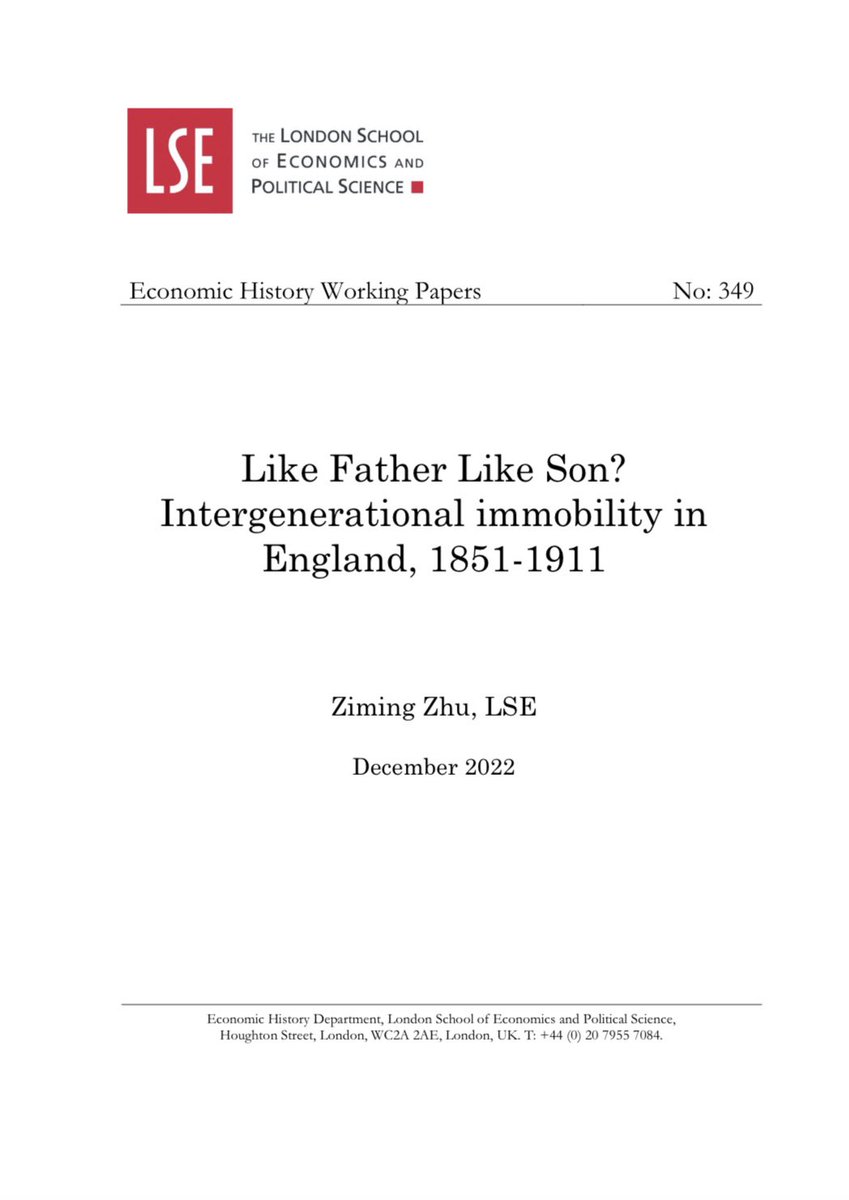
Pleased to announce that my paper “Like Father Like Son? Intergenerational Immobility in England, 1851-1911” is now available online in FirstView at the Journal of Economic History website. Abstract in thread.
@EconHistAssoc@LSEEcHist
https://t.co/EQSwwzNIJ4
Victorian England was therefore a society of limited social mobility. The long-run evolution and international comparisons of social mobility in England are discussed. (4/4)
Instrumenting one measure of the father’s outcome with a second measure of the father’s outcome raises the intergenerational elasticities (β) of occupational status from 0.4 to 0.6–0.7. (3/4)
Pleased to announce that my paper “Like Father Like Son? Intergenerational Immobility in England, 1851-1911” is now available online in FirstView at the Journal of Economic History website. Abstract in thread.
@EconHistAssoc@LSEEcHist
https://t.co/EQSwwzNIJ4
I find that conventional estimates of intergenerational elasticities are attenuated by classical measurement error and severely underestimate the extent of father-son association in socioeconomic status. (2/4)
This paper uses a new linked sample constructed from full-count census data of 1851–1911 to revise estimates of intergenerational occupational mobility in England. (1/4)
Had a blast presenting my poster on the geography of intergenerational mobility in Victorian England, which shows a north-south divide in occupational mobility, yesterday evening to many brilliant economists at @RES2024 Annual Conference.
Photo credit: @Eoin2319
Many congratulations to our colleague Professor @Chris__Minns (@LSEEcHist) who has been made a Fellow of the Academy of Social Sciences! Fellows of the Academy are elected for their substantial contributions to social sciences.
Nice to see this out as a working paper. A first run at what will be a lifelong project: can we learn lessons from history? Under what circumstances? @benmschneider@LSEEcHist#EconTwitter#econhist
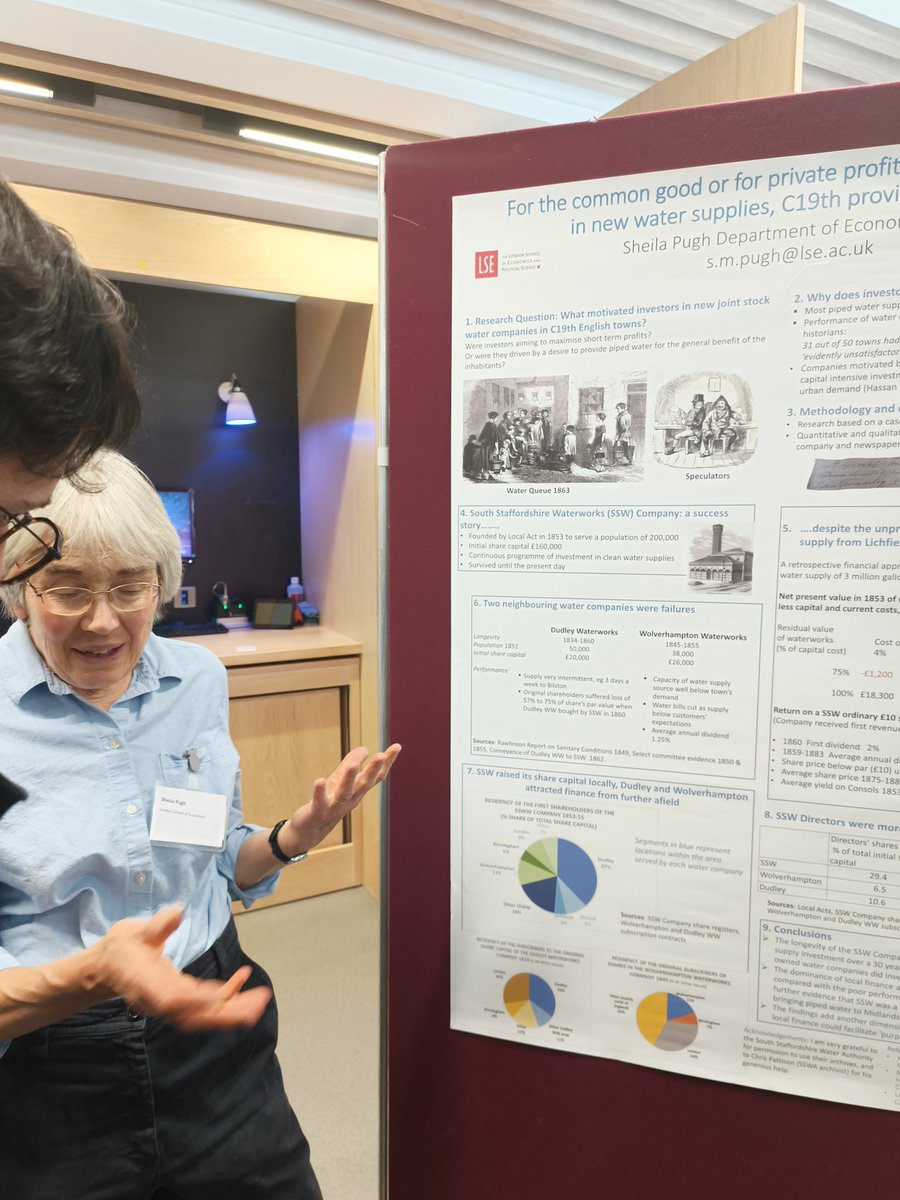
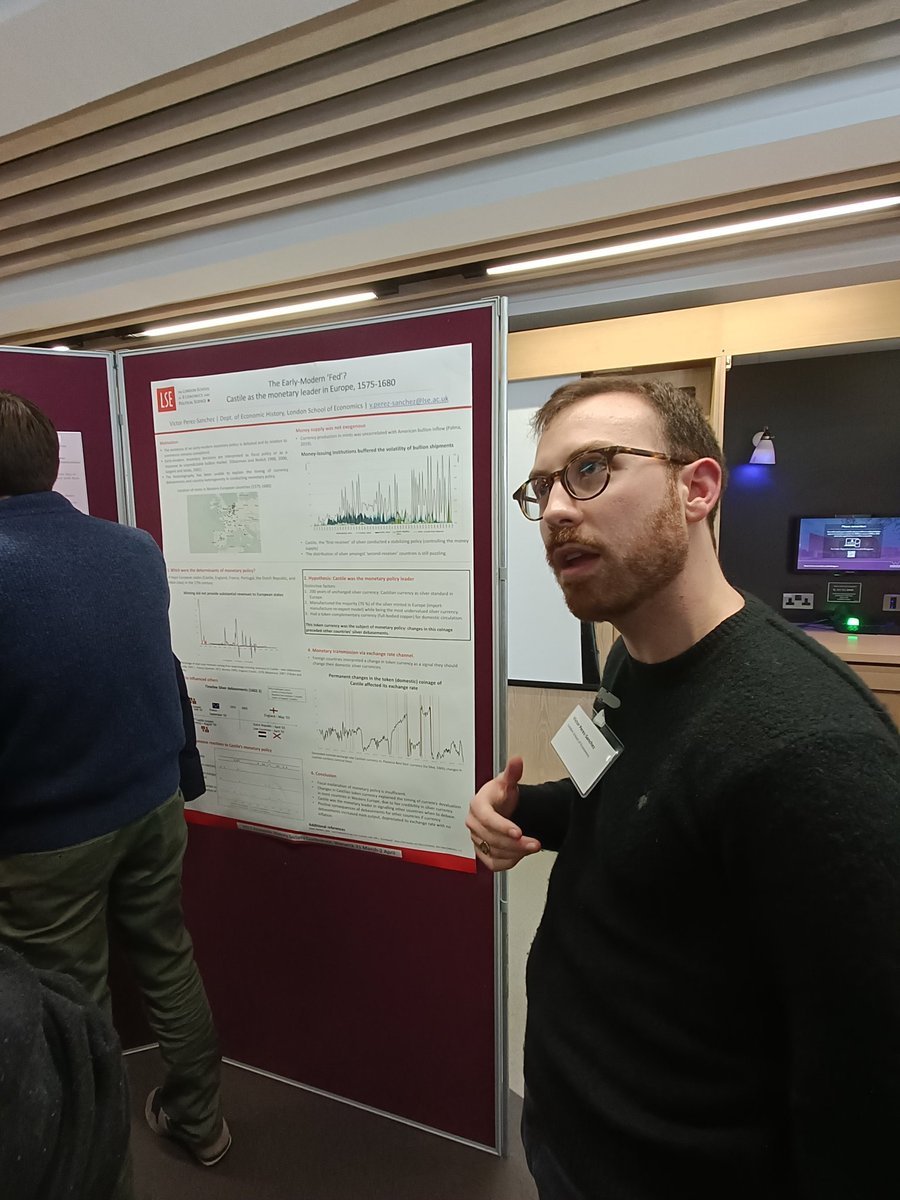
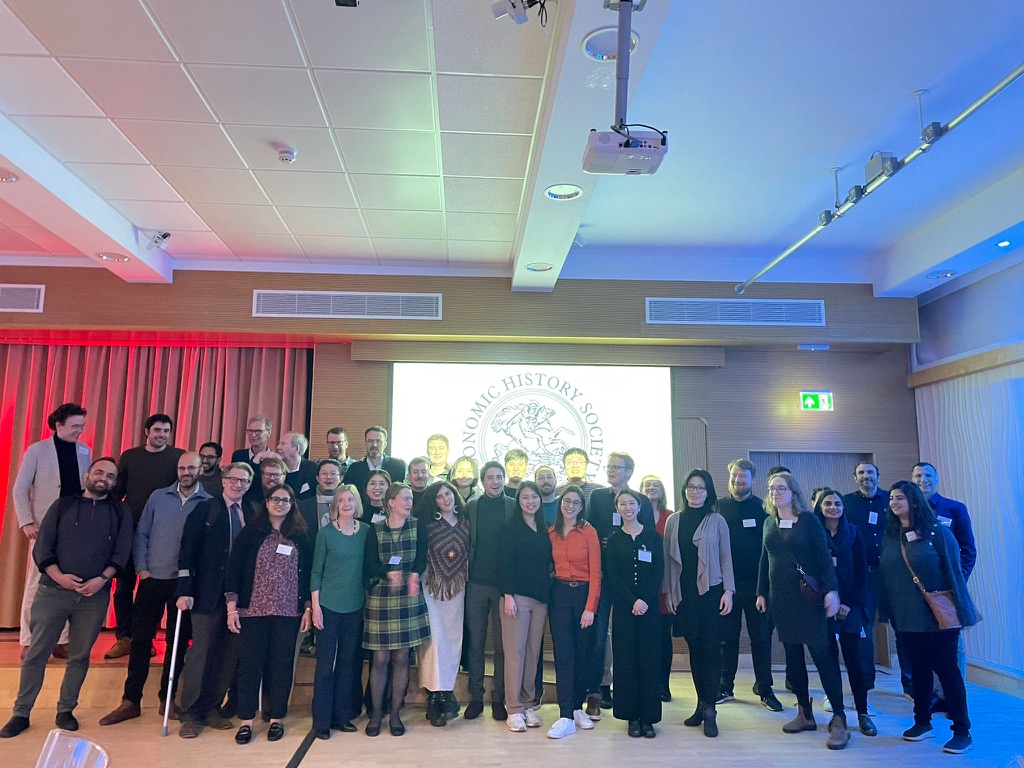
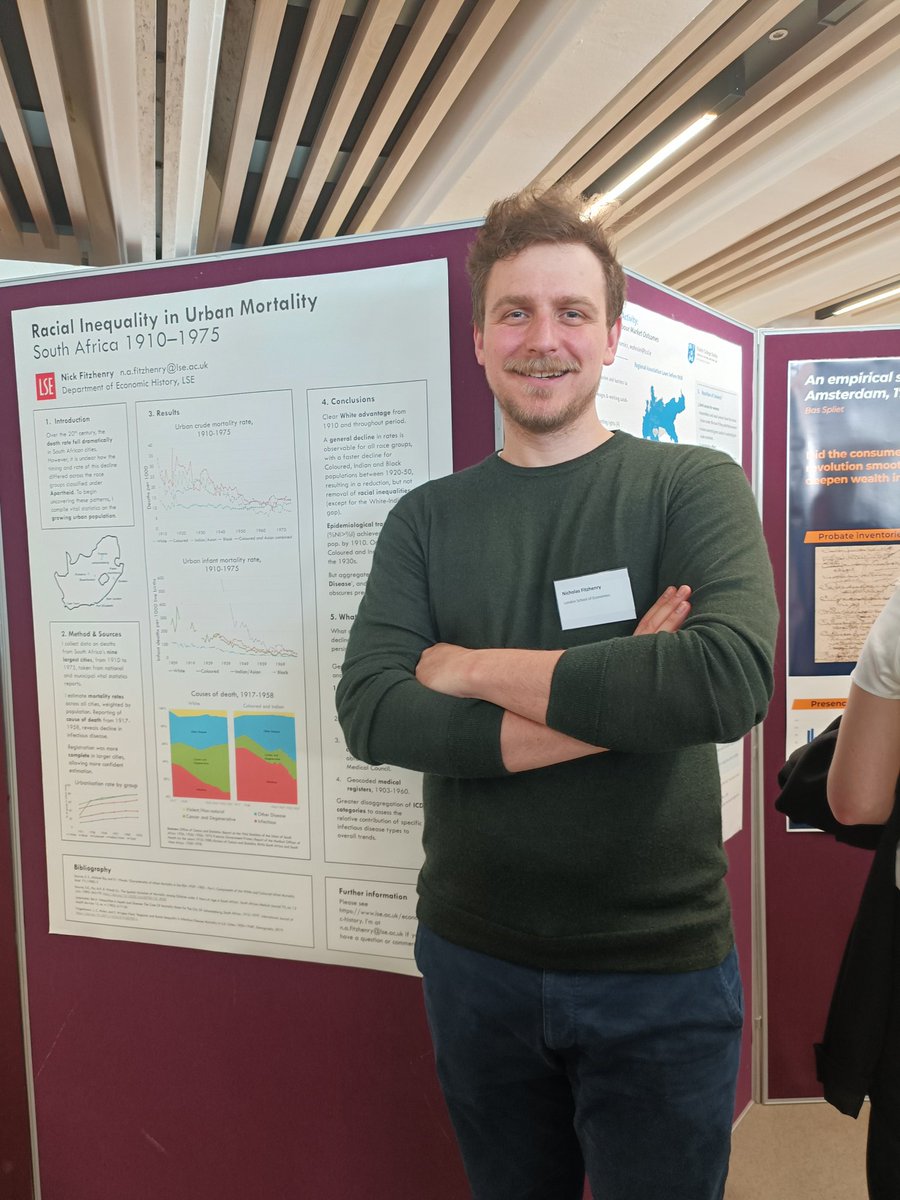
@vperezsanchez1, @ZimingZhu7, @NickArtFitz and Sheila Pugh discussed their research on monetary policy, occupational mobility, social inequality and investment behaviour at the New Researcher Poster Session on 1 April. (3/5)
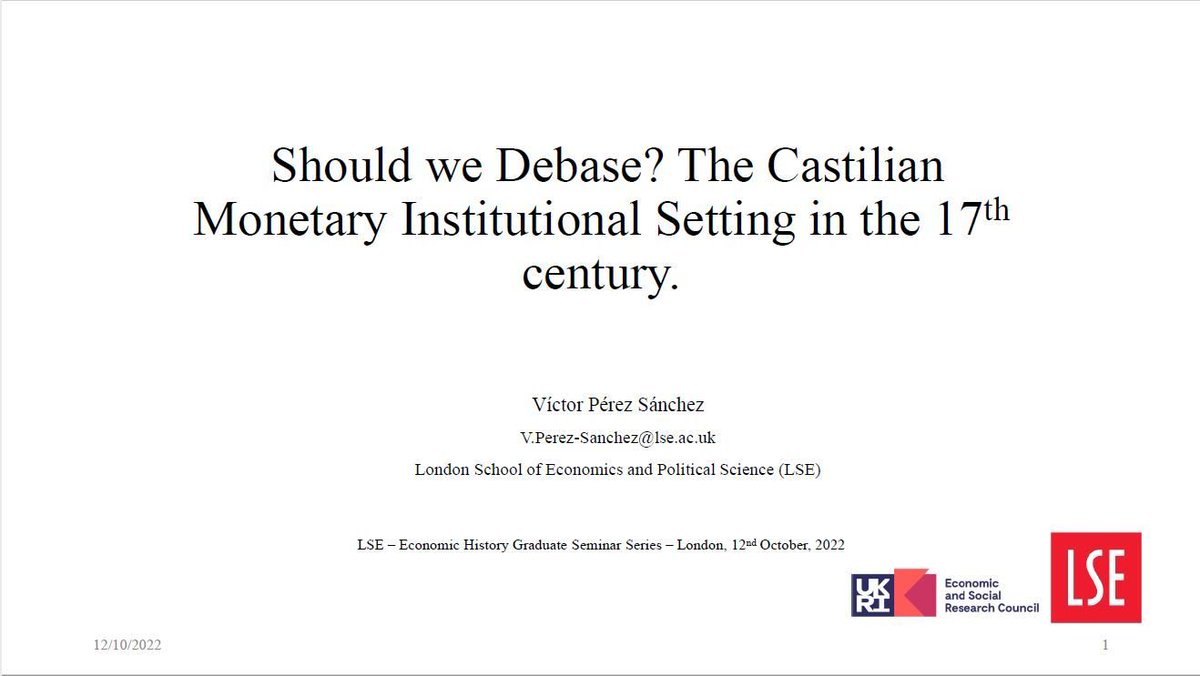
In a recent seminar 📽📊, our PhD student @vperezsanchez1 presented his research on Castille’s 17th-c. monetary policy, specifically its decision — when the kingdom was the largest recipient and minter of American silver 🪙— to issue a low-value copper coin: The Vellon. (🧵1/5)
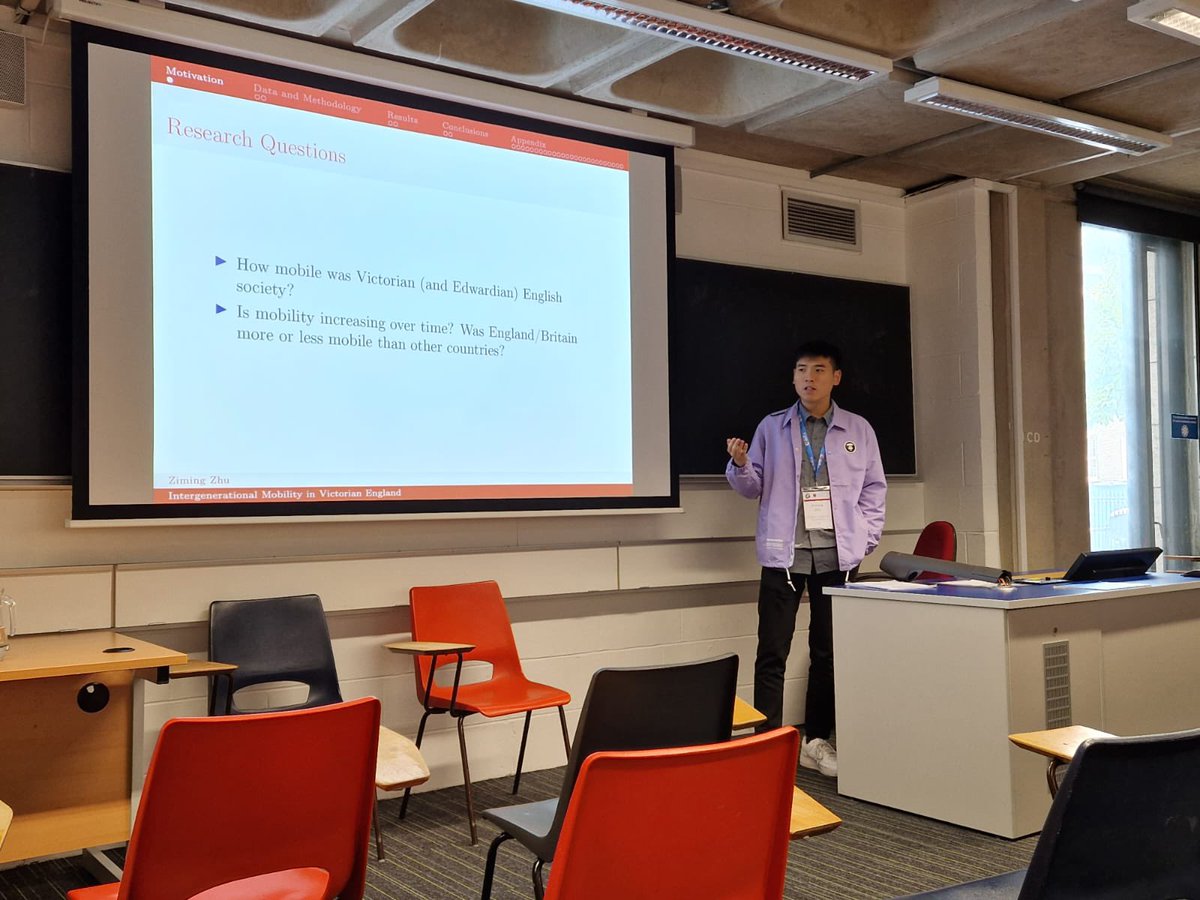
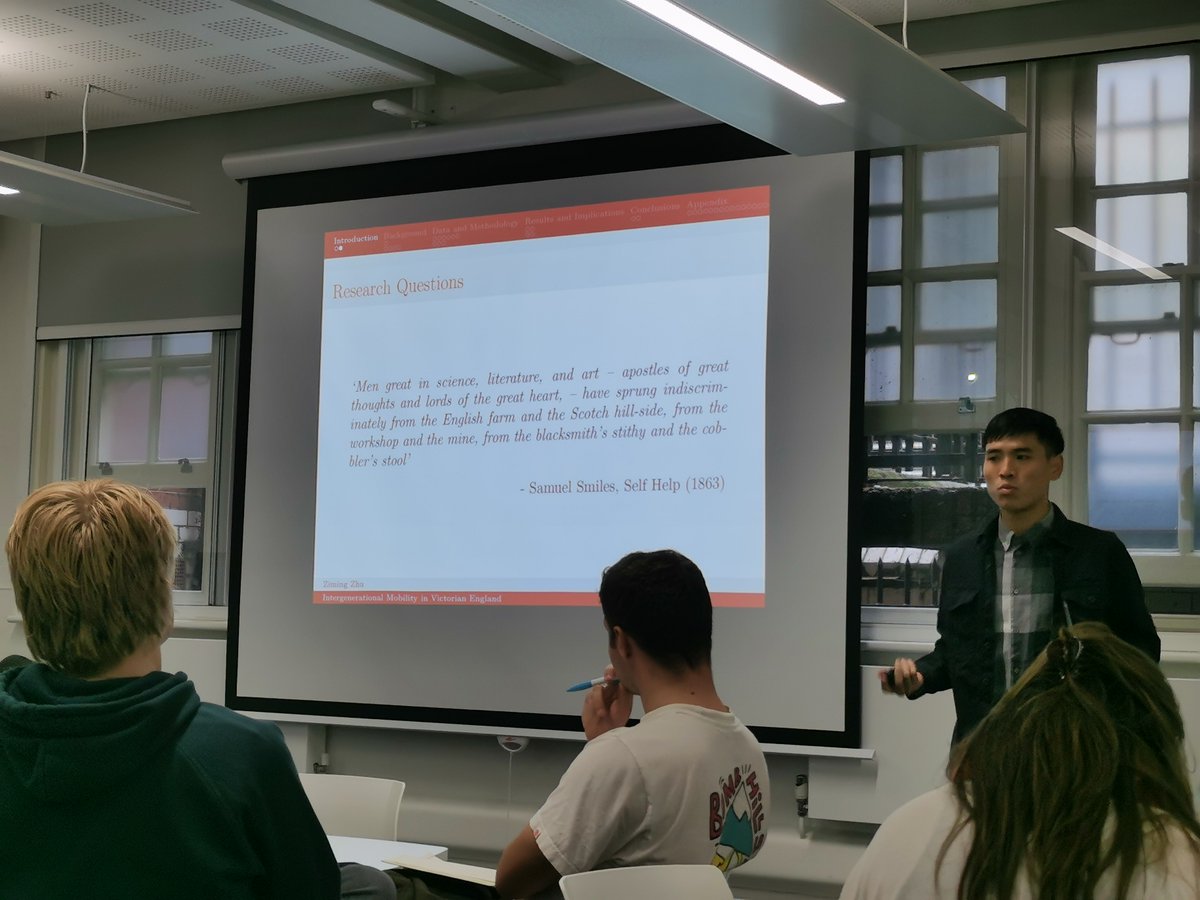
What are the limitations of traditional estimates of intergenerational social mobility? In today’s graduate seminar, @ZimingZhu7 (@LSEEcHist) presented his revised estimate of intergenerational occupation mobility in Victorian England. (🧵1/6)