GARLIC FARMING FOR BEGINNERS: EVERYTHING YOU NEED TO KNOW TO GROW SUCCESSFULLY
Garlic might be small, but it holds big power, both in the kitchen and in the field. Whether you’re a complete beginner or a small-scale farmer looking for a high-value crop, garlic farming is a smart, sustainable, and surprisingly simple venture that can generate reliable income with the right knowledge and commitment.
If you've ever thought of growing a crop that doesn't get destroyed by every pest, doesn't need constant attention like tomatoes or cabbages, and still earns well in the market — then garlic is a perfect match.
Let’s walk together step-by-step into the world of garlic farming, and you’ll realize just how manageable and profitable it can be.
WHY GARLIC?
Garlic is more than just a spice — it’s a powerful medicinal herb, a kitchen essential, and a high-demand product in both fresh and processed form. From supermarkets to traditional healers, hotels to households, garlic is always in demand. You don’t need large land to make a profit, and with the right technique, one harvest per year can yield big returns.
On top of that, garlic has a longer shelf life, is less prone to disease than many other crops, and thrives in many climates with basic management.
GETTING STARTED: LAND & CLIMATE NEEDS
Garlic loves cool to moderate climates. The ideal growing temperatures are 10°C to 25°C, especially during the early growth stages. It doesn’t do well in areas that are too hot or too wet. That means planting during the cool season or dry season with irrigation gives the best results.
The best soils for garlic are well-drained loamy soils with a neutral to slightly acidic pH (around 6.0–7.0). If your soil holds too much water, it will cause your garlic bulbs to rot underground — a common beginner mistake. Raised beds, ridges, or well-tilled fields are key.
Before planting, prepare your land early. Plough deeply, add well-rotted manure or compost, and remove weeds. Garlic is sensitive to poor soils, so enrich the land to give your bulbs a strong start.
PLANTING MATERIAL: USE HEALTHY CLOVES
Garlic is not grown from seeds like many crops — it’s propagated from cloves, which are the small segments of a garlic bulb. Each clove you plant becomes a full garlic bulb at harvest.
Choose healthy, disease-free bulbs from a reputable source — don’t use supermarket garlic, especially the imported kind, as some are chemically treated to prevent sprouting.
Before planting, split the bulbs into individual cloves, keeping the outer skin on. Only plant the biggest cloves — they give the biggest harvest. Small cloves can be eaten or discarded.
PLANTING: THE RIGHT WAY MATTERS
Garlic is usually planted 2–3 weeks before the rainy season starts or in the cool months of the year if you’re using irrigation.
Plant each clove pointed side up and about 2.5–5 cm deep, with spacing of 10 cm between plants and 20–30 cm between rows. Don’t plant too close — garlic needs space to develop big, healthy bulbs.
Water lightly after planting and keep the field moist but not wet.
MANAGEMENT: FEEDING, WATERING & WEEDING
Garlic is not as demanding as other crops, but it loves attention early on. Here's how to manage it:
Watering: During germination and early growth, water regularly — but reduce frequency once bulbs start forming. Overwatering can lead to bulb rot.
Feeding: Apply compost or organic manure at planting, and top-dress with nitrogen-rich fertilizer (like urea) during the early leaf development stage. Once bulbs start swelling, switch to potassium-rich fertilizers to encourage bulb growth.
Weeding: Keep the field clean, especially in the first 6–8 weeks. Weeds compete for nutrients and attract pests.
Mulching is highly encouraged — it suppresses weeds, retains moisture, and keeps the soil cool.
DISEASES & PESTS
Garlic is relatively resistant to pests and diseases. However, a few things can still go wrong:
White rot: A common fungal disease that affects the bulb. Use clean planting material and avoid overwatering.
Downy mildew: Affects leaves during wet conditions.
Thrips: Tiny insects that suck leaf sap — can be controlled with neem extract or approved insecticides.
Tip: Always rotate your garlic crop — don’t plant it in the same spot every season to reduce disease buildup in the soil.
MATURITY & HARVESTING
Garlic matures in about 4 to 5 months after planting, depending on the variety and climate. You’ll know it's ready to harvest when:
The leaves start turning yellow and drying from the bottom up.
The plant begins to fall over.
You can dig a sample and check the bulb size.
Harvest by gently lifting the bulbs — do not pull them by hand, as this can damage the bulbs or leave some behind.
CURING, STORING & SELLING
After harvesting, don’t rush to sell your garlic immediately. First, it needs to cure (dry) properly to harden the skins and increase shelf life.
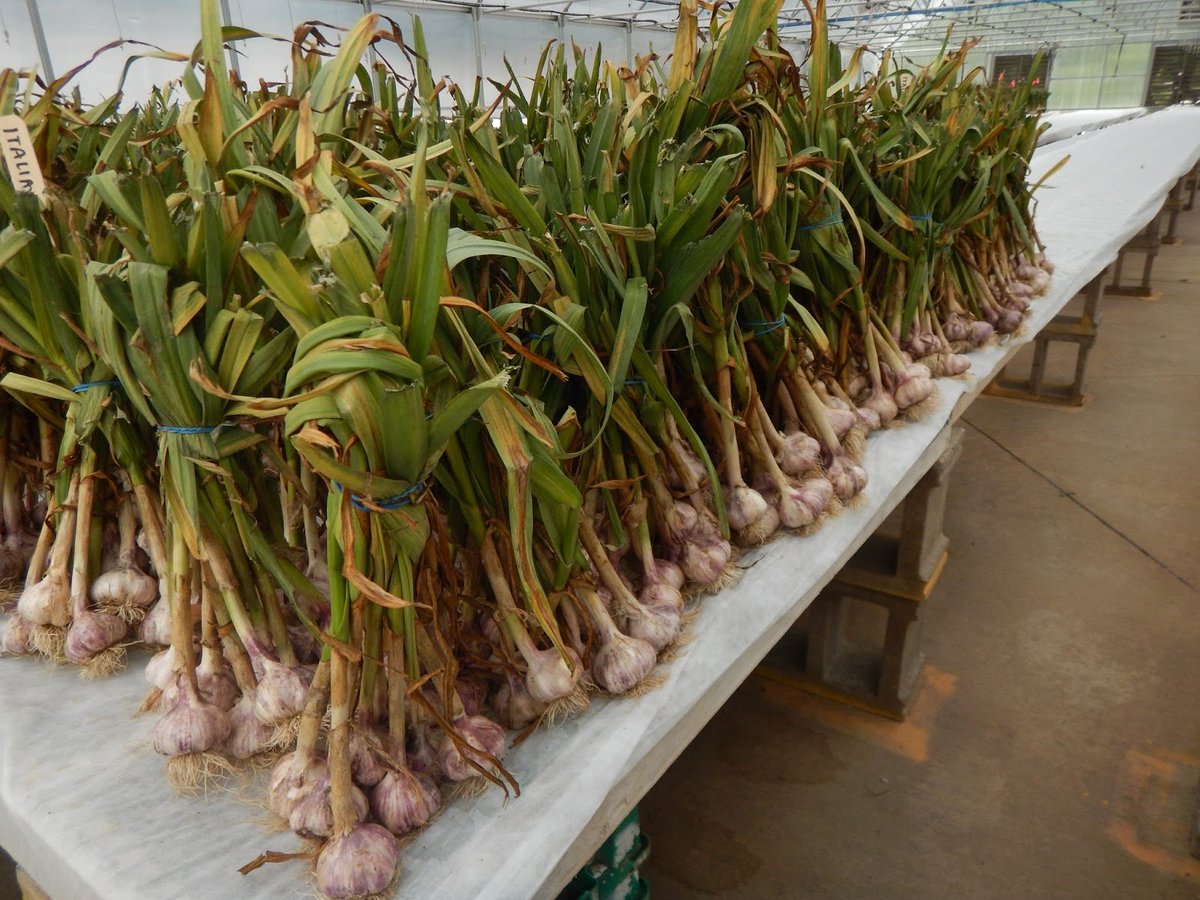
Cure the garlic by tying it in bundles and hanging in a dry, shaded, and well-ventilated area for 2–3 weeks. Once cured, trim the roots and stalks, clean off excess soil, and sort the bulbs by size.
Store your garlic in a cool, dry room — not in plastic bags or sealed containers. Properly cured garlic can last 5–6 months or longer in good conditions.
You can sell garlic fresh, process it into garlic powder, garlic paste, or even package it attractively for supermarkets and health food stores.
COMMON MISTAKES TO AVOID
Using poor-quality planting cloves
Overwatering during bulb formation
Planting in heavy, waterlogged soils
Poor spacing that leads to small bulbs
Skipping the curing stage before storage
Farming is about precision and patience — garlic rewards those who follow the right steps.
FINAL WORDS: SMALL FARM, BIG VALUE
If you’re looking for a crop that’s easy to manage, profitable, doesn’t need daily spraying, and is always in demand, garlic should be on your list.
Start small, even a small backyard plot or 1/8th of an acre can give you hundreds of bulbs. As you learn and gain confidence, you can scale up, enter new markets, and diversify into value addition.
Garlic farming doesn’t require luck, just the right knowledge, timing, and consistency.
So, are you ready to start growing garlic the smart way?