1. First, diving into @0xSero's inspired Setup, Here's what I implemented:
* Usage of channels for system prompts & cron outputs.
* Using Threads as sessions per specific channel
* Configured Gemini flash 3 for the heartbeat.
* Using codex as the main "Coding agent" (Huge).
I remember using tools such as Certora when i used to be a Smart contract security researching translating decentralized business logic code into mathematical proofs, it feels so refreshing that Formal Methods are getting more recognition now
Many people are wondering about formal methods education now that it's hot. We've been playing the long game at BrownCS: courses, books, tools, research… Here's a summary of what we have, to help students who want courses and companies who want employees!
https://t.co/Up8Snau55m
@dabit3 https://t.co/nbCWP0nkjw
i wrote about the same ideology on my blog about Goal-Oriented Cybernetics shift! I’d love for the peeps to give it a read and share what you guys think, i’m building the components mentioned in the article.
@jeffrschneider@hwchase17@mgarimella which is why this is still a topic of discussion Jeff, it seems like you’ve missed the point where the agents would constantly require your feedbacks for it to act based off of your preferences, the real question is what does it look like when your concern has been mitigated?
@TomasMann1878 Hey Tom! i don’t come from an academic background either, ive made the decision to become a Research engineer realising how it resonates with what young-me wanted to do growing up,
I just had a couple of questions:
how’d you start? Did you take any ML course or DL course
Thanks!
I believe that this sort of learning approach should be more normalized, i call it the “Blackbox” method, treat the concept as a blackbox, know the inputs and outputs (outside the box), once you wanna know more of the “why?” that’s when you pull more from the “black box”
I got this cold email today about what I'd teach kids interested in web development and programming. I figured I'd share my full response here in case it helps others:
—
Learning to create software today is a glass half full / half empty situation. You can be optimistic or pessimistic.
It is strange and transformative that we no longer write most code by hand. AI has completely changed how software is built. I expect this to change even more dramatically in the coming years, as entirely new programming languages¹ are invented² and adopted. One person might look at this and be pessimistic: what will these computer scientists and programmers do, as AI continues to become superhuman in its intelligence?
But the wiser of the bunch will realize there is much to be optimistic about. Those with the agency³ to create and explore their wildest ideas have unlimited power. There has quite frankly never been a better time in the history of humanity to have good ideas⁴. So my advice for those building at summer camps is simple. You have to hone and craft your "idea machine". You are going to have lots of bad ideas, but you'll get better at coming up with ideas and refining your taste so you can recognize and act on great ideas sooner. People at summer camps will spend less time reading CS tutorials and more time thinking about the fun or interesting things they want to exist in the world.
My favorite way of teaching and getting people interested in software is to first help them build something they are excited about. When they hit roadblocks that require a deeper understanding of a CS concept or something related to web development, only then do we take the time to explain what it is and how it solves their problem. Starting this way, at least for me, seems to get people hooked faster than needing hours and hours of prereqs. There's more desire to spend time learning the fundamentals after having the "aha!" moment. It's worth checking out some skills⁵ designed to help encode the best practices for teaching and then plop that into a coding agent or your AI tool of choice and give it a task: teach me about how databases work (or similar). It's pretty great.
It's also worth remembering that AI models today are the worst they will ever be. You need to learn how to be even more ambitious⁶ with what you ask them.
Good luck!
—
¹ https://t.co/EJvxbBsgEQ
² https://t.co/T0r3rDoVZ4
³ https://t.co/fDgwaTxdYb
⁴ https://t.co/Dec7Y4RUgd
⁵ https://t.co/fmDkY3fEjK
⁶ https://t.co/sgXRTDthBk
During pre-release testing, Claude Fable 5.2 and Claude Mythos 5.2 worked on ambitious projects in many different fields. Here are a few.
From a one-paragraph prompt, Fable 5.2 designed three working electronic devices, including this home voice assistant hub.
@barsoapang don’t listen to the other bots in the comments, i would say that if you genuinely believe in your product? go all in, at the end of the day it’s your own limiting belief that’ll stop you from doing anything or reach anywhere, it’s okay to feel pressured
14/ In the next write-up I'll talk more about the actual build, the evaluations that I'll write, and the components I've chosen based on this mental model.
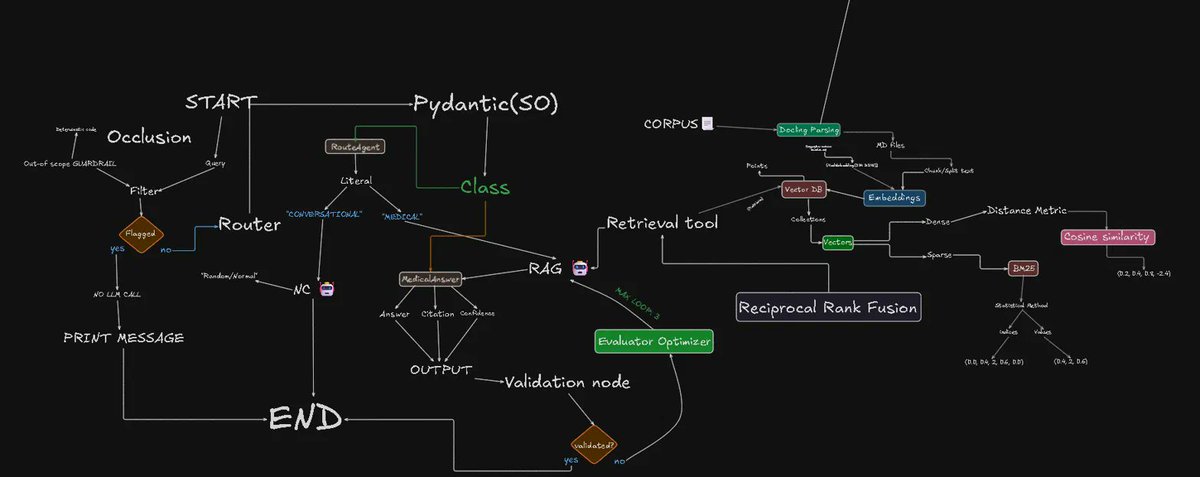
((couple of mindmaps from past projects):)
13/ The answers to these questions and assumptions will directly shape the architecture, further expanding my thoughts as to how I can select any of the components mentioned.