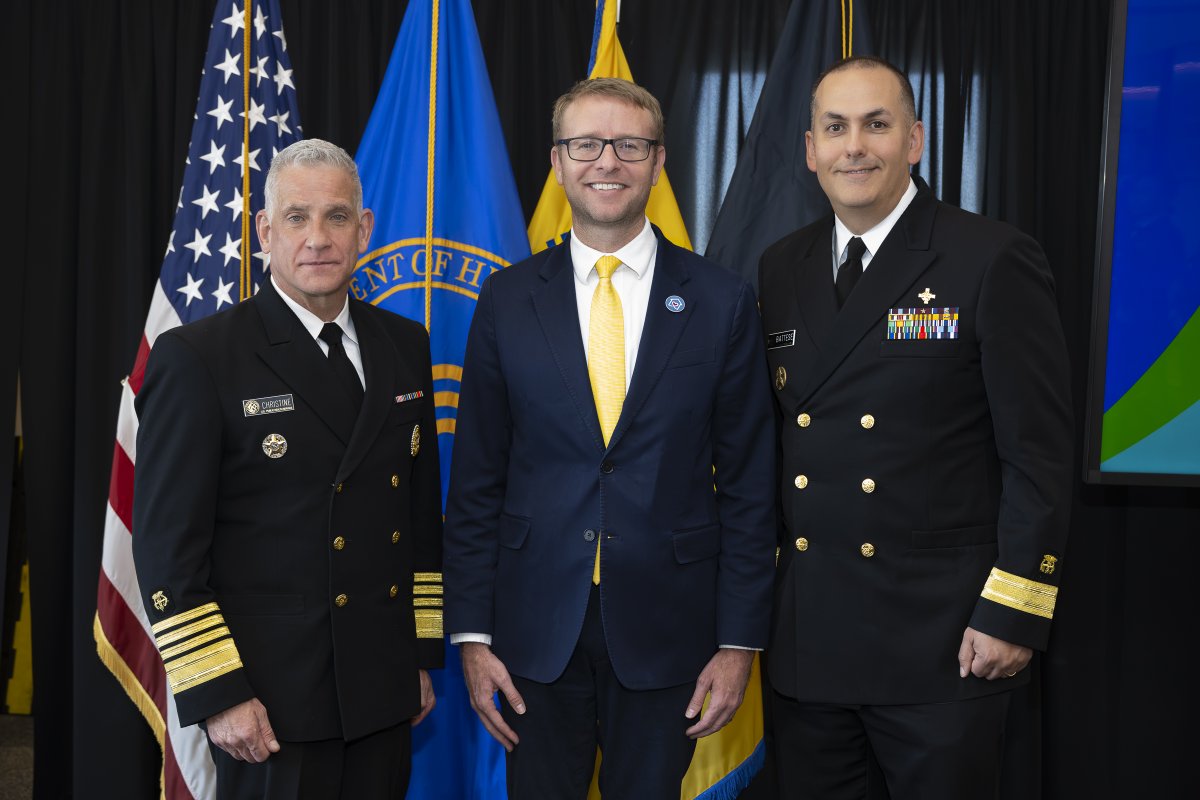
In recognition of American Pharmacists Month, HHS leaders @ADM_Christine , @ACF_Adams & RADM Kelly Battese joined @usphscc pharmacy officers to discuss pharmacy priorities, including the benefits of standard-of-care regulatory models that help expand access and improve health outcomes for the American people.
So indpendent pharmacies that supported #PBMReform over the summer received "an unsual surge" in audits after a summer session markup of the Pharmacists Fight Back Act. Interesting. Rep. Comer is asking questions. Hopefully he gets answers. | @FierceHealth
https://t.co/apIUUWk26z
Two bipartisan Senators are calling on the FTC to finish it's investigation into #PBM practices. We've seen two interim reports (one in 2024 and one in 2025) but the final report with recommendations needs to be completed. | @ChuckGrassley
https://t.co/1uGbvliOWc
#PBMReform without enforcement is not helpful. This attorney's explanation of what #PBMReform is working on the state level brings up some interesting points. | @Drug_Topics
https://t.co/XEcfqhJ6CW
Michigan independent pharmacies are closing and everyone of them blames low reimbursement from #PBMs as the main cause. | @FOX17
https://t.co/MpUlDVQldR
This New York #PBMReform bill would help independent pharmacies. #PBMs say the bill would increase costs, but similar bills in other states have shown the opposite, with $15 million in savings for Georgia. | @SPECNews1BUF
https://t.co/M1KJms2MQw
Registration is now open for APCI's November Webinar: ResolveRx in OneQ with Darlene Trimble from APCI’s Clinical and Claims Management service.
Darlene will explain how claims and remittances connect, compare the original APCI website screens with OneQ, then move into a live demonstration of ResolveRx in OneQ.
📅 Tuesday, November 10, 2026
🕛 Noon CT / 1 p.m. ET
Space is limited, so register today!
https://t.co/9BApsTQIx8
Please note: APCI website login required for registration
This new independent pharmacy in Ohio merged two locations into one and is offering vaccinations to a community that needs that service. | @wytv
https://t.co/3baQRECAGT
In Case You Missed It:
Are TRICARE’s pharmacy policies delivering savings while protecting military families’ pharmacy choice?
APCI’s latest Insights report examines federal audit findings, mail-order costs, cuts to the retail pharmacy network, and explains why Congress should require a full accounting.
Click here to read the report: https://t.co/DqXm6XYEMH
Are TRICARE’s pharmacy policies delivering savings while protecting military families’ pharmacy choice?
APCI’s latest Insights report examines federal audit findings, mail-order costs, cuts to the retail pharmacy network, and explains why Congress should require a full accounting.
Click here to read the report: https://t.co/xiHLzm2b7y
Prescription Drug Affordability Boards were developed to address high prices on prescription drugs, but their design has not translated to lower prices for consumers. Check out this deep dive on the issues with PDABs.
https://t.co/utZTeXa3yg
APCI Members: Medicare Open Enrollment is now open. Is your pharmacy ready?
APCI has a new collection of Medicare Part D marketing materials to help you promote your pharmacy’s services and remind patients that they can turn to you with questions about their Medicare coverage.
Visit our new Medicare Open Enrollment marketing materials page to see the available designs, review pricing and place your order.
https://t.co/swE3lOSrtw
When independent pharmacies close, patients lose out on a source of compounded prescriptions. Chains don't usually compound medications like an independent pharmacy can. | @wyffnews4
https://t.co/oDqEvljHdX
Pennsylvania's AG filed a lawsuit against manufacturers and #PBMs, accusing them of colluding to drive up the price of insulin. This joins several other states who have filed similar lawsuits. | @abc27News
https://t.co/QvJ5llc7VJ
Unfair #PBM practices are driving independent pharmacies out of business in Michigan. More evidence for the need for #PBMReform now. | @Local4News
https://t.co/R6km4Yk5ie
Tomorrow is the day for APCI's monthly webinar, Effective PBM Audit Appeals. Join us tomorrow, October 14 as APCI's own Jessica Cain will discuss ways to appeal PBM audit findings effectively. Seats are limited so register now!
Login to the APCI website is required.
https://t.co/MRMlP2sXsl