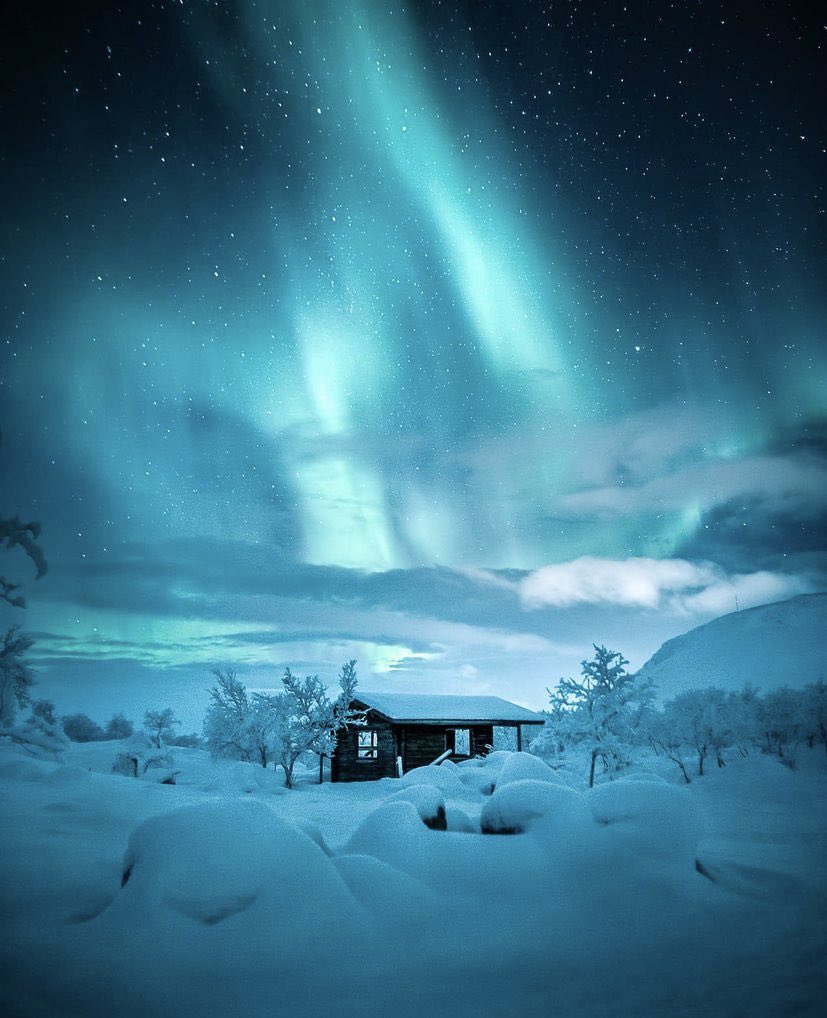
Using a camera mount that tracks the Milky Way, photographer Eric Brummel produces mesmerizing and thought-provoking time-lapses, revealing our home planet's movement through space.
There are no stationary objects in the Universe: even our Solar System is moving not only around the center of the Galaxy (828,000 km/h) but also relative to its nearest stellar neighbors (70,000 km/h)
[🎞️ starwalkapp]
https://t.co/3gFidnt79m
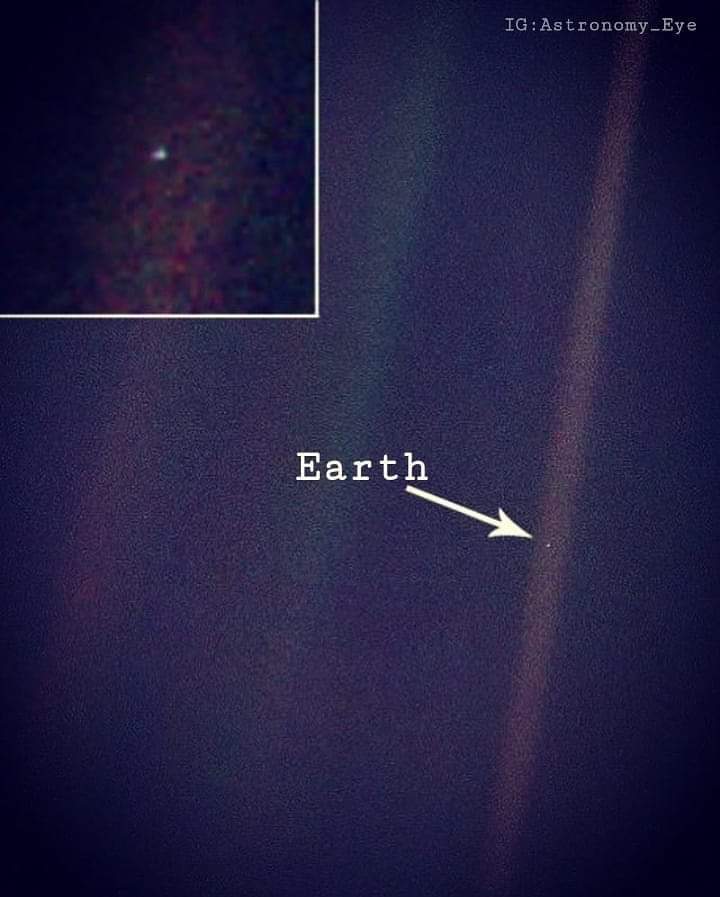
An image of the earth 🌎 taken from the probe Voyager 1 🛰 as it was leaving the solar system from about 6 billion kilometres away. It’s humbling to think that all of human history has taken place on that wonderful pale blue, fragile dot. ❤️
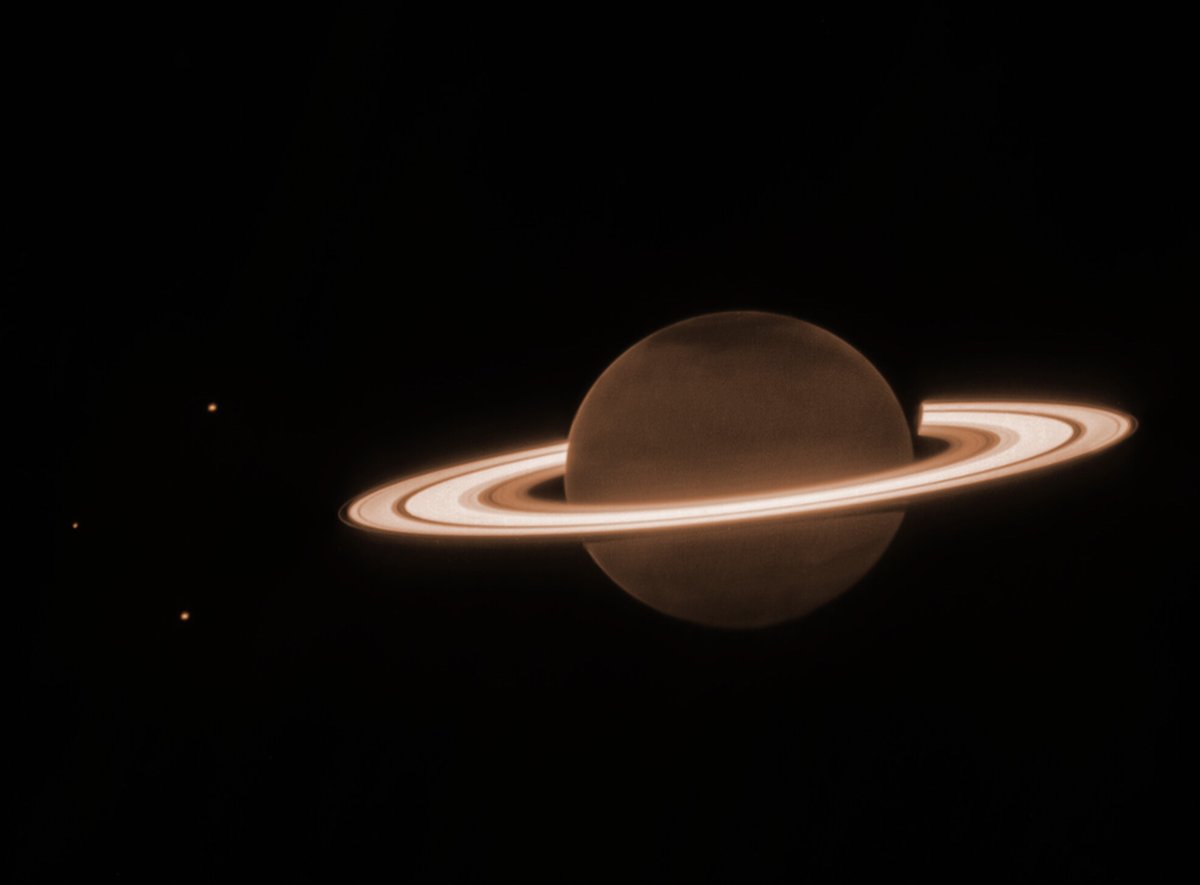
📷 This new image of Saturn from the NASA/ESA/CSA James #Webb Space Telescope, from its first near-infrared observations of the planet on 25 June, clearly shows details in the ring system along with several moons – Dione, Enceladus and Tethys👉https://t.co/P2XfjvoVbq
Happy #FourthOfJuly!
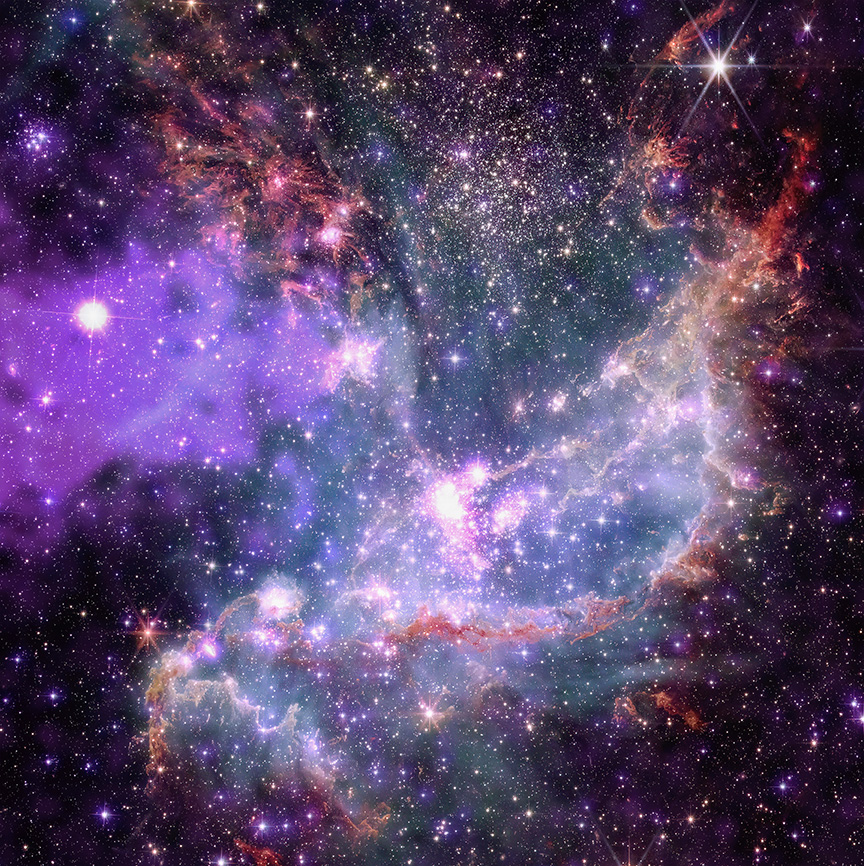
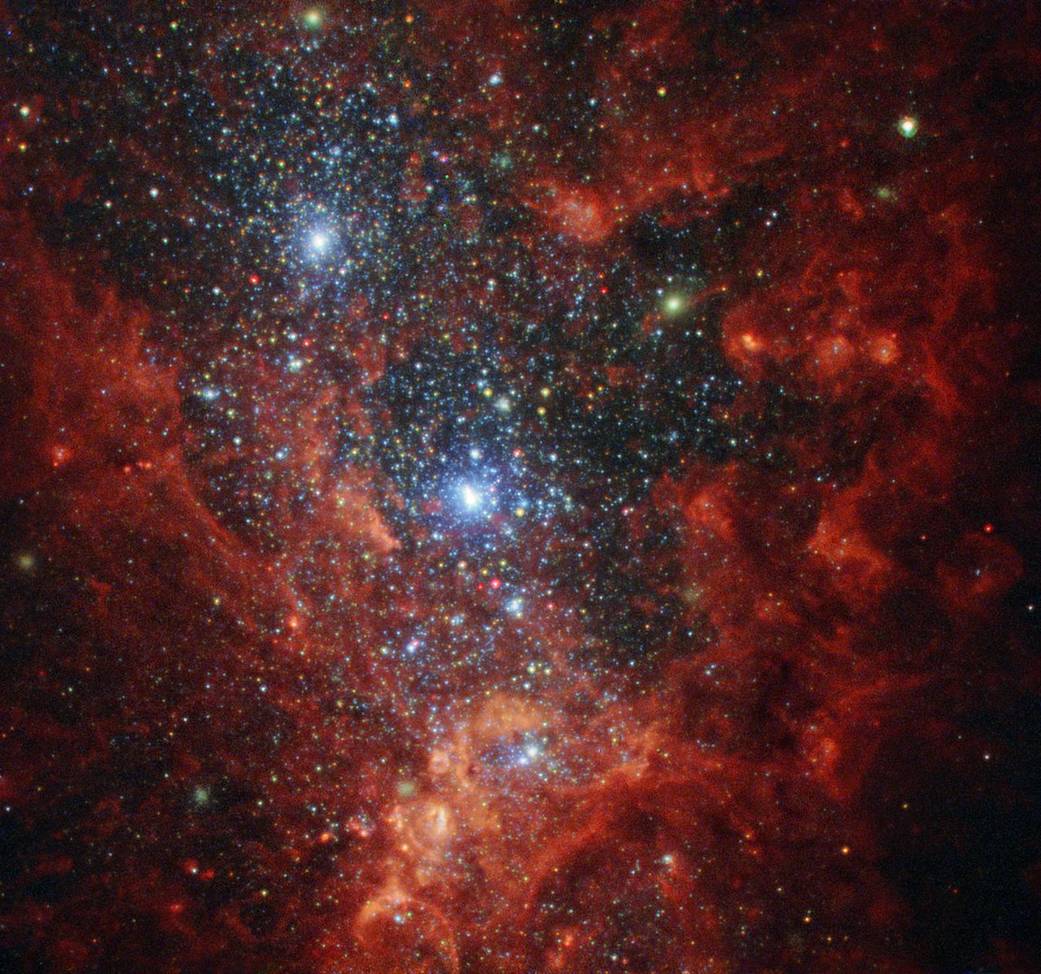
Glistening star clusters, celestial eruptions, and star-studded galaxies sure does create some of the most epic light shows of all time.
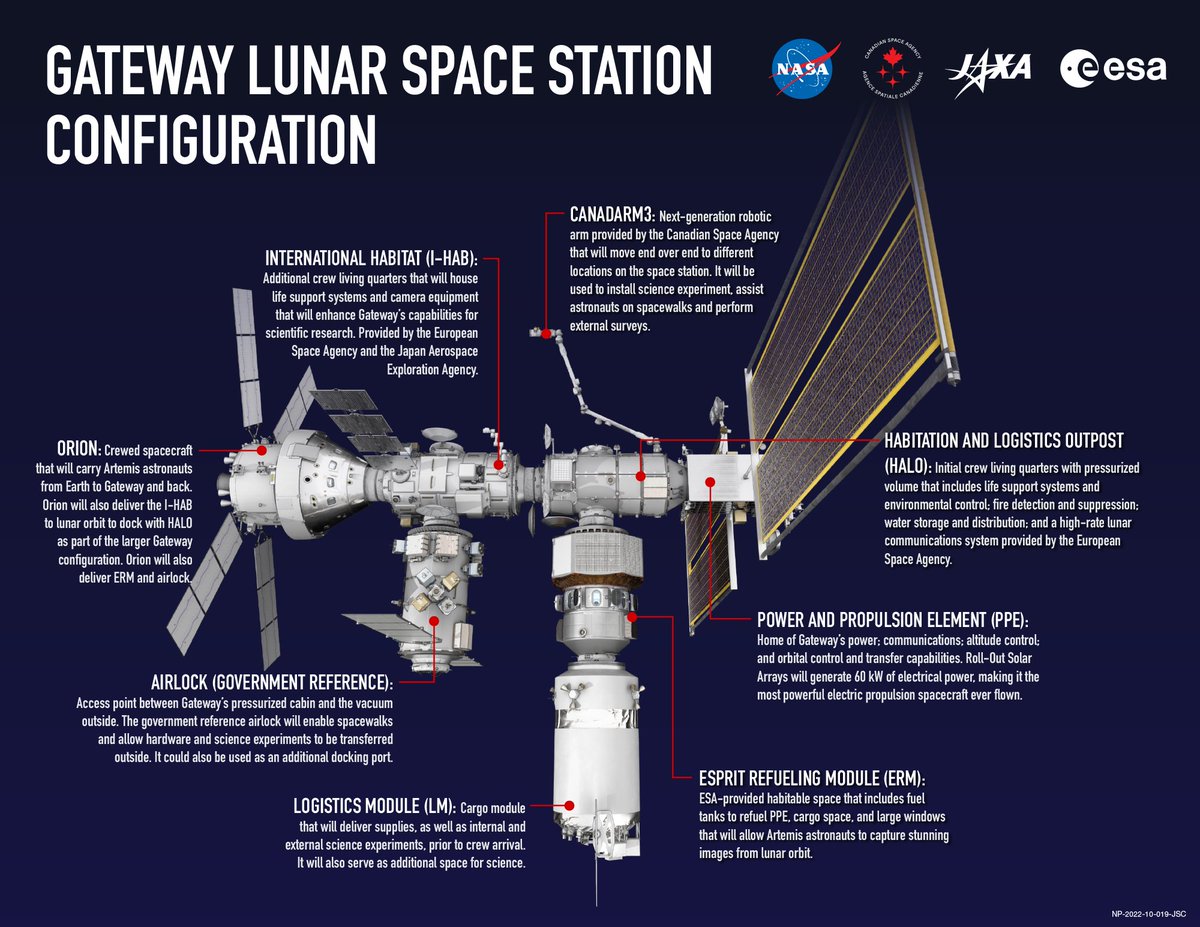
Gate·way (noun)
Definition: humanity’s first lunar space station around the Moon that will enable a long-term presence in deep space.
Learn more: https://t.co/1qSqrc52di
Each December, Geminid meteors zip across the night sky, producing one of the most intense meteor showers. Yet their origin has long been a mystery. Now, data from #ParkerSolarProbe may have uncovered how the Geminids came to be.
Learn more here: https://t.co/tijexFN0Fi