BTech Chem || Follow for topics on Oil, Chemical & Gas sector | Science Facts🤔|| 📢Ongoing content #EverydayChemistry series.💡|| All views are personal.
Hello everyone! Welcome to "Everyday Chemistry," a series dedicated to sharing knowledge on oil and chemicals that we use in our daily lives. From the ingredients in your kitchen to products in your bathroom, chemistry is all we mingle with. Don't worry, I won't cover complex concepts or use difficult technical terms. You'll learn about common substances, their properties, and their roles in our everyday routines. Whether you're curious about the science behind cooking, cleaning, or personal care products, "Everyday Chemistry" aims to make the complex world of chemistry accessible and engaging for everyone.
I personally feel chemistry is for everyone, not only for chemists. Each of us deserves to know what chemical substances we're handling or using in our daily lives. That's why I decided to start this engaging series on X. Join us on this journey as we discover how these unseen elements contribute to our health, safety, and convenience. Get ready to see the ordinary in a new light! Kindly do follow and support @_Athija_ and please turn on post notifications. Never miss it! Thanks.
#EverydayChemistry #ChemistryForAll #ChemistryInDailyLife #KitchenChemistry #BathroomChemistry #ScienceInDailyLife #Chemistry101 #SimpleScience #ChemCuriosity #ChemExplained #ChemSafety #DailyDoseOfChem #HiddenChemistry #ChemistryMatters #ChemistryEssentials #HomeChemistry #LifeThroughChemistry #ChemistryUnveiled #ScienceMeetsLife #ChemistryBasics
💡Did you know? Chemistry can explain why onions make you cry. When you cut an onion, it releases a gas called syn-propanethial-S-oxide. This gas reacts with the water in your eyes to form sulfuric acid, which irritates your eyes and makes them water.
#ChemistryFacts #ScienceIsCool #OnionTears #EverydayChemistry
🤔Did You Know?
Some animals, like the axolotl, can regenerate entire lost limbs, parts of their heart, and even portions of their brain. This incredible ability is due to their special cells that can revert to a stem-cell-like state and regrow the missing parts!
#AxolotlMagic #Regeneration #BiologyWonders #ScienceCuriosity
🤔Did You Know?
The surface of the Sun is not solid but made of plasma, and it has waves just like the ocean. These waves, called solar granulation, are due to the hot gas rising and cooler gas sinking, creating a pattern that looks like boiling water
#SunFacts#SolarGranulation #PlasmaWaves #SpaceScience #SunSurface
Did you know that there's a planet where a day is longer than a year? On Venus, it takes longer to rotate once on its axis (243 Earth days) than to orbit the Sun (225 Earth days).
#Venus#SpaceFact#Astronomy#ScienceTrivia
.
.
.
.
Follow @_Athija_ for more fascinating science facts!
🤔Did You Know?
In the Earth's atmosphere, there's a layer called the mesosphere where a rare weather event called noctilucent clouds forms. These clouds are the highest clouds in the Earth's atmosphere, appearing in the summer at high latitudes. They glow blue or silvery at night because they are made of tiny ice crystals reflecting sunlight from below the horizon.
.
.
.
.
.
#NoctilucentClouds #MesosphereMagic #NightGlow #SkyScience #AtmosphericWonders #ScienceFacts
🤔Do you know that most volcanoes are found at the edges of tectonic plates? When these plates move, they can either pull apart or push together. At divergent boundaries, magma rises to create new land, while at convergent boundaries, one plate slides under another, causing eruptions. This movement shapes our planet and is why places like the Pacific Ring of Fire have so many active volcanoes!
🤔Did you know that polar bears are nearly invisible to infrared cameras? Their thick layer of fat and dense fur helps them conserve heat, making it difficult for thermal imaging to detect their body heat! 🐻❄️🌡️
🤔Did you know? Nightmares often happen during a sleep stage called Rapid Eye Movement sleep, which is when our brains are most active. They can be triggered by stress, anxiety, or even scary movies! Scientists believe that nightmares help us process our emotions and memories, especially those linked to fear or trauma.
💡Have you ever heard of 'glow in the dark' materials? They are made using special chemicals called phosphors. When these materials absorb light, they store energy. Later, they release that energy slowly, making them glow in the dark. This is why stars on your ceiling shine even after you turn off the lights.
🤔Do you know? The world's most expensive dye is derived from a tiny sea snail! Known as Tyrian purple, this dye was historically extracted from the Murex snail and was highly prized in ancient times. It took about 12,000 snails to produce just one ounce of dye, making it incredibly rare and expensive. Tyrian purple was often associated with royalty and used to color garments for emperors and dignitaries, which is why it was sometimes referred to as royal purple.
🤔Do you know that woodpeckers have specially designed beaks that help them absorb shock while pecking? Their beaks consist of three layers: an outer keratin sheath, a middle foam layer, and an inner bony layer. This unique structure allows them to strike trees up to 300 times a minute without damaging their brains!
🤔Do you know that some frogs can survive being frozen solid? Certain species, like the wood frog, have the remarkable ability to enter a state of suspended animation during winter. When temperatures drop, their bodies produce glucose, which acts as a natural antifreeze, allowing them to survive the freezing process.
🤔Do you know? Half of the world's oxygen comes from the ocean! While we often think of rainforests as oxygen producers, tiny marine plants like plankton and seaweed are responsible for producing about 50% of the oxygen we breathe. This highlights how vital our oceans are for life on Earth!
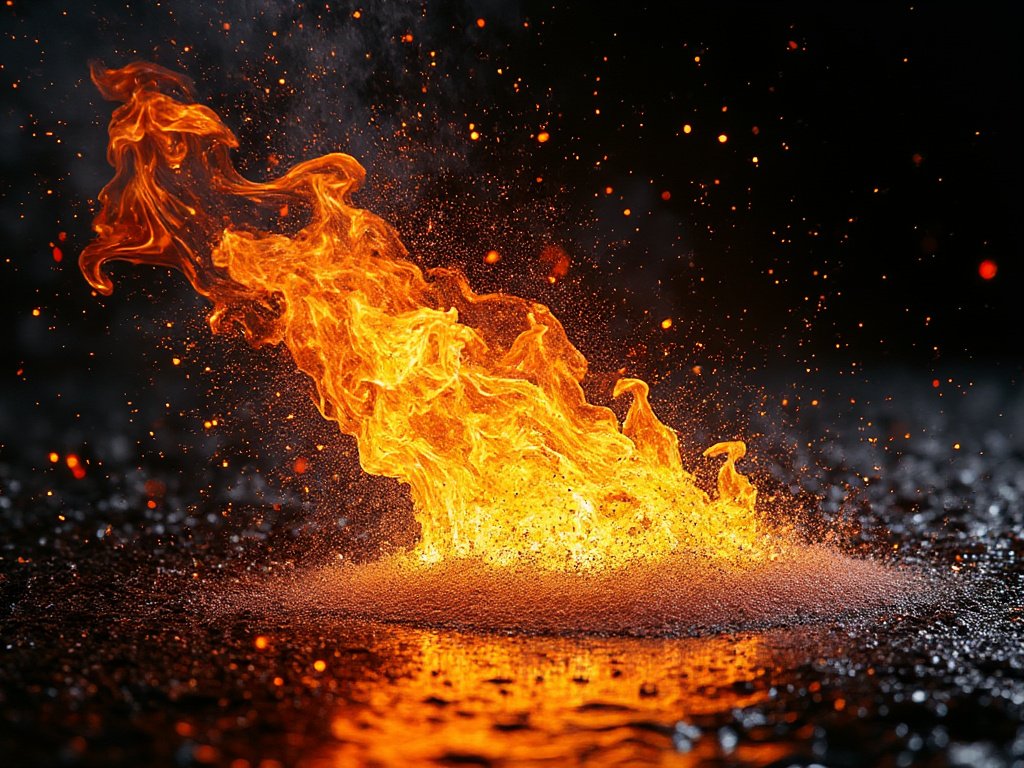
💡Did you know? Some metals can catch fire when exposed to water! For example, sodium and potassium are highly reactive with water. When they come into contact, they can create a violent explosion. This is because they react quickly, releasing hydrogen gas, which ignites and causes flames. This makes handling these metals very dangerous!
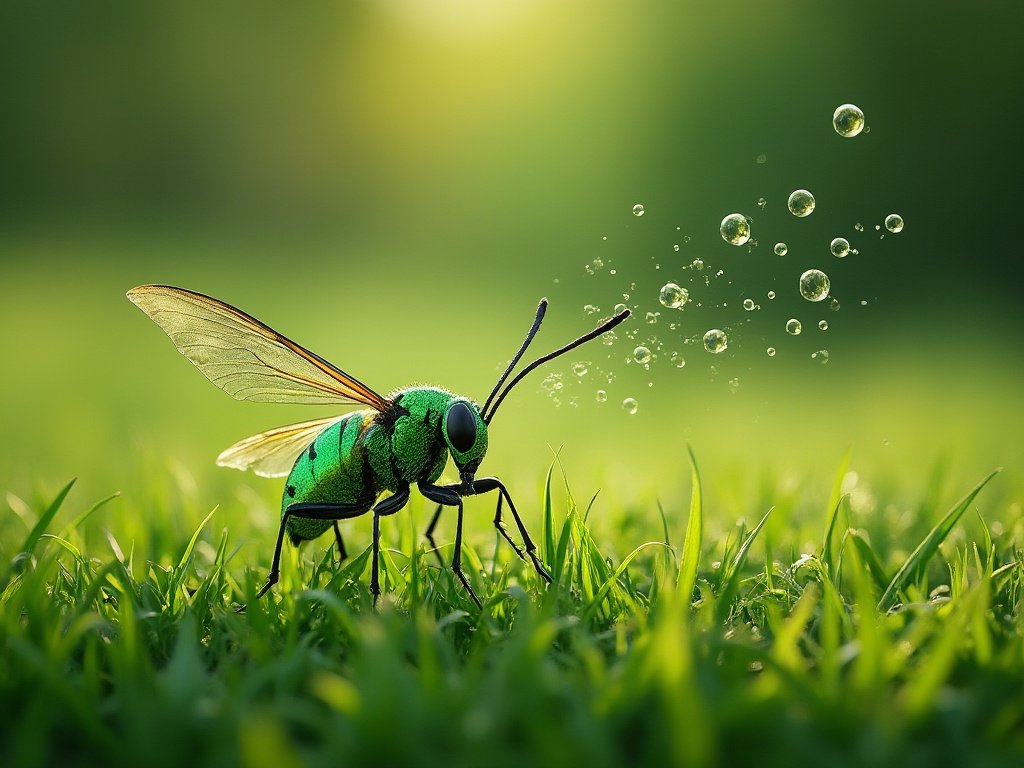
Do you know? The smell of fresh cut grass is actually a chemical compound called green leaf volatile (GLV). When grass is cut, it releases these compounds as a distress signal, which can attract predators of the insects that damage the grass. 🌱🌿
💡Did you know? Grasshoppers have ears in their bellies! Instead of having ears on their heads like most animals, grasshoppers have special membranes located on the sides of their abdomen. These membranes vibrate in response to sound waves, allowing them to hear the songs of other grasshoppers. This unique adaptation helps them communicate and find mates!