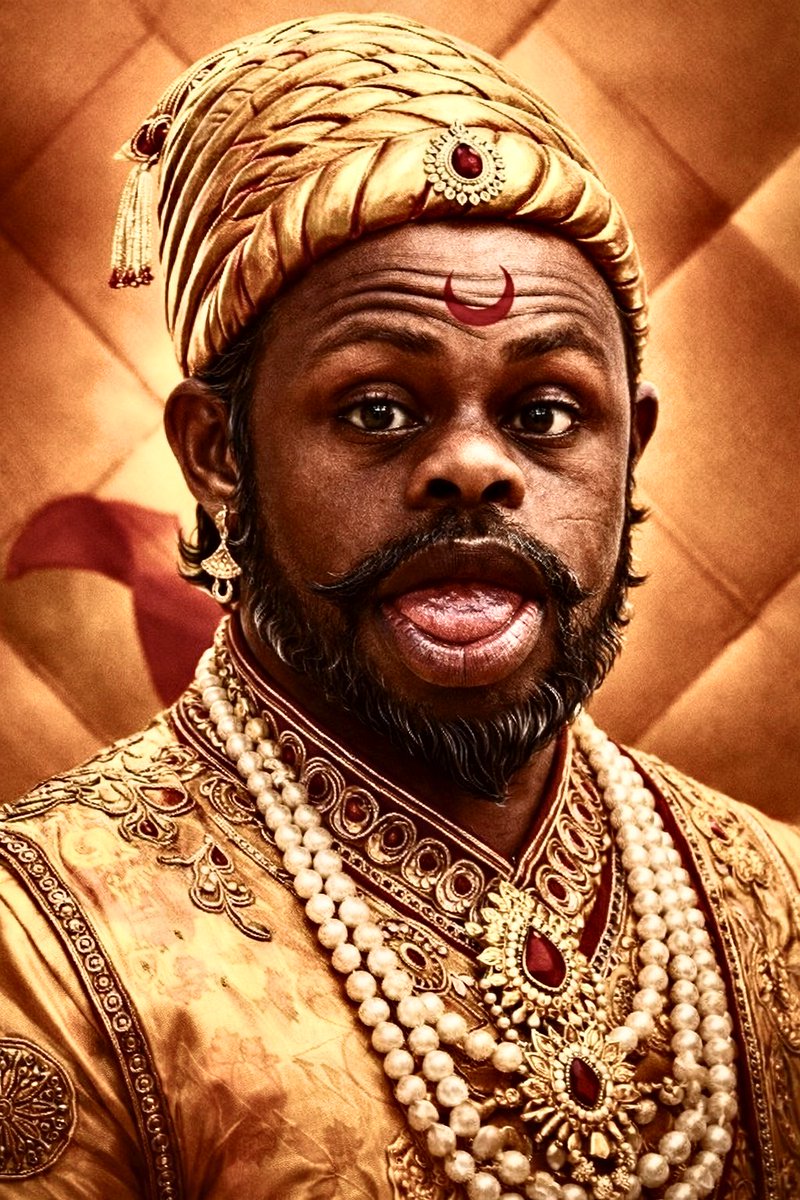
@Jat_Ethnic Kisi kaun ki itni gandi M@ ch0d0 ki bade din raat saamntwaad ka rona roye aur chote naya naya itihas khoj ke laaye ussi apni didi ke ghaghre se kiss ghaghre mein saamnt roz raat ghusa karte the
Why don’t you go back in time and do this रंडी-रोना in front of your Ghorpade ancestors — who forged documents just to prove they are bastards of Sisodiya-Rajputs?
(Pretty sure they’ll give you the belt-treatment you deserve ….)
There isn’t a single Maratha clan that can prove its Kshatriya pedigree without tracing ancestry from Rajputs. Even Shivaji — 𝘆𝗼𝘂𝗿 𝗴𝗿𝗲𝗮𝘁𝗲𝘀𝘁 𝗵𝗲𝗿𝗼 — openly flaunted his Rajput ancestry.
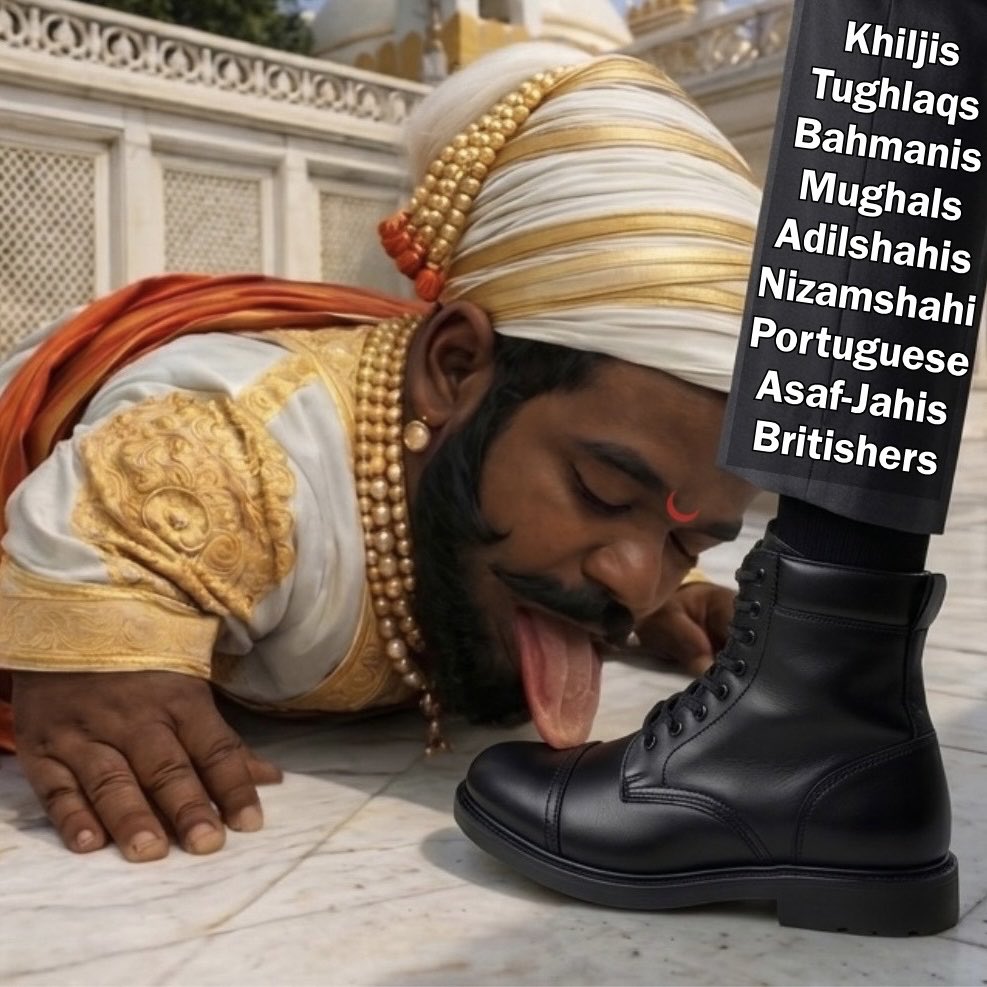
Don’t even try to taunt others about history, when your own ancestors were boot-lickers of Muslims for generations.
👅👞 https://t.co/UFxhJYfdFA
Bandi chhod Diwas happened in 1619, Maharaja Chhatrasal was born in 1649, Maharja Surajmal was born in 1707, Rana Sangram Singh 1 died in 1527, Rana Sangram Singh born on 1710
Surajmal, Chhatrasal, were liberated before they were born, Sangram Singh 1 and 2 after they died? 😭
Persian letter (dated 1682 CE) describing the loud & noisy Diwali celebrations by the Hindus of Aurangzeb’s army near his camp. It shows that even under any ‘restrictions’ imposed upon them during the Mughal rule, Hindus had not given up celebrating their festivals with grandeur.
Since many people on the timeline are talking about the Bajuband because of this news anchor, here's some information about it.
- A Bajuband, also known as an armlet, Vanki or Waaki, is a traditional Indian ornament worn on the upper arm.
- Its history dates back to ancient India.
- It can be seen in ancient Indian sculptures, paintings and royal depictions.
- Both men and women traditionally wore Bajubands.
- Kings, warriors and royal families wore them as symbols of wealth, power and status.
- Women wore them as part of traditional jewellery, especially during weddings and religious ceremonies.
- In South India, it is known as Vanki and is traditionally designed in an inverted-V shape.
- In North India, it is commonly known as Bajuband or Bazuband.
- There is no confirmed record of who invented it or where it was first worn in India.
- Today, it remains an important part of Indian bridal jewellery and traditional attire.
We should promote our traditional jewellery and not let it be lost.
Also, we must not let Pakistanis try to steal our culture and call it their own.
Worshipping White Tara of Vajrayana Buddhism on the occasion of Deepavali Lakshmipujan while reciting the Mahishasuramardini Stotram, and you can see that he is lipsyncing it almost all of it incorrectly "Girivara Vindhya to Giridhara Vindhya". 🤡
Ye kaisa Brahman hai.
Tell me you read WhatsApp summaries without reading Valmiki.
Rama never doubted Sita’s purity,he bore the crushing agony of Rajdharma alone, refusing to remarry and ruling with her golden murti beside him. (1/2)
@PanjabiOnTrack@b0red_historian Atleast we are no trying to play saviour of a community or playing holier than thou here by creating false narratives? What is your point?
@PanjabiOnTrack@b0red_historian ਜਸਰਥ ਰਾਇ ਨੰਦੁ ਰਾਜਾ ਮੇਰਾ ਰਾਮ ਚੰਦੁ ਪ੍ਰਣਵੈ ਨਾਮਾ ਤਤੁ ਰਸੁ ਅੰਮ੍ਰਿਤੁ ਪੀਜੈ ॥੪॥੪॥
"Ram Chand, the son of King Dashrath Rai, is my Lord and King. Namdev humbly prays: Drink the immortal nectar of the essence of the Divine."
Cultural metaphor my ass!
@Sawhney222@amol_shelke95@rakselabhishek ਜਸਰਥ ਰਾਇ ਨੰਦੁ ਰਾਜਾ ਮੇਰਾ ਰਾਮ ਚੰਦੁ ਪ੍ਰਣਵੈ ਨਾਮਾ ਤਤੁ ਰਸੁ ਅੰਮ੍ਰਿਤੁ ਪੀਜੈ ॥੪॥੪॥
"Ram Chand, the son of King Dashrath Rai, is my Lord and King. Namdev humbly prays: Drink the immortal nectar of the essence of the Divine."
🥱
If you want more I'll send pagdichod.
I've noticed tall girls (above 5'6) are naturally friendly and they apologize when wrong, it's only those 1.25 litres of containers that are stubborn..
- Men open social media.
- Men see other men succeed.
- Men become happy for them.
- Close social media.
Men are always happy to see other men win.
Because we know how hard it is to succeed and how much time, effort, and sacrifice it takes.
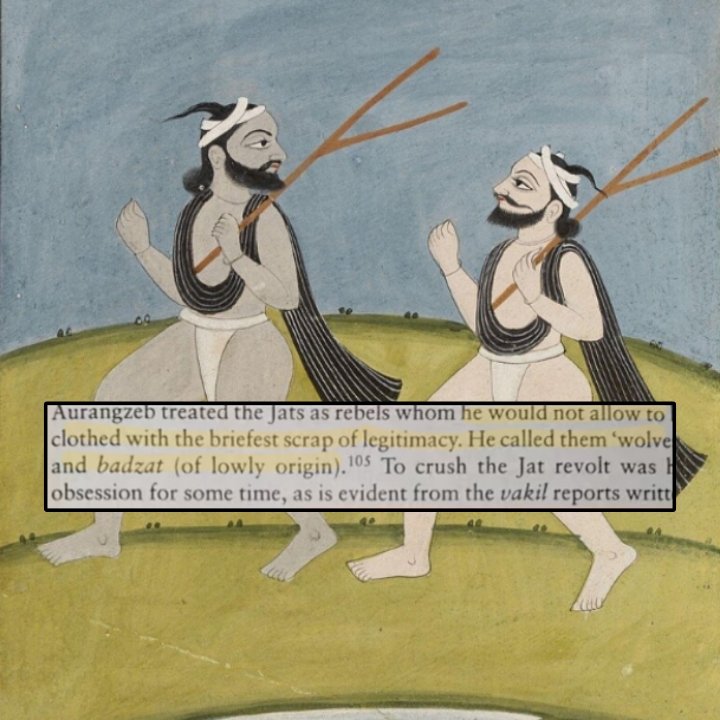
Jats were indeed viewed as "kamnasal" and "badzaat" by the Mughals.
And no contemporary source identifies Sadullah Khan as a Jat. He was more likely an Ashrafzada of non-Punjabi origin than a barely clothed badzaat Jat.