1/ You’re shaving too close
A very close shave may look cleaner, but it can make the hair curl back into the skin and trigger those annoying bumps.
Look out for:
• Small bumps showing up after shaving.
• Itching or tenderness around the area.
What to do:
Don't chase an ultra-close shave.
Shave in the direction your hair grows and avoid repeatedly going over the same spot.
That clean shave can leave your skin looking worse than before.
The bumps, itching and burning that show up after shaving aren't always because your skin is “sensitive.”
Here are 6 common causes — and what you can do about them.
6/ Those bumps may need attention
Not every bump is just razor irritation.
If they become painful, swollen or filled with pus, something else may be going on.
Look out for:
• Painful or pus-filled bumps.
• Redness or swelling that keeps getting worse.
What to do:
Don't pick or squeeze them, and avoid shaving over the area.
If they keep returning or aren't settling, get them checked.
A good shave should leave your skin clean — not leave you fighting bumps for the next few days.
That clean shave can leave your skin looking worse than before.
The bumps, itching and burning that show up after shaving aren't always because your skin is “sensitive.”
Here are 6 common causes — and what you can do about them.
5/ You keep using heavy fragrance
That strong aftershave might feel refreshing for a few seconds, but freshly shaved skin can react badly to heavy fragrance or products that sting.
Look out for:
• Burning after applying a product.
• Redness that gets worse after using it.
What to do:
Stop using products that repeatedly irritate your skin.
Choose a gentle, fragrance-free moisturizer instead.
High blood pressure was linked to about 10.5 million deaths worldwide in 2023.
The scary part? It can remain undetected for years.
Here are 7 symptoms to you should know 🧵
1. Blurred vision
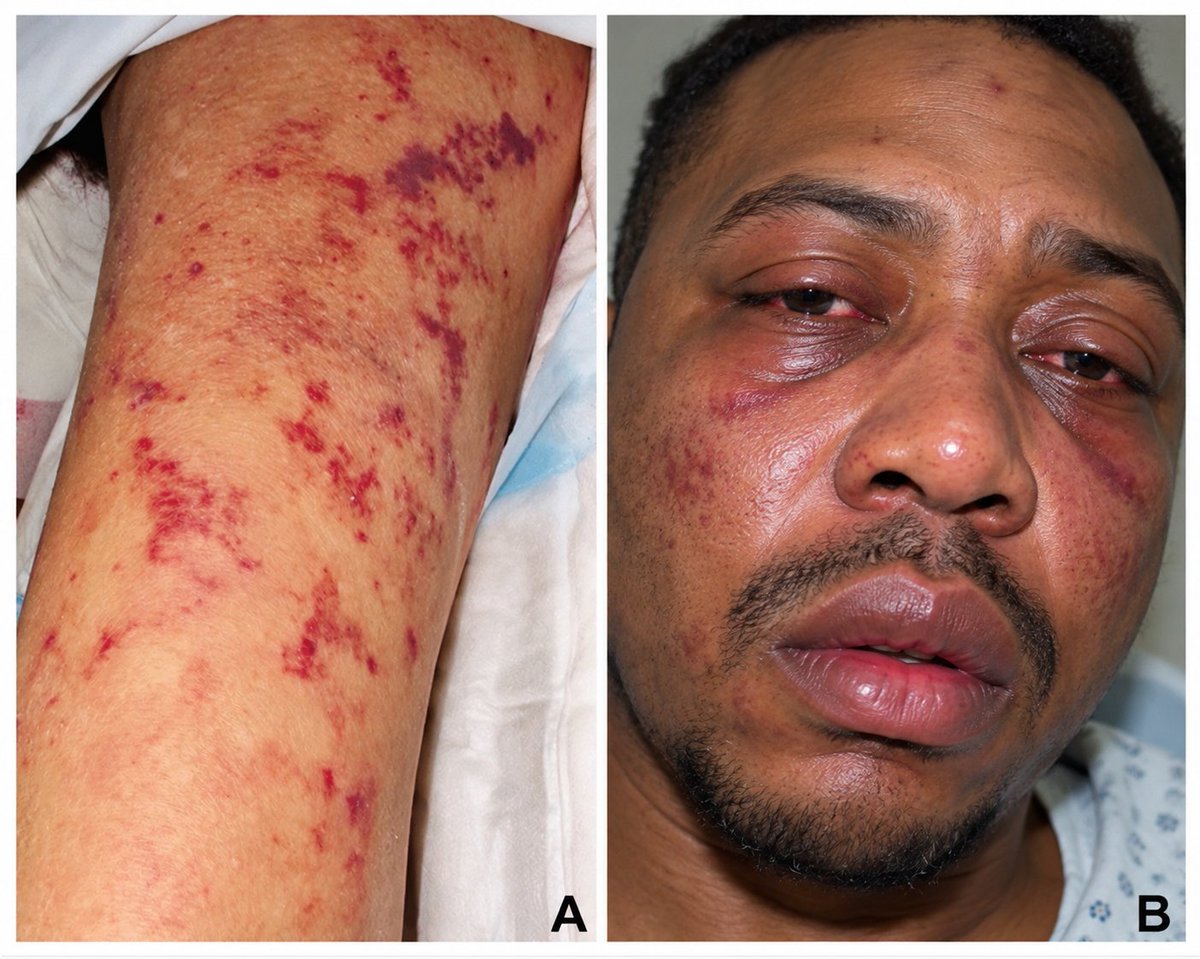
SEPSIS kills roughly 11 million people a year.
Most started with something small: a cut, a UTI, a cough.
Here are 6 signs your body is losing the fight🧵
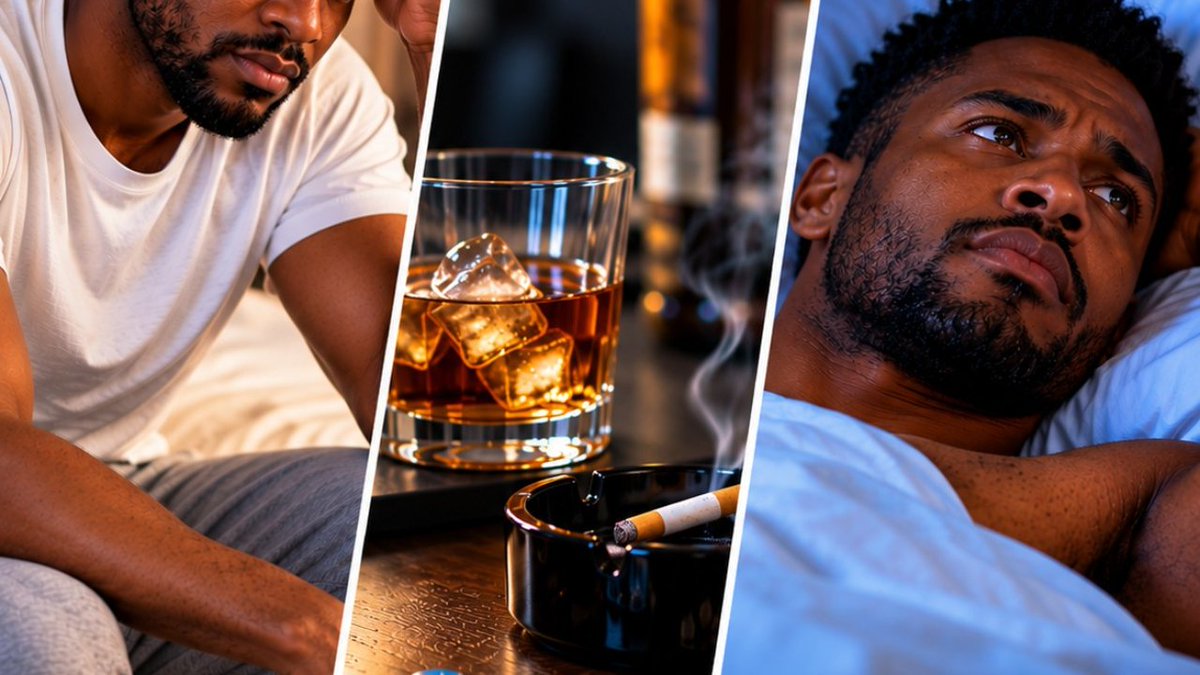
Your sex drive feels different. Your erections aren't as reliable.
Your body just doesn't respond the way it used to.
Don't always assume it's simply age or “stress.”
Try these 6 simple changes to support better sexual function. 👇
1. Move more during the day
Spending most of your day sitting can work against your circulation and overall physical fitness.
Try this:
• Get up and walk around regularly.
• Take a brisk walk for 20–30 minutes.
• Avoid sitting in the same position for several hours.
2. Give your mind a break
Constant stress can make it harder to relax and respond sexually, even when you are physically attracted to your partner.
Try this:
• Take short breaks during stressful days.
• Make time for activities that help you unwind.
• Don't turn every sexual experience into a test of performance.
3. Look after your heart and blood vessels
Healthy erections depend on good blood flow.
Problems with circulation can sometimes show up sexually before other symptoms become obvious.
Try this:
• Stay physically active.
• Keep your blood pressure and blood sugar under control.
• Eat more whole foods and less heavily processed food.
4. Don't ignore your pelvic floor
The muscles around your pelvis help with bladder control and sexual function.
Weak or poorly controlled pelvic-floor muscles can sometimes contribute to sexual difficulties.
Try this:
• Identify the muscles you use to stop urine flow.
• Tighten them gently for a few seconds.
• Relax completely before repeating.
• Don't practise by repeatedly stopping your urine midstream.