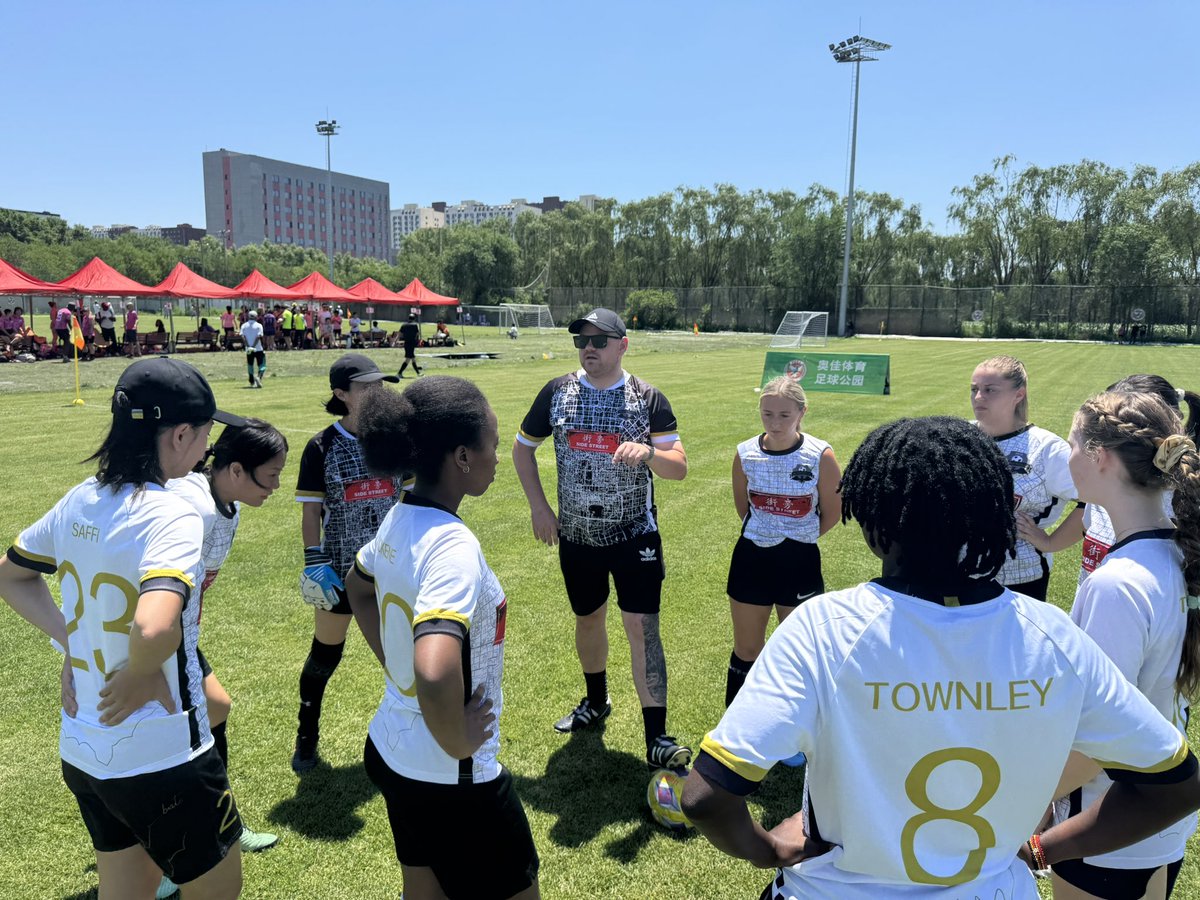
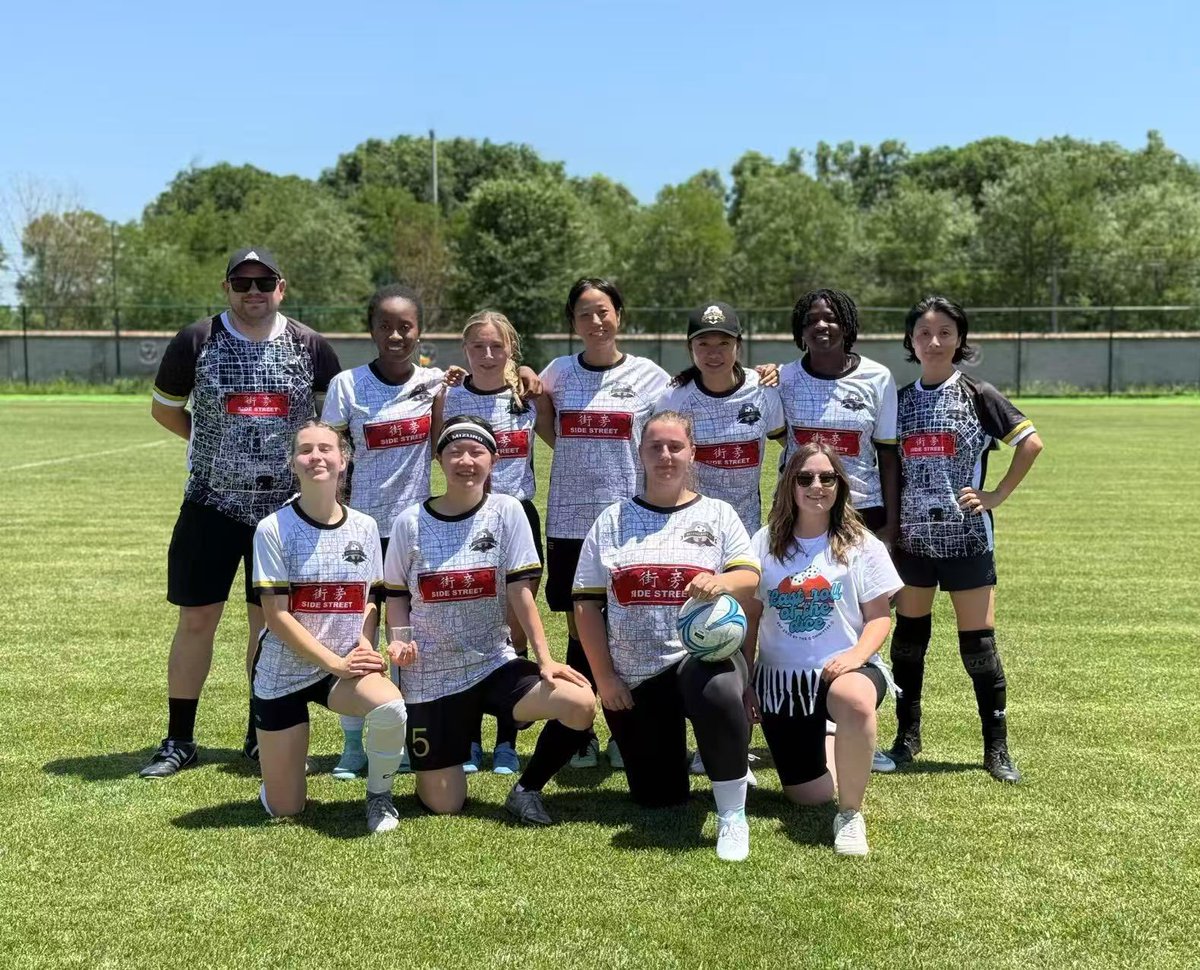
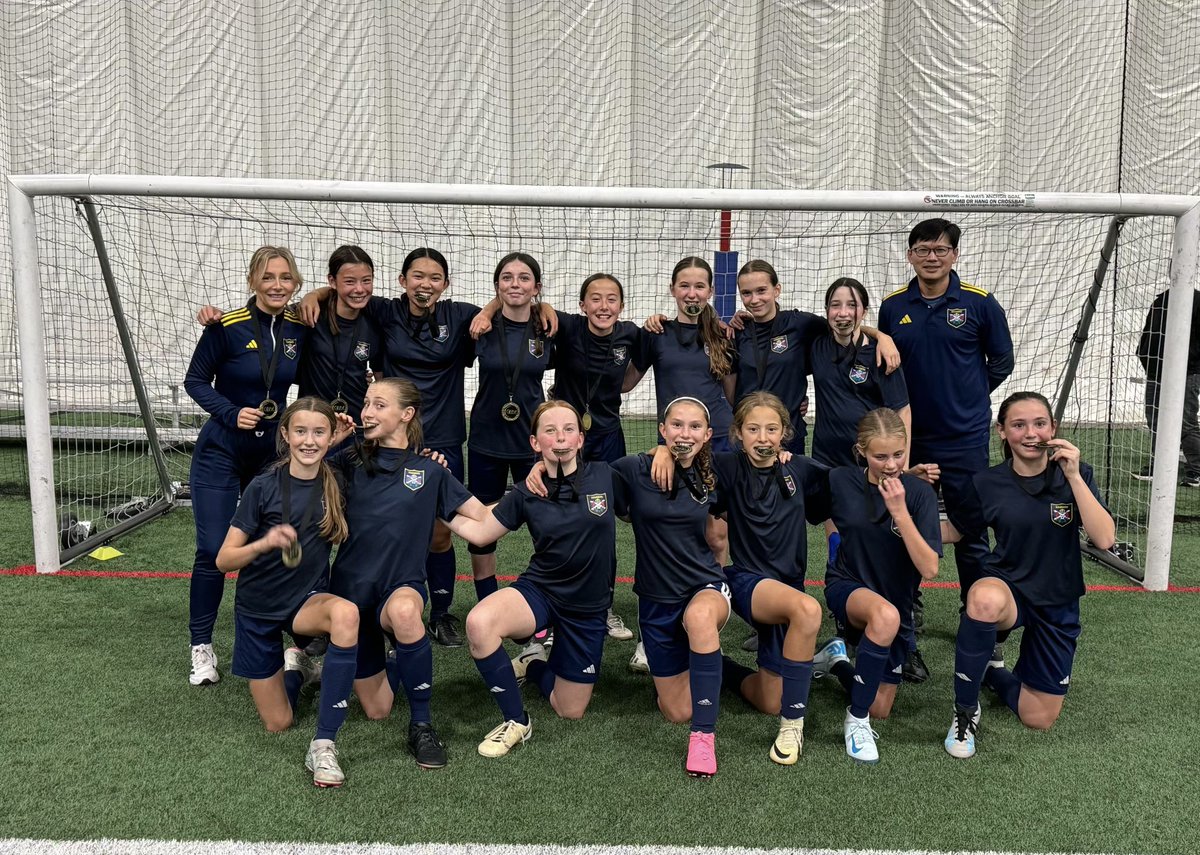
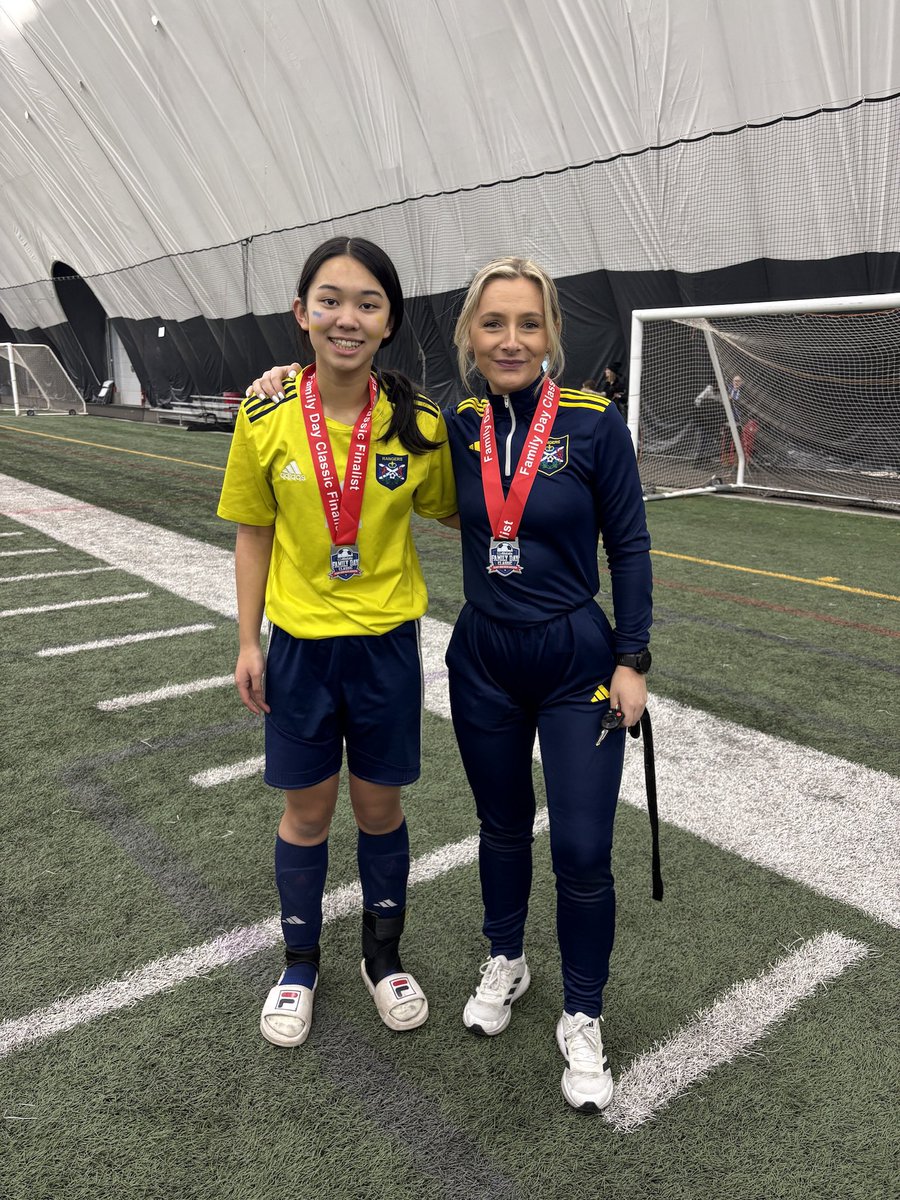
Plate Champions!🏆
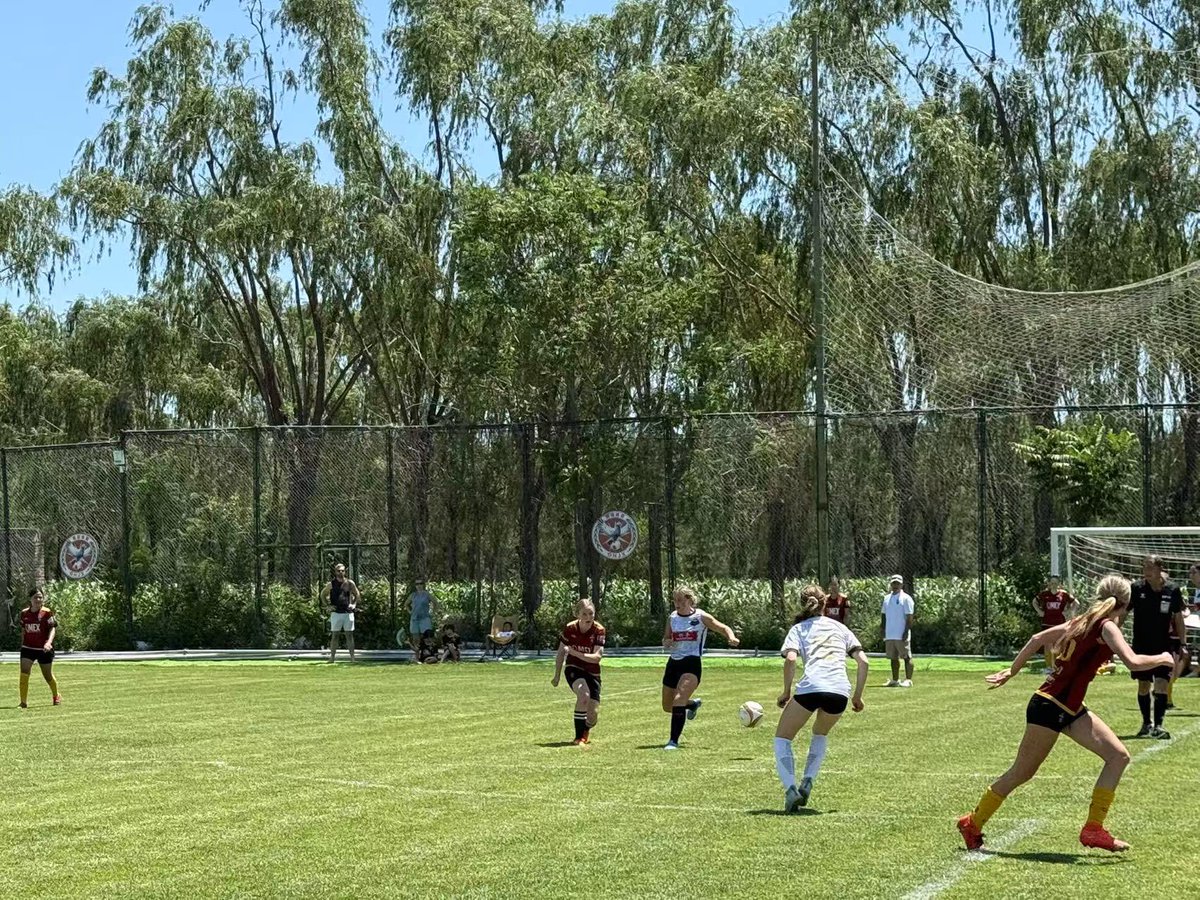
Class day yesterday playing in the CIFL Tournament, scoring 2 and winning in the final!⚽️
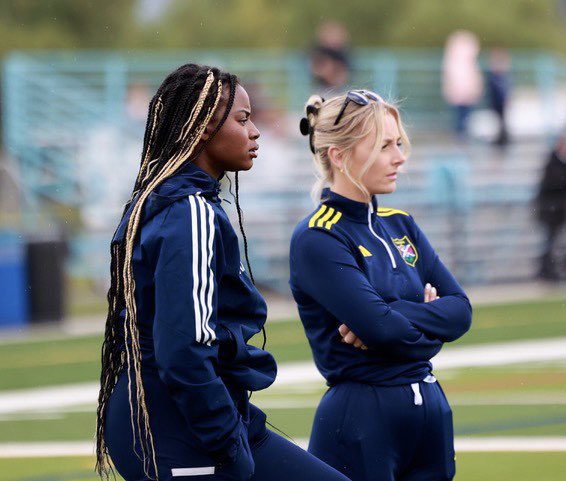
Great season playing with the Beijing Bats in the Women’s China International Football League!🇨🇳
Loved every minute on and off the pitch with this amazing team. 🙌🏽🦇
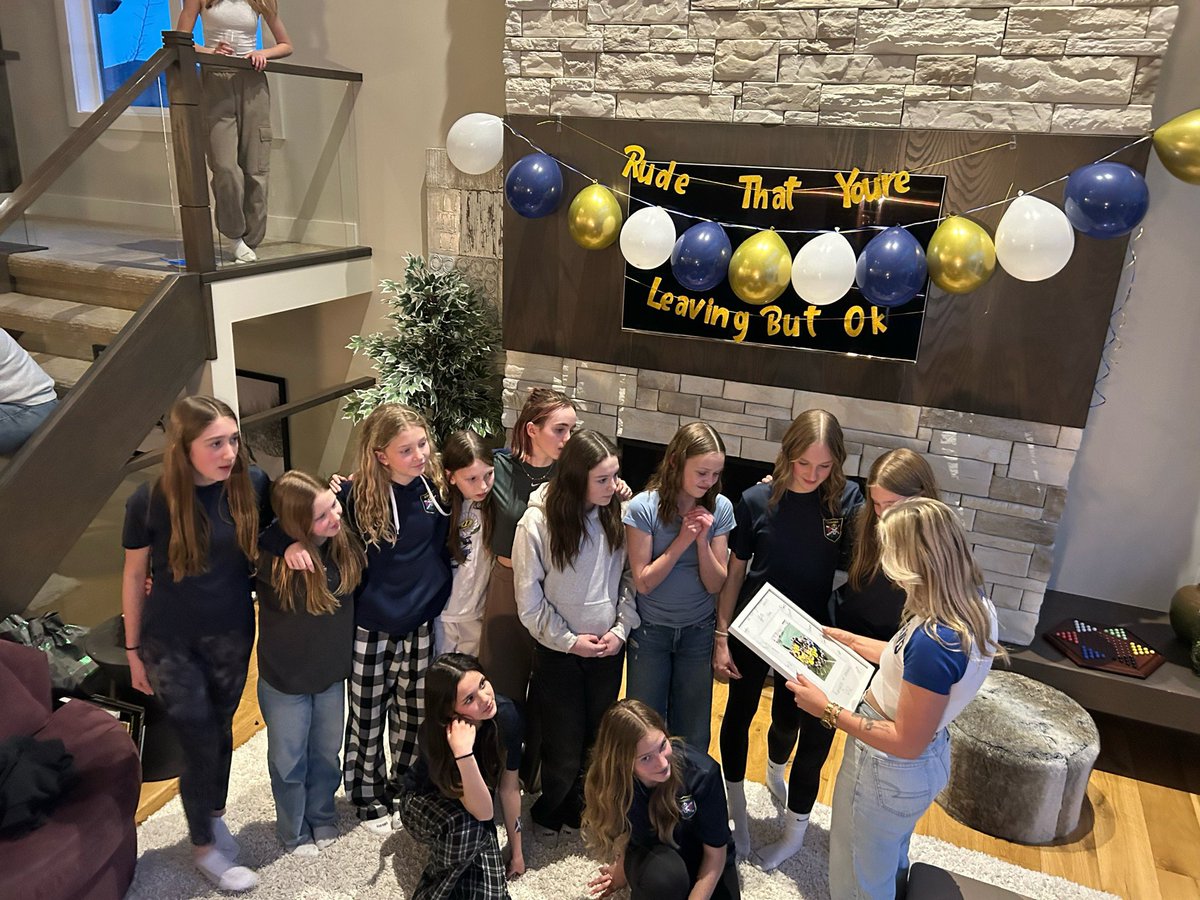
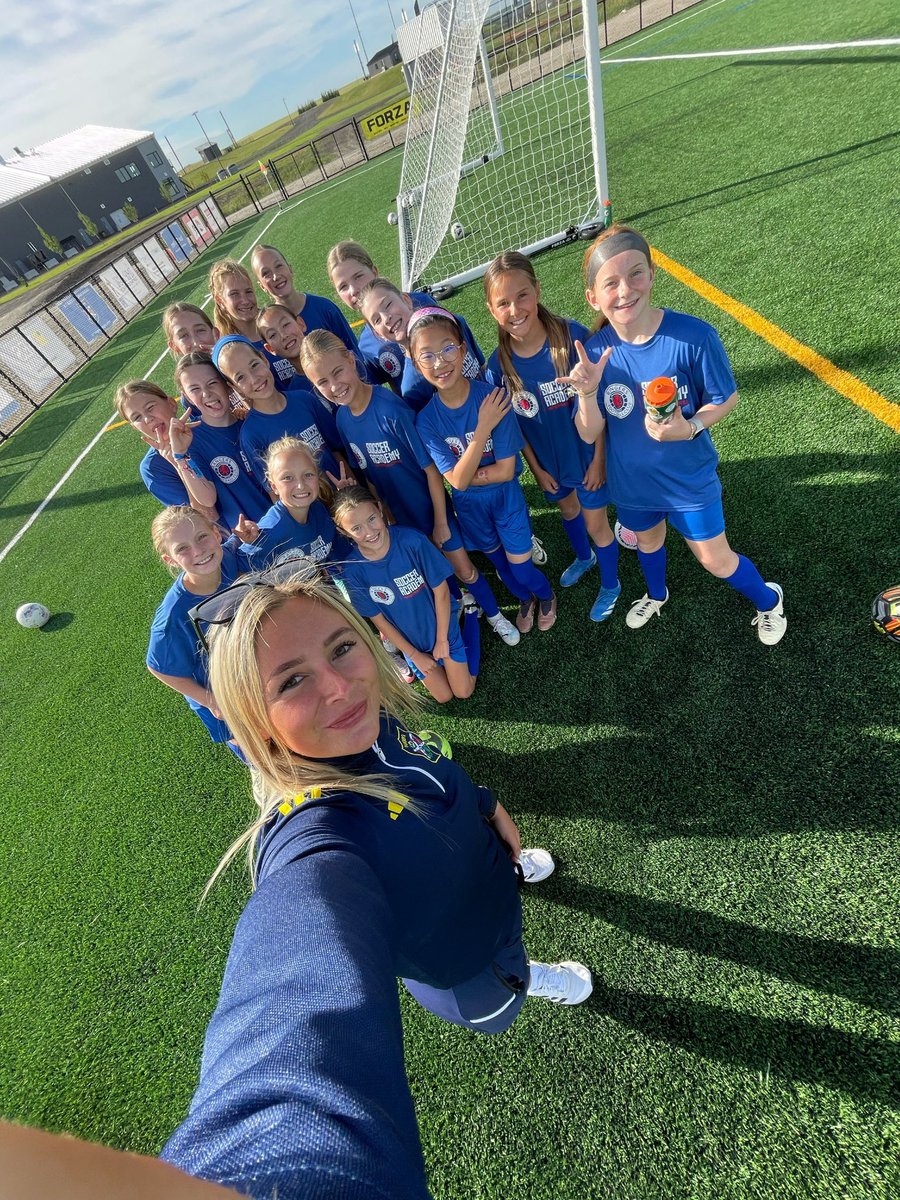
After 2 amazing years, I’m stepping away as Female Academy Director at Calgary Rangers 🇨🇦⚽️
Endless gratitude to the Board & the entire Rangers community for your trust, support & belief. It’s been an honor to lead & grow with you. 💙🙌🏽
It’s not goodbye—just see you later! 🥹
✨𝐇𝐚𝐩𝐩𝐲 𝐍𝐞𝐰 𝐘𝐞𝐚𝐫✨
2024 Highlights:
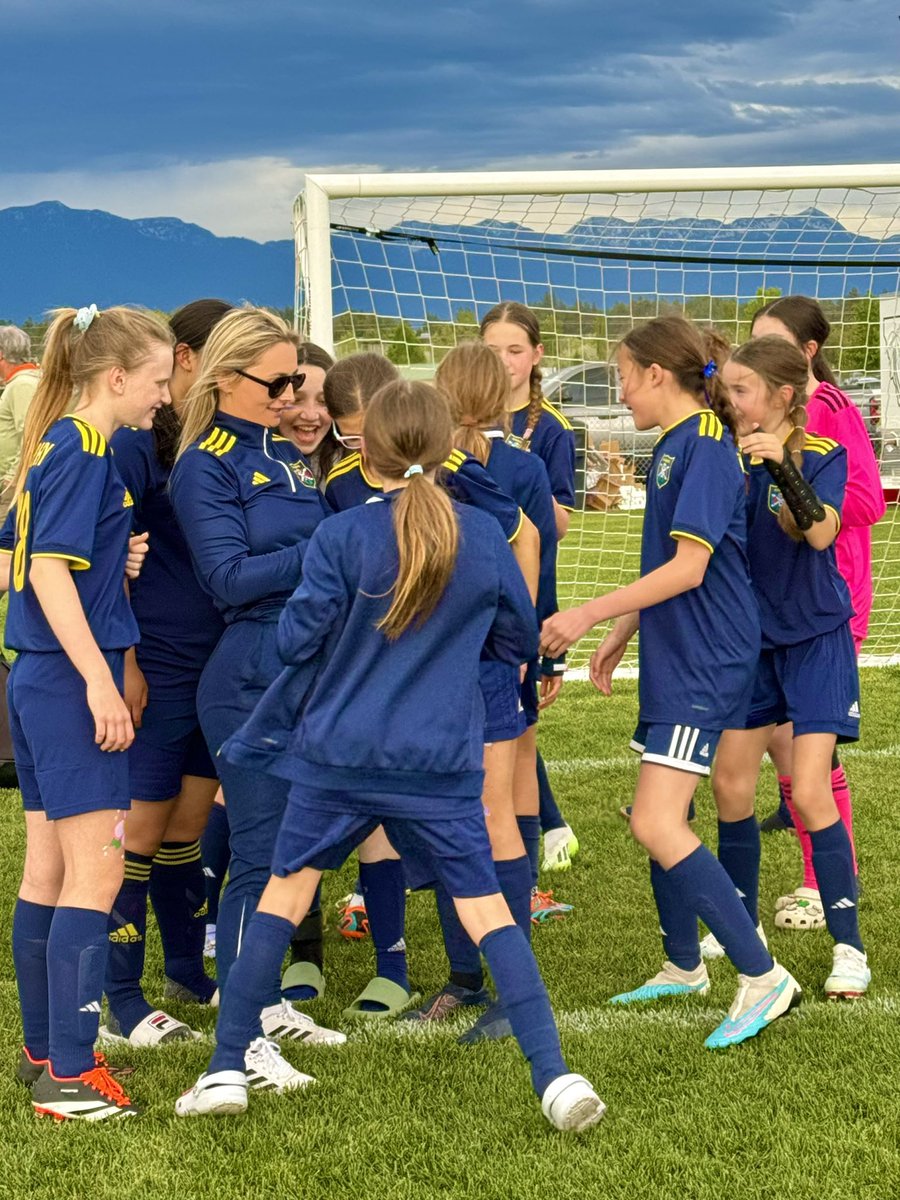
➡️Tournament Trips (Edmonton, Kelowna & Montana)
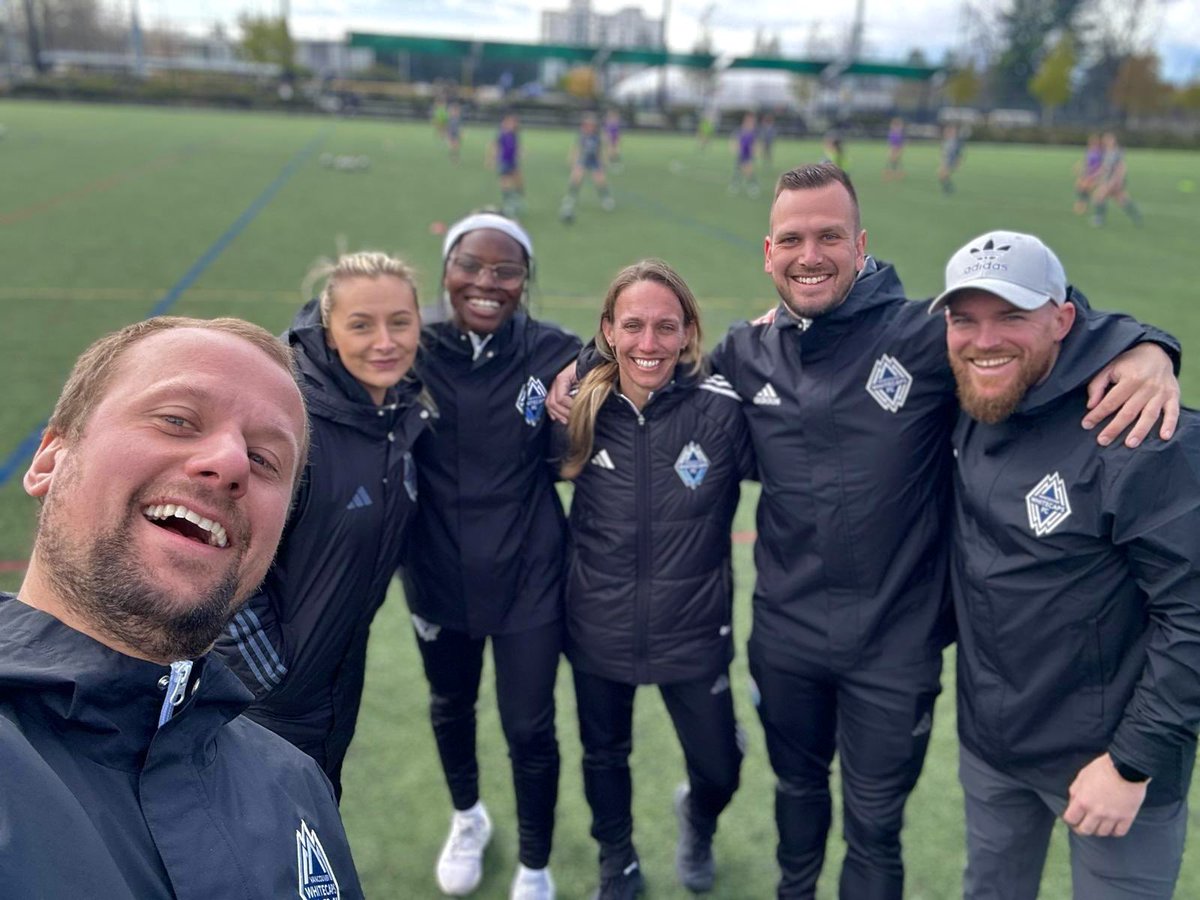
➡️Vancouver Whitecaps Showcase
➡️National PDP Championships
➡️She Can Coach Program
➡️Home Field Opening
Excited for 2025 & the challenges, opportunities and lessons it brings.🙌🏽⚽️
The distinction lies in what kind of development each child needs.
Kids Who Have Already Mastered the Ball:
Children under 12 who have achieved mastery of the ball—meaning they have control, confidence, and creativity in handling it—don’t require traditional coaching at this stage. They benefit more from free play or game-like environments where they can explore their skills, make decisions, and develop game intelligence. These children have already internalized the technical foundation, so they thrive by playing with peers, experiencing challenges, and honing their instincts through trial and error.
Coaches for these players are more like facilitators. Instead of teaching technical skills, they provide guidance, encouragement, and create scenarios that nurture the player’s decision-making, spatial awareness, and tactical understanding.
Kids Who Haven’t Mastered the Ball:
For children who have not yet mastered the ball, traditional coaching is essential. These players need to build their foundation in technical skills, such as dribbling, passing, and shooting. Without this baseline, they cannot effectively engage with the game because they lack the tools to express themselves on the field.
Coaches for these players take on the role of teachers, breaking down techniques, offering repetitive practice, and ensuring the child gains confidence with the ball. The focus is on structured learning, instilling habits, and introducing the love of the game through tangible progress.
Why Mastery First?
Without mastery of the ball, the game itself can feel overwhelming. The child spends more time struggling to perform basic actions rather than thinking about strategy or enjoying the experience. On the other hand, a child who has mastery plays with freedom and can focus on higher-level aspects like teamwork, positioning, and creativity.
In summary:
Mastered players: Thrive in less structured, game-oriented environments where creativity and decision-making are key.
Non-mastered players: Need structured coaching to develop a solid technical foundation before progressing to advanced gameplay.
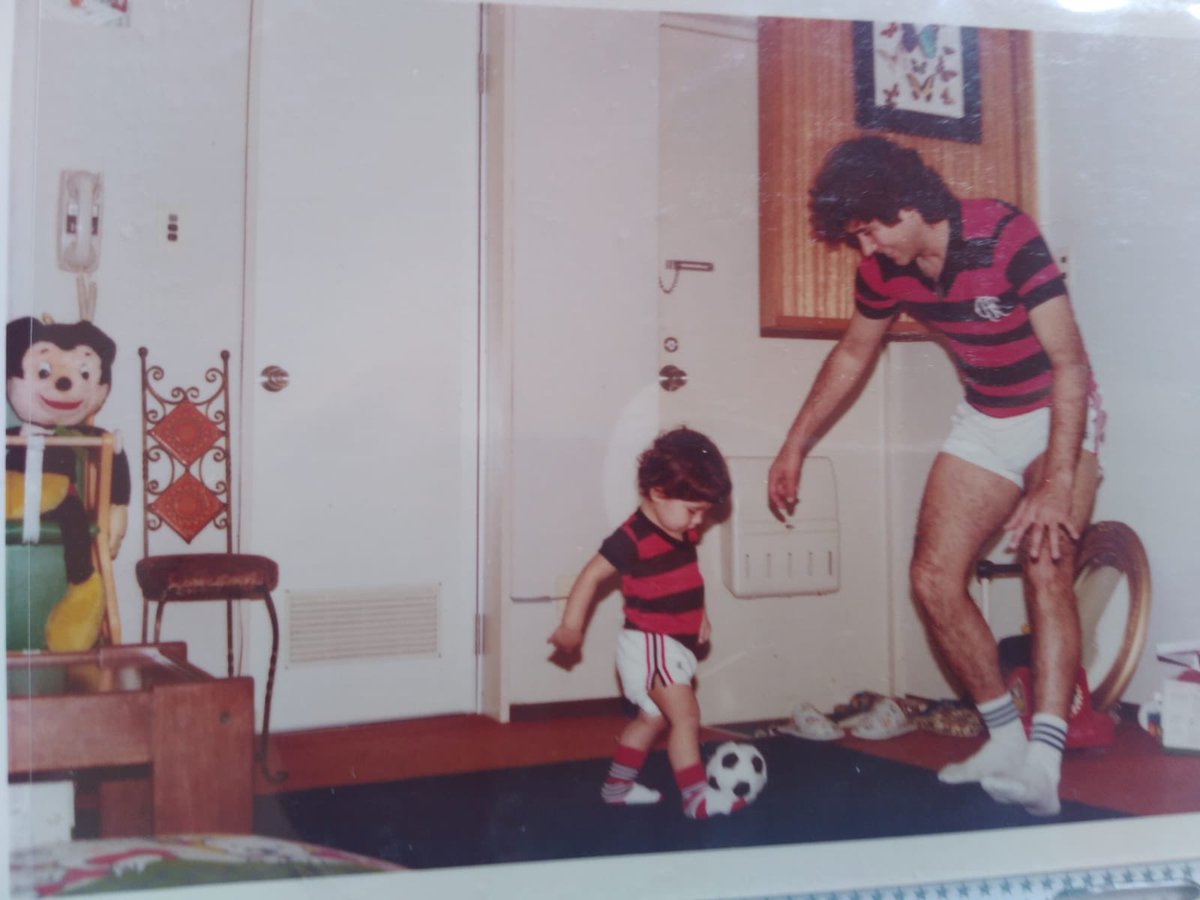
This principle aligns with the philosophy that “Football Starts at Home.” Mastery should ideally happen during early childhood, often through play and parent-child interaction, making formal coaching at young ages less critical.
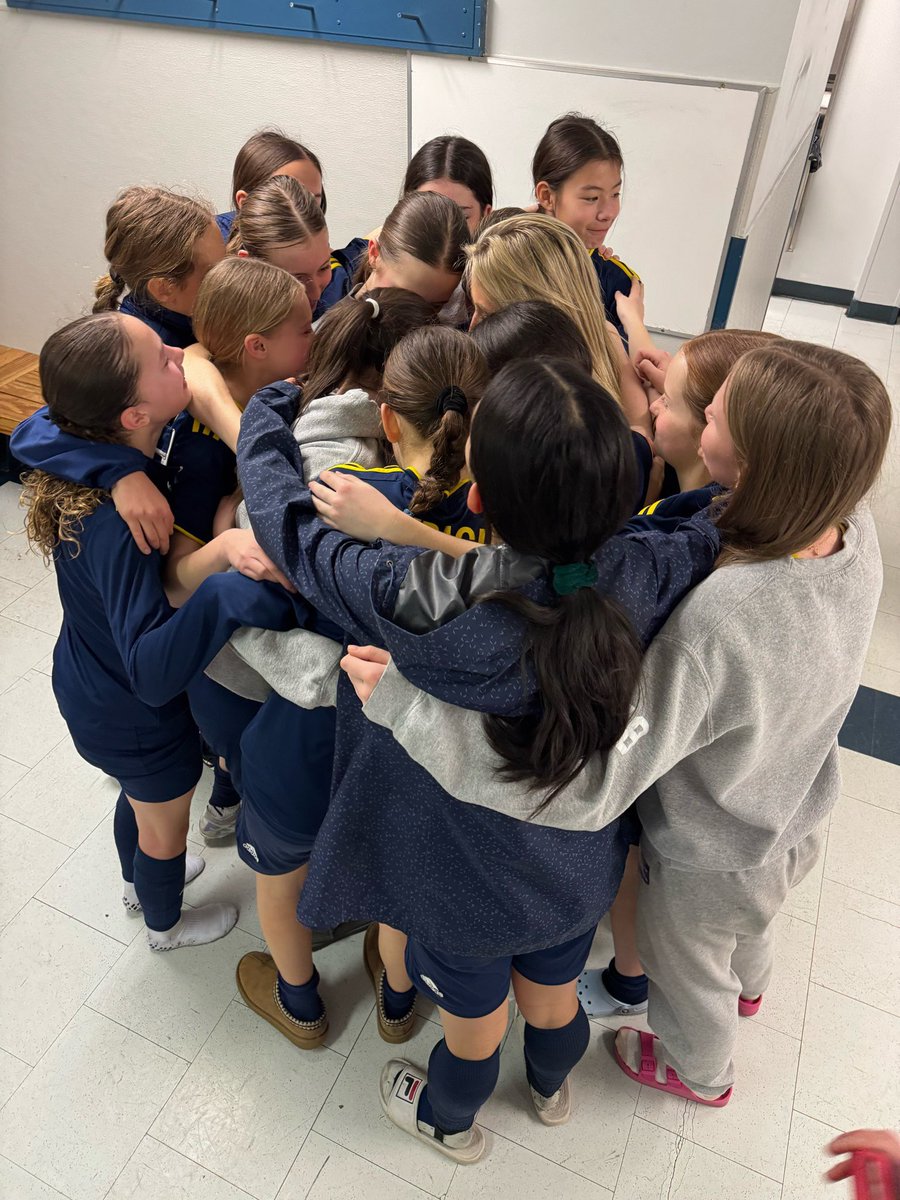
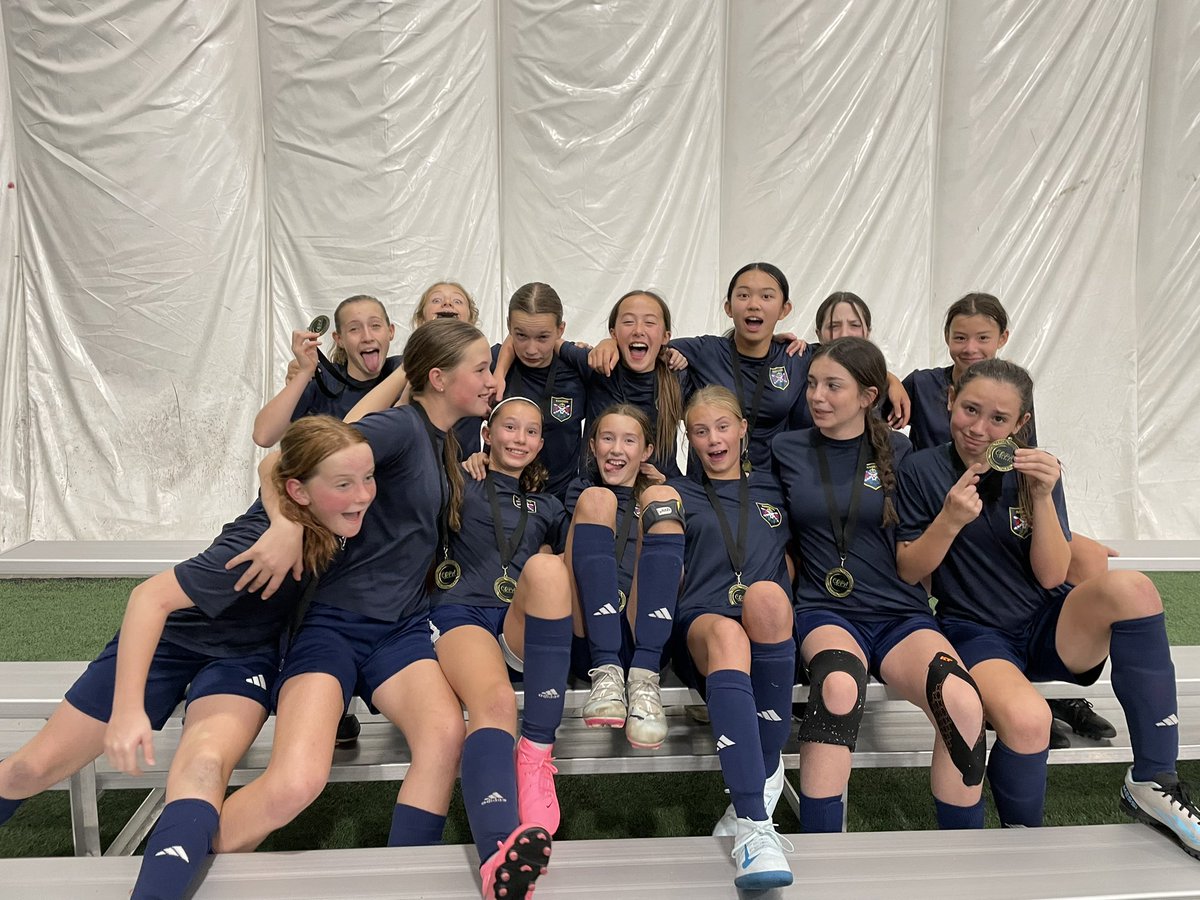
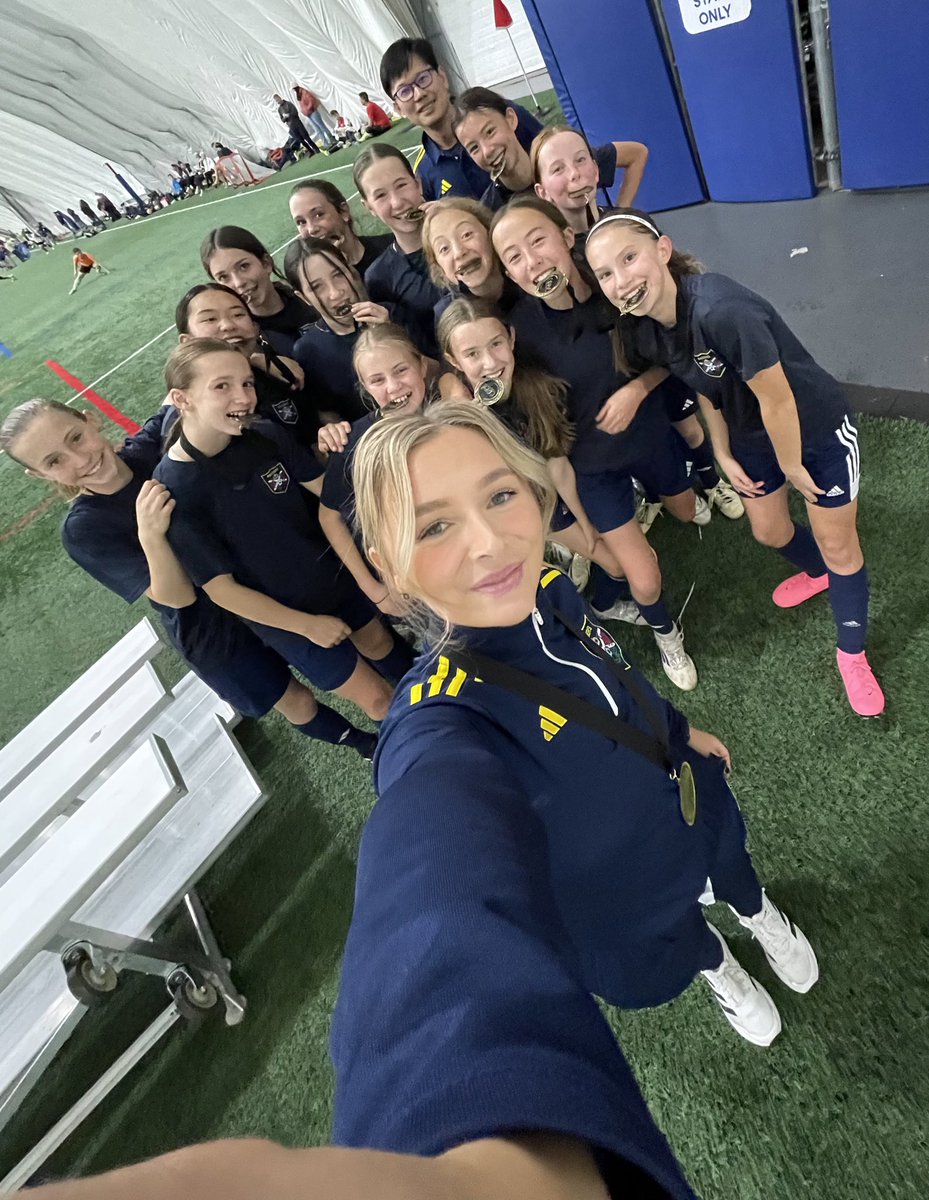
🥇 Congratulations to my 2012 Girls for winning Gold at the Copa Edmonton Tournament!
⚽️ Thankful to have spent my Thanksgiving Weekend with these girls. I am so proud to see the development of this group as a team and as individuals!
💙 My wee football family!